HYROX is a unique fitness competition combining functional strength, endurance, and speed across a structured course of running and functional workout stations. Events such as sled pushes, wall balls, rowing, and burpee broad jumps demand not only cardiovascular and muscular strength but also exceptional joint mobility and stability.
Limited mobility can significantly impede an athlete’s ability to move efficiently, increasing the risk of injury and diminishing performance. According to Sahrmann (2002), impairments in mobility and movement patterns can predispose athletes to musculoskeletal injuries.
The Importance of Mobility in Functional Fitness
Mobility refers to the ability of a joint to move actively through a range of motion. In the context of HYROX, enhanced mobility facilitates improved technique, power output, and movement economy. Research indicates that optimal mobility improves biomechanical efficiency and reduces injury risks (Behm & Chaouachi, 2011).
Key Areas to Target for HYROX Mobility
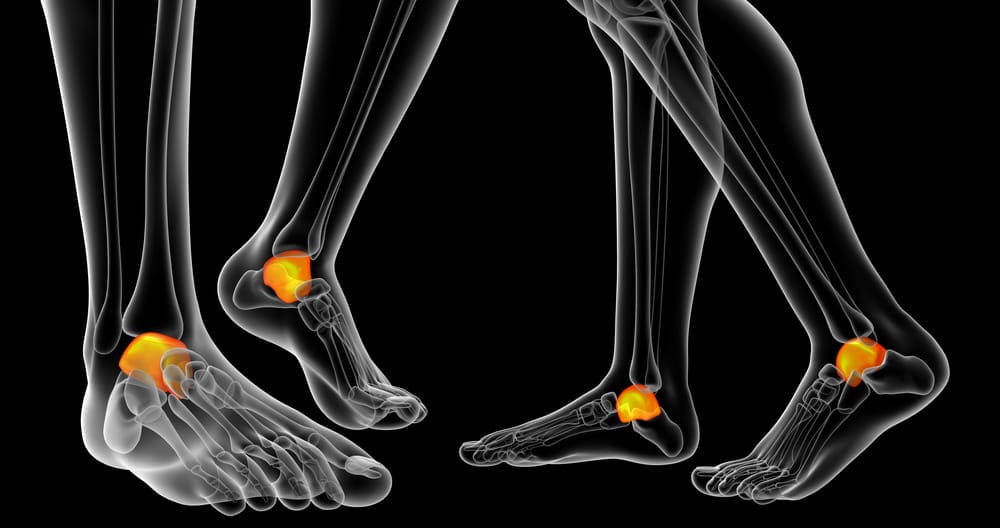
1. Ankle Mobility
Efficient ankle dorsiflexion is crucial for movements such as running, lunging, sled pushing, and wall balls. A lack of ankle mobility leads to compensatory patterns like knee valgus or hip external rotation, increasing injury risks. Hoch et al. (2012) found that restricted dorsiflexion is associated with an increased incidence of lower extremity injuries.
Strategies to Improve Ankle Mobility
- Calf Stretching: Static stretching of the gastrocnemius and soleus muscles improves dorsiflexion.
- Ankle Banded Mobilizations: These promote posterior glide of the talus, enhancing active range.
- Eccentric Calf Raises: Strengthening the ankle complex through eccentric loading can improve mobility and resilience.
2. Hip Mobility
Hips are the powerhouse for nearly all HYROX movements, from sled pushes to lunges. Restricted hip flexion, extension, and external rotation limit stride length, squat depth, and functional strength output. A study by Fredericson et al. (2005) highlights that poor hip mobility is a major contributor to kinetic chain dysfunctions.
Strategies to Improve Hip Mobility
- 90/90 Hip Stretch: Targets external rotators and promotes greater rotation range.
- Dynamic Lunge Variations: Integrates movement patterns to improve hip flexion and extension actively.
- Band-Resisted Hip Openers: Utilize band resistance to mobilize the hip joint capsule.
3. Thoracic Spine Mobility
An often-overlooked area, thoracic spine mobility is essential for rowing, wall balls, and efficient running posture. A stiff thoracic spine can lead to overcompensation in the lumbar spine or shoulders, contributing to injuries. Hibbs et al. (2008) observed that better thoracic extension and rotation are correlated with reduced shoulder dysfunctions.
Strategies to Improve Thoracic Spine Mobility
- Cat-Cow Movements: Promotes segmental spinal articulation.
- Open Book Stretches: Enhances thoracic rotation.
- Foam Roller Extensions: Focuses on thoracic extension over a fixed point.
4. Shoulder Mobility
Overhead movements like wall balls, farmer carries, and ski erg strokes demand significant shoulder flexion and external rotation. Poor shoulder mobility compromises force production and increases strain on the rotator cuff. A study by Wilk et al. (2009) found a strong relationship between limited shoulder external rotation and shoulder injuries in overhead athletes.
Strategies to Improve Shoulder Mobility
- Sleeper Stretch: Focuses on improving internal rotation.
- PVC Pass-Throughs: Encourages active range in overhead positions.
- Wall Slides: Reinforces scapular control while promoting shoulder flexion.
5. Hip Flexor Flexibility
Due to the high running volume in HYROX, chronic hip flexor tightness can impair stride mechanics and lumbar stability. Tight hip flexors are linked to anterior pelvic tilt and compromised glute activation, per Kendall et al. (2005).
Strategies to Improve Hip Flexor Flexibility
- Kneeling Hip Flexor Stretch: Targets the iliopsoas and rectus femoris.
- Psoas Release Techniques: Manual therapy or ball pressure can aid in tissue extensibility.
- Active Mobility Drills: Incorporating leg swings and lunge walks.
6. Wrist and Forearm Mobility
Carrying implements and exercises like rowing and ski erg strokes stress the wrists and forearms. Limited wrist extension can affect grip endurance and mechanical efficiency. Research by Linscheid and Dobyns (1996) confirms that decreased wrist extension range correlates with reduced upper extremity performance.
Strategies to Improve Wrist Mobility
- Wrist Flexor and Extensor Stretching: Standard static holds to increase passive range.
- Quadruped Wrist Rocks: Integrates wrist extension under load.
- Strengthening Grips: Using grip trainers to build end-range strength.
How to Integrate Mobility Training into HYROX Preparation
Incorporating mobility training strategically within a HYROX program enhances performance without adding excessive fatigue. Behm et al. (2016) recommend dynamic stretching prior to activity and static stretching post-training for optimal effects.
Pre-Workout
- 5–10 minutes of dynamic mobility drills targeting specific joints to be heavily used during the session.
- Include dynamic lunges, ankle hops, thoracic openers, and wrist prep.
Post-Workout
- 10–15 minutes of static stretches focusing on muscles and joints stressed during training.
- Maintain stretches for 30–45 seconds per side.
Standalone Sessions
- 1–2 weekly sessions devoted exclusively to mobility.
- Include a blend of soft tissue work, joint mobilizations, and active flexibility drills.
Monitoring Progress
Progress in mobility should be tracked to assess effectiveness. Using standardized tests like the Weight-Bearing Lunge Test for ankles (Bennell et al., 1998), Thomas Test for hip flexors, and Wall Angel Test for thoracic mobility provides objective feedback. Regular reassessment ensures targeted adaptations.
Common Mistakes to Avoid
- Neglecting Specificity: Mobility work should mimic HYROX movement patterns where possible.
- Overstretching Before Performance: Extensive static stretching pre-event can temporarily reduce power output (Kay & Blazevich, 2012).
- Ignoring Load Control: Overloaded joints without sufficient mobility can exacerbate dysfunction.
Conclusion
Optimizing mobility across the ankles, hips, thoracic spine, shoulders, hip flexors, and wrists plays a fundamental role in HYROX performance and injury prevention. Athletes should approach mobility as a continuous, evolving part of their training rather than an afterthought. Science-based strategies combined with diligent application will lead to significant improvements in movement economy, strength output, and competition resilience.
Bibliography
Behm, D. G. and Chaouachi, A., 2011. A review of the acute effects of static and dynamic stretching on performance. European Journal of Applied Physiology, 111(11), pp.2633–2651.
Behm, D. G., Blazevich, A. J., Kay, A. D. and McHugh, M., 2016. Acute effects of muscle stretching on physical performance, range of motion, and injury incidence in healthy active individuals: a systematic review. Applied Physiology, Nutrition, and Metabolism, 41(1), pp.1-11.
Bennell, K., Talbot, R., Wajswelner, H., Techovanich, W., Kelly, D. and Hall, A. J., 1998. Intra-rater and inter-rater reliability of a weight-bearing lunge measure of ankle dorsiflexion. Australian Journal of Physiotherapy, 44(3), pp.175-180.
Fredericson, M., Cookingham, C. L., Chaudhari, A. M., Dowdell, B. C., Oestreicher, N. and Sahrmann, S. A., 2005. Hip abductor weakness in distance runners with iliotibial band syndrome. Clinical Journal of Sport Medicine, 15(3), pp.152-155.
Hibbs, A. E., Thompson, K. G., French, D., Wrigley, A. and Spears, I., 2008. Optimizing performance by improving core stability and core strength. Sports Medicine, 38(12), pp.995-1008.
Hoch, M. C., Staton, G. S. and McKeon, P. O., 2012. Dorsiflexion range of motion significantly influences dynamic balance. Journal of Science and Medicine in Sport, 15(1), pp.38-43.
Kay, A. D. and Blazevich, A. J., 2012. Effect of acute static stretch on maximal muscle performance: a systematic review. Medicine and Science in Sports and Exercise, 44(1), pp.154-164.
Kendall, F. P., McCreary, E. K., Provance, P. G., Rodgers, M. M. and Romani, W. A., 2005. Muscles: Testing and Function, with Posture and Pain. 5th ed. Philadelphia: Lippincott Williams & Wilkins.
Linscheid, R. L. and Dobyns, J. H., 1996. The anatomy and functional mechanics of the wrist joint. Clinical Orthopaedics and Related Research, 327, pp.10-25.
Sahrmann, S. A., 2002. Diagnosis and Treatment of Movement Impairment Syndromes. St. Louis: Mosby.
Wilk, K. E., Reinold, M. M. and Andrews, J. R., 2009. The orthopedic and sports medicine clinics of North America: shoulder injuries in the overhead athlete. Orthopedic Clinics of North America, 40(2), pp.251-261.
Key Takeaways Table
| Key Area | Importance | Recommended Strategies |
|---|---|---|
| Ankle Mobility | Improves running, lunging, sled pushing mechanics | Calf stretching, banded mobilizations, eccentric calf raises |
| Hip Mobility | Enhances stride, squat depth, and reduces compensations | 90/90 stretches, dynamic lunges, banded hip openers |
| Thoracic Spine Mobility | Supports efficient rowing, posture, and shoulder health | Cat-cow, open book stretches, foam roller extensions |
| Shoulder Mobility | Critical for overhead movements and load management | Sleeper stretch, PVC pass-throughs, wall slides |
| Hip Flexor Flexibility | Essential for efficient running mechanics and lumbar stability | Kneeling hip flexor stretch, psoas release, active drills |
| Wrist and Forearm Mobility | Improves grip endurance and control | Wrist stretching, quadruped wrist rocks, grip strengthening |