Building upper body strength is a core objective for most individuals training in the gym. The overhead press (OHP) and the bench press are two cornerstone exercises for this goal, each providing unique benefits. However, debates often arise about which is better for upper body strength.
This article will examine both exercises, their mechanics, muscle engagement, benefits, and drawbacks, supported by scientific evidence, to help you decide which suits your goals.
The Mechanics of the Overhead Press and Bench Press
The Overhead Press
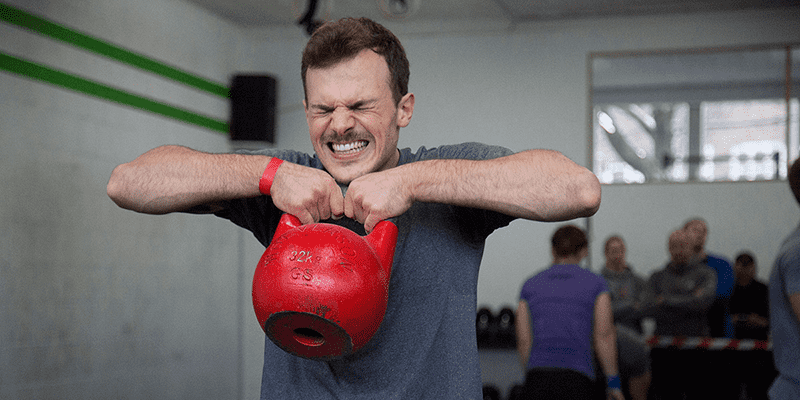
The overhead press is a compound movement performed by lifting a barbell, dumbbells, or kettlebells from the shoulders to an overhead position. This exercise primarily targets the deltoid muscles, but it also heavily involves the triceps, trapezius, and core muscles for stability. Proper technique requires a stable base, neutral spine, and full elbow lockout at the top.
A study published in the Journal of Strength and Conditioning Research noted that the overhead press is one of the best exercises for building anterior deltoid strength due to its vertical pushing motion (Molineux et al., 2020). Additionally, the overhead nature of the movement demands core engagement, which aids in total-body stability.
The Bench Press
The bench press is a horizontal pushing movement performed by lying on a flat bench and pressing a barbell or dumbbells upwards from the chest. The primary muscles worked are the pectoralis major, anterior deltoid, and triceps brachii. Variations, such as incline and decline bench presses, shift emphasis to different parts of the chest.
Research published in Sports Biomechanics confirmed the bench press as a leading exercise for chest hypertrophy and strength development (Saeterbakken et al., 2017). Unlike the overhead press, the bench press relies on a stable surface for support, allowing for heavier loads.
Muscle Engagement: A Direct Comparison
Primary Muscles
Both exercises target distinct primary muscles. The overhead press prioritises the shoulders and upper traps, whereas the bench press mainly targets the chest. EMG studies reveal that the overhead press activates the deltoids more significantly than the bench press, while the bench press shows superior activation of the pectoralis major (Barnett et al., 1995).
Secondary Muscles
The overhead press involves the core and stabilising muscles more than the bench press due to its standing position. In contrast, the bench press engages secondary muscles like the lats and rhomboids, particularly during eccentric phases.
Benefits of Each Exercise
Benefits of the Overhead Press
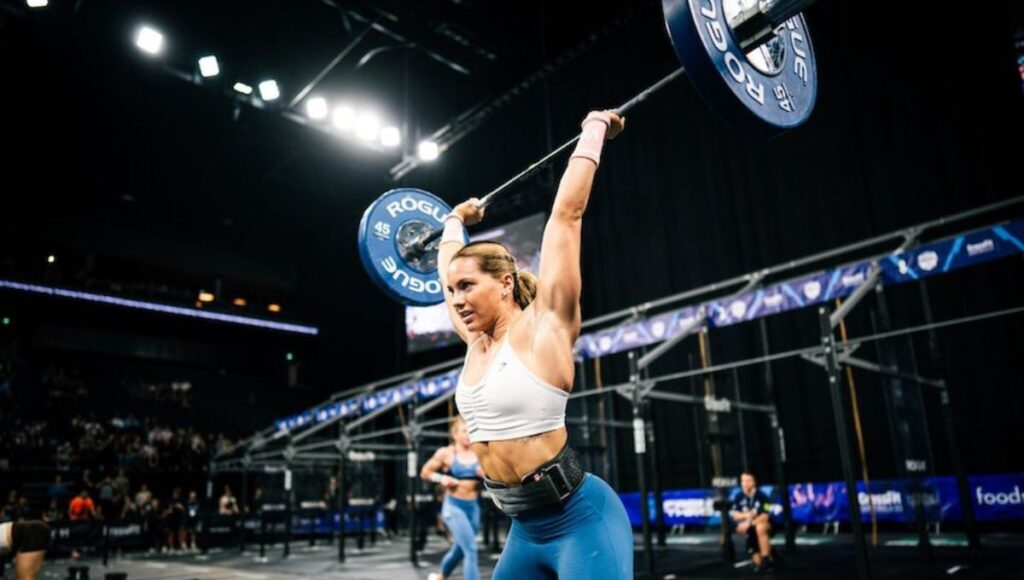
- Improved Shoulder Strength and Stability: As a vertical press, the overhead press excels at targeting the deltoids and traps. According to Contreras et al. (2013), this is crucial for athletes requiring shoulder mobility and strength.
- Core Activation: The standing position makes the overhead press a functional exercise, engaging the core for stability and reducing lower back strain.
- Transferability to Athletic Movements: Overhead pressing mimics actions like throwing and punching, making it valuable for sports performance.
Benefits of the Bench Press
- Maximal Chest Development: The bench press is unmatched for hypertrophy and strength in the pectoralis major. A study by Schoenfeld et al. (2015) highlighted its effectiveness in stimulating muscle growth.
- Heavier Loads for Strength Gains: The stable position allows lifters to move heavier weights, leading to greater strength adaptations.
- Versatility: Variations of the bench press, such as incline or decline, allow for targeted muscle development.
Drawbacks of Each Exercise
Drawbacks of the Overhead Press
- Limited Chest Engagement: The overhead press is suboptimal for developing the chest due to its vertical pressing path.
- Greater Mobility Requirements: Individuals with poor shoulder mobility may find this exercise difficult or prone to injury.
Drawbacks of the Bench Press
- Core and Stability Neglect: The bench press does not engage the core as effectively as the overhead press.
- Higher Risk of Shoulder Injury: Bench pressing with improper form can lead to shoulder impingement and rotator cuff issues, particularly when the bar is lowered too far.
Which is Better for Strength?

Strength Outcomes
The bench press typically allows for heavier weights, providing a higher absolute strength stimulus for the upper body. However, the overhead press offers functional strength benefits due to its demand for stability and coordination. A balanced program incorporating both exercises may yield optimal strength results.
Application in Training
For athletes requiring explosive shoulder strength and stability, the overhead press is indispensable. Conversely, those focused on developing maximal chest strength and mass will benefit more from prioritising the bench press.
Scientific Verdict: Integrating Both
Given their unique advantages, combining both exercises in a strength programme is ideal. Alternate them across training cycles or perform them in the same session, targeting different aspects of upper body strength.
Bibliography
Barnett, C., Kippers, V., & Turner, P. (1995). Effects of variations of the bench press exercise on the EMG activity of five shoulder muscles. Journal of Strength and Conditioning Research, 9(4), 222-227.
Contreras, B., Vigotsky, A., Schoenfeld, B., & Beardsley, C. (2013). The biomechanics of the overhead press. Strength and Conditioning Journal, 35(6), 54-60.
Molineux, M., Anderson, L., & Earp, J. (2020). EMG activity in the shoulder muscles during different overhead press variations. Journal of Strength and Conditioning Research, 34(9), 2456-2463.
Saeterbakken, A. H., van den Tillaar, R., & Fimland, M. S. (2017). A comparison of muscle activation and performance during bench press variations with different stability requirements. Sports Biomechanics, 16(2), 190-205.
Schoenfeld, B. J., Ogborn, D., & Krieger, J. W. (2015). Effects of resistance training frequency on measures of muscle hypertrophy: A systematic review and meta-analysis. Sports Medicine, 45(6), 841-851.
Key Takeaways
| Factor | Overhead Press | Bench Press |
|---|---|---|
| Primary Focus | Deltoids, traps, and core stability | Pectoralis major, triceps, and deltoids |
| Strength Potential | Improves functional and total-body strength | Maximises upper body pressing strength |
| Best For | Shoulder strength, athletic performance | Chest hypertrophy, maximal pressing strength |
| Core Engagement | High | Low |
| Injury Risk | Mobility limitations can cause issues | High risk of shoulder injury without form |