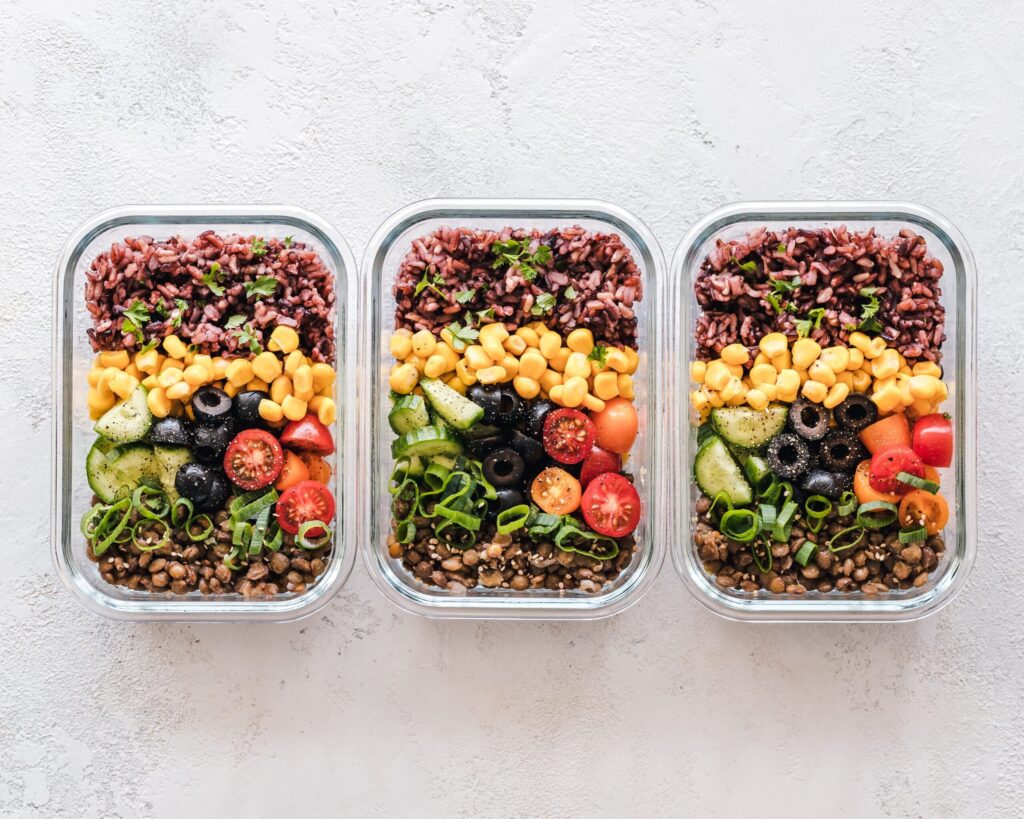
Managing your weight and maintaining a healthy lifestyle is not as tricky as it seems – the secret is in portion control. With so many conflicting diet trends and abnormal snack, restaurant, and convenience food servings, it is hard to know exactly how much you should be eating.
Portion control is a simple task once you understand the basics, allowing you to enjoy food without being overwhelmed. Here is an ultimate guide to breaking down everything about portion control and how much you should really be eating!
What Is Proper Portion Control and Why Is It Important?
Portion control is a fundamental part of nutrition and healthy eating. It means you understand and manage the amount of food you eat in one sitting or throughout a day. This is one of the best practices you can learn in life when it comes to nutrition. It is not essential only for those who want to lose or maintain weight but for anyone looking to boost their overall health.
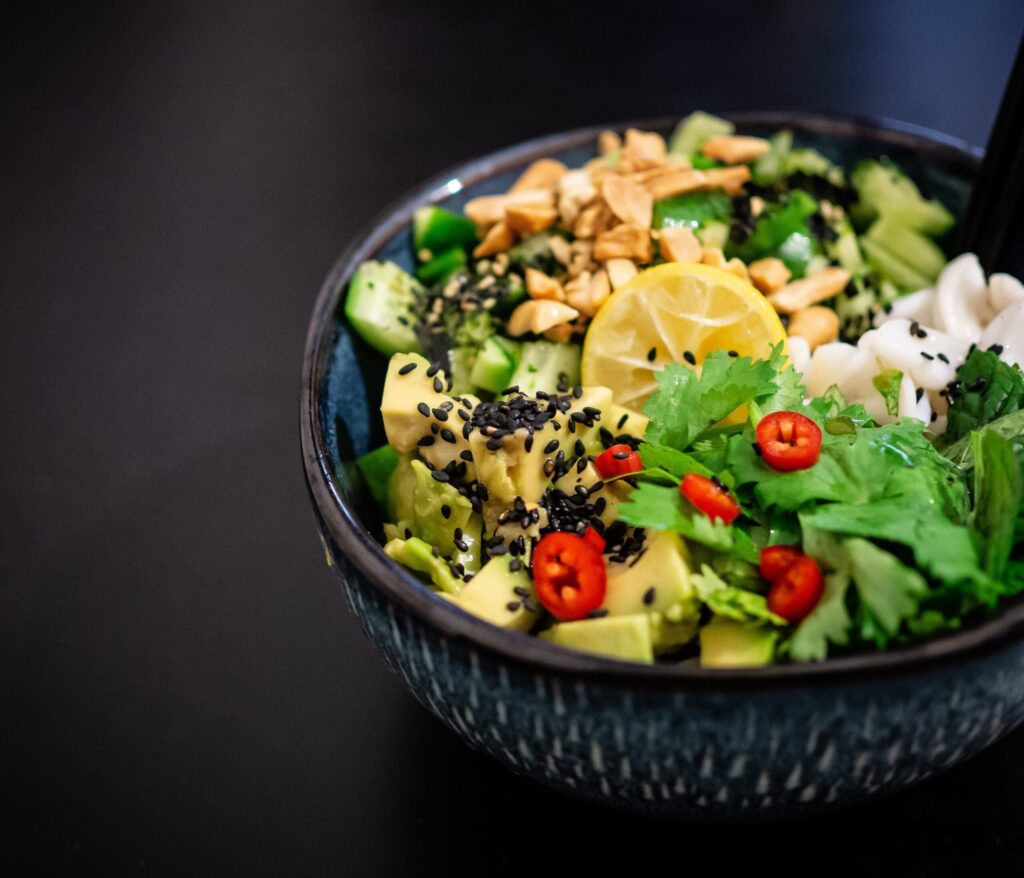
First things first, you need to differentiate portion and serving size. The first one is the amount of food you choose to eat at a time, whether it’s a small snack or a large meal, while the second one is a standard measurement of food. For instance, a serving size of rice is ½ cup, but your portion can be 1 cup.
Over time, portion sizes, especially in restaurants and packaged foods, have blown up. This phenomenon is known as portion distortion, which definitely messes up the perception of the normal amount of food. It usually leads to overeating, so it is important to know your limits.
Importance of Portion Control
Nutritional Balance: Portion control is an effective practice that ensures you consume a balanced diet by preventing over-consumption of one food group at the expense of others. For instance, if your portion of protein is too large, it might crowd out vegetables and whole grains from your meal.
What’s more, proper portion control allows you to enjoy a wide range of food but in moderation. That way, you will get all the essential nutrients your body needs without overloading it.
Blood Sugar Control: As you already know, large portions of foods, especially carbohydrate-rich kinds, provoke blood sugar spikes. This is particularly concerning for people with diabetes or insulin resistance. However, correct portion control will help you keep your blood sugar levels stable by moderating the intake of carbs.
Digestive Health: Eating large portions will inevitably overwhelm the digestive system. It often triggers issues like bloating, indigestion, or heartburn. Rather, choose smaller, controlled portions that your body digest effortlessly.
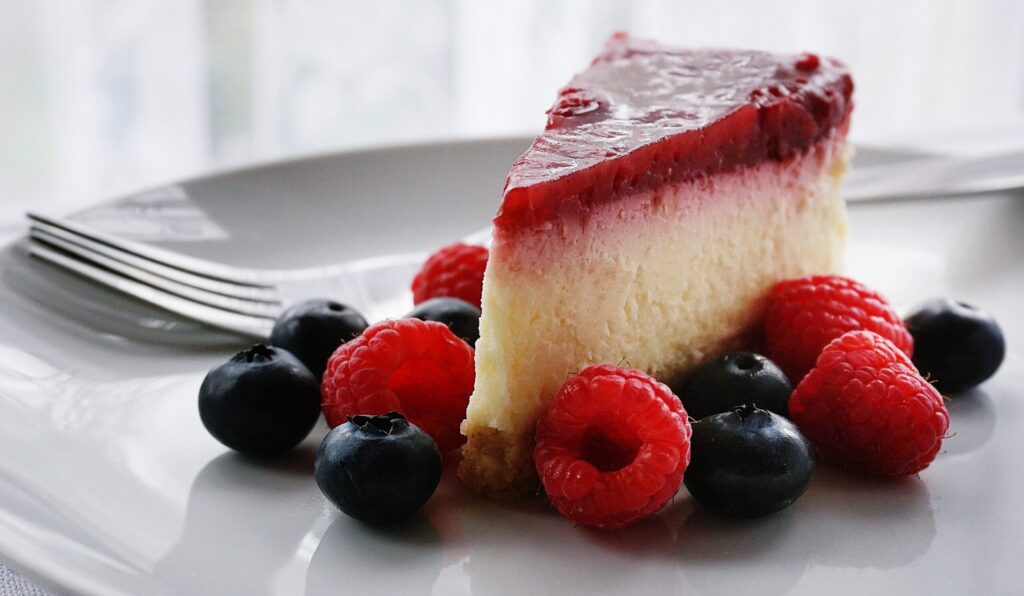
*Disclaimer: These are just average calculations that don’t suit everyone’s goals and lifestyle. For the best results, alter everything according to your needs. The calories you need depend on age, activity level, working schedules, and many more. When it comes to sweets, everyone should consume them sparingly, not exceeding 100-150 calories per day (e.g., a small piece of chocolate, one small cookie, ½ cup of ice cream).
Portion Control for Women
On average, women need about 1,800 to 2,400 calories per day to maintain their weight.
- Fruits and Vegetables: at least 5 servings combined
- Grains: 5-6 servings
- Protein: 5-6.5 ounces
- Dairy: 3 servings
- Fats: 5-7 teaspoons
*Pregnant, breastfeeding, and women in menopause have special treatment and higher nutritional needs!
Portion Control for Men
On average, men need about 2,200 to 3,000 calories per day to maintain their weight.
- Fruits and Vegetables: 5-9 servings combined
- Grains: 6-8 servings
- Protein: 6-7 ounces
- Dairy: 3 servings
- Fats: 6-8 teaspoons
Portion Control for Children
Children have different nutrition and caloric needs depending on growth:
toddlers: 1,000-1,400 kcal/day
preschoolers: 1,200-1,600 kcal/day
school-age children: 1,400-2,000 kcal/day
teens: 1,800-2,600 kcal/day
- Fruits and Vegetables: 1-2 cups of fruit and 1-3 cups of vegetables
- Grains: 3-7 ounces
- Protein: 2-6.5 ounces
- Dairy: 2-3 cups
- Fats: use sparingly
Portion Control for Diabetics
- Carbohydrates: 40-60 grams per meal
- Protein: 5-7 ounces per day
- Dairy: 2-3 servings per day
- Fats: 55-80 grams a day
Portion Control for Weight Loss
At its core, weight management revolves around the balance between calories consumed and calories burned. It is easy to forget that even healthy foods have calories, and consuming them in large quantities results in weight gain. For instance, nuts are incredibly nutritious but also calorie-dense, meaning just a handful can pack loads of calories.
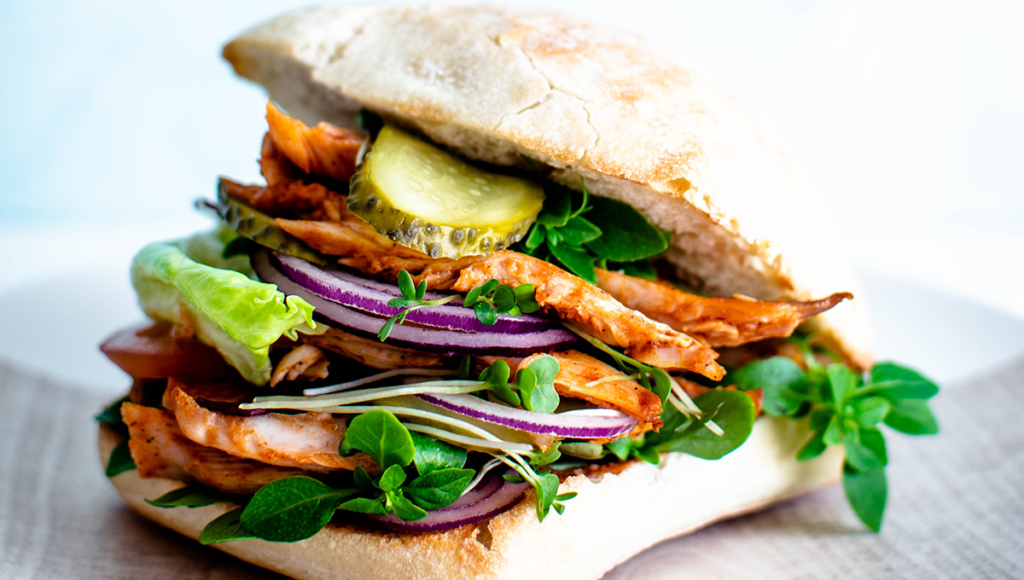
Portion control is a terrific method for limiting the number of calories you consume without drastically altering your diet. By eating smaller portions, you naturally consume fewer calories, making it uncomplicated to reach a calorie deficit essential for weight loss.
On a more important note, portion control is the most sustainable approach to eating that doesn’t require eliminating any foods. So, instead of restrictive diets, go for portion control to allow yourself a variety of foods. Eating everything in moderation makes it easier to stick to a weight loss plan in the long run.
Tips on How to Portion Control Meals
Diets usually require tons of rules and lists of allowed and forbidden foods, but portion control is nothing like that. There are just a few simple things that will help you achieve your goals:
Use Smaller Plates and Bowls
Visual cues are a big thing to consider! There are even several researches that show that using smaller-scale plates and bowls helps you eat less without feeling deprived. A full small plate actually gives an impression of a larger portion than a partially full large plate. This simple hack will trick your brain into thinking you ate a huge portion, leaving you satisfied with less food.
Measure Your Portions
If you’re only learning to listen to your body, using kitchen tools will save you! Utilize measuring cups, spoons, and a food scale to accurately weigh your portions, making sure you’re eating the recommended amounts. Here is an example: a serving of cooked pasta is typically ½ cup, which can be much smaller than what you’re used to eating. Of course, you are free to adjust that to your needs and dietary goals!
Practice Mindful Eating
Paying full attention to the experience of eating and drinking will skyrocket your hunger and fullness sensitivity. This will definitely help you to recognize those cues right in time so you can stop eating when you’re satisfied, not when you’re uncomfortably full. To achieve this, you have to eat slowly so your brain has time to catch up with your stomach.
By doing so, you will give yourself a better chance to realize when you’re full before you overeat. This can be as simple as putting your fork down between bites and chewing thoroughly; as you can see, nothing tricky.
Pre-Portion Your Snacks
Mindless snacking while watching television or scrolling on the internet is hard to control, and you will most likely end up eating a huge portion without even releasing it. So, instead of eating snacks straight from the packaging, pre-portion them into smaller, individual servings. For example, ditch the habit of eating chips from a large bag but place a single serving in a small bowl.
Be Aware of Restaurant Portions
As said above, restaurant portions are usually much larger than you need. Of course, this doesn’t mean you can’t have a full dining experience without overstuffing; just change a few small things. For instance, share an entrée and dessert with a friend or pack up the rest of your portion to take home. Also, some meals definitely don’t call for a side, so make sure to read the menu properly.
Plate Method
Divide your plate into three parts:
half the plate for non-starchy vegetables (leafy greens, broccoli, carrots)
¼ of the plate for lean protein (chicken, tofu, fish, legumes)
¼ of the plate for whole grains or starchy vegetables
Divide Food Groups
When speaking about fruit and vegetables, aim for 1-2 cups of fruit plus 2-3 cups of veggies per day. At each meal, fill half of your plate with vegetables and opt for whole fruits over fruit juices and smoothies whenever you can to preserve fiber.
When serving cooked grains, go for approximately a small fist-sized portion. That is equivalent to a slice of bread, ½ cup of cooked rice, pasta, or cereal, for example. To get the maximum nutrients, opt for whole grains like brown rice, quinoa, or whole-wheat pasta.
Use a palm of your hand as a guide for protein portions, which is about 3 ounces of cooked meat, poultry, or fish, or ½ cup of cooked beans. Of course, balance your animal protein with plant-based proteins, like lentils, beans, and tofu, to add variety and fiber.
Be very mindful of dairy portions, as well, especially cheese, which is often calorie-dense. Use more plant milk in your cooking and choose Greek yogurt over regular. The recommended daily intake of dairy is 3 cups, which may seem a lot, but that is actually about one slice of cheddar or a cup of milk/yogurt.
Fats are prime for health but super calorie-dense, so keep the portions small. You don’t need more than 5-7 teaspoons of oil per day, so make sure to measure while cooking instead of pouring freely.