When it comes to strength training, two disciplines often stand out: powerlifting and bodybuilding. Both have their unique sets of benefits, methodologies, and goals. However, determining which is right for you depends on your specific objectives, your body type, and the kind of fitness journey you’re embarking on. In this article, we will explore the differences, the science behind each approach, and which might suit your needs better.
What is Powerlifting?
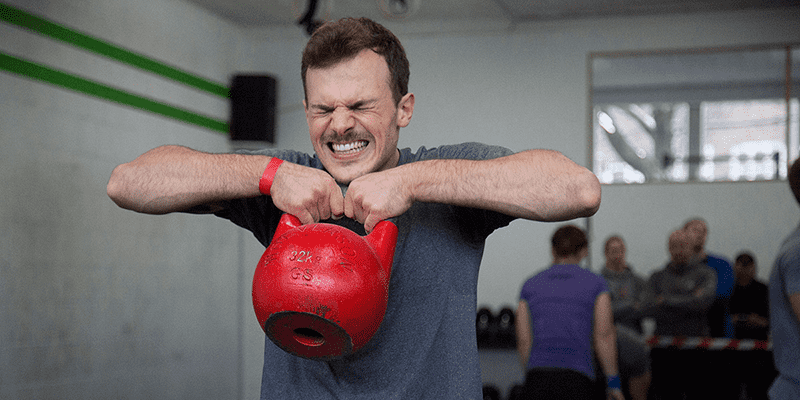
Powerlifting is a strength-based sport that focuses on three core lifts: the squat, the deadlift, and the bench press. The goal is to lift as much weight as possible for a single repetition in each of these movements. Unlike bodybuilding, which is largely focused on aesthetics, powerlifting is performance-driven.
A key factor in powerlifting is the development of maximal strength, which is measured by your one-rep max (1RM)—the maximum amount of weight you can lift for a single repetition. Training in powerlifting is typically structured around cycles of volume (higher repetitions) and intensity (heavier weights), to peak strength performance over time.
Scientific Basis of Powerlifting
Research shows that training with heavier weights and lower repetitions, as is typical in powerlifting, leads to greater improvements in maximal strength (Cormie, McCaulley, & McBride, 2007). This form of training emphasises neuromuscular adaptations, such as motor unit recruitment and firing rates, rather than hypertrophy, or muscle growth, which is more associated with bodybuilding.
A study published in the Journal of Strength and Conditioning Research by Schoenfeld et al. (2014) concluded that lower repetition ranges (around 1-5 reps) are optimal for strength gains, as they stress the neuromuscular system more than moderate or high repetitions. This makes powerlifting ideal for those who want to increase their raw strength without necessarily gaining a lot of muscle mass.
What is Bodybuilding?
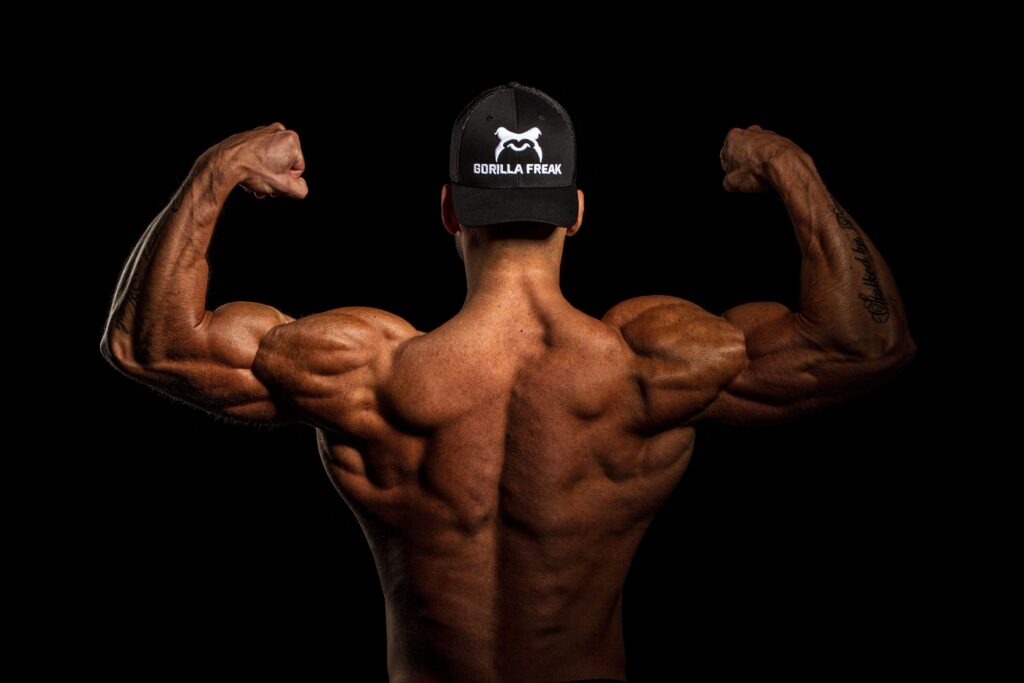
Bodybuilding, on the other hand, focuses primarily on muscle hypertrophy—the increase in the size of skeletal muscle through a growth in the size of its component cells. The goal of bodybuilding is to develop a symmetrical, proportionate physique, with muscle definition and size being key indicators of success.
Bodybuilders typically work with moderate weights and higher repetitions (8-12 reps per set), which are optimal for hypertrophy. They focus on isolation exercises to target specific muscle groups and often use techniques such as drop sets and supersets to push muscles beyond fatigue.
Scientific Basis of Bodybuilding
A study by Schoenfeld (2010) found that a range of 6-12 reps at 70-85% of 1RM maximises hypertrophy by creating greater muscle fibre recruitment and time under tension. Additionally, a systematic review by Krieger (2010) confirmed that training with moderate repetition ranges leads to significant hypertrophy due to the metabolic stress and mechanical tension placed on the muscles during exercise.
Bodybuilding also incorporates a higher degree of volume compared to powerlifting, which has been shown to correlate with greater muscle growth (Wernbom et al., 2007). The greater the total workload (sets x reps x weight), the more potential there is for hypertrophy, making bodybuilding a superior option for those focused on muscle size and aesthetic appearance.
Differences in Training Methodology
Powerlifting Training
Powerlifting training revolves around specificity and progressive overload. Specificity refers to the fact that powerlifters only compete in three movements, so their training is highly focused on mastering these lifts. The principle of progressive overload—gradually increasing the weight, frequency, or number of repetitions in your training—is fundamental to powerlifting success. Powerlifters also incorporate accessory lifts to strengthen weak points, but the bulk of their training is centred around the squat, deadlift, and bench press.
Powerlifters tend to use low repetitions (1-5 reps) and long rest periods (2-5 minutes) between sets to allow for maximal recovery and strength output. This is supported by research from Haff et al. (2008), which found that rest periods of 3-5 minutes optimise strength gains by allowing for full phosphagen system recovery, the primary energy system used in heavy, short-duration lifting.
Bodybuilding Training
In contrast, bodybuilding training is more diverse. While compound lifts like squats and deadlifts are still crucial, bodybuilders place a heavy emphasis on isolation exercises (e.g., bicep curls, leg extensions) to target specific muscle groups. Training is split into muscle group-focused days, with most bodybuilders following a “bro split,” working one or two muscle groups per session.
Bodybuilders typically use moderate weights with higher repetitions (8-12 reps), shorter rest periods (30-90 seconds), and multiple sets (3-5 or more) per exercise. A study by Schoenfeld et al. (2016) found that shorter rest periods and greater time under tension increase the metabolic stress on muscles, which in turn stimulates muscle growth.
Another important aspect of bodybuilding is the inclusion of advanced training techniques like supersets, drop sets, and pyramids, all designed to push muscles to fatigue, which is a key driver of hypertrophy.
Nutrition: Fueling Powerlifting vs. Bodybuilding

Powerlifting Nutrition
Nutrition in powerlifting is focused on performance, with an emphasis on maintaining strength and muscle mass without accumulating excessive body fat. Powerlifters typically consume a higher calorie intake, with an emphasis on protein to support muscle repair and carbohydrates to fuel intense training sessions. Fat intake is usually moderate, as too much fat can interfere with performance.
Research supports the role of carbohydrates in athletic performance. According to a study by Ivy and Portman (2004), consuming carbohydrates before and after workouts enhances glycogen stores, improving performance and recovery. Protein intake is also crucial, as it supports muscle recovery. A study by Tipton et al. (2007) recommends around 1.6-2.2 grams of protein per kilogram of body weight for athletes engaged in intense strength training, such as powerlifters.
Bodybuilding Nutrition
Bodybuilding nutrition is more focused on body composition—building muscle while minimising fat. Bodybuilders often go through “bulking” and “cutting” phases, where they increase calories to gain muscle and then reduce calories to lose fat while retaining muscle mass.
Protein intake is even more critical for bodybuilders, as they aim for maximal muscle growth. Research by Phillips and Van Loon (2011) suggests that consuming up to 2.2 grams of protein per kilogram of body weight per day is optimal for individuals focused on muscle hypertrophy. Additionally, timing of protein intake is important. A study by Schoenfeld et al. (2013) indicates that consuming protein both pre- and post-workout maximises muscle protein synthesis.
Carbohydrates are also essential for energy during high-volume workouts, but bodybuilders are more likely to adjust their carb intake depending on their phase of training. During cutting phases, bodybuilders often reduce carbs to promote fat loss, while in bulking phases, they increase carbs to support muscle growth.
Which is Better for Fat Loss?
If your primary goal is fat loss, bodybuilding might offer an advantage due to its higher volume and use of isolation exercises, which burn more calories during a session. A study published in Obesity by Willis et al. (2012) suggests that resistance training, combined with a calorie deficit, is highly effective for fat loss. Bodybuilders often combine their weight training with cardiovascular exercises, further enhancing fat loss.
On the other hand, powerlifting, despite being lower in volume, still contributes to fat loss due to the high intensity of the lifts. Compound lifts like deadlifts and squats engage large muscle groups, increasing total energy expenditure. However, powerlifters may not burn as many calories during a workout compared to bodybuilders.
Strength vs. Aesthetics
Ultimately, the choice between powerlifting and bodybuilding boils down to your personal goals. If you are looking to gain strength, powerlifting is likely the better option. The low-rep, high-intensity training maximises neuromuscular adaptations that lead to greater strength increases. A study by Suchomel et al. (2018) found that powerlifting significantly improves absolute strength, particularly in the lower body.
On the other hand, if aesthetics and muscle size are your main goals, bodybuilding is the clear choice. The combination of moderate weights, higher reps, and a focus on hypertrophy-specific exercises leads to muscle growth and definition. A systematic review by Schoenfeld (2016) concluded that bodybuilding protocols with higher volumes and moderate intensity were optimal for hypertrophy.
Joint Health and Injury Risks
Both powerlifting and bodybuilding come with risks, particularly if performed without proper form or guidance. Powerlifting, due to its emphasis on heavy weights, may pose a higher risk of acute injuries, such as muscle strains or joint issues. A study by Keogh and Winwood (2017) reported that powerlifters are more prone to joint-related injuries, particularly in the shoulders, lower back, and knees.
Bodybuilding, while typically involving lighter weights, is not without its risks. The repetitive nature of isolation exercises can lead to overuse injuries, particularly in smaller muscle groups. A study by Wanke et al. (2011) found that bodybuilders are more prone to tendinitis and other overuse injuries due to the high volume of training.
However, with proper warm-up, technique, and recovery, both disciplines can be performed safely. The key is gradual progression and attention to form, particularly when lifting heavy in powerlifting or doing high-volume training in bodybuilding.
Mental Benefits
Both powerlifting and bodybuilding offer mental health benefits, though they differ slightly in how they impact psychological well-being. Powerlifting’s focus on setting and achieving tangible strength goals can increase confidence and self-esteem. A study by Ryon et al. (2019) found that strength training, particularly with a performance focus, is associated with increased psychological resilience and reduced anxiety.
Bodybuilding, due to its emphasis on aesthetics, may lead to increased body satisfaction and self-esteem when done with a healthy mindset. However, it’s also important to note that bodybuilding can sometimes lead to body image issues or disordered eating habits. A study by Pickett et al. (2005) highlighted the potential for body dysmorphia in individuals who become overly focused on achieving a certain physique.
Conclusion: Which Should You Choose?
Choosing between powerlifting and bodybuilding depends on your goals. If you want to maximise strength and enjoy the challenge of lifting heavier weights, powerlifting may be the better option. The performance-driven nature of the sport provides clear, measurable goals that can be incredibly rewarding.
If aesthetics and muscle growth are your primary objectives, bodybuilding offers a more diverse and volume-intensive approach that prioritises hypertrophy. Bodybuilding’s focus on symmetry and muscle definition might appeal more to those interested in the visual aspects of fitness.
Both disciplines offer unique benefits and can even complement each other. Many athletes combine elements of powerlifting and bodybuilding, known as “powerbuilding,” to achieve a balance between strength and aesthetics. Ultimately, the best approach is the one that aligns with your personal fitness goals, interests, and lifestyle.
Table of Key Takeaways
| Aspect | Powerlifting | Bodybuilding |
|---|---|---|
| Primary Goal | Maximal strength | Muscle hypertrophy and aesthetics |
| Training Focus | Low reps (1-5), high weights, long rest periods | Moderate reps (8-12), isolation exercises, higher volume |
| Ideal for | Those seeking strength and performance | Those seeking muscle size and definition |
| Injury Risk | Higher risk of joint and acute injuries | Higher risk of overuse injuries |
| Nutrition Focus | Performance, higher calories and carbs | Muscle growth, cutting and bulking phases, high protein |
| Best for Fat Loss | Effective, but lower calorie burn during workouts | Higher volume leads to more calorie burn during workouts |
| Mental Benefits | Increased resilience and performance focus | Improved body satisfaction, potential for body image issues |
Bibliography
Cormie, P., McCaulley, G.O. & McBride, J.M., 2007. Power versus strength-power jump squat training: influence on the load-power relationship. Medicine and Science in Sports and Exercise, 39(6), pp.996-1003.
Haff, G.G., et al., 2008. The effect of different rest intervals on strength recovery in resistance-trained males. Journal of Strength and Conditioning Research, 22(2), pp.396-403.
Ivy, J.L. & Portman, R.J., 2004. The glycemic index and optimal performance. International Journal of Sports Nutrition and Exercise Metabolism, 14(4), pp.389-408.
Keogh, J.W. & Winwood, P.W., 2017. The epidemiology of injuries across the weight-training sports. Sports Medicine, 47(2), pp.327-342.
Krieger, J.W., 2010. Single vs. multiple sets of resistance exercise for muscle hypertrophy: a meta-analysis. Journal of Strength and Conditioning Research, 24(4), pp.1150-1159.
Phillips, S.M. & Van Loon, L.J.C., 2011. Dietary protein for athletes: from requirements to optimum adaptation. Journal of Sports Sciences, 29(sup1), pp.S29-S38.
Pickett, T.C., et al., 2005. Body image and disordered eating in male bodybuilders: A test of objectification theory. Body Image, 2(4), pp.395-405.
Schoenfeld, B.J., 2010. The mechanisms of muscle hypertrophy and their application to resistance training. Journal of Strength and Conditioning Research, 24(10), pp.2857-2872.
Schoenfeld, B.J., 2013. Potential mechanisms for a role of metabolic stress in hypertrophic adaptations to resistance training. Sports Medicine, 43(3), pp.179-194.
Schoenfeld, B.J., et al., 2016. Strength and hypertrophy adaptations between low- vs. high-load resistance training: A systematic review and meta-analysis. Journal of Strength and Conditioning Research, 30(8), pp.2351-2360.
Suchomel, T.J., et al., 2018. The importance of muscular strength: training considerations. Sports Medicine, 48(4), pp.765-785.
Tipton, K.D., et al., 2007. Stimulation of muscle anabolism by resistance exercise and ingestion of leucine plus protein. Journal of Applied Physiology, 103(2), pp.401-411.
Wanke, E.M., et al., 2011. Overuse and traumatic injuries of the shoulder in bodybuilders. Deutsche Zeitschrift für Sportmedizin, 62(10), pp.314-318.
Wernbom, M., Augustsson, J. & Thomeé, R., 2007. The influence of frequency, intensity, volume and mode of strength training on whole muscle cross-sectional area in humans. Sports Medicine, 37(3), pp.225-264.
Willis, L.H., et al., 2012. Effects of aerobic and/or resistance training on body mass and fat mass in overweight or obese adults. Obesity, 20(8), pp.1613-1623.