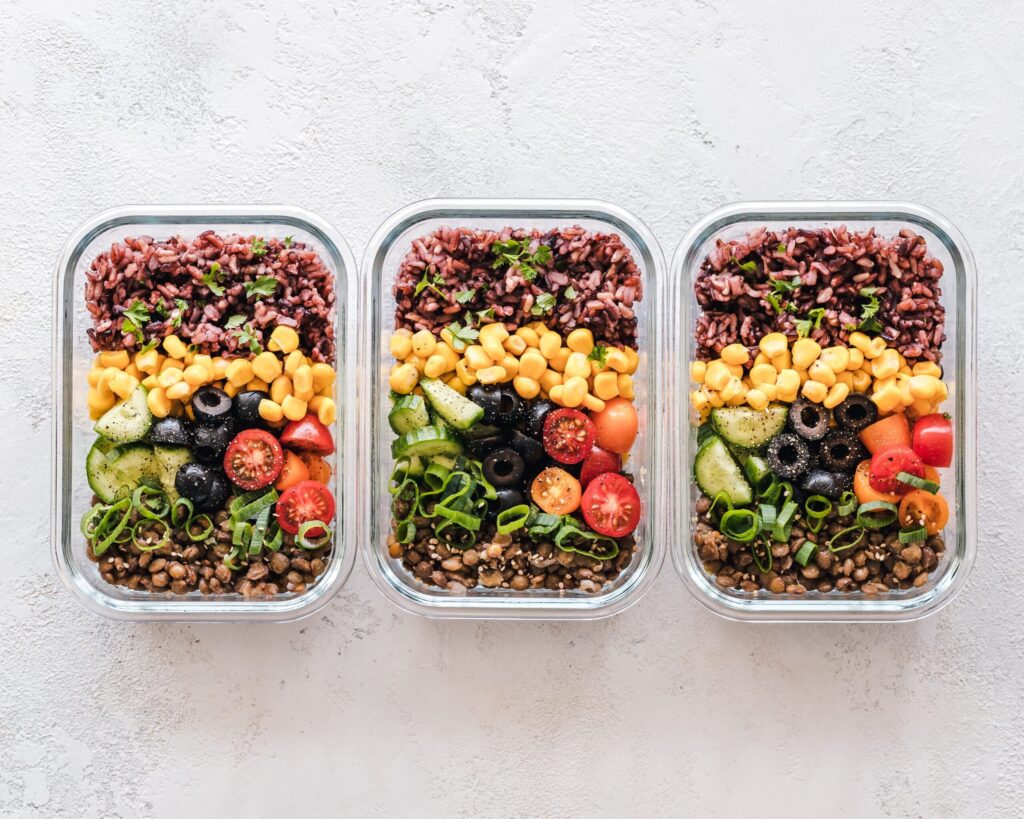
Understanding the difference between pre workout and post workout meals is critical for optimizing performance, recovery, and overall body composition. Both meals play distinct physiological roles, influencing energy levels, muscle protein synthesis, glycogen replenishment, and hormonal balance.
This article explores the latest scientific findings to determine exactly what, when, and how much to eat before and after training—based on solid evidence, not trends.
Why Nutrition Timing Matters
Nutrient timing refers to the strategic consumption of macronutrients—mainly protein, carbohydrates, and fats—before and after exercise to improve performance and recovery.
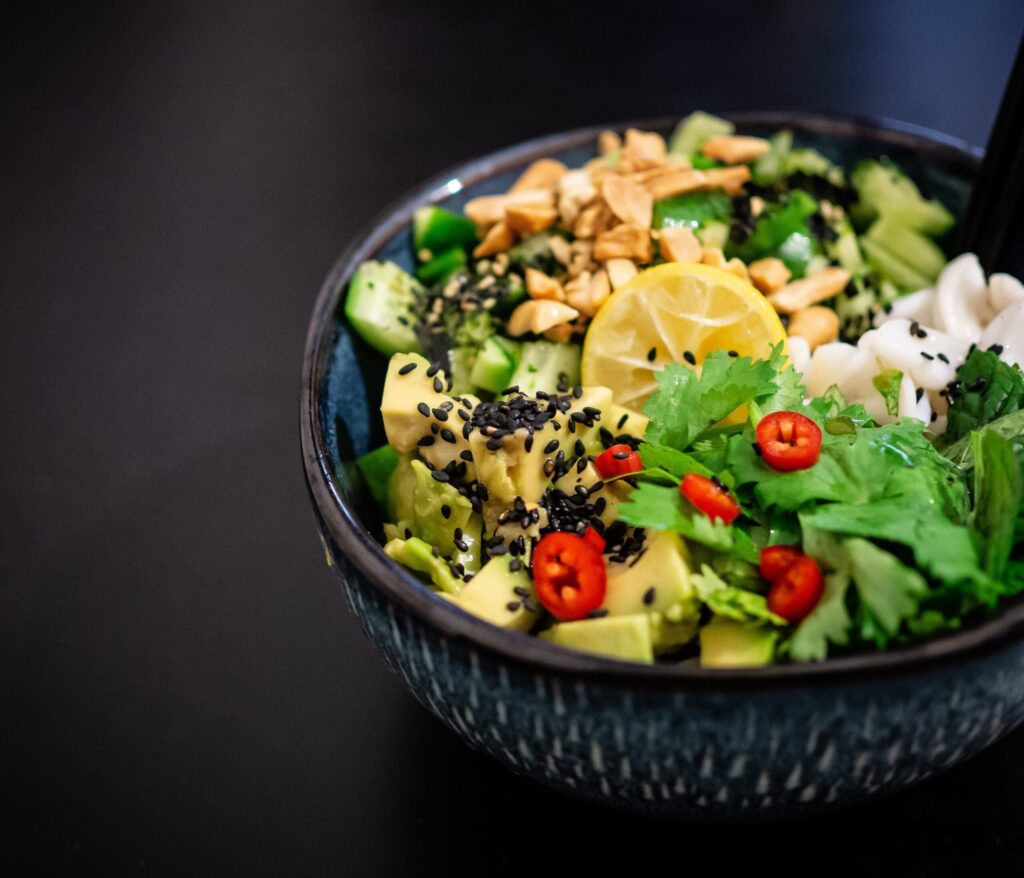
While total daily intake remains the most important factor for long-term progress, numerous studies have demonstrated that nutrient timing can enhance acute training outcomes, such as muscle protein synthesis, glycogen restoration, and subsequent training quality (Ivy & Portman, 2004; Aragon & Schoenfeld, 2013).
The Physiology of Pre Workout vs Post Workout Nutrition
Before training, the goal is to maximize energy availability and delay fatigue, while post-training nutrition focuses on repair, adaptation, and replenishment. The body’s metabolic priorities shift depending on whether it is in a pre-exercise (anabolic-priming) or post-exercise (recovery) state.
- Pre workout nutrition fuels working muscles and maintains stable blood glucose levels.
- Post workout nutrition restores depleted glycogen and provides amino acids for tissue repair.
Both windows interact with hormonal responses such as insulin, cortisol, and growth hormone—making proper timing and macronutrient selection critical for athletes and recreational lifters alike.
Pre Workout Meals: What to Eat and Why
The Goals of Pre Workout Nutrition
A well-designed pre workout meal should:
- Provide sufficient energy for the session.
- Minimize muscle protein breakdown.
- Maintain hydration and electrolyte balance.
- Enhance focus and endurance.
Timing of Pre Workout Meals
Ideally, the main pre workout meal should be consumed 2–3 hours before training, allowing digestion and absorption. A smaller snack can be added 30–60 minutes before exercise for additional fuel (Kerksick et al., 2017).
Pre Workout vs Post Workout Meals – Macronutrient Breakdown
Carbohydrates
Carbohydrates are the body’s primary source of energy during high-intensity exercise. Consuming carbohydrates before a workout maintains muscle glycogen and delays fatigue.
- Recommended intake: 1–4 g of carbohydrates per kg of body weight 1–4 hours before exercise (Thomas et al., 2016).
- Sources: Oats, rice, pasta, bananas, whole-grain bread, or sweet potatoes.
Studies show that carbohydrate ingestion before prolonged or high-intensity exercise enhances endurance and performance (Coyle et al., 1986).
Pre Workout vs Post Workout Meals – Protein
Adding protein to pre workout meals increases muscle protein synthesis (MPS) and reduces muscle breakdown during training.
- Recommended intake: 0.25–0.4 g protein per kg of body weight before training (Jäger et al., 2017).
- Sources: Eggs, chicken, fish, Greek yogurt, or whey protein.
Research indicates that pre workout protein, especially containing essential amino acids (EAAs), can elevate MPS for up to three hours post-ingestion (Tipton et al., 2001).
Pre Workout vs Post Workout Meals – Fats
Dietary fats slow gastric emptying and can be beneficial for endurance sessions but may impair performance in shorter, high-intensity workouts.
- Recommended intake: Moderate (10–20% of pre workout calories), focusing on unsaturated fats.
- Sources: Nuts, avocados, olive oil, or chia seeds.
Example Pre Workout Meals
- 3 hours before: Brown rice, grilled chicken, and vegetables.
- 1 hour before: Greek yogurt with berries and honey.
- 30 minutes before: Banana with a small whey protein shake.
Post Workout Meals: What to Eat and Why
The Goals of Post Workout Nutrition
After training, the body is in a state of heightened nutrient sensitivity—muscles are primed to absorb glucose and amino acids to repair and rebuild tissue.
The main objectives are:
- Replenish glycogen stores.
- Repair muscle damage.
- Stimulate protein synthesis.
- Rehydrate and restore electrolytes.
Timing of Post Workout Meals
Contrary to the old “anabolic window” myth, new evidence shows the window for optimal recovery is up to several hours post-training, depending on prior meal timing (Schoenfeld et al., 2013). However, consuming a balanced meal within 1–2 hours after exercise remains ideal for maximizing adaptation.
Pre Workout vs Post Workout Meals – Macronutrient Breakdown
Protein
Post workout protein provides amino acids necessary for rebuilding muscle tissue and stimulating MPS.
- Recommended intake: 0.25–0.4 g/kg body weight, with at least 20–40 g high-quality protein.
- Sources: Whey protein, eggs, lean meats, dairy, or soy protein.
Leucine-rich proteins are particularly effective at stimulating MPS via the mTOR pathway (Phillips, 2014).
Carbohydrates
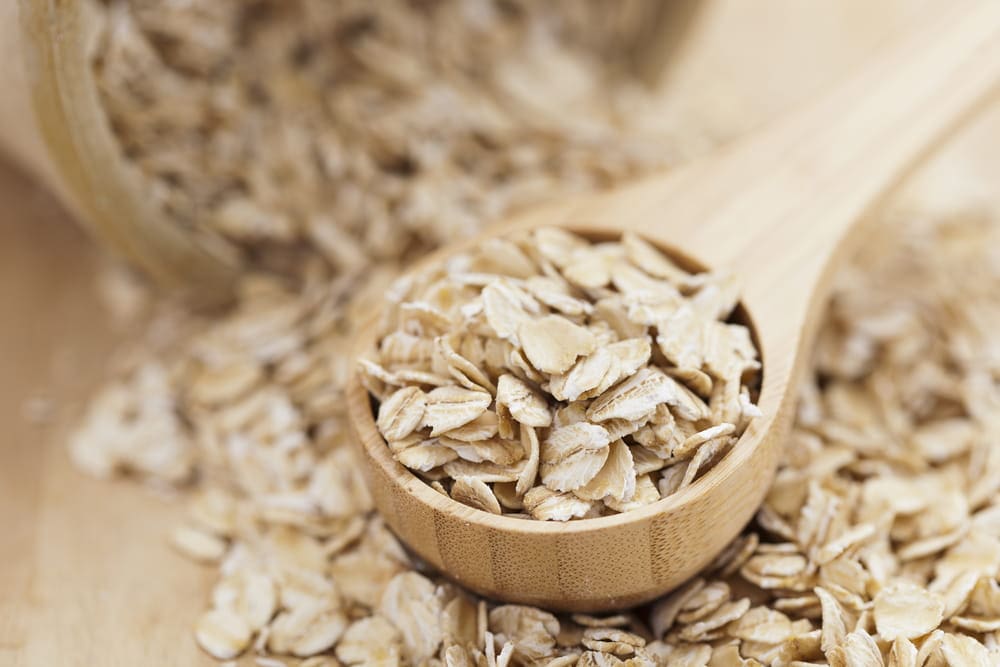
Carbohydrates post training restore glycogen depleted during exercise. The rate of glycogen synthesis is highest within the first few hours post-exercise (Ivy et al., 1988).
- Recommended intake: 1–1.2 g/kg body weight during the first four hours post-exercise (Burke et al., 2011).
- Combining carbs with protein in a 3:1 or 4:1 ratio enhances glycogen re-synthesis and recovery (Zawadzki et al., 1992).
Pre Workout vs Post Workout – Fats
While fats are less critical immediately after exercise, moderate amounts do not impair recovery and can support hormonal function.
- Recommended intake: Moderate (10–20% of post workout calories).
- Sources: Whole eggs, nuts, olive oil.
Example Post Workout Meals
- Immediately after training: Whey protein shake with banana.
- 1 hour later: Salmon, quinoa, and steamed vegetables.
- 2 hours after intense session: Chicken breast, sweet potato, and avocado.
The Role of Hydration and Electrolytes
Hydration is essential for optimal training and recovery. Even 2% dehydration can impair performance and increase perceived exertion (Sawka et al., 2007). During prolonged or high-sweat sessions, electrolyte replacement—especially sodium and potassium—is crucial.
- Recommendation: Drink 1.5 L of fluid for every kg of body weight lost during exercise (Casa et al., 2000).
- Sources: Coconut water, electrolyte powders, or sports drinks containing 300–700 mg sodium/L.
Pre Workout vs Post Workout Meals: Key Differences
| Nutrient Focus | Pre Workout | Post Workout |
|---|---|---|
| Primary Goal | Energy and endurance | Recovery and repair |
| Protein | 0.25–0.4 g/kg | 0.25–0.4 g/kg |
| Carbohydrates | 1–4 g/kg | 1–1.2 g/kg |
| Fats | Low to moderate | Moderate |
| Timing | 1–3 hours before | Within 1–2 hours after |
| Hydration | Maintain | Replenish |
| Supplements | Caffeine, creatine, beta-alanine | Whey, creatine, electrolytes |
Supplements That Support Pre and Post Workout Nutrition
Caffeine
A proven ergogenic aid, caffeine enhances endurance, strength, and cognitive focus. Optimal dose: 3–6 mg/kg, consumed 30–60 minutes before exercise (Spriet, 2014).
Pre Workout vs Post Workout – Creatine Monohydrate
Creatine increases phosphocreatine stores, improving power output and lean mass gains. Daily intake: 3–5 g/day, timing flexible but often taken post workout for convenience (Cooper et al., 2012).
Beta-Alanine
Improves muscular endurance by buffering acid accumulation. Effective dose: 2–5 g/day, split throughout the day (Hobson et al., 2012).
Pre Workout vs Post Workout – Whey Protein
Rapidly absorbed and leucine-rich, making it ideal for both pre and post workout use to maximize MPS (Phillips, 2014).
Training Type Considerations
Strength Training
Resistance training causes microtears in muscle fibers, making protein intake crucial post workout. A pre workout carbohydrate source may improve training volume, while post workout carbs and protein optimize recovery.
Pre Workout vs Post Workout – Endurance Training
Long-duration exercise depletes glycogen stores. Emphasis should be on high carbohydrate intake before and after to sustain performance and accelerate recovery.
High-Intensity Interval Training (HIIT)
HIIT relies heavily on glycogen and causes high metabolic stress. Combining pre workout carbohydrates with post workout protein-carbohydrate meals maximizes adaptations.
Common Myths About Pre and Post Workout Meals
Myth 1: The “Anabolic Window” Is Only 30 Minutes
Modern evidence shows that MPS remains elevated for hours post exercise, and total protein intake across the day matters more (Schoenfeld et al., 2013).
Myth 2: Fasted Training Burns More Fat
While fasted cardio may increase fat oxidation, total fat loss depends on energy balance. Training fasted can reduce performance and muscle retention in strength athletes (Hackett & Hagstrom, 2020).
Myth 3: Fats Should Be Avoided After Workouts
Moderate fat intake does not hinder glycogen replenishment or MPS when protein and carbs are sufficient (Elliott et al., 2006).
Practical Application for Different Goals
Muscle Gain
- Pre workout: Protein and carbs to support intensity.
- Post workout: High-quality protein with carbs to trigger growth.
- Example: Chicken, rice, and vegetables before; whey shake and oatmeal after.
Fat Loss
- Pre workout: Protein with minimal carbs to enhance fat oxidation.
- Post workout: Moderate carbs and protein to preserve lean mass.
- Example: Greek yogurt before; fish and vegetables after.
Endurance Performance
- Pre workout: High carb, moderate protein.
- Post workout: Carbs with electrolytes and protein to restore glycogen.
- Example: Pasta with tuna pre; recovery smoothie post.
Summary: The Science Behind Pre vs Post Workout Nutrition
Both pre workout and post workout meals are vital for performance and recovery, but their purposes differ:
- Pre workout meals prepare the body for exertion.
- Post workout meals rebuild what training breaks down.
Ignoring either side limits results. A science-based approach—tailoring macronutrient ratios, timing, and hydration—ensures optimal adaptations, regardless of training style or goal.
Key Takeaways
| Key Aspect | Pre Workout | Post Workout |
|---|---|---|
| Purpose | Fuel performance | Enhance recovery |
| Best Timing | 1–3 hours before | Within 1–2 hours after |
| Protein | 0.25–0.4 g/kg | 0.25–0.4 g/kg |
| Carbohydrates | 1–4 g/kg | 1–1.2 g/kg |
| Fats | Low to moderate | Moderate |
| Hydration | Maintain fluids | Replace lost fluids |
| Supplements | Caffeine, beta-alanine, creatine | Whey, creatine, electrolytes |
| Importance | High for energy and endurance | High for repair and adaptation |
References
- Aragon, A. and Schoenfeld, B. (2013). Nutrient timing revisited: is there a post-exercise anabolic window? Journal of the International Society of Sports Nutrition, 10(5), pp.1–11.
- Burke, L.M., van Loon, L.J.C. and Hawley, J.A. (2011). Postexercise muscle glycogen resynthesis in humans. Journal of Applied Physiology, 122(2), pp.105–119.
- Casa, D.J. et al. (2000). National Athletic Trainers’ Association position statement: Fluid replacement for athletes. Journal of Athletic Training, 35(2), pp.212–224.
- Cooper, R. et al. (2012). Creatine supplementation with specific view to exercise/sports performance. Journal of the International Society of Sports Nutrition, 9(33), pp.1–11.
- Coyle, E.F. et al. (1986). Muscle glycogen utilization during prolonged strenuous exercise when fed carbohydrate. Journal of Applied Physiology, 61(1), pp.165–172.
- Elliott, T.A. et al. (2006). Milk ingestion stimulates net muscle protein synthesis following resistance exercise. American Journal of Clinical Nutrition, 83(5), pp.1031–1040.
- Hackett, D.A. and Hagstrom, A.D. (2020). Effect of fasted vs fed-state resistance training on performance and body composition. Journal of Functional Morphology and Kinesiology, 5(4), 83.
- Hobson, R.M. et al. (2012). Effects of beta-alanine supplementation on exercise performance. Amino Acids, 43(1), pp.25–37.
- Ivy, J.L. et al. (1988). Muscle glycogen synthesis after exercise: effect of time of carbohydrate ingestion. Journal of Applied Physiology, 64(4), pp.1480–1485.
- Ivy, J.L. and Portman, R. (2004). Nutrient Timing: The Future of Sports Nutrition. North Bergen, NJ: Basic Health Publications.
- Jäger, R. et al. (2017). International Society of Sports Nutrition Position Stand: protein and exercise. Journal of the International Society of Sports Nutrition, 14(20), pp.1–25.
- Kerksick, C.M. et al. (2017). ISSN exercise & sport nutrition review update: research & recommendations. Journal of the International Society of Sports Nutrition, 15(38), pp.1–57.
- Phillips, S.M. (2014). A brief review of critical processes in exercise-induced muscular hypertrophy. Sports Medicine, 44(Suppl 1), pp.S71–S77.
- Sawka, M.N. et al. (2007). American College of Sports Medicine position stand: Exercise and fluid replacement. Medicine & Science in Sports & Exercise, 39(2), pp.377–390.
- Schoenfeld, B.J. et al. (2013). Timing of postexercise protein intake is critical for muscle hypertrophy. Journal of the International Society of Sports Nutrition, 10(1), pp.1–12.
- Spriet, L.L. (2014). Exercise and sport performance with low doses of caffeine. Sports Medicine, 44(Suppl 2), pp.S175–S184.
- Thomas, D.T., Erdman, K.A. and Burke, L.M. (2016). Position of the Academy of Nutrition and Dietetics: Nutrition and athletic performance. Journal of the Academy of Nutrition and Dietetics, 116(3), pp.501–528.
- Tipton, K.D. et al. (2001). Timing of amino acid-carbohydrate ingestion alters anabolic response of muscle to resistance exercise. American Journal of Physiology-Endocrinology and Metabolism, 281(2), pp.E197–E206.
- Zawadzki, K.M., Yaspelkis, B.B. and Ivy, J.L. (1992). Carbohydrate-protein complex increases the rate of muscle glycogen storage after exercise. Journal of Applied Physiology, 72(5), pp.1854–1859.