Understanding the optimal rest times between sets is crucial for anyone aiming to maximise muscle hypertrophy. Recent research, including a meta-analysis by Dr. Milo Wolf, sheds light on the ideal rest durations to enhance muscle growth effectively.
Dr Milo Wolf shares his invaluable knowledge on a YouTube channel ranging from hypertrophy and strength training to losing fat. The information for this article is based on his meta-analysis and conversation with another heavy weight in the bodybuilding community: Mike Israetel.
Dr Mike Israetel, PhD in Sport Physiology and co-founder of Renaissance Periodization, is a well-respected professor in the bodybuilding community. He doesn’t only talk about workouts and fitness tips, he often dives deep into health and nutrition.
Dr. Milo Wolf discussed the findings of a comprehensive meta-analysis involving nine studies. These studies explored the impact of different rest intervals on muscle hypertrophy, providing valuable insights for fitness enthusiasts.
So let’s see why resting too long is killing your muscle gains, as analysed by Wolf.
Resting Too Long Is Killing Your Muscle Gains
Dr. Milo Wolf’s meta-analysis on rest times and hypertrophy uncovered several critical insights into how different rest intervals impact muscle growth. The studies reviewed included a variety of muscle groups, such as lower body, arms, and whole body assessments, allowing for a comprehensive understanding of rest times’ effects.
Rest Time Categories and Results
- Short Rest Times (Under 60 Seconds):
- This rest duration was found to reduce hypertrophy. The limited recovery time likely does not allow muscles to sufficiently recuperate, thus diminishing the growth stimulus.
- Intermediate Rest Times (60 to 120 Seconds):
- The optimal hypertrophy results were observed with rest periods within this range. Specifically, resting for 1 to 2 minutes between sets significantly enhanced muscle growth. This duration strikes a balance between sufficient recovery and maintaining the intensity of the workout.

- Long Rest Times (2 to 3 Minutes):
- While still effective for hypertrophy, the benefits of resting this long were slightly less pronounced than the 1 to 2-minute range. The data suggested that going beyond 2 minutes did not offer additional benefits and might even result in marginally reduced hypertrophy.
- Very Long Rest Times (Over 3 Minutes):
- Rest periods extending beyond 3 minutes generally showed a decrease in hypertrophy. This might be due to the excessive recovery time reducing the workout’s overall intensity and the mechanical tension applied to the muscles.
The conclusion is that most significant hypertrophy occurs with 1 to 2-minute rest intervals.
Resting for less than 60 seconds is likely to hinder muscle development, and resting for more than 2 minutes does not provide additional benefits and might slightly reduce growth.
Related: 5 Ways to Make Your Workout More Effective
Practical Application of Rest Times
Implementing the optimal rest times in your workout routine can significantly enhance muscle hypertrophy. Here are some practical steps and tips to help you incorporate these findings effectively:
- Use a Timer:
- Consistently monitor your rest intervals using a stopwatch or a timer. This ensures you stay within the recommended 1 to 2-minute rest periods, maximising muscle growth.
- Exercise-Specific Adjustments:
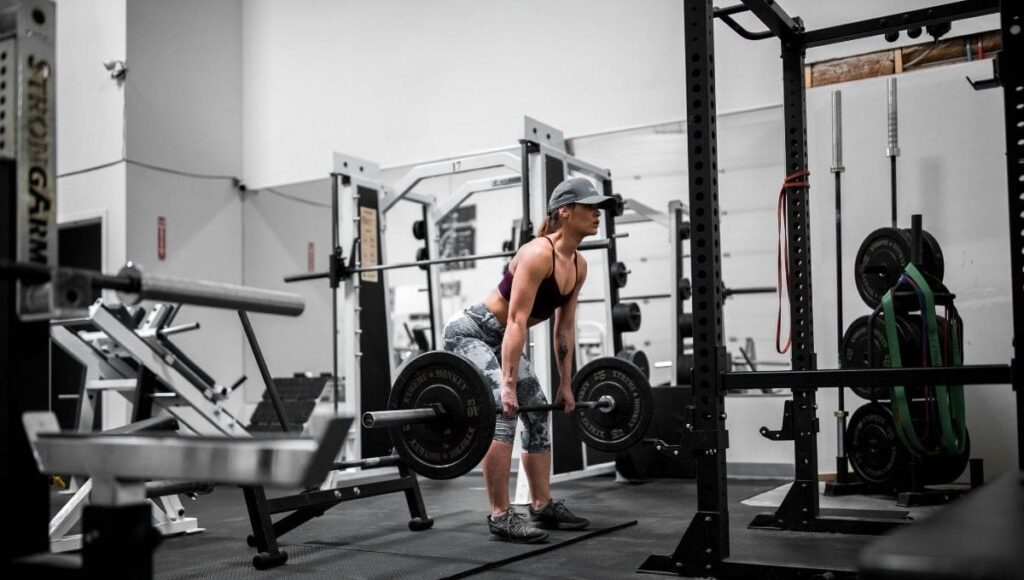
- Different exercises may require slight modifications to rest times. Compound movements, such as squats or deadlifts, might benefit from the upper end of the rest range (closer to 2 minutes), while isolation exercises like bicep curls can be effective with shorter rest (around 1 minute).
- Volume Equated Workouts:
- Ensure your total workout volume remains consistent. If you need to shorten rest times for any reason, consider adding extra sets to maintain the same overall volume load (sets x reps x weight).
- Listen to Your Body:
- Pay attention to how your body responds to different rest intervals. If you feel excessively fatigued or unable to maintain proper form, consider slightly adjusting your rest times within the recommended range.
- Progressive Overload:
- Combine optimal rest times with progressive overload principles. Gradually increase the weight or number of reps while maintaining 1 to 2-minute rest periods to continue stimulating muscle growth.
Volume Load Considerations
An essential aspect of hypertrophy training highlighted by Dr. Wolf’s analysis is the concept of volume load. Volume load is the total amount of work performed during a workout session, calculated as sets x reps x weight. This factor plays a crucial role in determining muscle growth outcomes.
How to Tell If You Are Training Hard Enough?
Study Insights on Volume Load

One notable study by Long and colleagues (2022) within the meta-analysis explored the effects of matched volume loads with different rest times. Participants performed leg presses with one leg resting for 1 minute between sets and the other leg resting for 3 minutes. Despite the varying rest times, both legs achieved the same volume load.
The findings indicated that when volume load was equated, hypertrophy results were similar, regardless of the rest intervals. This suggests that the total amount of tension and work imposed on the muscles is a significant determinant of growth, potentially outweighing the specific rest periods.
Practical Takeaways
- Prioritise Volume Load:
- Focus on maintaining a high volume load in your workouts. Ensure that your total sets, reps, and weight contribute to a significant workload, even if rest times vary slightly.
- Adjust Sets and Reps:
- If you prefer shorter rest periods (around 1 minute), compensate by performing additional sets to match the volume load of workouts with longer rest intervals. This helps maintain muscle growth stimulus.
- Balance Performance and Recovery:
- While volume load is crucial, balancing it with adequate recovery is essential. Ensure you are not excessively fatigued, as this can impact your performance and increase injury risk.
- Monitor Progress:
- Track your workouts and monitor your progress. Adjust your training variables (sets, reps, weight) to ensure you consistently challenge your muscles and achieve optimal hypertrophy.
To maximise muscle hypertrophy, aim for 1 to 2-minute rest periods between sets. While shorter rest times might require additional sets to achieve similar volume, they can still be effective. Conversely, extending rest times beyond 2 minutes offers no significant advantage. By integrating these findings into your training routine, you can enhance your muscle growth and overall fitness progress.
Read More: Does Training to Failure Matter for Muscle Growth?