If you’ve ever felt like your grip strength or forearms are holding you back in the gym, you’re not alone. In fact, a lot of people spend hours working on their biceps and triceps, only to realise that their forearm strength is what’s limiting their progress. That’s where the reverse dumbbell curl comes in. Not only does this exercise build your forearms, but it also works your biceps in a different way compared to traditional curls. So, whether you’re aiming for strength, aesthetics, or just a better grip, mastering the reverse dumbbell curl is essential.
And let’s face it – having weak forearms can be frustrating, especially when you can’t hold onto the bar during deadlifts or feel like your arms are the bottleneck during pull-ups. Thankfully, the reverse dumbbell curl is a simple but highly effective solution to help boost your performance in the gym. In this article, we’ll break down everything you need to know about the reverse dumbbell curl, from proper form and common mistakes to tips for incorporating it into your workout routine.
Table of Contents
The Benefits of the Reverse Dumbbell Curl
- Forearm development: Target the often-overlooked brachioradialis muscle.
- Improved grip strength: Essential for lifts like deadlifts, pull-ups, and rows.
- Enhanced bicep activation: Works the biceps from a different angle.
- Versatile and easy to modify: Suitable for beginners and advanced lifters alike.
Forearm Development
The reverse dumbbell curl primarily targets the brachioradialis, which is a muscle located on the top of the forearm. Most people spend all their time working on the biceps or the triceps, but the forearms, specifically the brachioradialis, play a massive role in overall arm strength and size. This is a muscle that gets activated every time you grip something, so it’s essential to develop it for balance and functionality.
Unlike traditional curls that focus on the biceps, the reverse dumbbell curl shifts the focus downward to the forearm, engaging muscles you probably haven’t hit as hard before. Over time, you’ll notice increased size and definition in your forearms, which also contributes to a better overall look.
Improved Grip Strength
Ever felt like your grip strength was the only thing standing between you and a new deadlift personal best? You’re not alone. Weak grip strength is a common problem, but the reverse dumbbell curl helps strengthen the muscles that support a solid grip. As you curl with your palms facing downwards, you’re forced to work against gravity in a way that challenges your wrists and forearms more intensely than standard curls do.
Plus, having stronger grip strength doesn’t just help in the gym. Think about everyday activities like carrying heavy groceries or opening stubborn jars. Grip strength is functional strength – it helps in both the gym and life.
Enhanced Bicep Activation
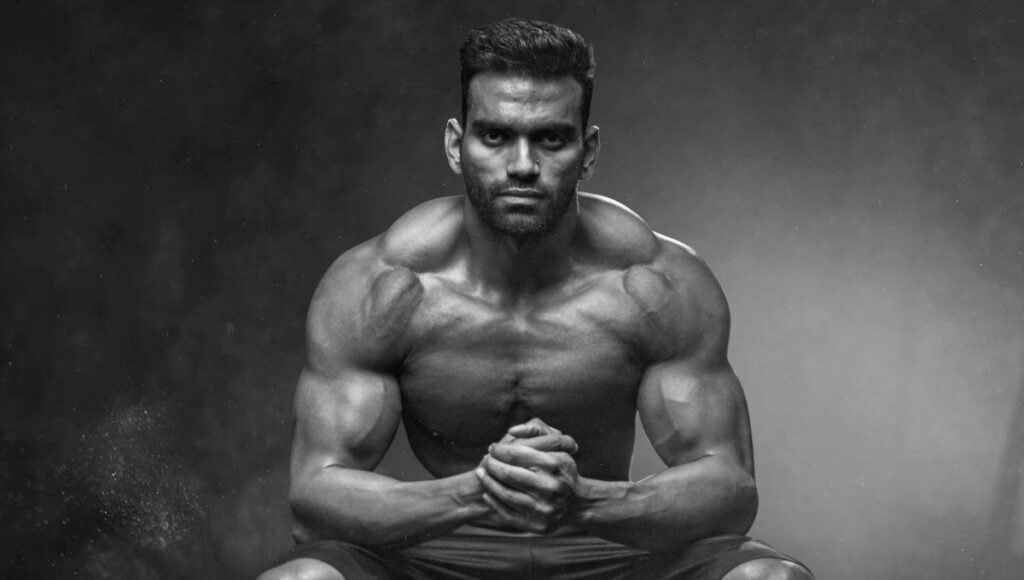
Although the reverse dumbbell curl isn’t primarily a bicep exercise, it still works your biceps. What makes it unique is that it hits the brachialis muscle, which lies underneath the biceps brachii. Strengthening this muscle can make your arms look fuller because it pushes the biceps up, giving you that much-coveted “peak”. It’s a win-win for anyone looking to balance both form and function.
Every Bicep Exercise Ranked Based on Science
Versatile and Easy to Modify
What’s great about the reverse dumbbell curl is that it’s a very versatile exercise. You don’t need fancy equipment, just a pair of dumbbells. And if you find it too difficult at first, you can always start with lighter weights or modify your grip. Beginners will appreciate its simplicity, while more advanced lifters can make it harder by increasing the weight or adding in tempo variations, like pausing at the top of the movement. It’s an exercise that can grow with you as you progress in your fitness journey.
How to Perform the Reverse Dumbbell Curl: Step-by-Step
- Starting position: Stand with feet shoulder-width apart, holding a dumbbell in each hand.
- Grip: Palms facing down (overhand grip).
- Elbow placement: Keep elbows close to your sides.
- Curl: Slowly lift the dumbbells toward your shoulders.
- Lowering: Control the weight as you lower back to starting position.
Starting Position
Before you even lift a dumbbell, the first thing to focus on is your starting position. Stand up tall, with your feet shoulder-width apart. Grab a dumbbell in each hand, but unlike a regular curl where your palms would be facing upwards, you want to have an overhand grip. That means your palms are facing towards your thighs. This might feel a little awkward at first, especially if you’re used to doing regular curls, but don’t worry, it’ll start to feel natural with time.
Grip
Your grip in a reverse dumbbell curl is crucial. With your palms facing down, you’re going to feel a lot more strain on your forearms. That’s exactly what you want, but you’ll need to focus on keeping your wrists straight as you curl. It’s easy to let your wrists drop and curl inward, which takes tension off the forearms and can cause injury over time. Keep those wrists locked in place and make sure you’re gripping the dumbbells firmly.
Elbow Placement
As with any curl, keeping your elbows locked into place is key. If your elbows are flaring out or moving forward and backward too much, you’re not getting the full benefit of the exercise. Imagine that your elbows are pinned to your sides. This will force your forearms and biceps to do all the work, giving you a more effective workout.
Curl
Now for the main event – the actual curl. Slowly lift the dumbbells up towards your shoulders, keeping those elbows close to your sides. Don’t be tempted to rush through this part. The slower and more controlled your movement, the more tension you’ll put on your muscles, which is what helps them grow. As you curl, you’ll feel the burn in your forearms and your biceps.
Lowering
Once you’ve reached the top of the movement, the temptation is to just drop the dumbbells back down to your thighs. But here’s where you can maximise your gains. Slowly lower the dumbbells back down, keeping control of the weight the entire time. It’s during this lowering phase that your muscles get a lot of the work, so don’t rush it. In fact, you could even pause halfway down to make it even harder.
The Ultimate Guide for Bigger and Stronger Forearms
Common Mistakes to Avoid
- Using too much weight: Start light to maintain proper form.
- Swinging the weights: Keep the movement controlled and steady.
- Flaring the elbows: Ensure elbows stay close to your sides.
- Neglecting wrist alignment: Avoid bending wrists inward.
Using Too Much Weight

This is a mistake a lot of people make, especially when they’re eager to build strength quickly. It’s tempting to grab the heaviest dumbbells you can find, but form always trumps weight. If you’re swinging the weights around or your wrists are bending all over the place, you’re not targeting the muscles properly. Start with a lighter weight that allows you to complete the full range of motion without sacrificing form. You can always increase the weight as you get stronger.
Swinging the Weights
Another common issue is swinging the weights, especially when you start to get tired. This is often a sign that the weight is too heavy. Instead of using momentum to lift the dumbbells, focus on slow, controlled movements. Not only does this make the exercise more effective, but it also prevents injuries. If you find yourself swinging, try lowering the weight and focusing on keeping your body still.
Flaring the Elbows
Elbow flaring is one of the easiest ways to cheat during the reverse dumbbell curl. When your elbows flare out, it’s a sign that you’re compensating by engaging your shoulders, which takes tension away from the forearms and biceps. Keep those elbows pinned to your sides throughout the movement, and you’ll feel a much deeper burn in the muscles you’re trying to target.
Neglecting Wrist Alignment
It’s easy to overlook wrist positioning during curls, but it’s critical to preventing injury. When your wrists bend inward during the movement, it not only reduces the effectiveness of the exercise but also puts unnecessary strain on your joints. Always keep your wrists in a neutral position, with your knuckles facing forward as you curl.
How to Incorporate the Reverse Dumbbell Curl into Your Routine
- Frequency: Perform 2-3 times per week.
- Sets and reps: Aim for 3-4 sets of 10-12 reps.
- Superset with other exercises: Pair with bicep curls or hammer curls for a complete arm workout.
- Progression: Gradually increase weight or add tempo variations.
Frequency
You don’t need to do reverse dumbbell curls every day to see results. In fact, it’s best to incorporate them into your routine 2-3 times per week, allowing your muscles time to recover in between sessions. Consistency is key here, so even if you’re just adding a few sets into your existing arm day or full-body workout, you’ll notice improvements over time.
How Many Exercises Per Workout?
Sets and Reps

For most people, 3-4 sets of 10-12 reps is a solid starting point. This rep range is ideal for both strength and hypertrophy (muscle growth), giving you the best of both worlds. As you get stronger, you can either increase the number of sets or start using heavier weights, but make sure you’re maintaining good form throughout.
Superset with Other Exercises
One of the best ways to maximise your time in the gym is to superset reverse dumbbell curls with other arm exercises. For example, you could pair them with traditional bicep curls or hammer curls for a more comprehensive arm workout. This not only saves time but also keeps your muscles engaged for longer, leading to greater gains.
Progression
As with any exercise, progression is important. Once you’re comfortable with the reverse dumbbell curl and can maintain good form, it’s time to start thinking about how to progress. You can gradually increase the weight or add tempo variations, such as pausing at the top of the movement or slowing down the eccentric phase (the lowering part of the curl). These tweaks will help keep the exercise challenging and ensure you’re continuously improving.
Conclusion
The reverse dumbbell curl might not be as popular as the traditional bicep curl, but it’s a powerhouse exercise when it comes to building forearm strength and improving grip. Not only does it help with aesthetics by giving you well-rounded arms, but it also plays a functional role in improving your performance in other lifts like deadlifts and rows. By adding this simple yet effective move to your routine, you’ll notice improvements in your overall strength and ability to handle heavier weights.
So, whether you’re new to the gym or a seasoned lifter, don’t overlook the reverse dumbbell curl. It’s one of those exercises that can truly make a difference – just make sure to start with proper form, avoid common mistakes, and gradually progress. Stick with it, and you’ll see results that go far beyond just a better-looking set of arms.