Ever found yourself debating whether to hit the gym when you’re sneezing and coughing? With so many people sniffling around us, it’s no surprise this question pops up frequently. It’s like that Sunday morning quandary when you Google if it’s okay to work out with a hangover (we’ve all been there). Exercising with a cold isn’t as simple as a yes or no—it depends on a few key factors.
Let’s break down the expert advice on whether you should lace up your trainers or tuck yourself back into bed. The info here was based on an article shared on Woman’s Health Magazine in the UK.
1. Should You Exercise with a Cold?
- Rule of Thumb: If your symptoms are ‘above the neck’—think a mild sore throat, stuffy nose, or sneezing—then light exercise might be okay. Personal trainer Bianca Carew from Pure Gym Cambridge notes, “You’re usually good to train if it’s above the neck and you only have mild symptoms.”
- Exceptions: Anything ‘below the neck’ like chest congestion or a fever? Skip the workout. Dr. Attiya Khan, a GP, warns, “Chest congestion and any type of exercise do not mix well.”
Takeaway: Use the ‘neck rule’ as your guide. If you’re dealing with a minor headache or stuffy nose, a low-intensity workout could be manageable. If you’re experiencing fever or body aches, it’s better to rest.
2. When Should You Absolutely Not Exercise?
- Hard Pass: Fever, body chills, or dehydration are signs to avoid physical activity. Exercising under these conditions could push your body too far and worsen your illness.
- Risk of Complications: Dr. Khan points out that exercising while feeling severe symptoms could stress the heart, potentially turning a simple chest cold into bronchitis or pneumonia.
Pro Tip: If you have any doubt, err on the side of caution. Heavy breathing from intense cardio or strength training could exacerbate a chest cold, risking serious complications.
3. Can Exercise Help with Cold Symptoms?

- Temporary Relief: Surprisingly, light exercise can offer short-term relief by opening up nasal passages. “Mild to moderate physical activity is usually OK if you have no fever,” says Dr. Khan.
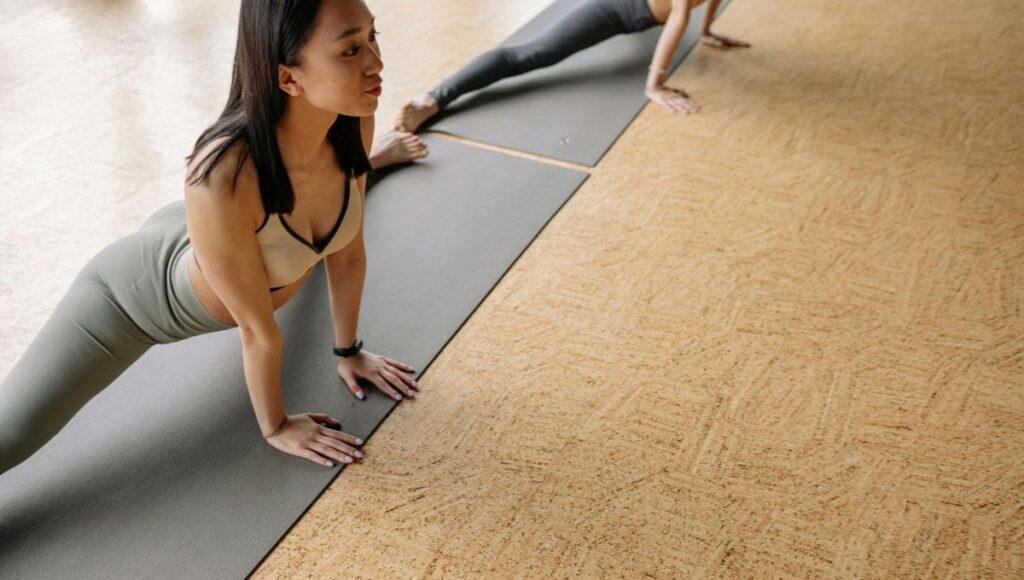
- Mood Booster: A gentle walk or yoga session could improve your mood and energy levels without taxing your immune system.
Caution: Avoid pushing yourself too hard. Sweating it out might sound tempting, but as Dr. Claudia Pastides mentions, “There is no evidence that making yourself hot and sweaty will help get rid of a cold.” The idea that you can ‘sweat out a cold’ is just a myth.
4. How to Adjust Your Workouts When You’re Sick
- Scale It Down: PT Palomie Patel from F45 Camden advises, “Allow for more rest between sets and choose lighter weights or activities.” Aiming for high reps with manageable weights (15-20 reps) can keep your heart rate steady without overexerting your body.
- Simplicity Wins: Stick to exercises that don’t require complex movements. Patel suggests making your workout feel therapeutic, not punishing.
Example: Gentle activities like a slow cycle on a stationary bike or a walk in the park are perfect. Just make sure to drink plenty of water to stay hydrated.
5. Lifting Weights with a Cold: Is It Safe?
- Light Symptoms Only: If you’re determined to train and only have a minor cold, it’s possible. Dr. Pastides encourages those with light symptoms to be cautious about where they work out, especially in communal spaces. “It’s best not to spread your cold to others,” she adds.
- Avoid This: Movements that make you feel queasy. Patel recommends skipping exercises that require bending over or hanging positions, which can worsen symptoms like dizziness.
Tips:
- Pick upright movements (e.g., seated shoulder presses).
- Drink water regularly to keep your energy up.
- Prioritise exercises that don’t spike your heart rate.
6. Should You Try Sweating Out a Cold?

- Debunking the Myth: No, you can’t sweat out a cold. Dr. Pastides states bluntly, “There is no evidence that making yourself hot and sweaty will help.” While a light sweat from gentle movement might offer temporary relief, it won’t speed up your recovery.
- The Real Remedy: Rest, hydration, and time are your best allies when dealing with a cold.
7. Flu vs. Cold: When to Draw the Line
- Flu Hits Harder: The flu is a whole different game compared to a cold. Dr. Pastides describes it as being “so severe that you cannot even get out of bed.” Exercising with the flu isn’t advisable; in fact, most wouldn’t even consider it an option.
- Stay in Bed: Rest until you feel more like yourself. Pushing through flu symptoms could delay your recovery and worsen your condition.
Final Thoughts: When in Doubt, Rest It Out
So, should you exercise with a cold? Sometimes yes, but be mindful. Remember to assess your symptoms: if it’s a mild case with no fever and you’re not fatigued, go for a short, light session. However, anything beyond a simple cold requires rest and hydration. Always prioritise your long-term health over short-term goals.
And when it comes to the flu? Count yourself out until you’re back to full strength. Rest now, so you can come back stronger later.