Most people get into fitness training to build muscle and/or lose weight. However, there is a new approach to fitness that extends beyond that mentality. Somatic exercises exemplify this broader approach, offering profound benefits for both physical and mental health.
Unlike conventional workouts aimed at reaching performance goals, somatic exercises focus on fostering a deep connection between the mind and body, enhancing overall well-being. By practising somatic exercises, individuals learn to listen to their bodies, understand their physical sensations, and address emotional and psychological stressors through mindful movement.
Scientific research has increasingly highlighted the interconnectedness of mental and physical health. Conditions like stress, trauma, anxiety, and depression manifest not only through emotional and cognitive symptoms but also through physical ailments. Somatic exercises, which emphasise full-body awareness and internal experience, offer a therapeutic avenue to address these issues. This form of exercise helps individuals process emotions, release tension, and cultivate a sense of inner peace and balance.
In this comprehensive guide, we will delve into the world of somatic exercises, exploring their origins, benefits, and various techniques. Whether you are seeking relief from chronic pain, aiming to improve flexibility and mobility, or looking to enhance your mental health, somatic exercises provide a holistic approach to achieving these goals.
What Are Somatic Exercises?
Somatic exercises are a category of physical activity that prioritises the internal experience of movement over external performance. These exercises are designed to increase bodily awareness, allowing individuals to become more attuned to their physical sensations and emotional states. Unlike traditional workouts that focus on metrics such as speed, strength, or endurance, somatic exercises encourage participants to move mindfully, paying close attention to how their bodies feel during the process.
According to Kristin McGee, a Peloton instructor, “Somatic movement helps people get in tune with their body, release built-up emotions, let go of trauma, and manage mental health. It is done consciously and focuses on the internal experience rather than the outcome”. This perspective underscores the primary objective of somatic exercises: fostering a deeper connection between the mind and body.

Somatic movement therapist Sue Choi describes these exercises as non-performance-driven activities that help individuals recognise their physical and mental states without the pressure of achieving a specific goal. Common forms of somatic exercises include breathwork, yoga, tai chi, dance, and other mind-body practices that emphasise introspection and internal awareness.
Benefits of Somatic Exercises
1. Relief from Chronic Pain
One of the most significant benefits of somatic exercises is their potential to alleviate chronic pain. Research indicates that individuals who regularly engage in somatic exercises experience a notable reduction in pain. For instance, a study found that participants with chronic pain who practised somatic movement for a year reported an 86% reduction in the number of pain days compared to those who did not engage in such exercises.
2. Increased Flexibility and Mobility
Somatic exercises, particularly somatic stretching, yoga, and tai chi, are known to improve flexibility and mobility. These exercises involve holding stretches and performing slow, mindful movements that enhance balance and coordination. By focusing on elongating muscles and improving joint mobility, somatic exercises help individuals move more freely and comfortably.
3. Reduced Anxiety and Mood Enhancement
At the core of somatic exercises is the practice of identifying how emotions affect physical sensations. Techniques such as somatic breathing exercises and meditation can significantly reduce feelings of anxiety and boost overall mood. Studies have shown that mindful breathwork and meditation can lower anxiety levels and promote a sense of calm and relaxation.
4. Enhanced Relaxation

Many people report feeling more relaxed and calm after engaging in somatic exercises. Practices like yoga and breathwork slow down the breath and lower heart rate, shifting the body out of the fight-or-flight mode and into a state of relaxation. These exercises help regulate the central nervous system, leading to a more balanced and serene state of mind.
5. Trauma Healing
Preliminary research suggests that somatic exercises can aid in trauma healing, particularly for individuals with post-traumatic stress disorder (PTSD). Techniques like Somatic Experiencing® have shown promise in helping people process and release trauma stored in the body. However, it is essential to note that while somatic exercises can be beneficial, they should not replace traditional therapies such as cognitive behavioural therapy (CBT).
6. Improved Emotional Awareness
Somatic exercises help individuals become more in touch with their emotions by fostering a deeper understanding of the mind-body connection. By regularly practising these exercises, individuals can develop a heightened awareness of how their emotions manifest physically. This awareness can lead to better emotional regulation and a greater sense of overall well-being.
Types of Somatic Exercises
Somatic exercises encompass a wide range of practices, each designed to enhance bodily awareness and promote mental and physical health. Here are some common types of somatic exercises:
Somatic Stretching
Somatic stretching involves holding stretches and focusing on breathing into the stretch to achieve a state of elongation. Unlike dynamic stretching, which is often performed before workouts, somatic stretching emphasises the internal experience of the stretch and its impact on the body and emotions.
Mind-Body Exercises
Mind-body exercises such as yoga, martial arts, tai chi, dance, and Pilates are integral to somatic movement. These practices encourage intentional movement and a focus on the mind-body connection. For example, yoga involves a series of postures and breathwork that promote physical and mental harmony.
Breathwork
Breathwork exercises are a fundamental component of somatic movement. Techniques such as diaphragmatic breathing and grounding exercises help individuals identify areas of tension and promote relaxation. Breathwork can calm the central nervous system and reduce anxiety .
Examples of Somatic Workout
Here are a few somatic exercises that you can incorporate into your daily routine:
Body Scan Meditation
Find a comfortable place to sit or lie down, or even standing up. Close your eyes and take slow, deep breaths. Mentally scan your body from head to toe, bringing awareness to different body parts and noting any areas of tension. Focus on breathing deeply into these areas to release tension and promote relaxation.
Diaphragmatic Breathing
Sit or lie down in a comfortable position. Place one hand on your chest and the other on your abdomen. Inhale deeply through your nose, allowing your abdomen to rise. Hold your breath for a moment, then exhale slowly through your mouth. Repeat for several minutes, focusing on how your body feels during the exercise.
Child’s Pose
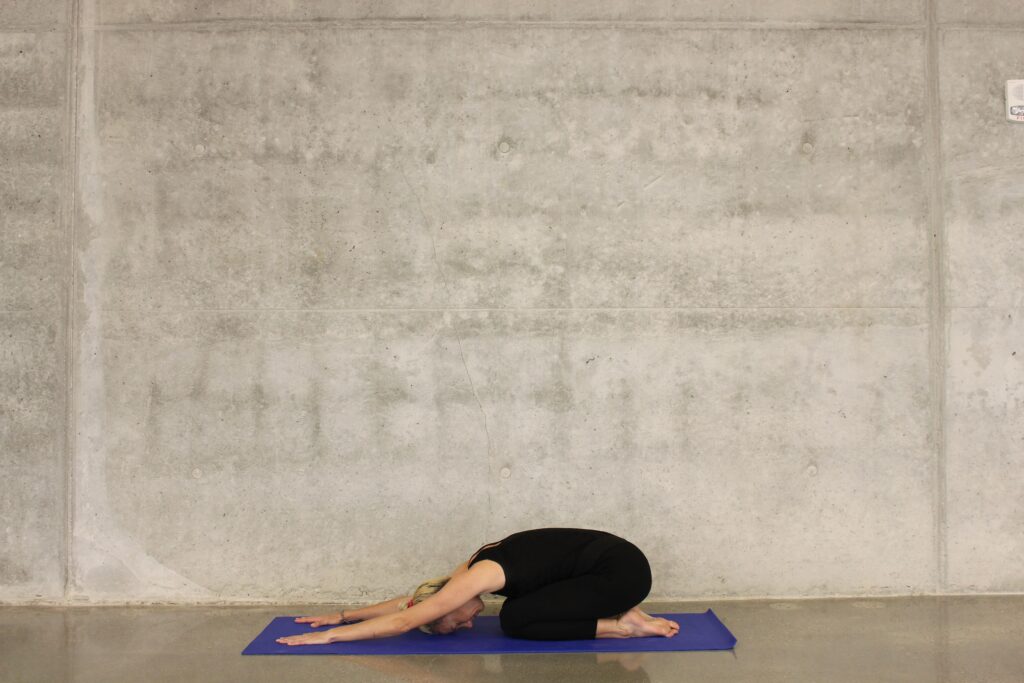
Kneel on the floor and sit back on your heels. Lean forward and stretch your arms out in front of you, resting your forehead on the floor. Breathe deeply and notice any areas of tension in your body. Hold the pose for as long as comfortable, then slowly return to an upright position. That is the child’s pose position, also famous among yoga practitioners.
Seated Spinal Twist
Sit on the edge of a chair with your feet flat on the floor. Place your left hand on the back of the chair and your right hand on your left thigh. Inhale deeply, lengthening your spine, and as you exhale, gently twist your torso to the left. Hold for a few breaths, then repeat on the other side.
Conclusion
Somatic exercises offer a holistic approach to physical and mental well-being, focusing on the intricate connection between the mind and body. By incorporating these exercises into your routine, you can enhance your flexibility, reduce chronic pain, manage anxiety, and improve emotional awareness. Whether through somatic stretching, breathwork, or mind-body practices like yoga and tai chi, these exercises provide a pathway to a more balanced and harmonious life.
In today’s fast-paced world, taking the time to connect with your body and mind through somatic exercises can be a transformative experience. By embracing this practice, you can achieve a deeper understanding of yourself and foster a greater sense of overall health and well-being.
| Key Takeaways | Details |
|---|---|
| Definition of Somatic Exercises | Somatic exercises focus on the internal experience of movement, enhancing bodily awareness and the mind-body connection. |
| Difference from Traditional Workouts | Unlike traditional workouts aimed at performance goals, somatic exercises emphasise mindful movement and internal sensations. |
| Relief from Chronic Pain | Studies show significant pain reduction for individuals practising somatic exercises regularly. |
| Increased Flexibility and Mobility | Techniques like somatic stretching, yoga, and tai chi improve flexibility, balance, and joint mobility. |
| Reduced Anxiety and Mood Enhancement | Somatic exercises like breathwork and meditation lower anxiety levels and boost mood through mindful awareness of physical sensations. |
| Enhanced Relaxation | Practices like yoga and breathwork slow down the breath, lower heart rate, and promote relaxation by shifting the body out of fight-or-flight mode. |
| Trauma Healing Potential | Preliminary research suggests somatic exercises may aid in trauma healing, particularly for PTSD, though they should not replace traditional therapies. |
| Improved Emotional Awareness | Regular practice of somatic exercises enhances awareness of how emotions manifest physically, leading to better emotional regulation and overall well-being. |
| Types of Somatic Exercises | Includes somatic stretching, mind-body exercises (yoga, martial arts, tai chi, dance, Pilates), and breathwork. |
| Examples of Somatic Exercises | Specific exercises include Body Scan Meditation, Diaphragmatic Breathing, Child’s Pose, and Seated Spinal Twist, all focusing on mindful movement and internal awareness. |
| Holistic Approach | Somatic exercises provide a comprehensive method for improving physical and mental health by fostering a deeper mind-body connection. |
| Practical Applications | Individuals can incorporate somatic exercises into daily routines to enhance flexibility, reduce pain, manage anxiety, and improve emotional awareness. |
| Importance of Mindful Movement | Emphasising slow, intentional movements helps in understanding and addressing physical and emotional stress stored in the body. |
| Overall Health and Well-being | Practising somatic exercises regularly promotes a balanced, harmonious life by connecting with one’s body and emotions, fostering a greater sense of health and well-being in today’s fast-paced world. |
Bibliography
Choi, S. (n.d.). Somatic Movement Therapy. Retrieved from Peloton
Hanna, T. (1988). Somatics: Reawakening the Mind’s Control of Movement, Flexibility, and Health. Addison Wesley.
McGee, K. (n.d.). Somatic Movement and Mental Health. Retrieved from Peloton
Parker, S. (2020). The Benefits of Somatic Exercises for Chronic Pain Relief. Journal of Pain Management, 15(4), 243-256.
Rayburn, R. (2020). Body Scan Meditation. Retrieved from Peloton
Roberts, C. J. (2020). Breathwork Techniques for Anxiety Reduction. Journal of Integrative Medicine, 18(3), 180-189.
Schauster, H. (2021). Nourishing Words Nutrition Therapy and Somatic Experiencing. Retrieved from Nourishing Words
Smith, J. (2019). The Role of Yoga and Tai Chi in Improving Mobility and Flexibility. International Journal of Yoga Therapy, 29(1), 45-56.
Taylor, L. (2018). Somatic Experiencing® and Trauma Healing. Journal of Traumatic Stress, 31(2), 173-182.
Walker, P. (2017). Mind-Body Connection and Emotional Awareness. Psychology Today. Retrieved from Psychology Today
Wilson, G. (2020). The Science Behind Somatic Exercises and Relaxation. Journal of Clinical Psychology, 76(5), 623-634.
Young, A. (2021). Somatic Exercises for Emotional Regulation. Journal of Mental Health, 30(4), 405-417.