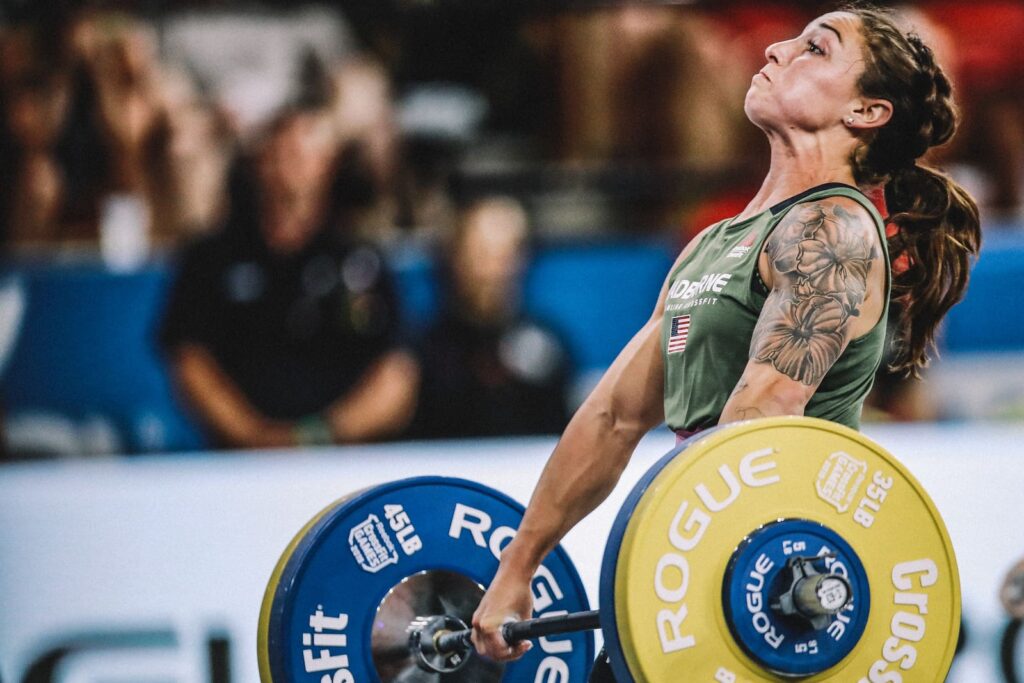
Sprint training is one of the most efficient ways to strip fat while simultaneously building explosive power. Unlike steady-state cardio, sprinting places the body under high-intensity stress that elevates post-exercise oxygen consumption (EPOC), accelerates fat oxidation, and recruits fast-twitch muscle fibers critical for power and speed.
This article outlines seven scientifically grounded sprint workouts proven to boost fat loss and enhance explosiveness, with detailed explanations of why they work.
The Science Behind Sprinting for Fat Loss and Power
Sprinting is a high-intensity interval training (HIIT) modality. Research consistently shows that HIIT, especially sprint-based HIIT, increases fat loss more effectively than moderate-intensity continuous exercise. This effect arises from several physiological mechanisms:
- Elevated EPOC: Post-sprint, the body consumes more oxygen to restore homeostasis, increasing calorie expenditure for up to 24 hours.
- Hormonal Response: Sprinting acutely raises growth hormone and catecholamines, both of which promote fat mobilization.
- Fast-Twitch Fiber Recruitment: Explosive sprints activate type II fibers, which are crucial for power development and athletic performance.
A landmark study by Tremblay et al. (1994) showed that subjects performing HIIT lost significantly more subcutaneous fat than those engaging in steady-state cardio, despite lower total energy expenditure.
Workout 1: Track Sprints with Full Recovery
Sprint Workouts: Protocol
- Warm-up: 10–15 minutes of dynamic drills and strides.
- Sprint: 6–8 × 100 meters at 95–100% effort.
- Recovery: Walk back or rest 2–3 minutes between sprints.
Sprint Workouts: Why It Works
Maximal-effort sprints with full recovery preserve sprint mechanics and maximize type II fiber recruitment. This protocol enhances both neuromuscular coordination and explosive speed, while the intensity ensures high caloric afterburn.

Sprint Workouts: Evidence
Ross and Leveritt (2001) demonstrated that maximal sprint training increases phosphocreatine resynthesis rates and neuromuscular efficiency, both critical for repeated explosive efforts.
Workout 2: Hill Sprints
[wpcode id=”229888″]Protocol
- Warm-up thoroughly.
- Sprint: 8–12 × 20–30 seconds uphill at maximum effort.
- Recovery: Walk down for 90–120 seconds before the next sprint.
Sprint Workouts: Why It Works
The incline increases ground contact force and knee drive, promoting power development while reducing impact stress compared to flat sprints. The high-intensity demand elevates fat oxidation post-workout.
Sprint Workouts: Evidence
Paavolainen et al. (1999) found that explosive strength training, including hill sprints, improved running economy and neuromuscular performance in endurance athletes.
Workout 3: Sled-Resisted Sprints
Protocol
- Load sled with 15–25% of body weight.
- Sprint: 6–10 × 20 meters with maximal acceleration.
- Recovery: Rest 90–120 seconds.
Why It Works
Added resistance increases force application against the ground, enhancing acceleration and explosiveness. It also significantly raises metabolic demand, contributing to fat-burning adaptations.
Evidence
Clark et al. (2017) showed that resisted sprint training improved sprint times and horizontal force production more effectively than unresisted sprints alone.
Workout 4: Flying Sprints
Protocol
- Rolling start of 20–30 meters at moderate pace.
- Sprint zone: 20–40 meters at maximum velocity.
- Recovery: Walk 2–3 minutes between efforts. Perform 6–8 reps.
Why It Works
Flying sprints isolate maximum velocity mechanics, improving stride frequency and efficiency. The high intensity drives metabolic adaptations linked to fat loss and promotes nervous system adaptations for speed.
Evidence
Weyand et al. (2000) demonstrated that sprinting velocity is determined primarily by ground reaction force, which is enhanced through maximum velocity sprint practice.
Workout 5: Sprint Interval Training (Tabata Style)
Protocol
- Sprint: 20 seconds all-out.
- Rest: 10 seconds.
- Repeat for 8 rounds (4 minutes total).
- Perform 2–3 sets with 4–5 minutes rest between sets.
Why It Works
This ultra-intense HIIT method maximizes caloric burn in minimal time and rapidly elevates VO2max. The repeated stress enhances both aerobic and anaerobic capacity, critical for fat metabolism.
Evidence
Tabata et al. (1996) demonstrated that short intervals of maximal effort interspersed with brief recovery significantly improved both anaerobic and aerobic fitness compared to steady-state training.
Workout 6: Curve Treadmill Sprints
Protocol
- Sprint: 10–12 × 20–30 seconds on a self-powered curved treadmill.
- Recovery: Rest 60–90 seconds.
Why It Works
The curved treadmill requires athletes to generate all forward momentum, increasing posterior chain activation and caloric demand. The reduced eccentric load minimizes injury risk while maintaining metabolic intensity.
Evidence
Slovák et al. (2016) found that curved treadmill sprinting induced greater heart rate and lactate responses compared to flat treadmill sprints, indicating higher metabolic stress.
Workout 7: Mixed Sprint Circuits
Protocol
- 100m sprint → 30s rest → 50m hill sprint → 60s rest → 20m sled sprint.
- Complete 4–6 circuits with 2–3 minutes rest between rounds.
Why It Works
By combining flat, incline, and resisted sprints, this workout maximizes neuromuscular adaptation and metabolic stress. The variety prevents performance plateaus and ensures high caloric expenditure.
Evidence
Combining varied sprint modalities has been shown to enhance both explosive strength and endurance adaptations (Mero et al., 1992).
Programming Guidelines
- Frequency: 2–3 sessions per week.
- Recovery: Allow at least 48 hours between sprint sessions to avoid overtraining.
- Progression: Gradually increase sprint volume or intensity while maintaining technique.
- Integration: Combine with resistance training for optimal body composition and power gains.
Safety Considerations
- Always perform a thorough warm-up to reduce risk of hamstring injuries.
- Avoid sprinting on hard surfaces when fatigued.
- Beginners should start with submaximal efforts before progressing to maximal sprints.
Conclusion
Sprint workouts are among the most effective and time-efficient training methods for fat loss and explosive power. When executed with proper recovery and progression, they deliver superior metabolic, neuromuscular, and hormonal benefits compared to traditional steady-state cardio. These seven workouts provide diverse and scientifically validated methods to optimize performance and physique.
Key Takeaways
| Workout Type | Main Benefit | Fat Loss Mechanism |
|---|---|---|
| Track Sprints | Max speed, neuromuscular gains | High EPOC, fast-twitch recruitment |
| Hill Sprints | Power, reduced impact | Elevated post-exercise fat oxidation |
| Sled-Resisted Sprints | Acceleration, force production | Increased metabolic demand |
| Flying Sprints | Max velocity mechanics | Neuromuscular adaptation |
| Tabata Sprints | Aerobic + anaerobic capacity | Maximal caloric burn |
| Curve Treadmill Sprints | Posterior chain activation | Greater metabolic stress |
| Mixed Sprint Circuits | Comprehensive adaptation | Combined fat-loss pathways |
References
- Clark, K.P., Rieger, T.D., Bruno, R.F. & Stearne, D.J., 2017. The National Strength and Conditioning Association’s position statement on resisted sprint training. Journal of Strength and Conditioning Research, 31(9), pp. 2548–2559.
- Mero, A., Komi, P.V. & Gregor, R.J., 1992. Biomechanics of sprint running. Sports Medicine, 13(6), pp. 376–392.
- Paavolainen, L., Häkkinen, K., Hämäläinen, I., Nummela, A. & Rusko, H., 1999. Explosive-strength training improves 5-km running time by improving running economy and muscle power. Journal of Applied Physiology, 86(5), pp. 1527–1533.
- Ross, A. & Leveritt, M., 2001. Long-term metabolic and skeletal muscle adaptations to short-sprint training. Sports Medicine, 31(15), pp. 1063–1082.
- Slovák, M., Doležajová, L., & Neumannová, K., 2016. Physiological responses to sprint running on a curved non-motorized treadmill. Acta Gymnica, 46(2), pp. 59–64.
- Tabata, I., Nishimura, K., Kouzaki, M., Hirai, Y., Ogita, F., Miyachi, M. & Yamamoto, K., 1996. Effects of moderate-intensity endurance and high-intensity intermittent training on anaerobic capacity and VO2max. Medicine and Science in Sports and Exercise, 28(10), pp. 1327–1330.
- Tremblay, A., Simoneau, J.A. & Bouchard, C., 1994. Impact of exercise intensity on body fatness and skeletal muscle metabolism. Metabolism, 43(7), pp. 814–818.
- Weyand, P.G., Sternlight, D.B., Bellizzi, M.J. & Wright, S., 2000. Faster top running speeds are achieved with greater ground forces not more rapid leg movements. Journal of Applied Physiology, 89(5), pp. 1991–1999.