Do you know which one is better to develop strong glutes: squats vs hip thrusts? This is what new research is leaning towards.
Building strength in the glutes is a crucial aspect of any comprehensive lower body training program, and two exercises often in the spotlight for this purpose are squats and hip thrusts. These compound movements are renowned for their effectiveness in targeting the glute muscles and promoting significant muscle engagement. In particular, the hip thrust places a specific emphasis on the gluteus maximus, fostering powerful contractions that are instrumental in the development of both strength and size.
The principle of progressive overload is fundamental to strength training, and both squats and hip thrusts provide an avenue for its application. Through gradual increments in weight or resistance, these exercises subject the glutes to increasing levels of stress over time, prompting the muscles to adapt and grow stronger. This ability to progressively overload is a key factor in building enduring glute strength and resilience.
Beyond their singular focus on the glutes, squats and hip thrusts engage multiple muscle groups, creating a synergistic effect. Squats, a compound movement involving the quadriceps, hamstrings, and core muscles, offer a holistic lower body workout. Similarly, hip thrusts, while primarily targeting the glutes, recruit the hamstrings and lower back muscles. This comprehensive muscle engagement contributes not only to glute strength but also to the overall development of lower body musculature.
In addition to their effectiveness in targeting specific muscle groups, squats and hip thrusts emulate functional movement patterns. These exercises replicate motions essential to everyday activities, making the strength gained from them applicable to real-world scenarios. Squatting mirrors the motion of sitting and standing, while hip thrusts involve hip extension, a fundamental movement in walking, running, and various lower body actions. Incorporating these functional movement patterns into a training routine ensures that the strength developed is not only substantial but also practical for improving overall physical performance.
But, from the top of your head and with the knowledge you have at the moment, do you know which one is best for glute development? Squats vs hip thrusts? That is what a video shared by House of Hypertrophy decided to talk about.
The information below is based on the video in question in which they utilised a few scientific studies to come to a conclusion.
Good Leg Workouts at Home for Stronger Quads, Hamstrings and Glutes
Squats vs Hip Thrusts for Glute Growth: Which is Better? (New Research)
When training for a well-developed lower body, the gluteus maximus takes centre stage as the largest individual muscle. A recent study aims to settle this debate by directly comparing squats and hip thrusts in terms of glute, adductor, hamstring, and quadriceps hypertrophy, unveiling some intriguing findings in the process.
Before delving into the new study, it’s essential to acknowledge a previous study by Barbalho that caused a stir in the scientific literature. This study claimed that back squats induced approximately 2.5 times more gluteus maximus hypertrophy than hip thrusts. However, skepticism surrounds Barbalho’s studies due to improbable data patterns, leading to questions about their trustworthiness. The new study under scrutiny is considered the first legitimate attempt to compare hip thrusts to back squats.
The study involved 34 untrained individuals divided into either a squat or hip thrust group. The hip thrust group exclusively trained with the barbell hip thrust, while the squat group focused on the barbell back squat, descending as deep as comfortable. Both groups performed 8 to 12 repetitions to volitional failure per set, with the number of sets increasing across the study duration. The training frequency was twice per week, incorporating progressive overload through load increments.
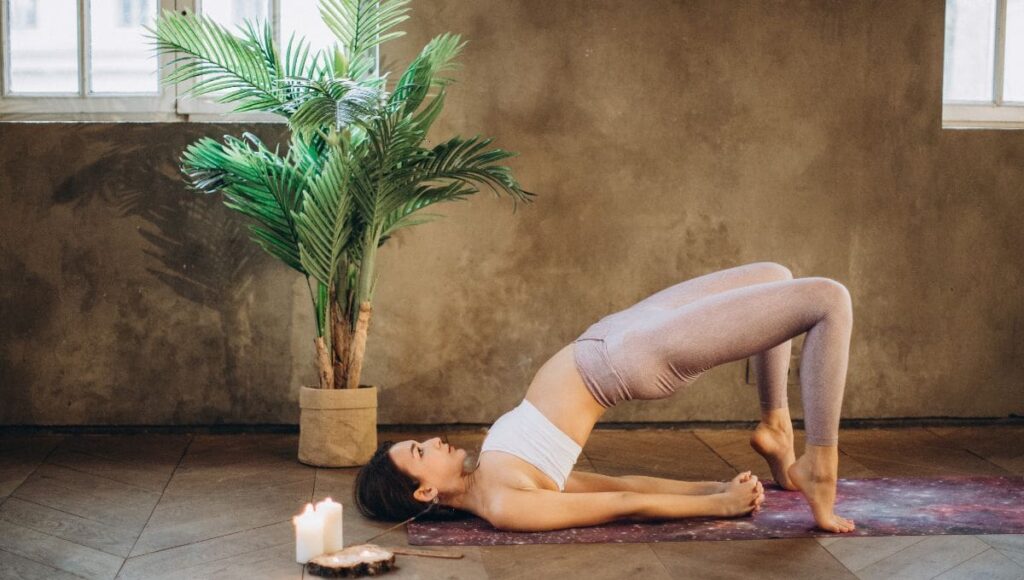
The Ultimate Guide for Bigger and Stronger Glutes (Exercises and Workouts Included)
The results indicated that quadriceps and adductor growth was greater for the squat group, aligning with expectations due to the greater knee joint range of motion and quad stretch in squats. Notably, neither group experienced significant hamstring hypertrophy, attributed to the involvement of knee bend in both exercises. Surprisingly, gluteus maximus hypertrophy showed similar growth across upper, middle, and lower regions in both groups. The lower region exhibited the most substantial growth, followed by the middle and upper regions.
Additional findings included similar growth in gluteus medius and minimus for both groups, with no notable increase. Strength measurements reflected the expected outcomes, with back squat strength increasing more in the squat group and hip thrust strength seeing greater gains in the hip thrust group. Interestingly, both groups experienced similar gains in deadlift strength, indicating a comparable impact on this exercise.
While this study provides valuable insights into the hypertrophic effects of hip thrusts and back squats, some considerations should be noted. The subjects were untrained individuals, raising questions about whether the results would hold true for trained individuals. Additionally, the use of volitional failure as the criterion for stopping sets introduces some vagueness, and the results may vary with different stopping criteria.
Top 10 Weighted Exercises for the Glutes
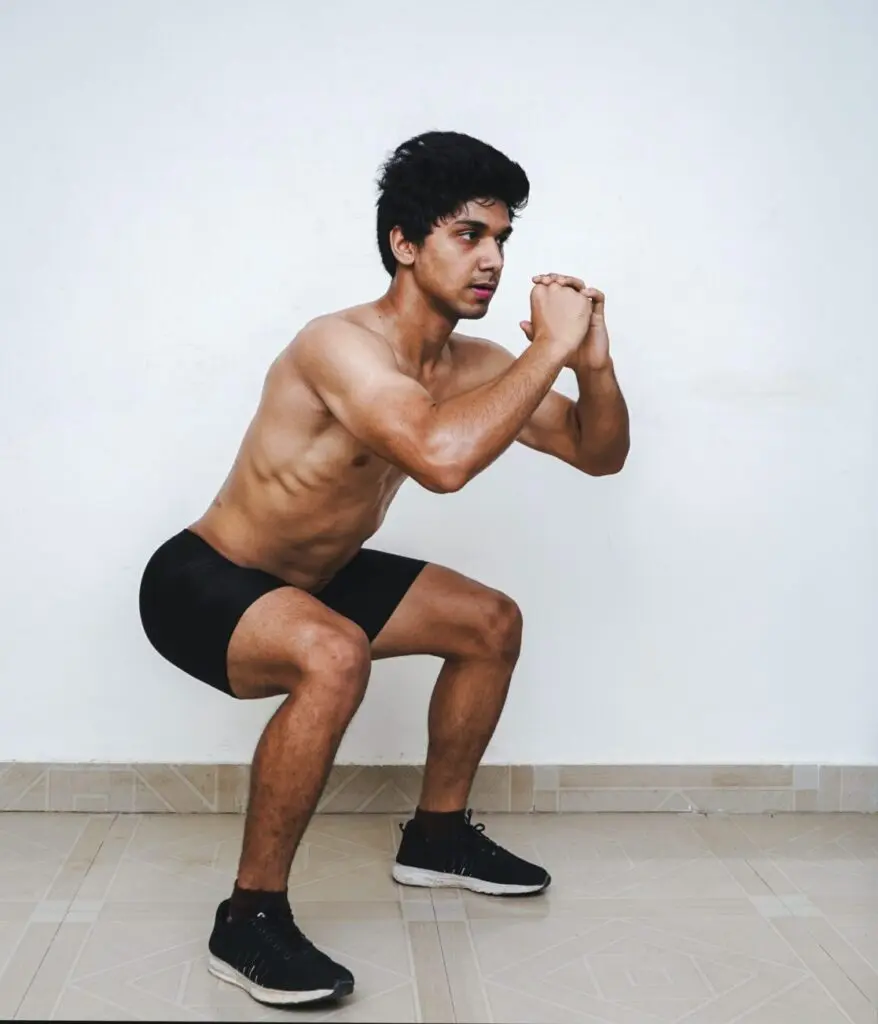
9 Best Exercises For A Nice Butt – Included Free Glutes Workout
Two other studies on gluteus maximus hypertrophy are worth mentioning. A 2019 study by Kubo compared different squat depths and found that a 140-degree knee flexion squat produced greater gluteus maximus hypertrophy. Another study by Kassiano and colleagues in 2022 involving untrained women demonstrated that incorporating hip thrusts alongside a leg press and stiff-legged deadlift increased gluteus maximus hypertrophy.
In conclusion, the new study suggests that squats and hip thrusts are comparable in promoting gluteus maximus hypertrophy across its regions. Squats excel in quadriceps and adductor growth, making them a better overall developer of multiple muscle groups. Hip thrusts, on the other hand, offer targeted glute isolation, particularly in the shortened position. Training both exercises can be a strategic approach, with the consideration that hip thrusts may be easier to recover from due to their focus on the glutes in a more shortened position.
As the debate continues, individuals seeking to accelerate glute development may consider incorporating hip thrusts as a tool for higher volume glute training. Notably, a combination of high contractile forces and stretch throughout the range of motion appears to be the recipe for optimal muscle growth. However, questions linger about the impact of squat depth on glute growth and whether deeper squats would yield different results. Future research is needed to explore these nuances and refine our understanding of gluteus maximus hypertrophy.
Watch the video for more information.
References and scientific research utilised for the video:
On hip and lumbar biomechanics. A study of joint load and muscular activity
Effects of squat training with different depths on lower limb muscle volumes
Read More: 10 Best Glute Isolation Exercises to Build a Stronger Better Butt
Training and strengthening your glutes are crucial for various reasons, encompassing both functional and aesthetic aspects. Here are some key reasons why it’s important to prioritize glute training:
- Functional Stability:
- The glutes, particularly the gluteus maximus, play a pivotal role in stabilizing the pelvis, hips, and lower back. Strengthening these muscles contributes to overall postural stability and helps prevent issues such as lower back pain.
- Enhanced Athletic Performance:
- Strong glutes are essential for many athletic activities, including running, jumping, and lateral movements. They contribute significantly to power and explosiveness, aiding in sports performance and agility.
- Injury Prevention:
- Weak glutes can contribute to a range of injuries, including lower back pain, hip pain, and knee issues. By strengthening the glutes, you provide better support to the entire lower body, reducing the risk of injuries associated with poor muscle balance.
- Improved Posture:
- Well-developed glutes contribute to a balanced and aligned posture. They help maintain the natural curvature of the spine and prevent issues related to poor posture, such as slouching and rounded shoulders.
- Back Pain Relief:
- The gluteus maximus, being the largest muscle in the body, plays a crucial role in providing support to the lower back. Strengthening the glutes can alleviate lower back pain and improve overall spinal health.
- Aesthetic Benefits:
- Many individuals engage in glute training for aesthetic reasons. Well-developed glutes can enhance the overall shape and appearance of the lower body, contributing to a more toned and sculpted physique.
- Metabolic Boost:
- The glutes are powerful muscles that require a significant amount of energy to function. Engaging in glute-strengthening exercises can contribute to an increased metabolic rate, aiding in weight management and fat loss.
- Joint Health:
- Strong glutes provide support to the hip joint, promoting joint health and reducing the risk of hip-related issues. This is especially important as we age and joint health becomes a more significant concern.
- Balance and Coordination:
- Glute strength is integral to maintaining balance and coordination, crucial for daily activities as well as sports performance. Strong glutes contribute to stability, reducing the risk of falls and injuries.
- Functional Movement Patterns:
- The glutes are involved in various functional movement patterns, such as squatting, lunging, and bending. Strengthening these muscles ensures optimal performance in daily activities and exercises.
Incorporating a well-rounded glute training regimen, including exercises like squats, lunges, hip thrusts, and glute bridges, can provide a range of benefits for both physical health and aesthetic goals. Whether you’re an athlete, a fitness enthusiast, or someone seeking to improve overall well-being, focusing on glute strength is a valuable component of any exercise routine.
Glute Exercises Ranked Worst to Best
The Most Scientific Way to Train Glutes