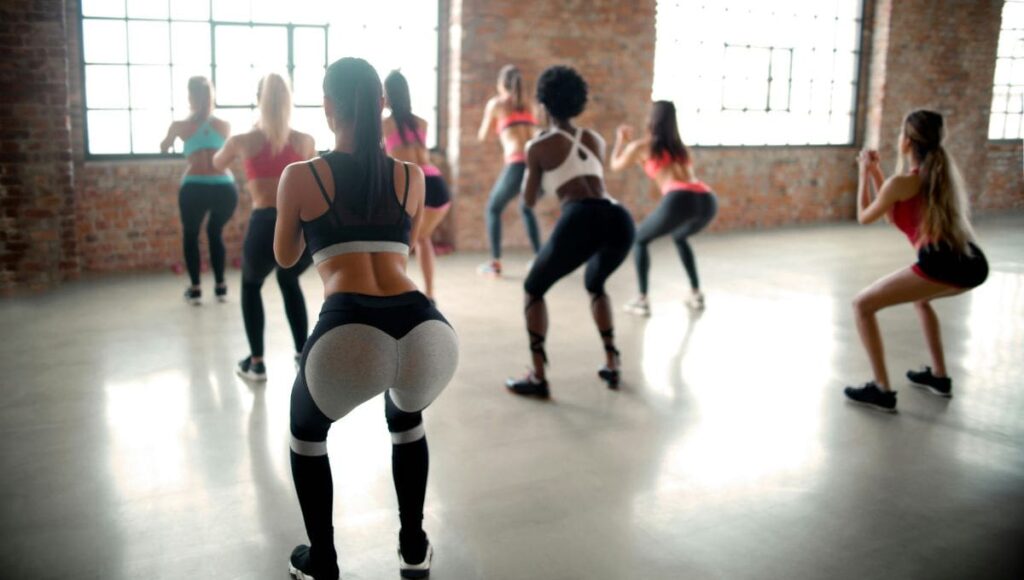
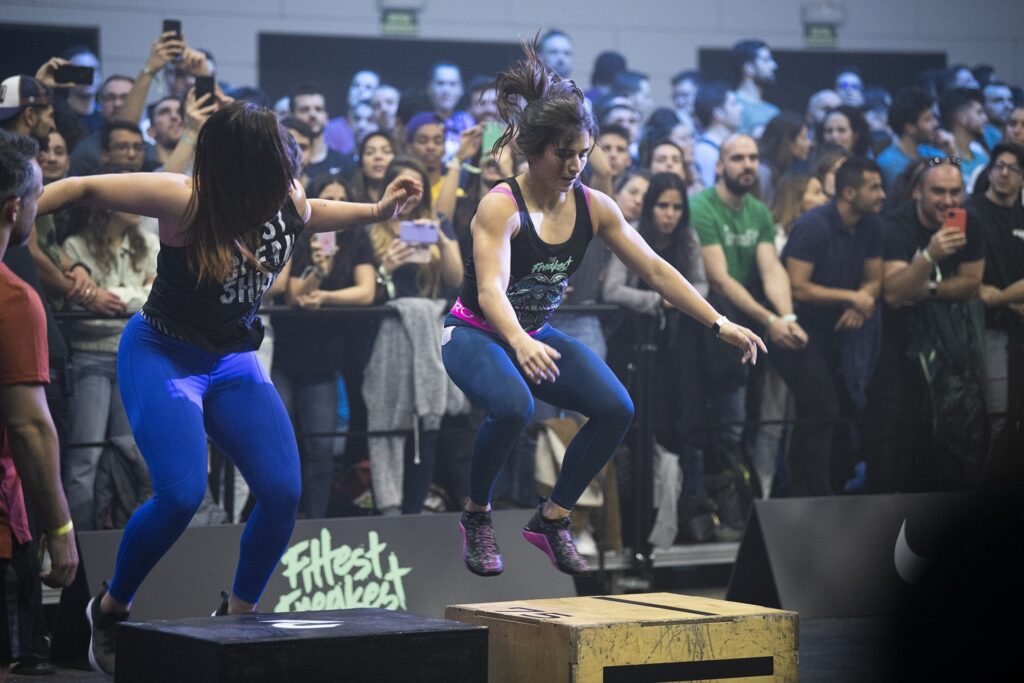
Any leg workout is going to incorporate movements at the knee joints, which occurs through flexion and extension. Two of the most common and popular exercises for the legs are squats and lunges.
While each exercise has plenty to offer for the legs, there are slight differences that could lead to building better, bigger legs. The content ahead describes the differences between squats vs lunges and how each contributes to overall leg gains.
Primary Muscles Used in Squats vs Lunges
There is a lot of overlap in the muscles used in squats vs lunges, but many of these muscles are primary movers. Let’s take a look at the primary muscles in the legs that are worked with both exercises.
- Glutes. The glutes are primarily targeted in squat and lunge exercises, as the hip extension that is performed in each movement targets these muscles. Not to mention, the glutes help to maintain balance and form throughout the range of motion of these exercises and they are the central players that most people aim to work.
- Quadriceps. The quads consist of four muscles that perform leg extension at the knees and flexion at the hips. The primary muscle in this group is the rectus femoris and squats and lunges target this area of the legs.
- Hamstrings. This group consists of three long muscles that are headlined by the biceps femoris muscle. The hamstrings cannot take as much load as the quads since there are three smaller muscles, but they help to bend the leg at the knees and assist in hip extension.
- Hip Abductors. The hip abductors are the muscles that support the leg’s inward movements. Often, these muscles are part of the groin and a major part of the inner thigh areas. While difficult to work extensively aside from lateral leg movements, the hip abductors are worked through balance training with squats and lunges.
- Hip Adductors. Similar to the abductors, the hip adductors are small muscles that stabilize the lower body. These muscles pull on inner this to cause inward motion of the legs towards the body.
- Gastrocnemius. The gastrocnemius is one of the major muscles of the lower leg and makes up the calf muscle. It has two head attachments at the posterior knee joint and travels to the heel of the toe through the Achilles tendon.
- Core. The core muscles provide ample support to the torso and play a big role in squats and lunges. Both exercises target the stability portion of the core, working the extensors, obliques, and even rectus abdominis with every rep.

Everything to Know About Squats
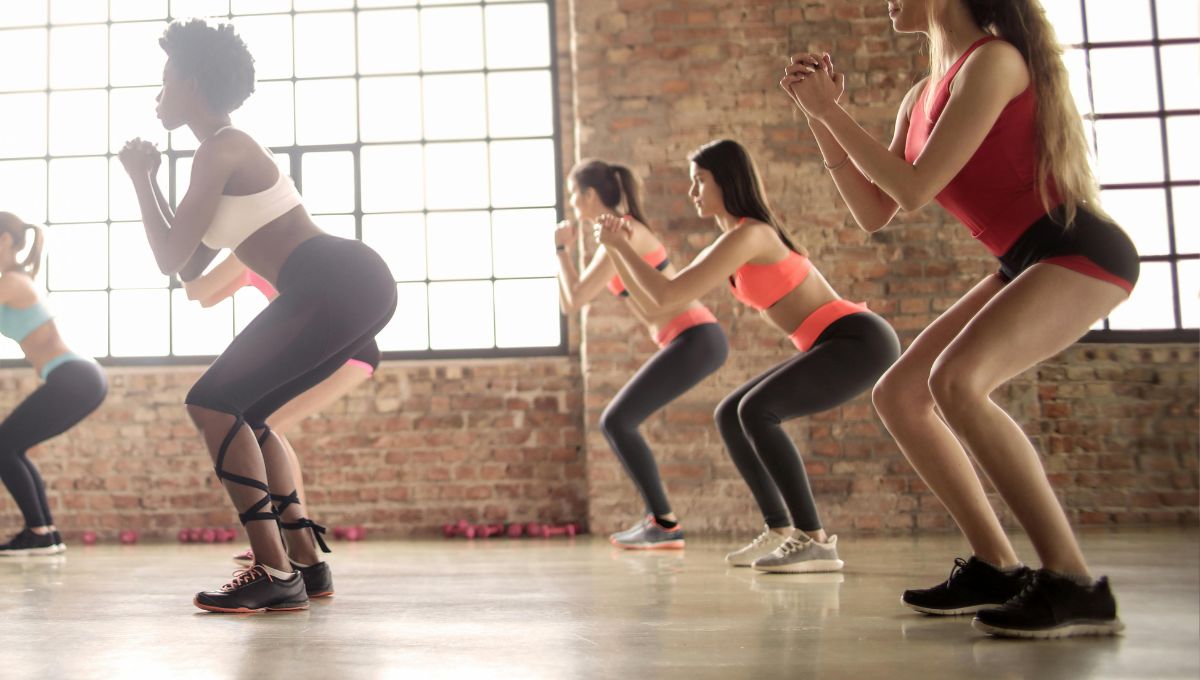
Squats are a common exercise that finds a major role in many workout programs. To properly perform a squat, form must be closely followed to isolate the leg muscles and prevent unnecessary injuries. Here are some optimal tips to keep in mind to hone in on your form.
Helpful Tips to Maintain Squat Form
- Avoid knees protruding past the toes. This can lead to an anterior tilt that can place stress on the knee joints.
- Extreme positions should be utilized in caution, as narrow or wide stances can increase the risk of injury.
- Maintain a straight back whenever you use bodyweight, dumbbells, or a barbell back squats. Keeping your weight in your heels will help to maintain a proper form that displaces the weight in your glutes rather than your knees.
Can Squats Work Your Fitness Too?
While they are known mostly for working the leg muscles, squats may be an important element in your fitness goals. Studies have shown that high volume squats can lead to substantial gains in VO2max levels. The VO2max is a measure of how well the body takes in oxygen and uses it during activity and is a strong indicator of overall wellness.
Squats Are Loaded with Variety
Squats allow for many types of varieties. For example, squats can be performed with different toe configurations, with bodyweight, barbells, dumbbells, kettlebells, weighted balls, and using equipment such as a backpack. The versatility of squats is what can be appreciated by many and each version gives a slightly different feel that works the legs. 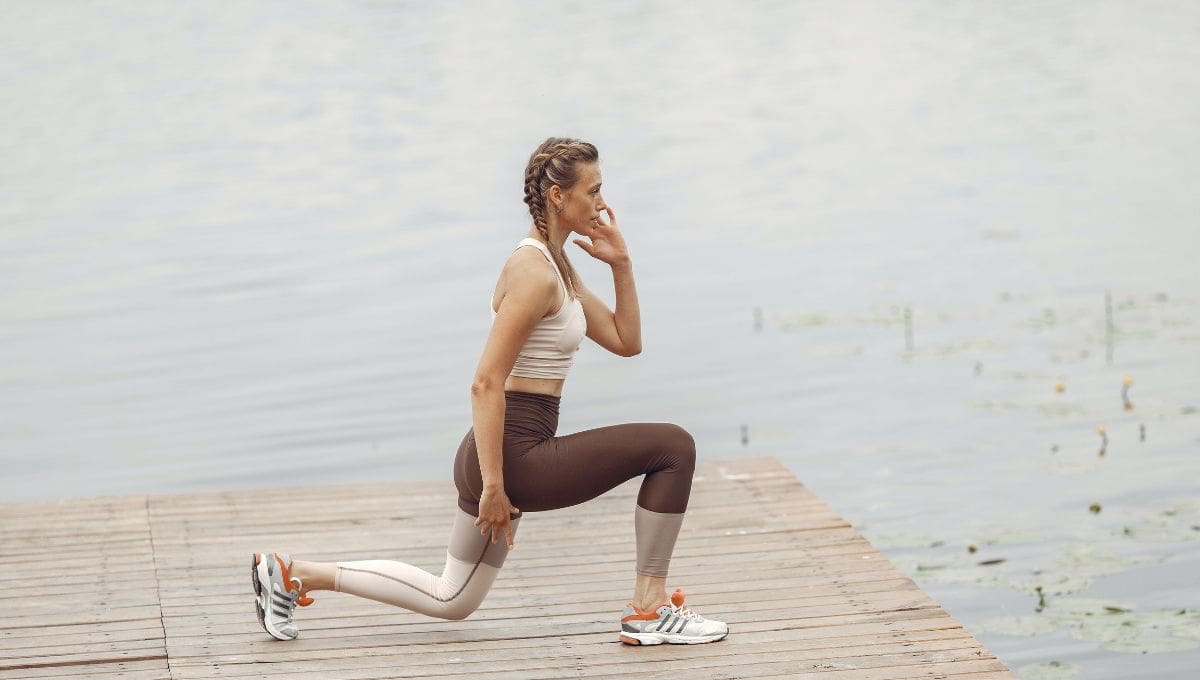
Everything to Know About Lunges
In contrast to the squat, lunges offer unilateral work that helps to target one leg at a time. Typically performed as a bodyweight exercise, lunges can work the thighs and hips for a great workout that rivals squats. Here are some useful tips to maintain lunge form.
Helpful Tips to Maintain Lunge Form
- Keep your bodyweight in the heels regardless of lunge variation. Keeping your bodyweight in your front heel can help to prevent unnecessary strain on your knees.
- Maintain an upright posture at all times. You get the most benefits when your core is engaged and primed for stability.
- Keep the leading and trailing legs in line. While there may be some deviation, maintaining a straight and natural line with your legs can help to work your legs and stability as much as possible.
Lunges Can Work Stability
Studies have shown the benefits of lunge exercises for leg strength. A 2022 study showed the effects of an 8-week exercise program using stable and unstable surfaces. This study showed that lunges can improve stability, balance, and strength on flat or uneven surfaces.
What are Some Lunge Variations?
Lunges, just like squats, have a great variety of options. Lunges can be performed with bodyweight, dumbbells, a barbell, kettlebells, weighted ball, walking lunges, lunge pulses, and reverse lunges. Try any of these options out and see which works best, but mixing it up can give the legs a different feel.
What is the Verdict on Squats vs Lunges?
When it comes to making a selection between squats vs lunges, it is easy to see that both offer great rewards for any fitness program. For pure power and hypertrophy, it seems squats have far more versatility than lunges. However, when it comes to stability and balance training, lunges win this debate.
Conclusion
If you are looking to work the legs and get stronger, consider what squats vs lunges have to offer. Utilizing a combination approach can help you to achieve a well-balanced exercise program that can help to keep your legs strong.
Resources
https://pmc.ncbi.nlm.nih.gov/articles/PMC6050697