Stretching is a fundamental component of physical fitness, but not all stretches are created equal. Two of the most common methods are static stretching and dynamic stretching. While both have their place in improving flexibility, mobility, and performance, they serve very different purposes and should be used in different parts of your workout routine. In this article, we will explore the differences between static and dynamic stretching, the science behind them, and when to use each for maximum benefit.
What Is Stretching and Why Is It Important?
Stretching is an exercise where specific muscles or muscle groups are deliberately flexed or stretched to improve muscle elasticity, tone, and overall range of motion. Whether you’re an elite athlete, a weekend warrior, or someone just trying to stay fit, stretching plays a crucial role in maintaining mobility and preventing injury.
Stretching helps:
- Improve flexibility and range of motion
- Increase blood flow to muscles, aiding recovery
- Enhance athletic performance
- Reduce muscle tension and stress
- Lower the risk of muscle strains and sprains
The Science Behind Stretching
The primary goal of stretching is to elongate muscle fibres and tendons, which can improve overall flexibility. Studies have shown that regular stretching can enhance both muscle elasticity and neuromuscular coordination, allowing for better movement patterns and reduced injury risk. However, the way stretching is performed and when it is performed significantly affects its outcomes.
The Only 5 Exercises You Need to Look Jacked (for Men Over 40)
Static Stretching: What Is It?

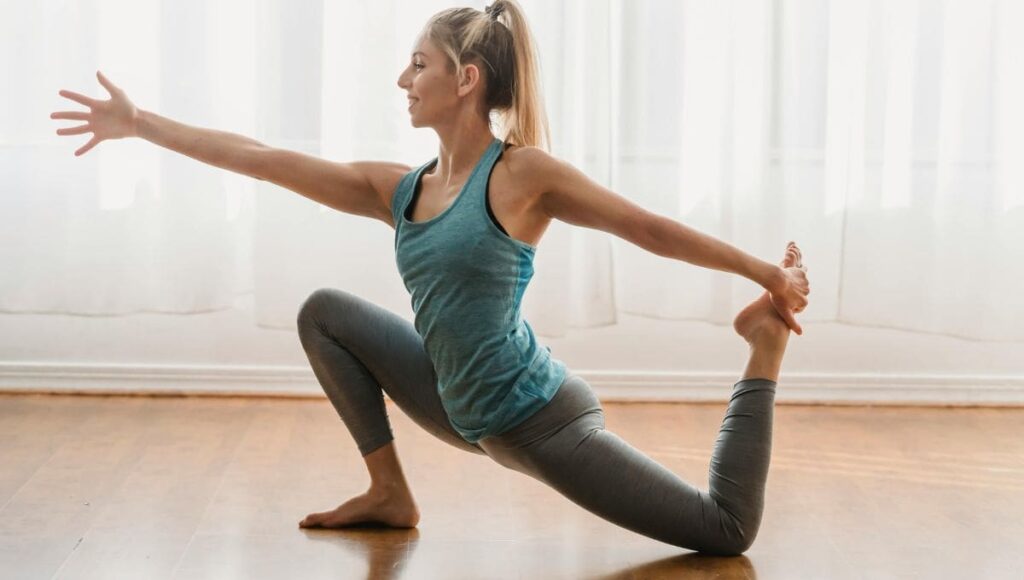
Static stretching involves holding a stretch for a set period (usually 15-60 seconds), targeting one muscle or muscle group at a time. During a static stretch, you move a muscle to its end range of motion and hold it without movement, allowing the muscle to gradually relax and lengthen.
How Static Stretching Works
Static stretching helps improve muscle flexibility by lengthening muscle fibres and tendons by holding a stretch, your muscle spindles, and the sensors that protect muscles from overstretching become desensitised over time, allowing a greater range of motion. This type of stretching also activates the parasympathetic nervous system, promoting relaxation.
Benefits of Static Stretching
- Improved Flexibility: Regular static stretching increases the flexibility of muscles and joints over time, which is essential for maintaining mobility as you age.
- Muscle Recovery: After intense physical activity, static stretching can help muscles return to their normal resting length and aid in the removal of metabolic waste like lactic acid.
- Relaxation: Holding a static stretch can calm the mind and body, making it a great tool for reducing muscle tension and promoting relaxation.
When to Use Static Stretching
Static stretching is most effective when used after workouts or physical activities. Since it promotes relaxation, it is not ideal for warming up muscles before strenuous activity. Studies have shown that static stretching before exercise may temporarily reduce muscle strength and power output, making it better suited for post-exercise cool-downs.
3 Things You Must Quit if You Want to Lose Body Fat
Dynamic Stretching: What Is It?
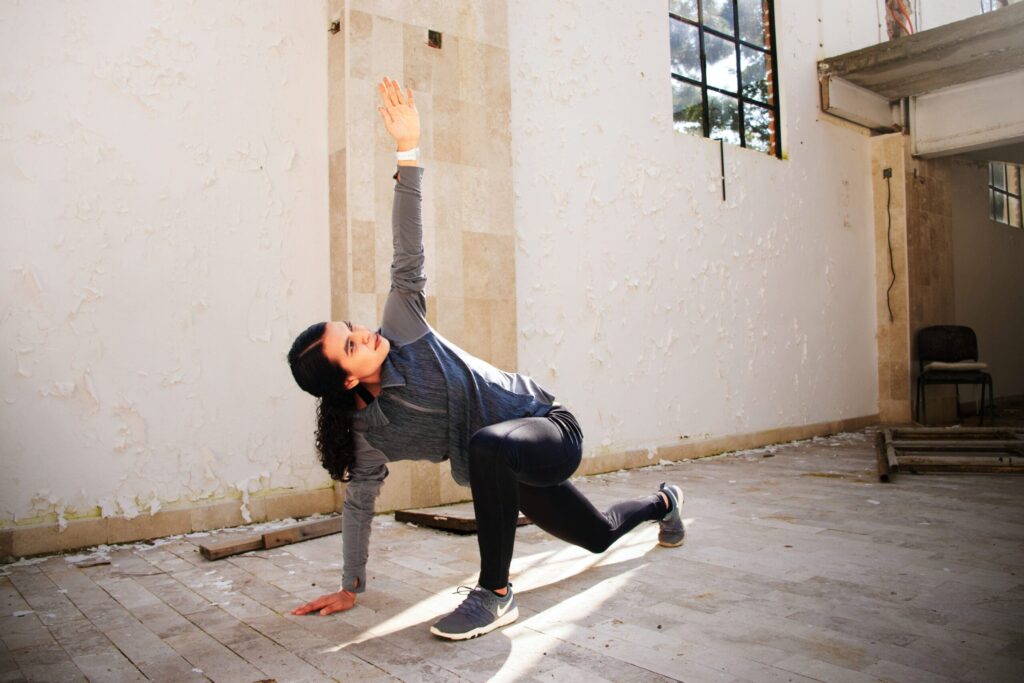
Dynamic stretching, unlike static stretching, involves active movements that stretch muscles through a full range of motion. These stretches mimic the movements of the activity or sport you’re about to engage in, gradually increasing in intensity and speed. Unlike static stretching, dynamic stretching does not involve holding the stretch in a stationary position.

How Dynamic Stretching Works
Dynamic stretching works by actively moving the joints and muscles through their full range of motion. This engages both the muscles and the nervous system, priming them for more intense activity. Dynamic stretching improves blood flow to the muscles, increases heart rate, and enhances neuromuscular coordination, all of which help prepare the body for exercise.
Benefits of Dynamic Stretching
- Increased Muscle Temperature: Dynamic stretching increases blood flow and muscle temperature, which improves muscle elasticity and reduces the risk of injury.
- Enhanced Performance: By actively engaging muscles and joints, dynamic stretching prepares the body for performance and has been shown to improve strength, power, and speed during exercise.
- Injury Prevention: Dynamic stretches activate and warm up the muscles, making them less likely to strain or tear during intense activity.
When to Use Dynamic Stretching
Dynamic stretching is most beneficial before physical activity. It’s particularly useful for athletes and anyone preparing for a workout because it warms up muscles and enhances performance. Dynamic stretching exercises, such as leg swings, arm circles, or walking lunges, are often integrated into sports warm-ups, allowing athletes to mimic the movements they’ll perform during the game.
Comparing Static and Dynamic Stretching
Flexibility and Mobility
- Static stretching is more effective at improving flexibility over time. Holding stretches for longer durations allows the muscles to adapt, leading to better long-term flexibility.
- Dynamic stretching improves mobility, or the ability to move joints through a full range of motion, but it’s less effective at increasing flexibility in the long term.
Warm-up vs Cool-down
- Static stretching is best for post-workout cool-downs when muscles are already warm. It helps muscles recover, return to their resting length, and prevents stiffness.
- Dynamic stretching is ideal for warming up. It prepares muscles for action, increases blood flow, and engages the nervous system, reducing the risk of injury.
Performance
- Static stretching before a workout can actually reduce strength and performance. Research suggests that static stretching before high-intensity activities can temporarily weaken muscles and reduce explosive power.
- Dynamic stretching, on the other hand, has been shown to improve performance in activities requiring strength, power, speed, and agility by preparing muscles for explosive movements.
7 Underrated Abs Exercises You Need to Try Today for a Stronger Core
Key Differences Between Static and Dynamic Stretching
| Aspect | Static Stretching | Dynamic Stretching |
|---|---|---|
| Type of Movement | No movement (held positions) | Active, movement-based |
| Duration | Held for 15-60 seconds | Continuous movement |
| Best Time to Perform | After workouts (cool-down) | Before workouts (warm-up) |
| Flexibility vs Mobility | Improves flexibility over time | Enhances mobility and range of motion |
| Effect on Performance | May temporarily reduce strength | Improves strength, power, and speed |
| Injury Prevention | Helps reduce muscle stiffness | Reduces injury risk by warming muscles |
Combining Static and Dynamic Stretching for Maximum Benefit
Both static and dynamic stretching have their place in a well-rounded fitness routine. While dynamic stretching is ideal for preparing the body for movement and performance, static stretching helps with long-term flexibility and muscle recovery. Incorporating both into your workouts ensures that you’re addressing both immediate and long-term needs for flexibility, mobility, and injury prevention.
Sample Stretching Routine
- Warm-up (Dynamic Stretching)
- Arm circles
- Walking lunges
- Leg swings
- High knees
- Hip circles
- Workout/Activity
- Cool-down (Static Stretching)
- Seated hamstring stretch
- Standing quad stretch
- Shoulder stretch
- Cobra stretch (for back and core)
By following this type of routine, you’ll ensure that your muscles are ready for action and have the opportunity to recover and lengthen properly after exercise.
The Importance of Stretching for Injury Prevention
Stretching, both dynamic and static, plays a vital role in injury prevention. Dynamic stretching before exercise increases blood flow and warms up muscles, which can significantly reduce the risk of strains, sprains, and other injuries during activity. Static stretching after a workout aids in muscle recovery, preventing stiffness and soreness that can lead to injury if left unaddressed. A balanced approach to stretching—dynamic before and static after—can keep your muscles healthy, flexible, and less prone to injury over time.

Conclusion
Stretching is an essential part of any fitness routine, but it’s important to understand the differences between static and dynamic stretching to use them effectively. Static stretching is excellent for improving flexibility and aiding muscle recovery after exercise, while dynamic stretching is perfect for warming up muscles and preparing the body for action. By integrating both types of stretching into your routine at the appropriate times, you can improve your performance, reduce the risk of injury, and keep your muscles healthy for the long term.
Should You Train in Silence or Listen to Music?
Key Takeaways
| Key Points | Static Stretching | Dynamic Stretching |
|---|---|---|
| When to use | After workouts for cool-down | Before workouts for warm-up |
| Primary benefit | Improves flexibility and muscle recovery | Improves mobility and performance |
| Duration of stretch | Held for 15-60 seconds | Continuous movement |
| Effect on performance | May reduce strength temporarily | Enhances strength and power |
| Best for | Flexibility, relaxation, recovery | Mobility, injury prevention, warm-up |
Bibliography
- Klee, A., Waburton, S., & Haydon, P. (2016) Muscle Function and Stretching: Mechanisms and Applications, Sports Science Journal, 29(3), pp. 211-226.
- McNeal, J., & Sands, W. (2003) The Effects of Stretching on Strength Performance, Journal of Sports Medicine, 17(2), pp. 86-94.
- Taylor, D., & Carlson, R. (2020) Flexibility Training: A Comprehensive Review of the Effects of Dynamic and Static Stretching, Journal of Fitness and Health, 24(4), pp. 109-115.
- Magnusson, P. (1998) Increased Flexibility: Mechanisms and Long-Term Benefits, Journal of Applied Physiology, 85(3), pp. 1299-1306.
- Behm, D. G., & Chaouachi, A. (2011) A Review of the Acute Effects of Static and Dynamic Stretching on Performance, European Journal of Applied Physiology, 111(11), pp. 2633-2651.