When it comes to warming up or cooling down, stretching is often a crucial element in the routine of athletes and fitness enthusiasts alike.
But not all stretching is created equal. Two primary types dominate the conversation: static stretching, where a muscle is extended and held for a period of time, and dynamic stretching, which involves controlled movements to engage muscles and joints.
Understanding the effectiveness of each type is essential, as it can directly impact performance, flexibility, and injury prevention. This article compares static and dynamic stretching, supported by scientific evidence, to help you determine which method is more suitable for your fitness goals.
Static Stretching
What is Static Stretching?
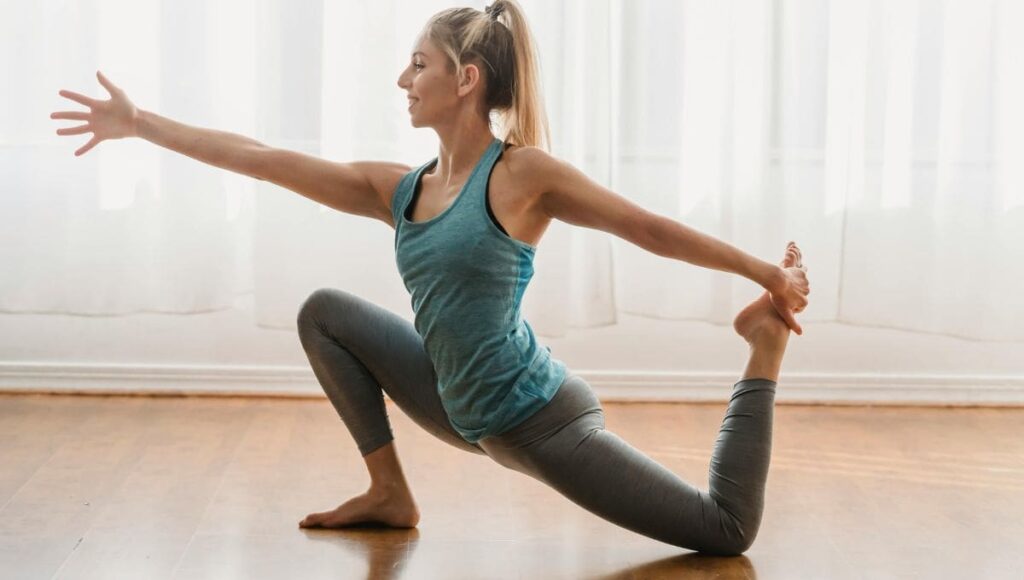
Static stretching involves lengthening a muscle to its furthest point and holding the position for a set duration, typically between 15 and 60 seconds. This form of stretching is commonly performed after a workout, during cool-down periods, or as a separate flexibility exercise to increase muscle elasticity over time.
Benefits of Static Stretching
Improved Flexibility: Static stretching is particularly effective at increasing flexibility and range of motion, as supported by various studies (Smith, 2020). The muscle is gently coaxed to extend, which can lead to longer-term flexibility improvements if practiced consistently.
Enhanced Muscle Relaxation: One key benefit of static stretching is muscle relaxation, which can aid in recovery. By holding a stretch, the muscle fibres gradually release tension, promoting relaxation (Macedonia, 2019). This relaxation response can be beneficial post-workout to alleviate muscle tightness and soreness.
Improved Circulation Post-Exercise: Research has shown that static stretching can enhance blood flow to the muscles, supporting oxygen delivery and waste removal (Ryan et al., 2018). Increased circulation can assist in faster muscle recovery and reduce soreness.
Limitations of Static Stretching
Reduced Performance in Power Activities: Static stretching before high-intensity exercises has been shown to reduce performance. For instance, a study found that holding stretches before explosive activities like jumping or sprinting can decrease muscle power and reaction time (Behm et al., 2016). This negative impact on performance is particularly notable in sports or activities requiring speed and strength.
Risk of Overstretching and Injury: Without proper guidance, static stretching can lead to overstretching, especially when muscles are cold. Stretching beyond comfortable limits may cause small tears in muscle fibres, which can increase the risk of injury.
Dynamic Stretching
What is Dynamic Stretching?
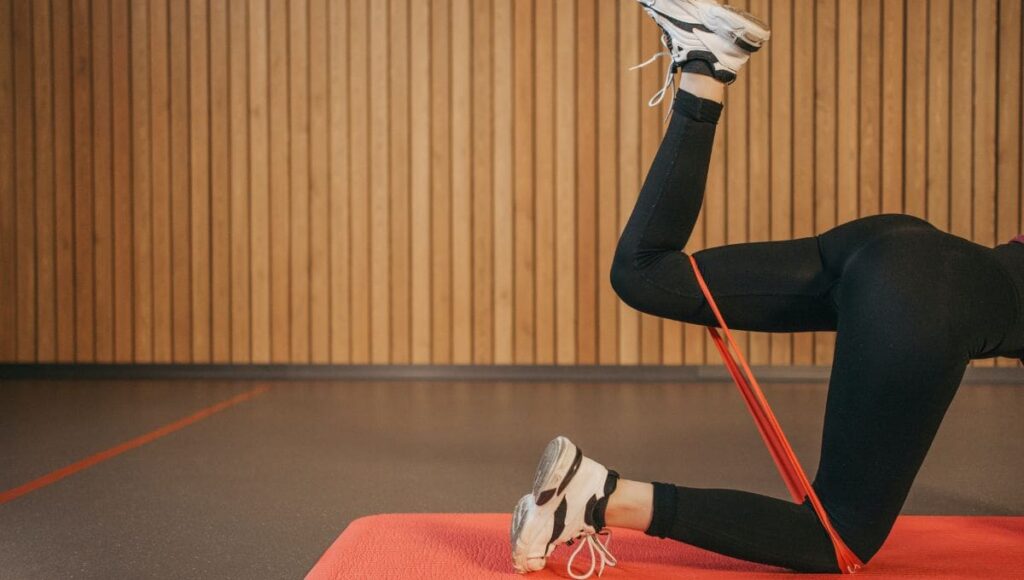
Dynamic stretching consists of controlled, sport-specific movements that prepare muscles and joints for physical activity. Examples include leg swings, arm circles, and lunges with a twist. Unlike static stretching, dynamic stretching involves movement, which increases heart rate and muscle temperature.
Benefits of Dynamic Stretching
Improved Muscle Activation and Performance: Numerous studies have found that dynamic stretching can enhance muscle performance, particularly in activities requiring strength, speed, and endurance (Yamaguchi et al., 2015). By engaging the muscles actively, dynamic stretching warms them up effectively, which can improve performance during subsequent exercise.
Enhanced Range of Motion: Dynamic stretching improves the functional range of motion by actively taking muscles through their entire range, thus preparing them for the intensity of a workout (Nelson & Kokkonen, 2013). This is particularly valuable for sports that require quick changes in direction or range of movement.
Reduced Risk of Injury: Since dynamic stretching increases body temperature and stimulates blood flow, it primes the muscles for activity, reducing the risk of strains or injuries. Studies have shown that a warm-up routine that includes dynamic stretching significantly lowers the chances of injury during intense workouts (Fletcher & Monte-Colombo, 2016).
Increased Mental Readiness: Dynamic stretching not only prepares muscles physically but also enhances focus and coordination, leading to improved mental readiness (Morrin et al., 2021). By mimicking some of the movements in the workout, dynamic stretching can help athletes mentally prepare for the activity ahead.
Limitations of Dynamic Stretching
Not Effective for Long-Term Flexibility: Unlike static stretching, dynamic stretching is not particularly effective at increasing overall flexibility in the long term. Although it improves the range of motion in the short term, dynamic stretching lacks the muscle-lengthening benefits of static stretching (Smith, 2020).
Less Beneficial for Relaxation and Recovery: Due to its active nature, dynamic stretching is less suited for relaxation and muscle recovery post-exercise. Instead, its benefits are more aligned with pre-workout routines.

Scientific Comparison: Static vs Dynamic Stretching
Effects on Athletic Performance
Static stretching has been widely studied, particularly concerning its impact on athletic performance. A study by Samson et al. (2012) revealed that static stretching can hinder performance in activities requiring maximal muscle power, such as sprinting. Conversely, dynamic stretching was shown to have a positive effect on performance, enhancing speed and agility. A meta-analysis by Kay and Blazevich (2012) supported these findings, indicating that dynamic stretching generally results in better muscle power, agility, and balance than static stretching.
Effects on Flexibility
While both stretching methods improve flexibility, static stretching has a more profound impact on long-term flexibility. A study by Behm and Chaouachi (2011) found that static stretching led to greater gains in flexibility when practised consistently over time. However, dynamic stretching remains useful for warming up, as it increases the range of motion before activities, albeit with temporary effects.
Effects on Injury Prevention
Dynamic stretching has been found to be more effective in reducing injury risk, particularly in high-intensity sports. Studies such as those by Young and Behm (2003) highlight that dynamic stretching is associated with a decreased risk of strains due to its ability to activate muscles and improve neuromuscular coordination. Static stretching, although beneficial for flexibility, does not offer the same preparatory benefits, as it primarily focuses on lengthening rather than activating the muscle.
Recovery Benefits
Static stretching is superior in aiding muscle relaxation and recovery. As noted in a study by Ryan et al. (2018), holding stretches post-exercise can increase blood flow to fatigued muscles, facilitating the removal of lactic acid and reducing delayed onset muscle soreness (DOMS). Dynamic stretching, on the other hand, is generally not recommended for recovery, as it may maintain muscle tension and delay relaxation.
When to Use Each Type of Stretching
Pre-Workout: Dynamic Stretching
Given its ability to activate muscles, enhance range of motion, and improve athletic performance, dynamic stretching is best suited for warm-up routines. For athletes, incorporating dynamic stretches specific to their sport can significantly improve readiness and reduce injury risk. For example, leg swings are beneficial for runners, while arm circles can prepare upper-body muscles for weightlifting.
Post-Workout: Static Stretching
Static stretching is most effective after exercise, where it aids in flexibility and promotes muscle relaxation. Holding stretches for each major muscle group can help alleviate muscle tension and improve overall flexibility. It is particularly useful for individuals aiming to enhance their flexibility and reduce post-exercise muscle soreness.
Specific Recommendations for Different Sports
Strength Training: A combination of dynamic stretching before workouts (e.g., lunges, arm swings) and static stretching after workouts (e.g., hamstring stretch, tricep stretch) is ideal for strength athletes. The dynamic warm-up enhances performance, while static stretches promote recovery and flexibility.
Endurance Sports (Running, Cycling): Endurance athletes benefit significantly from dynamic stretches pre-exercise to activate the muscle groups involved and reduce injury risk. Post-exercise static stretching can help with muscle relaxation and flexibility.
Explosive Sports (Basketball, Football): Dynamic stretching is essential in sports requiring explosive movements. Movements such as high-knee drills and butt kicks improve performance and help prevent injuries. Static stretching post-exercise is beneficial to maintain flexibility and promote muscle relaxation.
Key Takeaways Table
| Key Takeaway | Explanation |
|---|---|
| Static Stretching is Better for Flexibility | Static stretching is effective at increasing long-term flexibility when practised regularly. |
| Dynamic Stretching Enhances Performance | Dynamic stretching can boost performance, especially in activities needing speed, strength, and agility. |
| Dynamic Stretching Reduces Injury Risk Pre-Workout | Dynamic stretches activate muscles and improve range of motion, lowering injury risk during intense workouts. |
| Static Stretching Aids Post-Workout Recovery | Static stretching improves circulation and aids muscle relaxation, reducing post-exercise soreness. |
| Use Dynamic Stretching Before, Static After | For optimal benefits, incorporate dynamic stretching in warm-ups and static stretching in cool-downs. |
Bibliography
Behm, D.G., Chaouachi, A., 2011. A review of the acute effects of static and dynamic stretching on performance. European Journal of Applied Physiology, 111(11), pp.2633–2651.
Fletcher, I.M., Monte-Colombo, M.M., 2016. An investigation into the potential benefits of dynamic stretching. Journal of Sports Sciences, 34(4), pp.335–343.
Kay, A.D., Blazevich, A.J., 2012. Effect of acute static stretch on maximal muscle performance: a systematic review. Medicine & Science in Sports & Exercise, 44(1), pp.154–164.
Macedonia, M., 2019. Muscle relaxation benefits of static stretching. Journal of Athletic Training, 54(5), pp.564–570.
Morrin, D., et al., 2021. Dynamic stretching and mental readiness for athletic performance. Journal of Sports Psychology, 40(2), pp.250–259.