Ever wondered why losing weight feels like an uphill battle, especially if you’re starting with a higher body fat percentage? Thomas DeLauer, a respected voice in health and fitness, sheds light on this paradox in a recent discussion. It turns out, the body’s response to cardio for fat loss isn’t as straightforward as many think, particularly for those who carry more weight. Let’s dig into why cardio’s fat-burning potential differs so much between individuals and what can be done to maximise results.
The information below was extracted from a video shared by Thomas DeLauer, a celebrity trainer and health author. His YouTube Channel has more than 3.5 million subscribers and he has been on the cover of numerous international magazines.
The studies in question can be seen on the links below:
Energy compensation and adiposity in humans
Non-Exercise Activity Thermogenesis in Human Energy Homeostasis
Table of Contents
The Surprising Science of Energy Compensation
- Explanation of energy compensation
- How overweight individuals experience higher energy compensation
- Calorie burn misconceptions and real figures
One key term DeLauer highlights is energy compensation. This refers to how the body adjusts its calorie expenditure when you engage in physical activity. In simple terms, you’re not burning as many calories as you think you are. For instance, if you believe your run torched 500 calories, the reality might be closer to 360 calories. Why? Because the body compensates by reducing energy expenditure elsewhere during the day, making sure it doesn’t burn out too fast. This effect is even more pronounced in those with higher body fat.
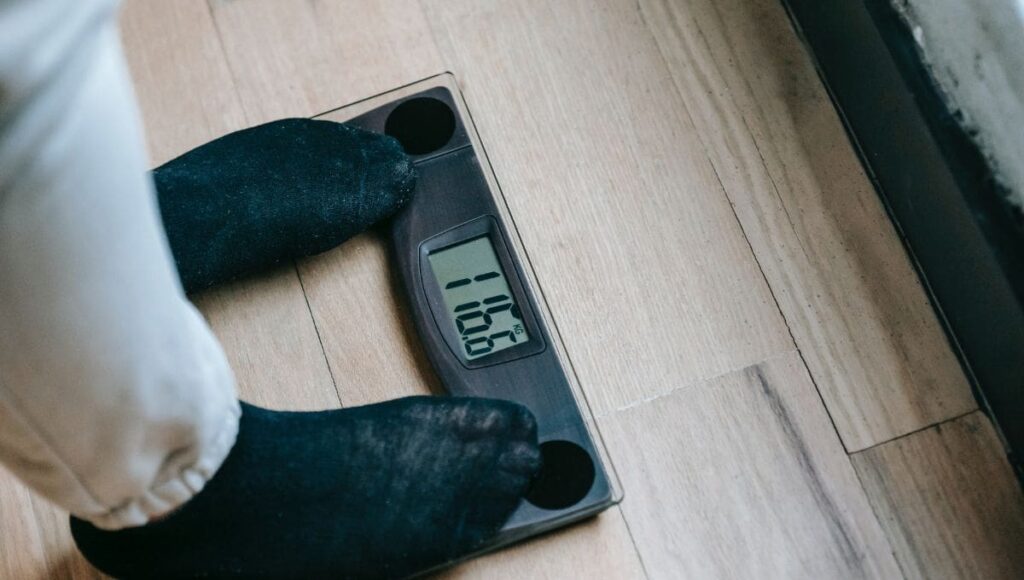
“People that are overweight or have higher amounts of fat on them have a higher energy compensation than those that are leaner,” DeLauer explains. This means that for individuals carrying excess weight, a cardio session might only burn 60 out of every 100 calories they expect, limiting the fat loss potential compared to their leaner counterparts.
Why Your Treadmill Might Be Lying to You
- The reality of calorie counters on exercise equipment
- Comparing devices to metabolic chambers
- Understanding long-term and short-term compensation effects
Even when using state-of-the-art equipment or wearable tech, the numbers can be misleading. DeLauer references a study published in Current Biology, which examined data from 1,754 people and revealed a staggering finding: only about 72% of the calories measured during exercise were truly burned. This discrepancy is due to the body’s innate drive to conserve energy as a protective measure. It’s like having a built-in “energy brake” that kicks in when you’re trying too hard to burn through those reserves.
Daily Movement vs. Traditional Cardio
- Importance of Non-Exercise Activity Thermogenesis (NEAT)
- Strategies to increase daily movement
- The shift in exercise priorities as you lose weight
If you’re struggling to shed weight and relying solely on cardio, Thomas DeLauer’s advice is golden: focus on daily movement rather than just intense cardio sessions. This approach, known as Non-Exercise Activity Thermogenesis (NEAT), includes everyday actions like walking, fidgeting, or taking the stairs. “Even if you’re not super overweight, if you’re over 20% body fat, this is going to be very relevant for you,” DeLauer notes.
For those starting at higher body fat percentages, the recommendation is clear—prioritise consistent, low-intensity movement throughout the day over exhaustive cardio routines. This strategy keeps your energy compensation lower and allows for a more effective calorie deficit without the body fighting back as strongly.
The Perfect Workout for Weight Loss
When to Turn Up the Cardio
- Transitioning to increased cardio as weight drops
- Balancing NEAT with more intense exercise
- Key indicators for when to increase cardio volume
Cardio isn’t entirely off the table, of course. As you begin to lose weight and enter a lower body fat range, your body’s energy compensation decreases. This shift allows cardio to become more effective for calorie burning. DeLauer shares a personal insight, “When I was very overweight, it would have been ideal for me to do maybe 30 minutes of cardio and then just move more throughout the day.” Once you’ve moved past that initial phase, you can safely introduce more cardio without facing such significant energy compensation.
Why Sprinting Will Get You a Ripped Physique

The Role of Nutrition in Managing Energy Compensation
- Prioritising protein for overweight individuals
- Why carbs matter less when daily movement is the focus
- How leaner individuals can reintroduce carbs with exercise
Thomas DeLauer emphasises that nutrition plays a complementary role in managing energy compensation. When prioritising fat loss, particularly for those with a higher body fat percentage, protein should take centre stage. “It becomes much more important for you when you’re overweight to prioritise the protein piece because you get the thermic effect and you compensate your calories there,” he points out. Protein helps boost the thermic effect of food (TEF), where your body burns calories just by digesting and utilising nutrients. This simple tweak can enhance daily calorie burn without putting extra strain on your metabolism.
Carbs, on the other hand, have their place but become more critical as your activity level increases. For someone who is still in the early stages of their weight loss journey, keeping carbs minimal while focusing on protein and non-starchy veggies is more effective. DeLauer notes, “Carbs are most noted in the scientific literature as being like an ergogenic aid,” meaning they help with performance during intense training rather than supporting a basic fat loss plan.
The Worst Thing to Eat If You Are Trying to Lose Weight
Movement Over Mileage: Reframing Your Approach
- Incorporating movement breaks throughout the day
- Examples of NEAT activities and their impact
- Long-term benefits of a NEAT-focused lifestyle
A major takeaway from DeLauer’s insight is the need to rethink exercise. While hitting the gym for a high-intensity session has its merits, it’s the cumulative daily movement that often delivers the most sustainable results, especially for those on the heavier side. Simple activities like household chores, walking during phone calls, or stretching can all contribute to a meaningful increase in daily calorie burn without overloading your body’s energy compensation system.

He sums it up succinctly: “Move a lot and do things like fidget, take the stairs once or twice a day—things like that. And then as I started to lose weight, I could increase the cardio a little more.” This balance helps maintain a healthy energy expenditure and sets the foundation for long-term success.
Finding the Balance: Cardio, NEAT, and Progressive Exercise
- Adapting your routine as you lose weight
- The dynamic shift from NEAT-focused activities to more structured workouts
- Maintaining consistency for long-term results
As body fat decreases, the role of structured cardio can grow without negatively impacting energy balance. This is where adjustments come in. The balance Thomas DeLauer advocates for involves starting with a NEAT-heavy approach, layering in moderate cardio as progress is made, and gradually shifting towards more intensive training and carbohydrate intake as exercise warrants it.
Final Thoughts

Yes, it’s true—your lean friend may find it easier to shed those last few pounds, but it’s not a matter of effort; it’s a matter of energy dynamics. The takeaway? Prioritise movement, smart nutrition choices, and adapt your exercise strategy as you progress. With patience and the right plan, anyone can work through the hurdles of energy compensation and make cardio more effective.
As DeLauer reminds us, “You can get there too.”