Building muscle takes more than grit and hours in the gym. Nutrition and recovery are equally critical—and supplements can be a powerful tool to fill nutritional gaps, accelerate recovery, and improve performance. Yet, the supplement market is flooded with products making bold claims. This Supplements 101 guide separates science from marketing hype, focusing only on those proven to help with muscle growth.
Understanding Muscle Growth

The Physiology of Hypertrophy
Muscle growth, or hypertrophy, occurs when the rate of muscle protein synthesis (MPS) exceeds muscle protein breakdown (MPB). Resistance training triggers muscle damage and inflammation, activating satellite cells that repair and enlarge muscle fibers (Schoenfeld, 2010). To optimize this process, sufficient amino acids, energy, and recovery are essential.
The Role of Nutrition and Supplementation
A high-protein diet provides the building blocks for new muscle tissue, while adequate calories supply the energy required for recovery. Supplements aim to enhance these processes—either by improving nutrient availability, increasing training output, or optimizing recovery mechanisms.
Protein Supplements: The Foundation of Muscle Building
Whey Protein
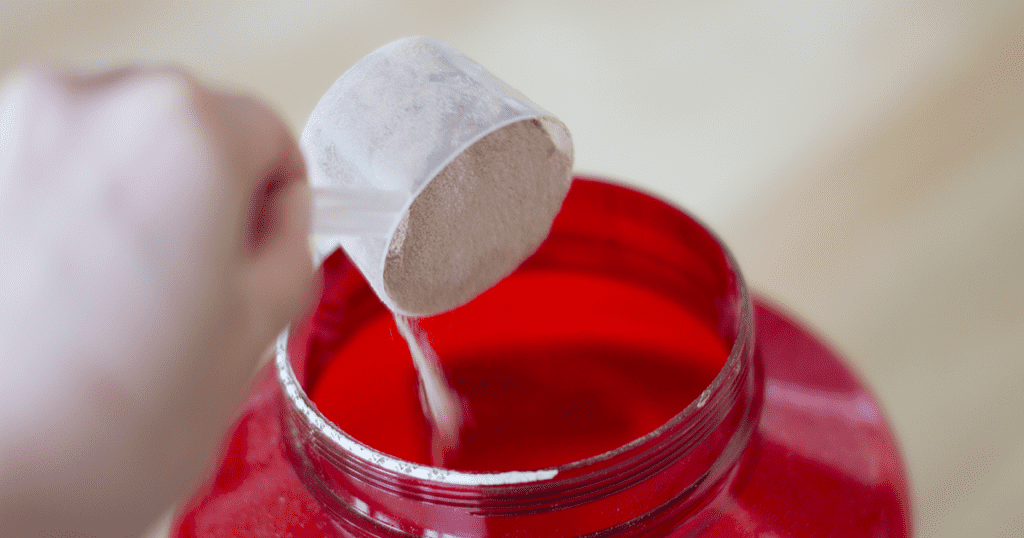
Whey protein remains the gold standard for muscle growth. Derived from milk, whey is rich in essential amino acids and particularly high in leucine, a key trigger for MPS. A meta-analysis by Cintineo et al. (2018) found that whey protein supplementation significantly increased lean body mass compared to placebo, especially when combined with resistance training.
Whey’s rapid digestion makes it ideal post-workout, quickly elevating amino acid levels in the blood. Concentrate, isolate, and hydrolysate forms differ mainly in protein content and digestion rate, with isolate offering higher purity.
Casein Protein
Casein digests more slowly than whey, providing a sustained release of amino acids. This makes it suitable for pre-bedtime use. Research by Res et al. (2012) showed that casein ingestion before sleep enhances overnight muscle protein synthesis.
Plant-Based Proteins
For those avoiding dairy, plant-based proteins like pea, soy, and rice offer viable alternatives. While generally lower in leucine, combining sources (e.g., pea and rice) can create a complete amino acid profile. A study by Joy et al. (2013) found that pea protein supported similar strength gains to whey when matched for total protein and leucine content.
Creatine Monohydrate: The Most Researched Supplement
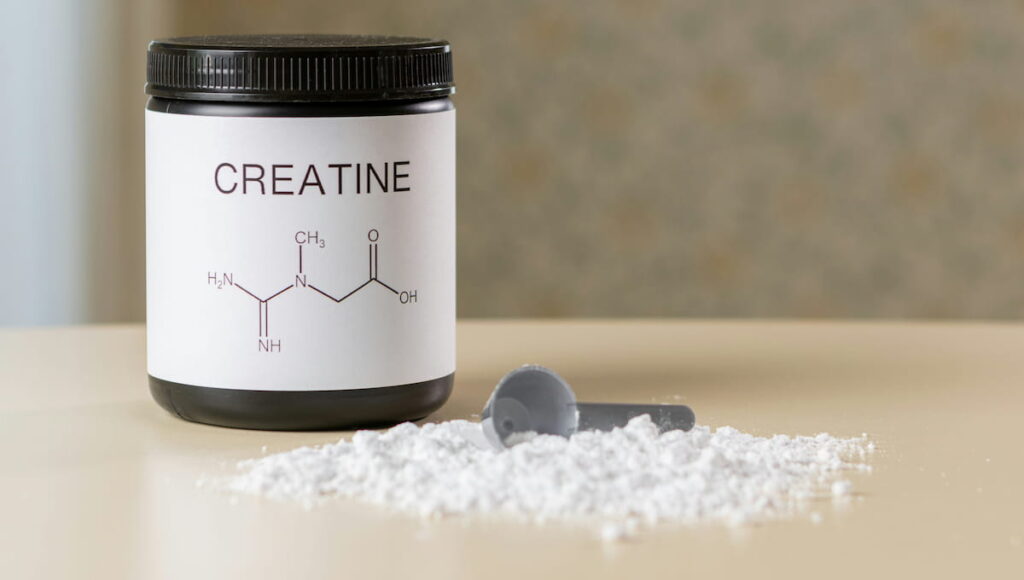
Creatine is among the most scientifically validated supplements for strength and muscle growth. It increases phosphocreatine stores in muscle tissue, enhancing the rapid regeneration of adenosine triphosphate (ATP)—the body’s primary energy currency during high-intensity exercise (Kreider et al., 2017).
Mechanism of Action
By boosting ATP availability, creatine allows for greater power output, improved training volume, and faster recovery between sets. It also increases cell hydration, which may stimulate anabolic signaling pathways like mTOR, contributing to muscle hypertrophy.
Evidence and Dosage
Hundreds of studies support creatine’s efficacy. A systematic review by Chilibeck et al. (2017) concluded that creatine supplementation increases lean mass, maximal strength, and performance in resistance-trained individuals. The typical dosage protocol involves a loading phase of 20g/day for 5–7 days, followed by a maintenance dose of 3–5g/day.
Beta-Alanine: Enhancing High-Intensity Performance
Beta-alanine is a non-essential amino acid that increases intramuscular carnosine concentrations. Carnosine buffers hydrogen ions produced during intense exercise, delaying fatigue and allowing for greater total training volume (Saunders et al., 2017).
Scientific Support

A meta-analysis by Hobson et al. (2012) showed that beta-alanine supplementation improves performance in exercises lasting 1–4 minutes, such as sprint intervals and hypertrophy-focused weightlifting sets. While beta-alanine does not directly cause muscle growth, it supports the training quality necessary for hypertrophy over time.
Practical Application
A daily intake of 4–6g divided into smaller doses minimizes paresthesia (tingling). Combining beta-alanine with creatine may have additive effects on performance.
Branched-Chain Amino Acids (BCAAs): Overrated or Useful?
BCAAs—leucine, isoleucine, and valine—have long been marketed as muscle builders. Leucine, in particular, activates the mTOR pathway, which regulates MPS. However, the effectiveness of isolated BCAAs is questionable when total dietary protein is sufficient.
A study by Jackman et al. (2017) found that BCAA supplementation alone produced a much smaller MPS response than a complete protein source. Unless overall protein intake is low, BCAAs add little additional benefit.
When BCAAs Might Help
BCAAs may be useful during fasted training or for vegetarians with limited leucine intake. Otherwise, whole protein sources are superior for muscle development.
Essential Amino Acids (EAAs): A Better Option
Unlike BCAAs, EAA supplements contain all nine essential amino acids required for MPS. A review by Wolfe (2017) concluded that EAAs stimulate MPS more effectively than BCAAs alone, particularly in older adults or during calorie restriction. Consuming 10–15g EAAs pre- or post-workout can enhance recovery when protein intake is suboptimal.
Omega-3 Fatty Acids: Supporting Recovery and Anabolism
Omega-3 fatty acids, particularly EPA and DHA, influence muscle metabolism through anti-inflammatory pathways and improved insulin sensitivity. Smith et al. (2011) demonstrated that omega-3 supplementation enhances the anabolic response to amino acids and insulin in older adults.
Mechanism of Action
Omega-3s incorporate into cell membranes, improving fluidity and signaling efficiency. They may also reduce delayed onset muscle soreness (DOMS) and enhance muscle recovery after intense training (Tinsley et al., 2017).
A daily dose of 2–3g combined EPA/DHA is recommended for general health and muscle recovery support.
Vitamin D: The Overlooked Hormone for Strength and Growth
Vitamin D plays a vital role in muscle function, protein synthesis, and hormonal balance. Deficiency is widespread, particularly in athletes training indoors. A study by Close et al. (2013) found that correcting vitamin D deficiency improved muscle strength and power output.
Mechanisms
Vitamin D receptors are expressed in skeletal muscle, influencing calcium handling, muscle fiber contractility, and recovery. Ensuring serum 25(OH)D levels above 30 ng/mL supports both general health and training performance.
Supplementation Guidelines
Daily intake of 2,000–4,000 IU is typical, though dosage should be tailored based on blood testing and sunlight exposure.
Beta-Hydroxy Beta-Methylbutyrate (HMB): Controversial but Promising
HMB is a metabolite of leucine believed to reduce muscle protein breakdown and enhance recovery. Research is mixed: some studies show modest benefits in untrained or elderly populations, while effects in trained athletes are minimal.
Wilson et al. (2013) reported that HMB supplementation enhanced lean mass and strength when combined with resistance training, but other studies have failed to replicate these results consistently. For those in caloric deficits or new to training, HMB may provide a small advantage.
Typical dosage: 3g/day, split across meals.
Caffeine: The Performance Enhancer

Caffeine is one of the most reliable ergogenic aids available. It increases alertness, reduces perceived exertion, and enhances endurance and strength performance (Grgic et al., 2018). While caffeine doesn’t build muscle directly, it allows greater training intensity and volume, indirectly supporting hypertrophy.
Dosing Strategy
An effective range is 3–6 mg per kg of body weight, taken 30–60 minutes before training. Sensitivity varies, so individual tolerance should guide use.
Citrulline Malate: Boosting Blood Flow and Reducing Fatigue
Citrulline malate increases plasma arginine and nitric oxide levels, enhancing blood flow and nutrient delivery to muscles. It also reduces ammonia accumulation, delaying fatigue during resistance training.
Perez-Guisado and Jakeman (2010) demonstrated that 8g citrulline malate increased repetitions to failure and reduced muscle soreness 24 hours post-exercise. This makes it a useful pre-workout addition for those focusing on muscle growth.
Multivitamins and Micronutrient Support
Deficiencies in micronutrients such as magnesium, zinc, and iron can impair muscle recovery, hormone production, and energy metabolism. While whole foods should cover most needs, athletes with restrictive diets or high training demands may benefit from a high-quality multivitamin.
Key Nutrients for Muscle Function
- Magnesium: Involved in over 300 enzymatic reactions, including ATP synthesis.
- Zinc: Supports testosterone production and immune function.
- Iron: Essential for oxygen transport and energy metabolism.
Proper micronutrient status ensures the body functions efficiently under the stress of intense training.
Supplements with Limited or Inconsistent Evidence
Despite their popularity, some supplements show limited or inconsistent results for muscle building.
Glutamine
Although glutamine supports immune function and gut health, its direct effect on muscle growth in healthy athletes is negligible (Antonio et al., 2002).
Testosterone Boosters
Herbal “test boosters” like tribulus terrestris and fenugreek show no consistent evidence of increasing muscle mass or testosterone in healthy individuals (Sellami et al., 2018).

Arginine
While theoretically a nitric oxide precursor, arginine’s low bioavailability makes it less effective than citrulline malate for increasing blood flow.
Practical Supplement Stack for Muscle Growth
For most athletes, a minimalist, evidence-based stack is optimal:
- Whey or plant protein: To meet daily protein targets.
- Creatine monohydrate: To enhance strength and lean mass.
- Beta-alanine: To delay fatigue during high-intensity training.
- Omega-3s: To improve recovery and reduce inflammation.
- Vitamin D: To support muscle function and hormone balance.
- Caffeine: To enhance workout performance.
- Citrulline malate: To increase training volume and pump.
Consistency and proper nutrition remain the foundation—supplements simply enhance an already-strong training and diet plan.
Conclusion
Supplements are not magic solutions, but when applied strategically, they can significantly enhance training outcomes. The best approach is to prioritize whole foods and evidence-based supplements that directly support muscle protein synthesis, recovery, or training performance.
In this Supplements 101 guide, the data clearly favor a select few: protein, creatine, beta-alanine, omega-3s, vitamin D, caffeine, and citrulline malate. Together, these compounds are backed by robust scientific evidence and years of practical success in both athletes and recreational lifters.
Key Takeaways
| Supplement | Primary Benefit | Evidence Strength | Recommended Dose |
|---|---|---|---|
| Whey Protein | Stimulates muscle protein synthesis | Strong | 20–40g post-workout |
| Casein | Sustained amino acid release | Strong | 30–40g before sleep |
| Creatine Monohydrate | Increases strength and lean mass | Strong | 3–5g daily |
| Beta-Alanine | Delays muscular fatigue | Moderate-Strong | 4–6g daily |
| EAAs | Stimulate MPS when protein intake is low | Moderate | 10–15g pre/post-workout |
| Omega-3s | Reduces inflammation, supports anabolism | Moderate | 2–3g EPA/DHA daily |
| Vitamin D | Supports muscle and hormone function | Strong | 2,000–4,000 IU daily |
| Caffeine | Increases performance and training output | Strong | 3–6mg/kg pre-workout |
| Citrulline Malate | Enhances blood flow and endurance | Moderate | 6–8g pre-workout |
| HMB | Reduces muscle breakdown (limited cases) | Weak-Moderate | 3g daily |
References
- Antonio, J., Sanders, M., Ehler, L., Uelmen, J., Raether, J., Stout, J. & Wiles, J. (2002) ‘Effects of glutamine supplementation on body composition and strength performance’, Journal of Strength and Conditioning Research, 16(1), pp.157–160.
- Chilibeck, P.D., Kaviani, M., Candow, D.G. & Zello, G.A. (2017) ‘Effect of creatine supplementation during resistance training on lean tissue mass and muscular strength in older adults: a meta-analysis’, Open Access Journal of Sports Medicine, 8, pp.213–226.
- Cintineo, H.P., Arent, M.A., Antonio, J. & Arent, S.M. (2018) ‘Effects of protein supplementation on performance and recovery in resistance and endurance training’, Frontiers in Nutrition, 5, pp.83–93.
- Close, G.L., Russell, J., Cobley, J.N., Owens, D.J., Wilson, G., Fraser, W.D. & Morton, J.P. (2013) ‘Assessment of vitamin D concentration in non-supplemented professional athletes and healthy adults during the winter months in the UK’, British Journal of Sports Medicine, 47(12), pp.784–788.
- Grgic, J., Trexler, E.T., Lazinica, B. & Pedisic, Z. (2018) ‘Effects of caffeine intake on muscle strength and power: a systematic review and meta-analysis’, Journal of the International Society of Sports Nutrition, 15(11).
- Hobson, R.M., Saunders, B., Ball, G., Harris, R.C. & Sale, C. (2012) ‘Effects of beta-alanine supplementation on exercise performance: a meta-analysis’, Amino Acids, 43(1), pp.25–37.
- Jackman, S.R., Witard, O.C., Jeukendrup, A.E. & Tipton, K.D. (2017) ‘Branched-chain amino acid ingestion stimulates muscle myofibrillar protein synthesis following resistance exercise’, Amino Acids, 49(4), pp.677–686.
- Joy, J.M., Lowery, R.P., Wilson, J.M., Purpura, M. & De Souza, E.O. (2013) ‘The effects of 8 weeks of whey or pea protein supplementation on body composition and exercise performance’, Journal of the International Society of Sports Nutrition, 10(1), pp.39–48.
- Kreider, R.B., Kalman, D.S., Antonio, J., Ziegenfuss, T.N., Wildman, R., Collins, R. & Lopez, H.L. (2017) ‘International Society of Sports Nutrition position stand: safety and efficacy of creatine supplementation in exercise, sport, and medicine’, Journal of the International Society of Sports Nutrition, 14(1), pp.18–30.
- Perez-Guisado, J. & Jakeman, P.M. (2010) ‘Citrulline malate enhances athletic anaerobic performance and relieves muscle soreness’, Journal of Strength and Conditioning Research, 24(5), pp.1215–1222.
- Res, P.T., Groen, B., Pennings, B., Beelen, M., Wallis, G.A. & van Loon, L.J. (2012) ‘Protein ingestion before sleep improves postexercise overnight recovery’, Medicine & Science in Sports & Exercise, 44(8), pp.1560–1569.
- Saunders, B., Elliott-Sale, K., Artioli, G.G., Swinton, P.A., Dolan, E., Roschel, H. & Sale, C. (2017) ‘Beta-alanine supplementation to improve exercise capacity and performance: a systematic review and meta-analysis’, British Journal of Sports Medicine, 51(8), pp.658–669.
- Schoenfeld, B.J. (2010) ‘The mechanisms of muscle hypertrophy and their application to resistance training’, Journal of Strength and Conditioning Research, 24(10), pp.2857–2872.
- Smith, G.I., Atherton, P., Reeds, D.N., Mohammed, B.S., Rankin, D. & Rennie, M.J. (2011) ‘Dietary omega-3 fatty acid supplementation increases the rate of muscle protein synthesis in older adults’, American Journal of Clinical Nutrition, 93(2), pp.402–412.
- Tinsley, G.M., La Bounty, P.M. & Magee, M.H. (2017) ‘Effects of fish oil supplementation on recovery from exercise-induced muscle damage: a meta-analysis’, Journal of Dietary Supplements, 14(1), pp.89–100.
- Wilson, J.M., Lowery, R.P., Joy, J.M., Andersen, J.C., Wilson, S.M. & Stout, J.R. (2013) ‘The effects of HMB free acid supplementation on skeletal muscle and strength in resistance-trained individuals’, Journal of the International Society of Sports Nutrition, 10(1), pp.6–17.
- Wolfe, R.R. (2017) ‘Branched-chain amino acids and muscle protein synthesis in humans: myth or reality?’, Journal of the International Society of Sports Nutrition, 14(1), pp.30–38.
- Sellami, M., Slimeni, O., Pokrywka, A., Kuvačić, G., Hayes, L.D. & Milic, M. (2018) ‘Herbal supplements and testosterone boosting: myths and evidence’, Frontiers in Endocrinology, 9, pp.121–131.