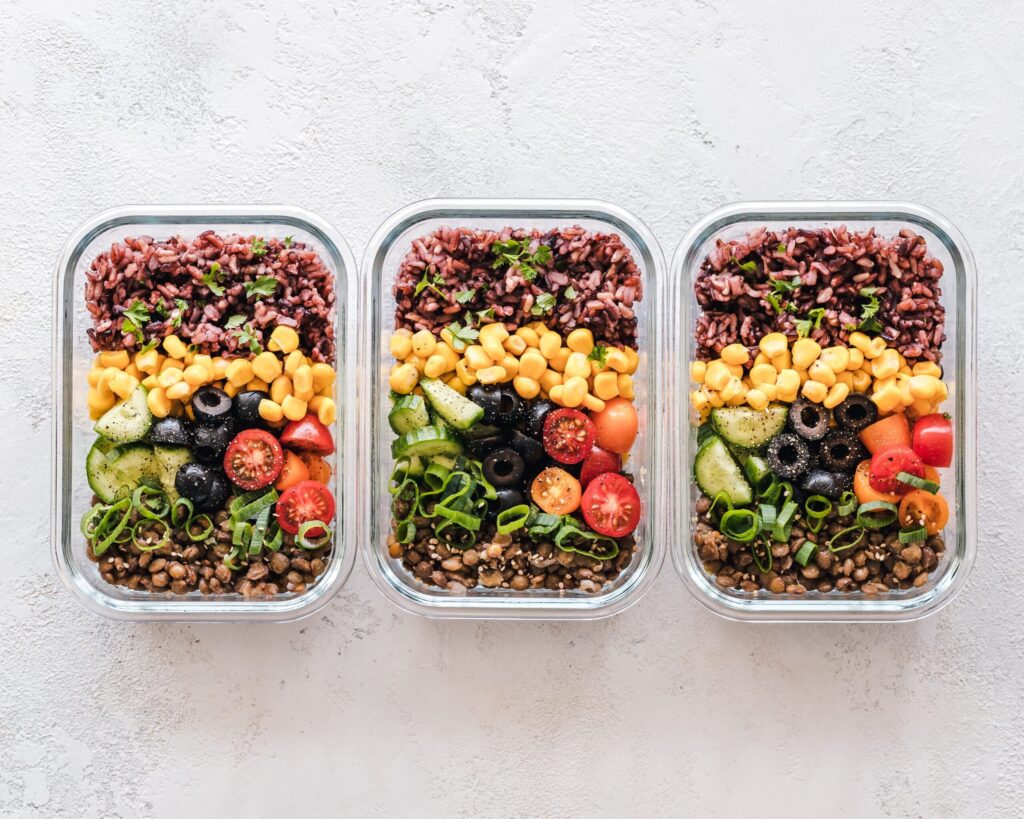
Building muscle doesn’t have to drain your wallet. While supplements, designer protein powders, and meal prep services are convenient, real and affordable foods can deliver the same—if not better—results.
When it comes to muscle growth, consistency in nutrition is key, and sustainable eating means finding foods that fit your budget and body.
This guide explores ten budget friendly foods for muscle gain, each backed by scientific evidence. You’ll learn how these foods support hypertrophy, recovery, and strength, as well as practical tips to include them in your diet without overspending.
Understanding Muscle Gain and Nutrition
Muscle gain depends on two primary factors: progressive resistance training and adequate nutrition. To support hypertrophy, your diet must provide:
- Sufficient calories to maintain a positive energy balance.
- Adequate protein (1.6–2.2 g/kg of body weight daily) for muscle protein synthesis.
- Carbohydrates to replenish glycogen stores.
- Healthy fats to support hormone production and nutrient absorption.
Scientific evidence confirms that maintaining an energy surplus combined with high-quality protein intake enhances lean muscle mass over time (Morton et al., 2018).
The good news? You don’t need exotic superfoods or expensive meal plans to achieve this. Many cost-effective, nutrient-dense options are readily available.
1. Eggs
Eggs are among the most complete and affordable protein sources available. A single large egg provides about 6–7 grams of high-quality protein along with essential amino acids like leucine, which triggers muscle protein synthesis (Layman, 2009).

Why They’re Great for Muscle Growth
- High biological value protein, meaning nearly all of it is absorbed and utilized.
- Contain vitamin D, B12, and choline, all crucial for metabolism and recovery.
- Studies show that consuming whole eggs after resistance training promotes greater muscle protein synthesis compared to egg whites alone (van Vliet et al., 2017).
Budget Tip
Buy eggs in bulk or from local markets. They store well and can be prepared in multiple ways—boiled, scrambled, or mixed into rice or oats for extra protein.
2. Oats
Oats are a complex carbohydrate powerhouse that fuels workouts and supports recovery. They provide slow-releasing energy, fiber, and trace minerals like magnesium and iron.

Why They’re Great for Muscle Growth
- Stabilizes blood glucose levels, preventing energy crashes during long training sessions.
- High in beta-glucans, which support cardiovascular health and nutrient absorption (Whitehead et al., 2014).
- When paired with milk or whey, they form a balanced post-workout meal with optimal carb-to-protein ratios for glycogen replenishment.
Budget Tip
Buy plain rolled or steel-cut oats in large bags—they’re cheaper and more versatile than pre-flavored varieties.
3. Canned Tuna
Tuna offers lean, convenient, and cost-efficient protein, with around 25 grams per 100 grams serving. It’s an ideal source of omega-3 fatty acids, which have been shown to enhance muscle protein synthesis and reduce exercise-induced inflammation (Smith et al., 2011).
Why They’re Great for Muscle Growth
- Low in fat yet rich in protein and micronutrients like selenium.
- Omega-3s improve anabolic signaling and muscle recovery.
- Easy to store and mix into salads, wraps, or rice bowls.
Budget Tip
Choose canned tuna in water, not oil, for a leaner option. Compare prices by weight—supermarket brands often offer the same quality at lower costs.
4. Chicken Thighs
While chicken breast is often touted as the gold standard for lean protein, chicken thighs are more budget friendly and nearly as effective for muscle gain.
Why They’re Great for Muscle Growth
- Contain 25–27 grams of protein per 100 grams.
- Slightly higher fat content adds flavor and improves satiety.
- Rich in zinc and B vitamins, supporting recovery and immune function.
Research shows that total daily protein intake is more important than small differences in fat content for muscle hypertrophy (Morton et al., 2018).
Budget Tip
Buy family-sized packs or frozen thighs to save money. They’re ideal for bulk cooking and meal prep.
5. Lentils
Lentils are a plant-based protein gem, offering 18 grams of protein per cooked cup along with complex carbohydrates, iron, and fiber. They’re a staple for vegetarians aiming to build muscle on a budget.
Why They’re Great for Muscle Growth
- Contain slow-digesting carbs for sustained energy.
- High in lysine, an amino acid often limited in plant proteins.
- Combining lentils with rice or whole grains creates a complete amino acid profile (Young & Pellett, 1994).
Budget Tip
Buy dried lentils in bulk—they’re cheaper and have a long shelf life. Cook large batches for stews, soups, or curries.
6. Greek Yogurt
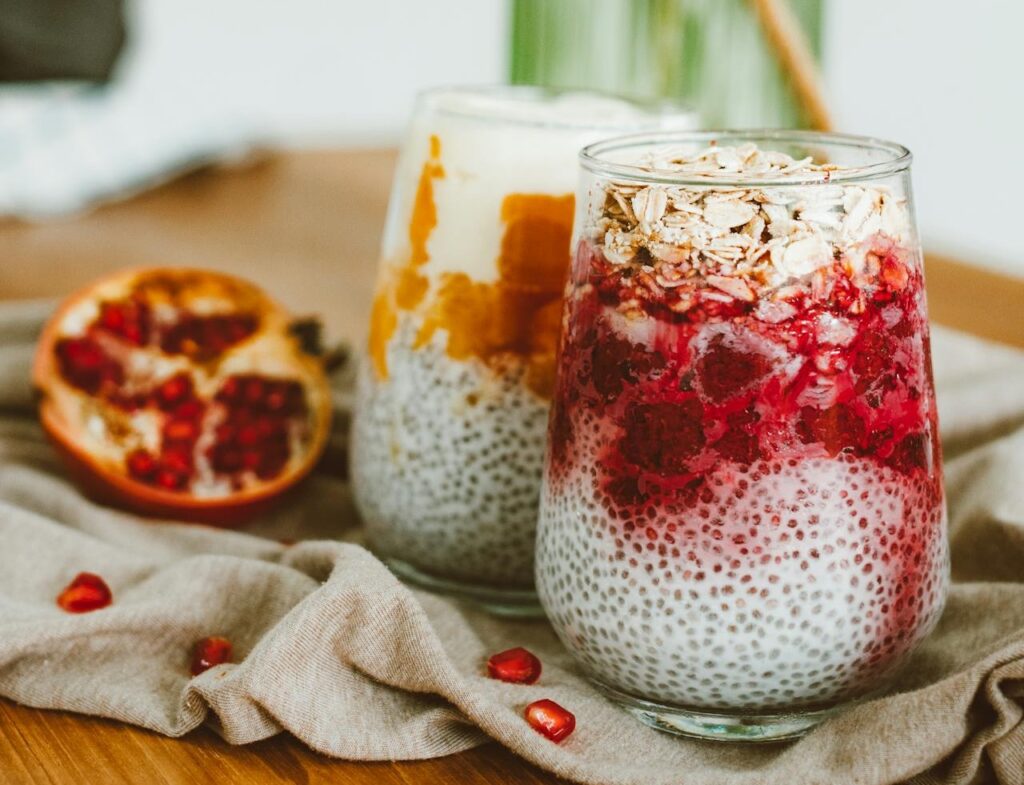
Greek yogurt is a protein-dense dairy product that also delivers probiotics for gut health. A single 200-gram serving provides around 18–20 grams of casein and whey protein combined.
Why They’re Great for Muscle Growth
- The casein content provides a slow, sustained amino acid release ideal for overnight recovery (Boirie et al., 1997).
- Contains calcium and vitamin B12, supporting muscle contraction and energy metabolism.
- Clinical studies show that consuming dairy proteins after exercise enhances lean mass gains over time (Phillips, 2014).
Budget Tip
Opt for store-brand plain Greek yogurt instead of flavored varieties. Add fruit or oats for natural sweetness and carbs.
7. Peanut Butter
Peanut butter is a calorie-dense, nutrient-rich food ideal for those struggling to eat enough for muscle gain. Two tablespoons provide about 8 grams of protein and 190 calories, primarily from healthy monounsaturated fats.
Why They’re Great for Muscle Growth
- Excellent for maintaining a caloric surplus.
- Provides arginine, an amino acid linked to nitric oxide production and improved blood flow to muscles (McKnight et al., 2010).
- Contains magnesium and vitamin E for muscle and nerve function.
Budget Tip
Choose natural peanut butter with minimal ingredients (just peanuts and salt). Store brands are often cheaper than name brands without sacrificing quality.
8. Brown Rice
Brown rice is a slow-digesting carbohydrate source that supports endurance and recovery. Though it’s not protein-rich, it’s a vital part of a balanced muscle-building meal.
Why They’re Great for Muscle Growth
- Provides steady energy for glycogen restoration post-training.
- Contains fiber and antioxidants that promote metabolic health (Slavin, 2005).
- When combined with beans, lentils, or chicken, forms a complete muscle-supporting meal.
Budget Tip
Buy 5–10 kg sacks to significantly reduce cost per serving. Store in airtight containers to extend freshness.
9. Cottage Cheese
Cottage cheese is one of the most underrated budget-friendly muscle foods. It provides around 14 grams of slow-digesting casein protein per ½ cup.
Why They’re Great for Muscle Growth
- Casein helps sustain amino acid availability for muscle repair overnight (Res et al., 2012).
- Low in fat (depending on variety) and rich in calcium and phosphorus.
- Studies show that pre-sleep casein intake enhances overnight muscle protein synthesis (Snijders et al., 2019).
Budget Tip
Opt for large tubs of low-fat cottage cheese for maximum value. Pair it with fruit or oats for a nutrient-dense snack.
10. Frozen Vegetables
While not a primary protein source, frozen vegetables are indispensable for a muscle-building diet. They supply essential micronutrients, antioxidants, and fiber—all crucial for recovery, immune health, and nutrient utilization.
Why They’re Great for Muscle Growth
- Frozen at peak ripeness, retaining most vitamins and minerals (Rickman et al., 2007).
- Contain phytonutrients that combat oxidative stress from training.
- Fiber improves digestion and nutrient absorption efficiency.
Budget Tip
Buy mixed frozen vegetables in bulk bags—they’re cheaper than fresh produce, require no prep, and reduce food waste.
Meal Planning and Cost Optimization Strategies

Building muscle affordably isn’t just about what you eat—it’s about how you buy and prepare food.
Buy in Bulk and Cook in Batches
- Purchasing staples like oats, rice, and beans in bulk cuts cost per meal.
- Batch-cooking chicken, lentils, or rice ensures you always have high-protein meals ready.
Use Protein Variety
Combining animal and plant proteins improves amino acid balance while keeping costs down. For instance:
- Eggs + oats
- Lentils + rice
- Greek yogurt + peanut butter
Limit Processed Foods
While convenient, processed “fitness foods” and ready-made protein snacks are often overpriced relative to their nutritional content.
Track Nutritional Intake
Use a food-tracking app to ensure you meet your caloric and macronutrient goals consistently.
The Science of Protein Timing and Muscle Synthesis
It’s not only total protein intake that matters—timing and distribution also influence hypertrophy.
- Consuming 20–40 grams of protein every 3–4 hours maximizes muscle protein synthesis throughout the day (Areta et al., 2013).
- Post-workout meals combining protein and carbohydrates accelerate glycogen replenishment and reduce muscle breakdown.
- Casein-based foods (Greek yogurt, cottage cheese) before sleep can enhance overnight recovery.
Micronutrients Matter Too
Muscle growth depends on more than macronutrients. Deficiencies in vitamins D, B12, iron, magnesium, and zinc can impair recovery and performance. Including a diverse mix of whole foods—especially vegetables, eggs, and legumes—prevents these deficits.
Conclusion
You don’t need expensive shakes or trendy meal plans to build muscle effectively. The best budget friendly foods for muscle gain are whole, minimally processed, and rich in both macronutrients and micronutrients.
By combining these foods strategically, you can create cost-effective, high-performance meals that support consistent progress in strength and muscle development—all backed by science.
Key Takeaways
| Food | Protein (per 100g or serving) | Primary Benefit | Cost Efficiency | Ideal Use |
|---|---|---|---|---|
| Eggs | 6–7g | High-quality complete protein | Excellent | Breakfast or post-workout |
| Oats | 4g | Complex carbs, fiber | Excellent | Pre-training meal |
| Canned Tuna | 25g | Omega-3s, lean protein | High | Lunch or dinner |
| Chicken Thighs | 26g | Protein + B vitamins | High | Meal prep |
| Lentils | 18g (per cup) | Plant-based protein | Excellent | Curries, soups |
| Greek Yogurt | 18–20g | Fast and slow-digesting protein | Moderate | Snack or breakfast |
| Peanut Butter | 8g (2 tbsp) | Caloric surplus | Excellent | Snack or smoothie |
| Brown Rice | 2.5g | Sustained energy | Excellent | Meal base |
| Cottage Cheese | 14g (½ cup) | Overnight recovery | High | Evening snack |
| Frozen Vegetables | ~3g | Micronutrients and fiber | Excellent | Side dish |
Bibliography
- Areta, J.L., et al. (2013) ‘Timing and distribution of protein ingestion during prolonged recovery from resistance exercise alters myofibrillar protein synthesis’, The Journal of Physiology, 591(9), pp. 2319–2331.
- Boirie, Y., et al. (1997) ‘Slow and fast dietary proteins differently modulate postprandial protein accretion’, Proceedings of the National Academy of Sciences, 94(26), pp. 14930–14935.
- Layman, D.K. (2009) ‘Dietary guidelines should reflect new understandings about adult protein needs’, Nutrition & Metabolism, 6(1), p. 12.
- McKnight, J.R., et al. (2010) ‘Effect of L-arginine supplementation on nitric oxide synthesis and muscle metabolism’, Journal of Nutrition, 140(5), pp. 991–995.
- Morton, R.W., et al. (2018) ‘A systematic review, meta-analysis and meta-regression of the effect of protein supplementation on resistance training-induced gains in muscle mass and strength’, British Journal of Sports Medicine, 52(6), pp. 376–384.
- Phillips, S.M. (2014) ‘A brief review of critical processes in exercise-induced muscular hypertrophy’, Sports Medicine, 44(S2), pp. S71–S77.
- Res, P.T., et al. (2012) ‘Casein ingestion before sleep increases overnight muscle protein synthesis rates in healthy older men’, Journal of Nutrition, 142(10), pp. 1802–1808.
- Rickman, J.C., et al. (2007) ‘Nutritional comparison of fresh, frozen and canned fruits and vegetables’, Journal of the Science of Food and Agriculture, 87(6), pp. 930–944.
- Slavin, J. (2005) ‘Dietary fiber and body weight’, Nutrition, 21(3), pp. 411–418.
- Smith, G.I., et al. (2011) ‘Fish oil–derived n–3 PUFA therapy increases muscle mass and function in healthy older adults’, American Journal of Clinical Nutrition, 93(2), pp. 402–412.
- Snijders, T., et al. (2019) ‘Pre‐sleep protein ingestion increases overnight muscle protein synthesis in healthy young men’, Frontiers in Nutrition, 6(23), pp. 1–8.
- van Vliet, S., et al. (2017) ‘Consumption of whole eggs promotes greater stimulation of postexercise muscle protein synthesis than consumption of isonitrogenous amounts of egg whites’, American Journal of Clinical Nutrition, 106(6), pp. 1401–1412.
- Whitehead, A., et al. (2014) ‘Cholesterol-lowering effects of oat beta-glucan: a meta-analysis of randomized controlled trials’, American Journal of Clinical Nutrition, 100(6), pp. 1413–1421.
- Young, V.R., and Pellett, P.L. (1994) ‘Plant proteins in relation to human protein and amino acid nutrition’, American Journal of Clinical Nutrition, 59(5), pp. 1203S–1212S.