Achieving fat loss often comes down to a combination of calorie control, regular exercise, and selecting foods that enhance satiety and maintain muscle mass during a calorie deficit. High-protein foods are an essential component of any fat loss diet because they help preserve lean body mass, boost metabolism, and curb hunger.
This article examines the top 10 high-protein foods for fat loss, backed by scientific evidence to help you make informed dietary choices.
Why High-Protein Foods Aid Fat Loss
Protein-rich foods support fat loss by increasing thermogenesis (calorie burn), preserving lean muscle mass, and enhancing satiety. Studies have shown that high-protein diets increase energy expenditure and reduce appetite compared to low-protein diets (Westerterp-Plantenga et al., 2009). Moreover, protein prevents muscle breakdown during a caloric deficit, which is vital for maintaining metabolic rate (Layman et al., 2003).
1. Chicken Breast
Chicken breast is a staple in many fat-loss diets due to its high protein content and low fat profile. A 100g serving provides approximately 31g of protein and only 3.6g of fat, making it a lean and efficient protein source (USDA, 2021).
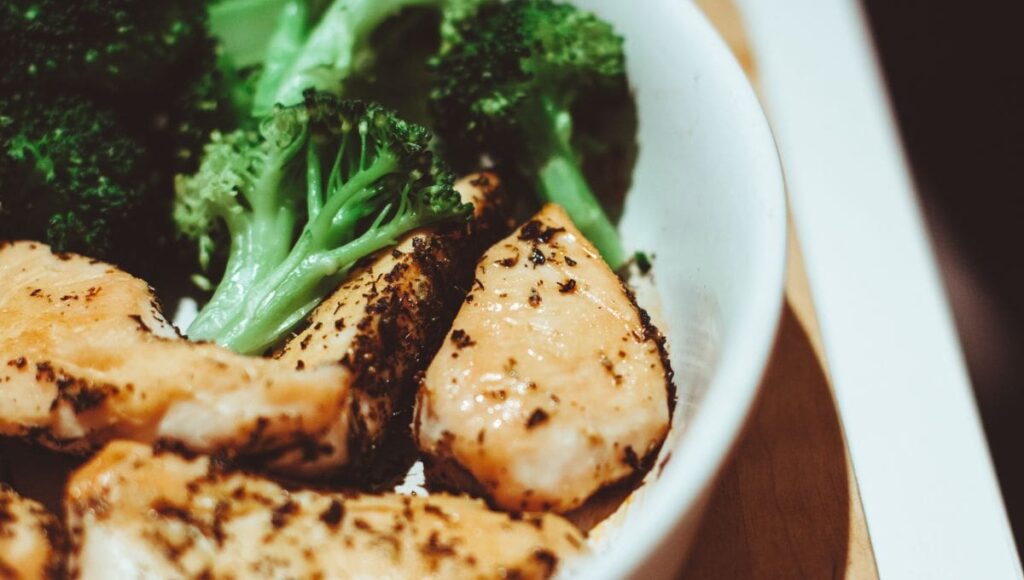
The high protein content contributes to muscle maintenance, while the low fat content keeps calorie intake under control. Research also highlights that lean meats like chicken enhance postprandial thermogenesis, further supporting fat loss (Halton & Hu, 2004).
2. Egg Whites
Egg whites are almost entirely protein, with one large egg white providing about 3.6g of protein and negligible fat (USDA, 2021). They are ideal for calorie-conscious individuals who want a protein-rich option without the added fat of whole eggs.
Studies suggest that consuming eggs for breakfast can promote satiety throughout the day, reducing overall calorie intake (Vander Wal et al., 2005).
3. Greek Yoghurt (Non-Fat)
Non-fat Greek yoghurt delivers a high protein-to-calorie ratio, with a typical 170g serving providing around 20g of protein and only 100 calories (USDA, 2021). Its thick texture and casein content slow digestion, increasing feelings of fullness.

A study in the Journal of Nutrition found that yoghurt consumption as part of a calorie-restricted diet significantly improved fat loss and preserved muscle mass (Zemel et al., 2005).
4. Cottage Cheese
Cottage cheese, particularly the low-fat variety, is another excellent high-protein option. A 100g serving offers around 12g of protein and minimal fat (USDA, 2021). It is rich in casein, a slow-digesting protein that promotes prolonged satiety and muscle maintenance overnight (Boirie et al., 1997).
Incorporating cottage cheese into evening meals or snacks can reduce nighttime hunger and improve overall calorie control.
5. Lentils
Lentils are a plant-based protein powerhouse, offering approximately 9g of protein per 100g of cooked lentils (USDA, 2021). They are also high in fibre, which enhances satiety and supports digestive health.
Research highlights that legumes like lentils improve glycaemic control and contribute to fat loss in calorie-controlled diets (Papanikolaou & Fulgoni, 2008). Lentils are particularly beneficial for vegetarians and vegans looking to increase protein intake.
6. Salmon
Salmon is a nutrient-dense protein source, providing 25g of protein per 100g alongside healthy omega-3 fatty acids (USDA, 2021). The omega-3 content has been shown to improve fat oxidation and reduce inflammation, which can support fat loss (Raclot, 2003).
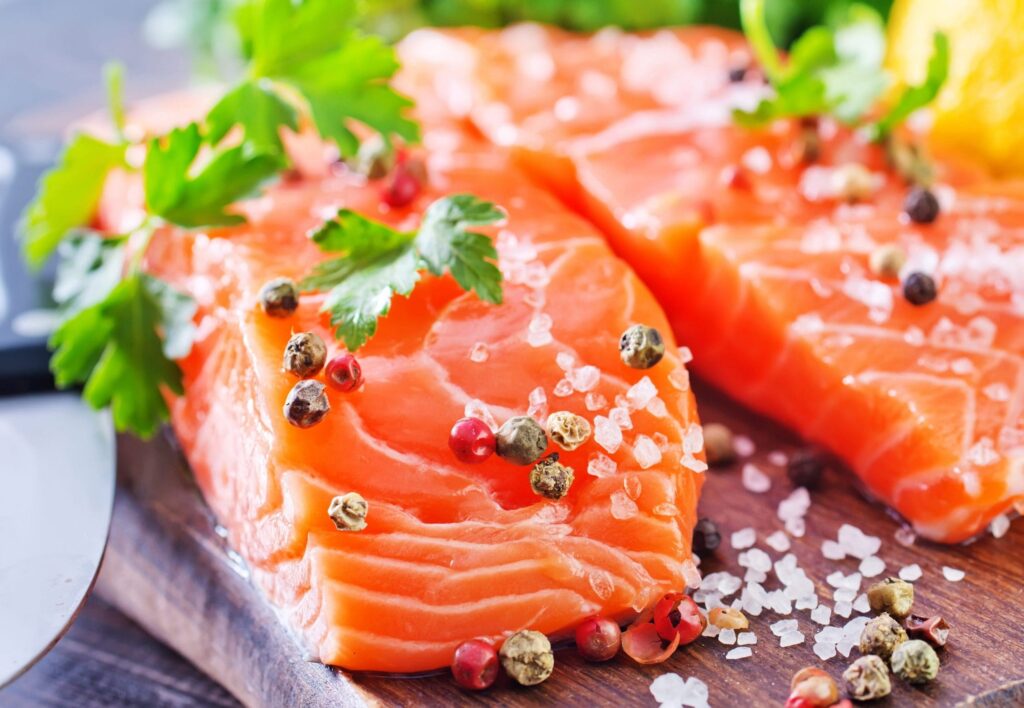
Moreover, the combination of protein and healthy fats promotes sustained satiety, helping control overall calorie intake.
7. Tofu
Tofu is an excellent plant-based protein option, with firm tofu offering approximately 10g of protein per 100g (USDA, 2021).
Its versatility makes it suitable for a variety of dishes. A study published in the European Journal of Nutrition found that soy protein, the primary protein in tofu, effectively supports fat loss and muscle maintenance in calorie-restricted diets (Kohno et al., 2004).
8. Whey Protein Powder
Whey protein is a concentrated protein source derived from milk and is particularly useful for those seeking convenient, high-protein options. One scoop (30g) of whey protein powder typically contains 20-25g of protein and is low in fat and carbohydrates (USDA, 2021).
Studies indicate that supplementing with whey protein enhances fat loss, particularly when combined with resistance training (Baer et al., 2011).
9. Tuna (Canned in Water)
Canned tuna in water is a budget-friendly, high-protein food containing approximately 25g of protein per 100g and minimal fat (USDA, 2021). Its convenience and low calorie content make it ideal for those on the go.
A study in the American Journal of Clinical Nutrition found that seafood consumption, including tuna, increases protein-induced thermogenesis and satiety compared to other protein sources (Gosby et al., 2011).
10. Almonds
While almonds are higher in calories than other protein-rich foods, their unique combination of protein, healthy fats, and fibre makes them a valuable addition to a fat-loss diet. A 28g serving provides 6g of protein along with 3.5g of fibre (USDA, 2021).
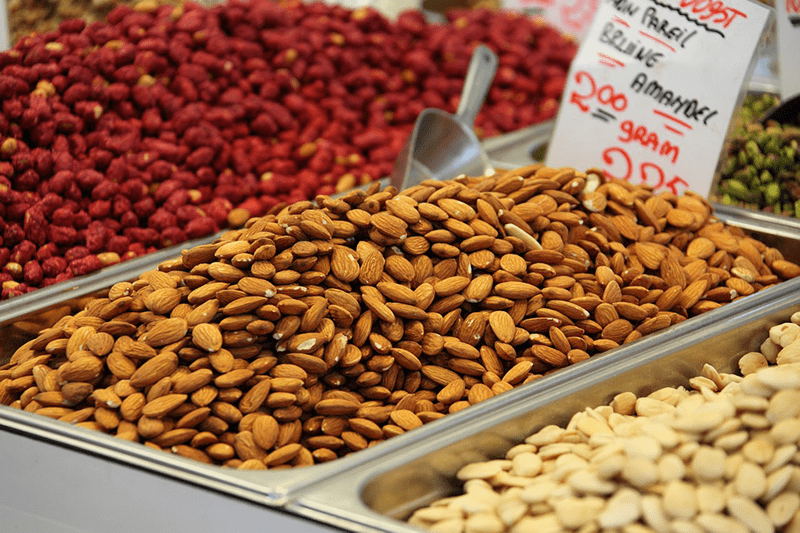
Research shows that almond consumption does not lead to weight gain when eaten in moderation and can improve satiety and reduce overall calorie intake (Mattes, 2008).
How to Incorporate High-Protein Foods into Your Diet
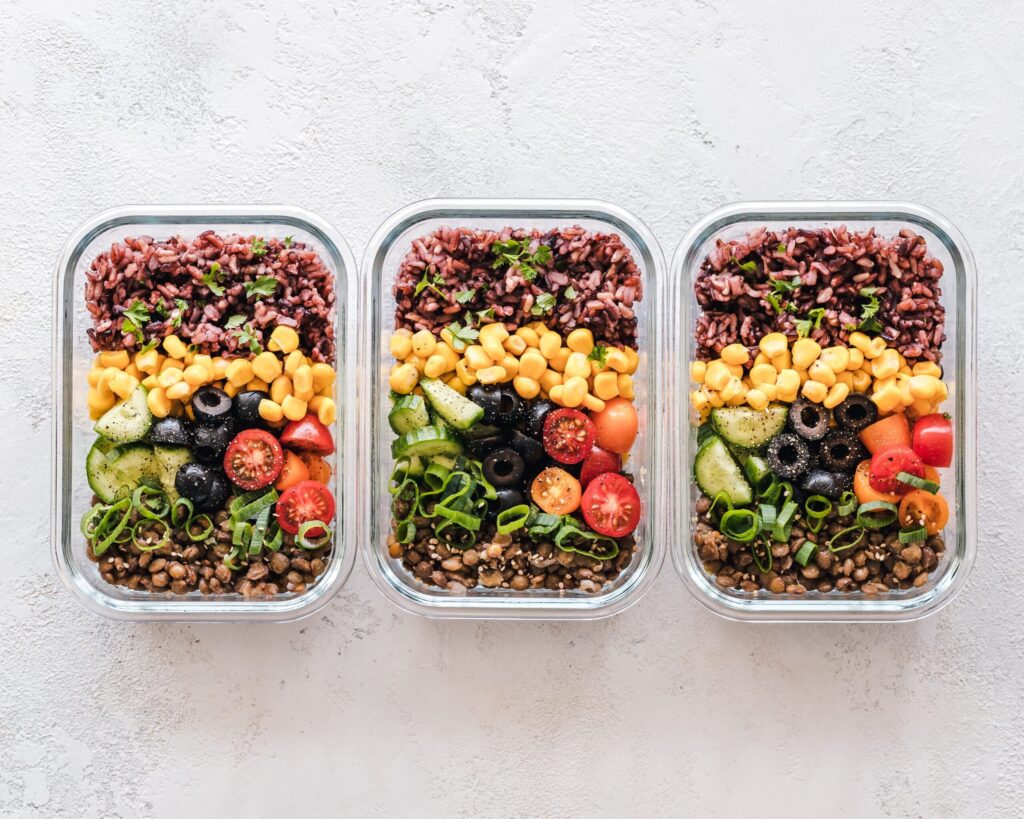
- Meal Prepping: Prepare meals with lean proteins such as chicken, lentils, or tofu to ensure you have healthy options ready.
- Snack Wisely: Opt for portable protein sources like almonds, canned tuna, or Greek yoghurt.
- Post-Workout Nutrition: Use whey protein shakes or cottage cheese to aid muscle recovery and promote satiety.
- Balanced Meals: Pair high-protein foods with fibrous vegetables and healthy fats to create nutrient-dense, satiating meals.
Conclusion
High-protein foods play a crucial role in achieving fat loss by boosting metabolism, enhancing satiety, and preserving lean muscle mass. Incorporating a variety of options such as chicken breast, lentils, salmon, and tofu ensures nutritional balance and keeps your diet sustainable.
Scientific evidence strongly supports the role of protein in promoting fat loss, making these 10 foods excellent choices for anyone seeking effective weight management.
Key Takeaways
| High-Protein Food | Benefits for Fat Loss |
|---|---|
| Chicken Breast | Low fat, high protein, boosts metabolism, and preserves muscle mass. |
| Egg Whites | Low calorie, high protein, enhances satiety. |
| Greek Yoghurt (Non-Fat) | High protein-to-calorie ratio, aids muscle maintenance, and reduces hunger. |
| Cottage Cheese | Rich in casein protein, promotes prolonged satiety. |
| Lentils | High protein and fibre, improves glycaemic control. |
| Salmon | Rich in omega-3s, supports fat oxidation and reduces inflammation. |
| Tofu | Plant-based protein, supports muscle maintenance. |
| Whey Protein Powder | Convenient, enhances fat loss when combined with exercise. |
| Tuna (Canned in Water) | Budget-friendly, high protein, and boosts thermogenesis. |
| Almonds | Combines protein, fibre, and healthy fats, aids in satiety. |
References
- Baer, D. J., et al. (2011). Whey protein supplementation during resistance training augments lean body mass. The Journal of Nutrition, 141(5), pp. 901-906.
- Boirie, Y., et al. (1997). Slow and fast dietary proteins differently modulate postprandial protein accretion. Proceedings of the National Academy of Sciences, 94(26), pp. 14930-14935.
- Gosby, A. K., et al. (2011). Protein leverage and energy intake. The American Journal of Clinical Nutrition, 93(3), pp. 522-530.
- Halton, T. L., & Hu, F. B. (2004). The effects of high-protein diets on thermogenesis. The American Journal of Clinical Nutrition, 78(3), pp. 684S-688S.
- Kohno, M., et al. (2004). Soy protein and its effects on fat metabolism. European Journal of Nutrition, 43(5), pp. 246-252.
- Layman, D. K., et al. (2003). Dietary protein and the preservation of lean mass. Journal of Nutrition, 133(7), pp. 2425-2430.
- Mattes, R. D. (2008). Effect of almond consumption on satiety. British Journal of Nutrition, 96(1), pp. 79-86.
- Papanikolaou, Y., & Fulgoni, V. L. (2008). Legume consumption and weight management. The Journal of Nutrition, 138(2), pp. 505S-511S.
- Raclot, T. (2003). Selective mobilisation of fatty acids from adipose tissue triacylglycerols. Progress in Lipid Research, 42(3), pp. 257-288.
- Vander Wal, J. S., et al. (2005). Egg breakfast enhances weight loss. International Journal of Obesity, 29(2), pp. 154-160.
- Westerterp-Plantenga, M. S., et al. (2009). Thermic effect of a high-protein diet. The Journal of Nutrition, 139(12), pp. 2245-2250.
- Zemel, M. B., et al. (2005). Yoghurt and weight loss. International Journal of Obesity, 29(3), pp. 391-397.