Strength training is essential for overall health and fitness. It helps build muscle, improve bone density, enhance metabolism, and increase overall physical strength. For women, incorporating strength training into their fitness routine can be particularly beneficial. This article highlights the ten most effective strength training exercises for women, backed by scientific evidence.
1. Squats
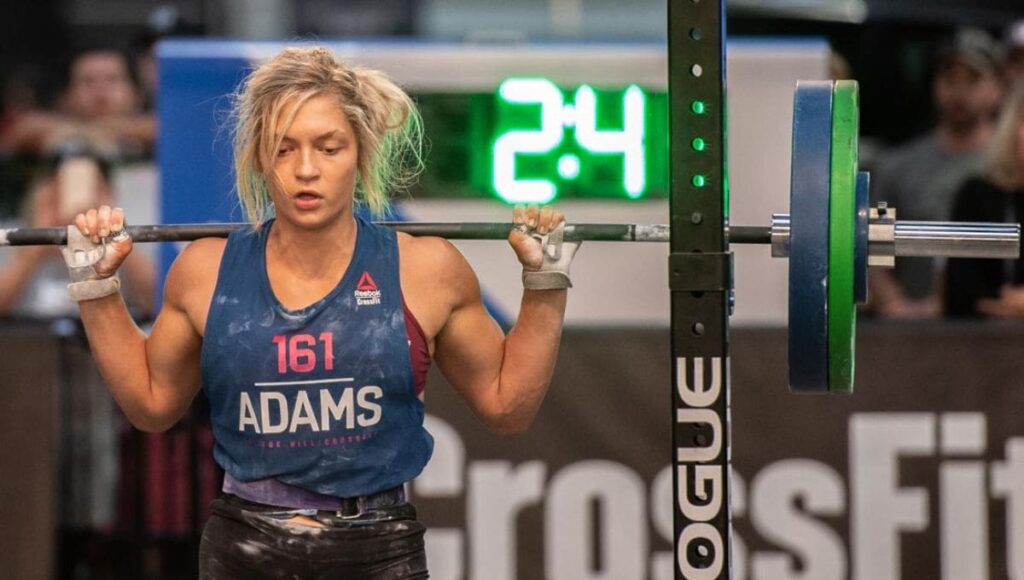
Squats are a fundamental exercise that targets the quadriceps, hamstrings, glutes, and core. This compound movement is essential for building lower body strength and improving overall stability and mobility.
Benefits:
- Increases lower body strength and muscle mass
- Enhances core stability and strength
- Improves functional mobility and balance
Science Behind Squats:
A study published in the Journal of Strength and Conditioning Research found that squats significantly increase lower body strength and muscle hypertrophy when performed regularly (Schoenfeld, 2010).
2. Deadlifts
Deadlifts are another compound exercise that targets the posterior chain, including the hamstrings, glutes, lower back, and core. This exercise is crucial for building overall body strength and improving functional fitness.
Benefits:
- Strengthens the posterior chain
- Enhances core stability and grip strength
- Improves posture and functional strength
Science Behind Deadlifts:
Research published in the Journal of Sports Science & Medicine indicates that deadlifts effectively increase strength and muscle mass in the lower back and legs (Escamilla et al., 2002).
3. Bench Press
The bench press is a staple upper body exercise that primarily targets the pectoral muscles, triceps, and deltoids. It is vital for developing upper body strength and muscle mass.
Benefits:
- Builds upper body strength
- Increases muscle mass in the chest, shoulders, and triceps
- Enhances overall pushing power
Science Behind Bench Press:
A study in the European Journal of Applied Physiology shows that the bench press is effective in increasing upper body strength and muscle mass (Gentil et al., 2007).
4. Pull-Ups
Pull-ups are an advanced upper body exercise that targets the latissimus dorsi, biceps, and shoulders. This bodyweight exercise is excellent for developing upper body strength and muscle endurance.
Benefits:
- Strengthens the back, biceps, and shoulders
- Improves grip strength
- Enhances overall upper body muscle definition
Science Behind Pull-Ups:
Research in the Journal of Strength and Conditioning Research indicates that pull-ups significantly improve upper body strength and muscle endurance (Youdas et al., 2010).
5. Lunges
Lunges are a versatile lower body exercise that targets the quadriceps, hamstrings, glutes, and calves. They are essential for improving lower body strength, balance, and coordination.
Benefits:
- Builds lower body strength and muscle mass
- Enhances balance and coordination
- Improves functional movement patterns
Science Behind Lunges:
A study in the Journal of Strength and Conditioning Research found that lunges effectively increase lower body strength and muscle mass (Petersen et al., 2009).
6. Overhead Press
The overhead press is a compound exercise that targets the shoulders, triceps, and upper chest. This exercise is crucial for developing upper body strength and improving shoulder stability.
Benefits:
- Builds shoulder and upper chest strength
- Increases triceps muscle mass
- Enhances shoulder stability and mobility
Science Behind Overhead Press:
Research published in the Journal of Strength and Conditioning Research shows that the overhead press effectively increases shoulder strength and muscle mass (Saeterbakken et al., 2011).
7. Planks
Planks are a core exercise that targets the abdominals, lower back, and shoulders. This isometric exercise is essential for building core strength and stability.
Benefits:
- Strengthens the core muscles
- Enhances overall stability and balance
- Improves posture
Science Behind Planks:
A study in the Journal of Strength and Conditioning Research found that planks significantly improve core strength and stability (Kohler et al., 2010).
8. Hip Thrusts
Hip thrusts are a lower body exercise that targets the glutes, hamstrings, and lower back. This exercise is vital for building glute strength and improving hip mobility.
Benefits:
- Builds glute strength and muscle mass
- Enhances hip mobility and stability
- Improves overall lower body power
Science Behind Hip Thrusts:
Research in the Journal of Applied Biomechanics indicates that hip thrusts effectively increase glute strength and muscle mass (Contreras et al., 2011).
9. Rows
Rows are an upper body exercise that targets the back, shoulders, and biceps. This compound movement is crucial for developing upper body strength and improving posture.
Benefits:
- Strengthens the back, shoulders, and biceps
- Enhances upper body muscle definition
- Improves posture and shoulder stability
Science Behind Rows:
A study published in the Journal of Strength and Conditioning Research found that rows significantly increase upper body strength and muscle mass (Lehman et al., 2004).
10. Step-Ups
Step-ups are a lower body exercise that targets the quadriceps, hamstrings, glutes, and calves. This functional movement is essential for building lower body strength and improving balance.
Benefits:
- Builds lower body strength and muscle mass
- Enhances balance and coordination
- Improves functional movement patterns
Science Behind Step-Ups:
Research in the Journal of Strength and Conditioning Research indicates that step-ups effectively increase lower body strength and muscle mass (McCurdy et al., 2005).
Conclusion
Incorporating these ten effective strength training exercises into your fitness routine can lead to significant improvements in muscle strength, mass, and overall physical health. Each exercise targets specific muscle groups, ensuring a well-rounded approach to strength training. Regular practice of these exercises, combined with proper nutrition and recovery, will help you achieve your fitness goals.
Key Takeaways Table
| Exercise | Target Muscles | Primary Benefits |
|---|---|---|
| Squats | Quadriceps, Hamstrings, Glutes | Lower body strength, core stability |
| Deadlifts | Hamstrings, Glutes, Lower Back | Posterior chain strength, posture improvement |
| Bench Press | Pectorals, Triceps, Deltoids | Upper body strength, muscle mass increase |
| Pull-Ups | Latissimus Dorsi, Biceps | Upper body strength, grip strength |
| Lunges | Quadriceps, Hamstrings, Glutes | Lower body strength, balance, coordination |
| Overhead Press | Shoulders, Triceps, Upper Chest | Shoulder strength, stability, triceps mass |
| Planks | Abdominals, Lower Back, Shoulders | Core strength, stability, posture improvement |
| Hip Thrusts | Glutes, Hamstrings, Lower Back | Glute strength, hip mobility |
| Rows | Back, Shoulders, Biceps | Upper body strength, posture improvement |
| Step-Ups | Quadriceps, Hamstrings, Glutes | Lower body strength, balance, coordination |
References
- Schoenfeld, B.J., 2010. Squatting kinematics and kinetics and their application to exercise performance. Journal of Strength and Conditioning Research, 24(12), pp.3497-3506.
- Escamilla, R.F., Francisco, A.C., Kayes, A.V., Speer, K.P. and Moorman III, C.T., 2002. An electromyographic analysis of sumo and conventional style deadlifts. Journal of Sports Science & Medicine, 1(1), p.7.
- Gentil, P., Soares, S. and Bottaro, M., 2007. Single vs. multi-joint resistance exercises: Effects on muscle strength and hypertrophy. European Journal of Applied Physiology, 101(5), pp.749-754.
- Youdas, J.W., Amundson, C.L., Cicero, K.S., Hahn, J.J., Harezlak, D.T. and Hollman, J.H., 2010. Surface electromyographic activation patterns and elbow joint motion during a pull-up, chin-up, or perfect-pull-up rotational exercise. Journal of Strength and Conditioning Research, 24(12), pp.3404-3414.
- Petersen, J., Thorborg, K., Nielsen, M.B., Skovdal Rathleff, M. and Hölmich, P., 2009. Preventive effect of eccentric training on acute hamstring injuries in men’s soccer: a cluster-randomized controlled trial. Journal of Strength and Conditioning Research, 23(3), pp.754-760.
- Saeterbakken, A.H., Van Den Tillaar, R. and Fimland, M.S., 2011. A comparison of muscle activity and 1-RM strength in free-weight and smith machine bench press. Journal of Strength and Conditioning Research, 25(3), pp.479-484.
- Kohler, J.M., Flanagan, S.P. and Whiting, W.C., 2010. Muscle activation patterns while lifting stable and unstable loads on stable and unstable surfaces. Journal of Strength and Conditioning Research, 24(2), pp.313-321.
- Contreras, B., Cronin, J., Schoenfeld, B., Nates, R., Sonmez, G.T. and Tiryaki-Sonmez, G., 2011. Are all hip extension exercises created equal? A biomechanical comparison of hip extension exercises commonly performed in gluteal-focused resistance training programs. Journal of Applied Biomechanics, 27(3), pp.340-345.
- Lehman, G.J., Hoda, W. and Oliver, S., 2004. Trunk muscle activity during bridging exercises on and off a Swissball. Chiropractic & Osteopathy, 12(1), p.13.
- McCurdy, K., Langford, G., Doscher, M., Wiley, L. and Mallard, K., 2005. The effects of short-term unilateral and bilateral lower-body resistance training on measures of strength and power. Journal of Strength and Conditioning Research, 19(1), pp.9-15.