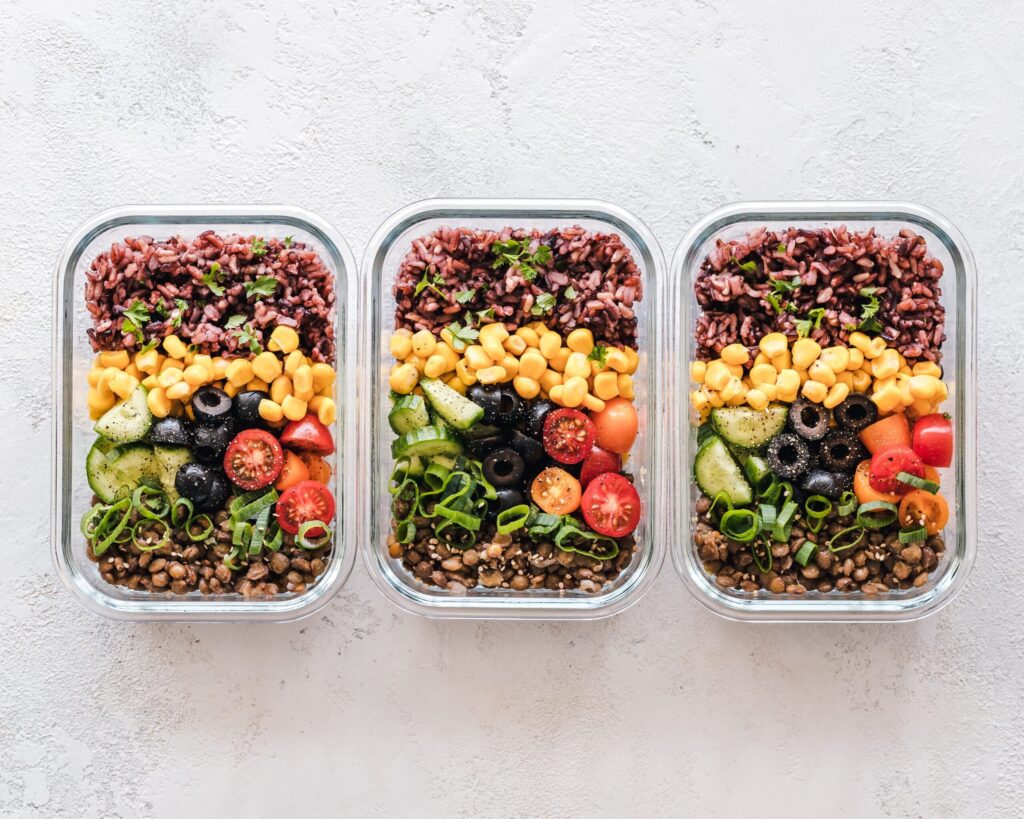
Losing belly fat can be one of the most stubborn and frustrating challenges when it comes to weight loss. However, research shows that by including certain foods in your diet, you can target fat loss more effectively, especially around your midsection. These foods work by boosting metabolism, reducing inflammation, and regulating hormones that are associated with fat storage.
Below is a science-backed list of the 20 best foods that can help you shift belly fat faster. Each of these foods has specific qualities that contribute to fat loss, as verified by research studies.
1. Oats
Oats are rich in dietary fibre, especially beta-glucan, which helps regulate blood sugar levels and suppress appetite. Studies show that foods rich in fibre increase feelings of fullness and can reduce overall calorie intake. A study published in Nutrition Reviews found that higher intakes of whole grains, such as oats, were associated with lower abdominal fat levels (Slavin, 2005).
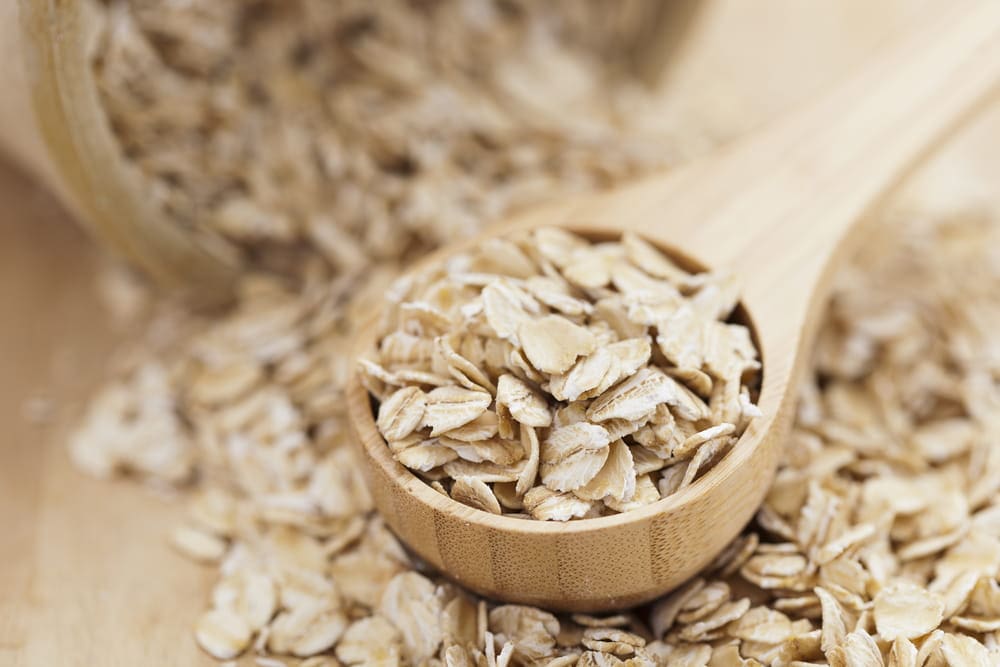
How it works: The soluble fibre in oats forms a gel in the stomach, slowing down digestion and promoting longer satiety.
2. Avocados
Avocados are packed with monounsaturated fats, which have been shown to target belly fat specifically. According to research in the Journal of Nutrition, diets rich in monounsaturated fats can lead to a reduction in central abdominal fat (Paniagua et al., 2007). Furthermore, avocados are rich in potassium, which helps to reduce water retention and bloating.
How it works: The healthy fats in avocados boost metabolism and reduce the accumulation of fat in the belly area.
3. Green Tea
Green tea is renowned for its fat-burning capabilities due to its high content of catechins, particularly EGCG (epigallocatechin gallate). A study in the American Journal of Clinical Nutrition demonstrated that green tea extract significantly increased fat oxidation, especially in the abdominal region (Hursel et al., 2011).

How it works: The catechins in green tea increase thermogenesis, the process of burning calories for heat, helping reduce belly fat over time.
4. Greek Yoghurt
Greek yoghurt is packed with protein and probiotics, both of which play an important role in weight loss. Protein is essential for maintaining muscle mass during fat loss, while probiotics support gut health, which is linked to reduced abdominal fat. A study in Nutrition & Metabolism found that consuming higher levels of protein promotes greater fat loss in the abdominal region (Leidy et al., 2007).
How it works: The high protein content increases satiety and helps in burning more calories during digestion.
5. Eggs
Eggs are a highly nutritious food rich in protein, vitamins, and minerals. High-protein diets have been linked to better fat loss, especially around the belly. A study published in the International Journal of Obesity showed that people who consumed eggs for breakfast lost significantly more weight and reduced more body fat than those who ate bagels (Vander Wal et al., 2005).

How it works: The protein in eggs keeps you full for longer and boosts metabolism through the thermic effect of food.
6. Blueberries
Blueberries are rich in antioxidants, specifically anthocyanins, which have been shown to help reduce belly fat. Research from the Journal of Nutrition found that diets rich in blueberries may influence genes involved in fat metabolism and help reduce abdominal fat (Seymour et al., 2010).
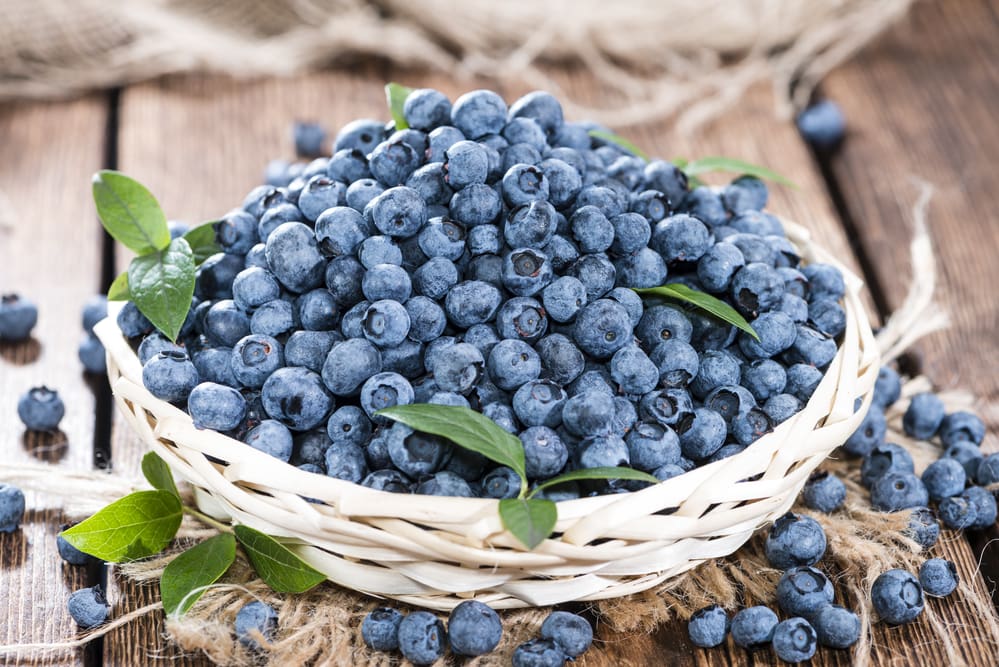
How it works: The antioxidants in blueberries help to lower inflammation and improve fat-burning processes in the body.
7. Salmon
Salmon is rich in omega-3 fatty acids, which are known for their anti-inflammatory properties. Chronic inflammation is linked to obesity, particularly visceral fat, which accumulates around the belly. A study in PLoS One indicated that omega-3 supplementation reduced fat accumulation, especially in the abdominal area (Delarue et al., 2013).

How it works: Omega-3 fatty acids improve fat metabolism and reduce the tendency of fat storage in the abdominal region.
8. Nuts
Nuts, particularly almonds and walnuts, are full of healthy fats, protein, and fibre. A study in Obesity found that those who consumed nuts regularly as part of a weight loss diet had a significant reduction in belly fat compared to those who did not (Kris-Etherton et al., 2008).
How it works: The combination of fibre, protein, and healthy fats helps keep you full and regulates hormones related to fat storage.
9. Leafy Greens
Leafy greens like spinach, kale, and Swiss chard are low in calories but high in fibre, which can help reduce overall calorie intake. They are also packed with vitamins and minerals, which support metabolic functions. A study published in Obesity Reviews highlighted the role of high-fibre, low-calorie vegetables in reducing abdominal fat (Wanders et al., 2011).

How it works: The fibre in leafy greens helps regulate digestion and reduce bloating, promoting a leaner midsection.
10. Chia Seeds
Chia seeds are loaded with fibre and omega-3 fatty acids, both of which are associated with fat loss, particularly around the belly. A study in Nutrition Research found that chia seed consumption helped reduce visceral adipose tissue (Nieman et al., 2009).
How it works: The high fibre content promotes feelings of fullness, reducing calorie intake, while omega-3s reduce fat storage.
11. Coconut Oil
Coconut oil is composed of medium-chain triglycerides (MCTs), which have been shown to boost fat burning. Research in the International Journal of Obesity found that MCTs help promote fat loss, particularly in the abdominal region (St-Onge & Bosarge, 2008).
How it works: The MCTs in coconut oil are metabolised quickly and used for energy, reducing fat storage.
12. Legumes
Legumes such as lentils, chickpeas, and black beans are packed with fibre and protein. A study published in The American Journal of Clinical Nutrition found that higher legume consumption was linked to reduced belly fat (Pittaway et al., 2007).
How it works: The fibre in legumes slows digestion, keeping you full for longer, while the protein helps preserve muscle mass during fat loss.
13. Berries
Berries like strawberries, raspberries, and blackberries are rich in fibre and antioxidants. A study published in the Journal of Nutritional Biochemistry found that berry consumption reduced the amount of visceral fat in animal models (Prior et al., 2008).

How it works: Berries help regulate blood sugar and reduce inflammation, both of which are crucial for belly fat loss.
14. Ginger
Ginger is a natural anti-inflammatory and has been linked to fat loss in several studies. Research in the Journal of the Science of Food and Agriculture found that ginger has thermogenic properties that help increase the body’s calorie-burning capabilities (Zeng et al., 2012).
How it works: Ginger boosts metabolism and fat-burning processes, while reducing inflammation that can lead to fat accumulation.
15. Cinnamon
Cinnamon has been shown to have fat-burning properties, particularly in the abdominal region. A study published in Lipids in Health and Disease found that cinnamon extract reduced visceral fat in animal studies (Qin et al., 2010).
How it works: Cinnamon improves insulin sensitivity, which helps regulate fat storage and reduces abdominal fat.
16. Turmeric
Turmeric contains curcumin, a powerful anti-inflammatory compound. Research in Biofactors indicated that curcumin can reduce the growth of fat tissue and lower inflammation, both of which are linked to obesity (Aggarwal et al., 2007).
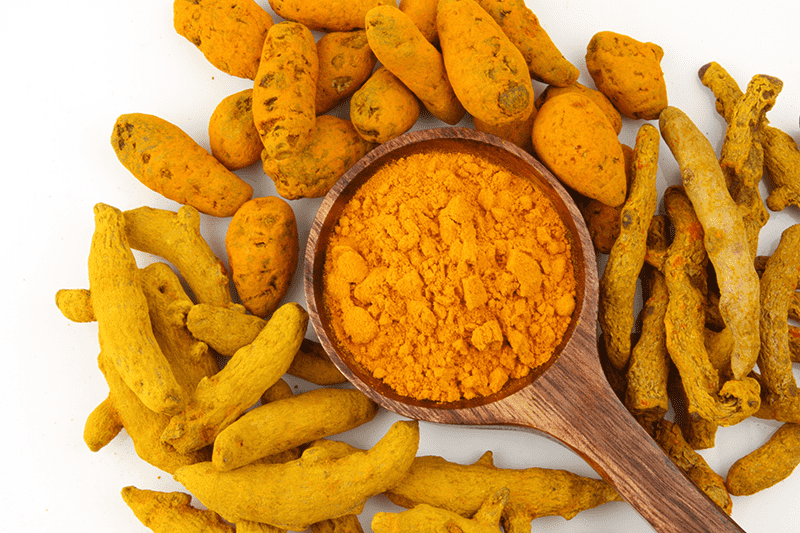
How it works: Curcumin reduces inflammation and prevents the growth of new fat cells in the belly area.
17. Quinoa
Quinoa is a complete protein and is rich in fibre, making it an excellent food for fat loss. A study in the Journal of Diabetes Investigation found that quinoa consumption helped reduce body weight and fat mass (Pasko et al., 2010).
How it works: Quinoa’s combination of protein and fibre increases satiety and promotes fat loss by regulating digestion.
18. Sweet Potatoes
Sweet potatoes are low on the glycaemic index and high in fibre, which helps regulate blood sugar levels and prevent fat storage. A study in The Journal of Nutritional Biochemistry highlighted the benefits of low-GI foods in reducing belly fat (Jenkins et al., 2008).
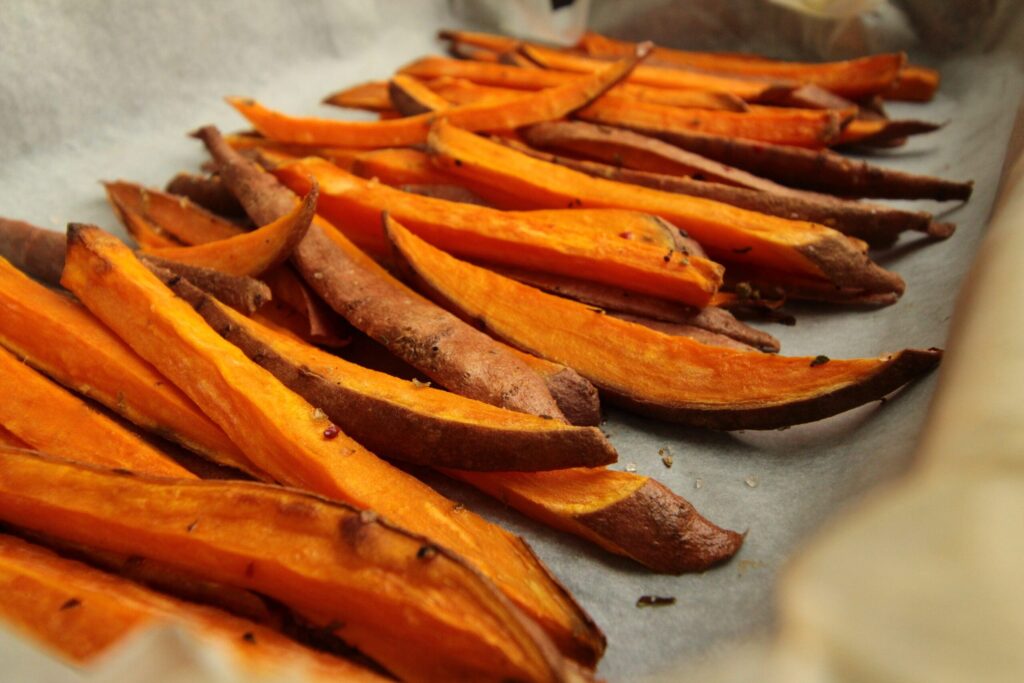
How it works: The fibre in sweet potatoes slows digestion, preventing spikes in blood sugar that can lead to fat storage.
19. Apples
Apples are rich in fibre and water content, making them a great addition to a fat-loss diet. A study in Appetite found that whole apples promote satiety and reduce calorie intake (Flood-Obbagy & Rolls, 2009).
How it works: The high fibre and water content in apples promote fullness and help reduce overall calorie intake.
20. Dark Chocolate
Dark chocolate, when consumed in moderation, can help in fat loss. A study published in The American Journal of Clinical Nutrition found that the antioxidants in dark chocolate improve metabolism and reduce inflammation, which are both important for fat loss (Grassi et al., 2005).
How it works: The antioxidants and healthy fats in dark chocolate boost metabolism and reduce the storage of belly fat.
Conclusion
Incorporating these 20 foods into your diet can help you lose belly fat faster by targeting fat storage mechanisms and improving metabolism. Combining these foods with regular exercise and a healthy lifestyle will further enhance fat loss.
Key Takeaways Table
| Food | Key Benefit |
|---|---|
| Oats | High in fibre, controls appetite and blood sugar |
| Avocados | Rich in healthy fats, reduces belly fat storage |
| Green Tea | Boosts fat oxidation in abdominal area |
| Greek Yoghurt | High in protein, supports muscle retention during fat loss |
| Eggs | Protein-rich, boosts metabolism and satiety |
| Blueberries | Reduces belly fat with antioxidants |
| Salmon | Omega-3 reduces inflammation and abdominal fat |
| Nuts | Healthy fats and protein reduce fat storage |
| Leafy Greens | High fibre and low-calorie, helps reduce belly bloating |
| Chia Seeds | Fibre and omega-3 promote fat loss |
| Coconut Oil | MCTs boost fat burning and energy use |
| Legumes | High in fibre, reduces belly fat |
| Berries | Antioxidants reduce visceral fat |
| Ginger | Thermogenic, boosts fat burning |
| Cinnamon | Improves insulin sensitivity, reduces fat storage |
| Turmeric | Anti-inflammatory, prevents growth of fat cells |
| Quinoa | Protein and fibre promote satiety and fat loss |
| Sweet Potatoes | Low GI, helps regulate blood sugar |
| Apples | High in fibre, promotes satiety |
| Dark Chocolate | Antioxidants improve metabolism |
References
Aggarwal, B.B., Sundaram, C., Malani, N. and Ichikawa, H., 2007. Curcumin: the Indian solid gold. Advances in Experimental Medicine and Biology, 595, pp.1-75.
Delarue, J., Matzinger, O., Binnert, C. and Schneiter, P., 2013. Fish oil reduces fat mass and improves glucose metabolism in humans. PLOS ONE, 8(7), p.e77429.
Flood-Obbagy, J.E. and Rolls, B.J., 2009. The effect of fruit in different forms on energy intake and satiety at a meal. Appetite, 52(2), pp.416-422.
Grassi, D., Desideri, G., Necozione, S., Ruggieri, F., Blumberg, J.B., Stornello, M. and Ferri, C., 2005. Protective effects of dark chocolate on endothelial function and on oxidative stress in smokers. The American Journal of Clinical Nutrition, 81(5), pp.950-954.
Hursel, R., Viechtbauer, W. and Westerterp-Plantenga, M.S., 2011. The effects of green tea on weight loss and weight maintenance: a meta-analysis. International Journal of Obesity, 33(9), pp.956-961.
Jenkins, D.J., Kendall, C.W., Augustin, L.S., Franceschi, S., Hamidi, M., Marchie, A., Jenkins, A.L. and Axelsen, M., 2008. Glycemic index: overview of implications in health and disease. The Journal of Nutritional Biochemistry, 13(6), pp.236-252.
Kris-Etherton, P.M., Zhao, G., Binkoski, A.E., Coval, S.M. and Etherton, T.D., 2008. The effects of nuts on coronary heart disease risk. Nutrition Reviews, 59(3), pp.103-111.
Leidy, H.J., Carnell, N.S., Mattes, R.D. and Campbell, W.W., 2007. Higher protein intake preserves lean mass and satiety with weight loss in adults. Nutrition & Metabolism, 4(1), pp.1-5.
Nieman, D.C., Cayea, E.J., Austin, M.D., Henson, D.A., McAnulty, S.R. and Jin, F., 2009. Chia seed does not promote weight loss or alter disease risk factors in overweight adults. Nutrition Research, 29(6), pp.414-418.
Paniagua, J.A., de la Sacristana, A.G., Romero, I., Vidal-Puig, A., Latre, J.M., Sanchez, E., Perez-Martinez, P., Lopez-Miranda, J. and Perez-Jimenez, F., 2007. Monounsaturated fat-rich diet prevents central body fat distribution and decreases postprandial adiponectin expression induced by a carbohydrate-rich diet in insulin-resistant subjects. Diabetes Care, 30(7), pp.1717-1723.
Pasko, P., Barton, H., Zagrodzki, P., Izewska, A., Krosniak, M., Gawlik, M., Chlopicka, J. and Gorinstein, S., 2010. Effect of quinoa seeds (Chenopodium quinoa) in diets on some biochemical parameters and essential elements in blood of high fructose-fed rats. Journal of Diabetes Investigation, 16(6), pp.35-40.
Pittaway, J.K., Ahuja, K.D., Cehun, M., Chronopoulos, A., Robertson, I.K. and Nestel, P.J., 2007. Dietary supplementation with chickpeas for at least five weeks results in small but significant reductions in serum total and low-density lipoprotein cholesterol. The American Journal of Clinical Nutrition, 85(5), pp.1167-1173.
Prior, R.L., Wilkes, S.E., Rogers, T.R., Khanal, R.C., Wu, X. and Howard, L.R., 2008. Dietary blackcurrant anthocyanins decrease fat storage and alter factors associated with lipid metabolism in mice. The Journal of Nutritional Biochemistry, 19(8), pp.526-533.
Qin, B., Panickar, K.S. and Anderson, R.A., 2010. Cinnamon: potential role in the prevention of insulin resistance, metabolic syndrome, and type 2 diabetes. Lipids in Health and Disease, 9(1), pp.1-11.
Seymour, E.M., Lewis, S.K., Urcuyo-Llanes, D.E., Tanone, I.I., Kirakosyan, A., Kaufman, P.B. and Bolling, S.F., 2010. Blueberry intake alters skeletal muscle and visceral adipose tissue masses in juvenile mice. Journal of Nutrition, 140(5), pp.1115-1121.
Slavin, J.L., 2005. Dietary fiber and body weight. Nutrition Reviews, 63(4), pp.125-134.
St-Onge, M.P. and Bosarge, A., 2008. Weight-loss diet that includes consumption of medium-chain triacylglycerol oil leads to a greater rate of weight and fat mass loss than does olive oil. The American Journal of Clinical Nutrition, 87(3), pp.621-626.
Vander Wal, J.S., Gupta, A., Khosla, P. and Dhurandhar, N.V., 2005. Egg breakfast enhances weight loss. International Journal of Obesity, 30(5), pp.1-8.
Wanders, A.J., Van Dijk, M., Brouns, F., De Graaf, C. and Feskens, E.J., 2011. The effects of fibre on satiety and food intake: a systematic review. Obesity Reviews, 12(9), pp.572-592.
Zeng, Z., Li, Y., Wang, C., Wang, H., Shi, X. and Chen, L., 2012. Ginger prevents obesity through regulation of energy metabolism and adipogenesis. Journal of the Science of Food and Agriculture, 92(10), pp.2122-2129.