Building abs is a common goal for many men who are looking to improve their physical appearance and overall fitness. Achieving well-defined abdominal muscles requires a combination of targeted exercises, proper nutrition, and effective recovery strategies.
This article outlines three intelligent strategies that will help you build abs quicker, backed by scientific research. These strategies include optimizing your workout routine, following a precise nutritional plan, and ensuring adequate recovery and sleep. By adhering to these evidence-based methods, you can accelerate your journey to achieving a sculpted midsection.
1. Optimize Your Workout Routine
High-Intensity Interval Training (HIIT)
High-Intensity Interval Training (HIIT) is a powerful method for burning fat and building muscle, including the abs. HIIT involves short bursts of intense exercise followed by brief periods of rest or lower-intensity exercise. Research has shown that HIIT can be more effective for fat loss than traditional steady-state cardio.
A study published in the Journal of Obesity found that participants who engaged in HIIT experienced significant reductions in body fat, particularly in the abdominal region, compared to those who performed steady-state cardio (Boutcher, 2011). This is because HIIT increases metabolic rate and promotes the afterburn effect, where the body continues to burn calories at a higher rate after the workout.
To incorporate HIIT into your routine:
- Perform exercises like sprinting, cycling, or bodyweight circuits.
- Use a work-to-rest ratio of 1:1 or 2:1 (e.g., 30 seconds of intense exercise followed by 30 or 15 seconds of rest).
- Aim for 20-30 minutes per session, 3-4 times a week.
Compound Movements and Core Exercises
Focusing on compound movements and specific core exercises is crucial for developing strong, visible abs. Compound movements, such as squats, deadlifts, and overhead presses, engage multiple muscle groups, including the core. These exercises create a strong foundation and improve overall muscle development.
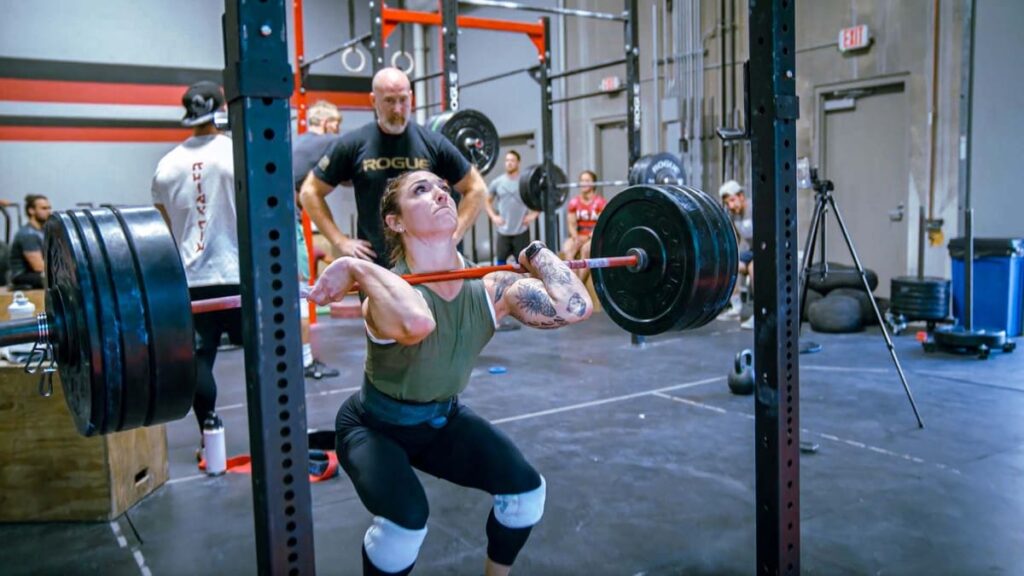
Research published in the Journal of Strength and Conditioning Research highlights the importance of compound exercises for core activation. For example, the study found that squats and deadlifts significantly engage the core muscles, providing an effective way to build abs indirectly (Escamilla et al., 2002).
In addition to compound movements, targeted core exercises are essential. Planks, leg raises, and bicycle crunches are particularly effective. A study in the Journal of Orthopaedic & Sports Physical Therapy compared various abdominal exercises and found that bicycle crunches and captain’s chair exercises activated the rectus abdominis and obliques more than traditional crunches (Sternlicht et al., 2014).
Progressive Overload
Progressive overload is a key principle in muscle building, including the abs. It involves gradually increasing the resistance or intensity of your exercises to continually challenge your muscles. This can be achieved by increasing the weight, reps, sets, or decreasing rest times.
A study published in Medicine & Science in Sports & Exercise demonstrated that progressive overload leads to significant muscle hypertrophy and strength gains (Schoenfeld et al., 2016). For abs, this means progressively challenging your core with more difficult exercises or increasing the resistance in your current exercises.
To implement progressive overload:
- Track your workouts and gradually increase the difficulty.
- Incorporate weighted core exercises, such as weighted sit-ups or Russian twists.
- Aim to progress in small increments to avoid injury and ensure consistent improvement.
2. Follow a Precise Nutritional Plan
Caloric Deficit and Macronutrient Balance
Achieving visible abs requires reducing body fat through a caloric deficit. A caloric deficit occurs when you consume fewer calories than your body needs, forcing it to use stored fat for energy. However, it’s important to maintain a balance of macronutrients – protein, carbohydrates, and fats – to preserve muscle mass and support overall health.
A study in the American Journal of Clinical Nutrition found that a moderate caloric deficit combined with a high-protein diet was effective for fat loss while preserving lean muscle mass (Layman et al., 2003). Protein is particularly important as it helps to maintain muscle mass during weight loss and supports muscle recovery.
To create a caloric deficit:
- Calculate your Total Daily Energy Expenditure (TDEE) and reduce your calorie intake by 15-20%.
- Aim for a macronutrient ratio of 40% protein, 30% carbohydrates, and 30% fats.
- Focus on nutrient-dense foods like lean meats, vegetables, whole grains, and healthy fats.
High-Protein Diet
Protein is essential for muscle repair and growth, and it also has a high thermic effect, meaning it requires more energy to digest compared to fats and carbohydrates. Consuming a high-protein diet can aid in fat loss and muscle preservation.

Research published in the Journal of the American College of Nutrition showed that a high-protein diet improved body composition and increased satiety, helping individuals maintain a caloric deficit more effectively (Leidy et al., 2015).
To increase protein intake:
- Include lean protein sources in every meal, such as chicken, turkey, fish, eggs, and plant-based proteins like beans and lentils.
- Consider protein supplements, such as whey or plant-based protein powders, to meet your daily protein needs.
Timing and Quality of Nutrient Intake
Nutrient timing and the quality of the foods you eat can significantly impact your ability to build abs. Consuming protein-rich meals and snacks throughout the day can enhance muscle protein synthesis and recovery.
A study in the Journal of the International Society of Sports Nutrition found that consuming protein immediately after a workout maximizes muscle protein synthesis and aids in recovery (Schoenfeld et al., 2013). Additionally, consuming carbohydrates post-workout helps replenish glycogen stores and supports muscle repair.
To optimize nutrient timing:
- Eat a balanced meal containing protein, carbohydrates, and fats within 2 hours post-workout.
- Distribute protein intake evenly throughout the day to maintain a steady supply of amino acids for muscle repair.
- Focus on whole, minimally processed foods to ensure adequate micronutrient intake.
3. Ensure Adequate Recovery and Sleep
Importance of Sleep
Sleep is a critical component of recovery and muscle growth. During sleep, the body repairs damaged tissues, synthesizes proteins, and releases growth hormones. Lack of sleep can impair these processes, hindering muscle recovery and fat loss.

A study published in the Annals of Internal Medicine demonstrated that sleep deprivation negatively impacts fat loss and muscle retention during a caloric deficit (Nedeltcheva et al., 2010). Participants who slept only 5.5 hours per night lost less fat and more muscle compared to those who slept 8.5 hours.
To optimize sleep for muscle growth:
- Aim for 7-9 hours of quality sleep per night.
- Maintain a consistent sleep schedule by going to bed and waking up at the same time every day.
- Create a sleep-friendly environment by keeping your bedroom dark, cool, and quiet.
Active Recovery and Stress Management
Active recovery and stress management are essential for preventing overtraining and promoting overall well-being. Engaging in low-intensity activities, such as walking, yoga, or stretching, can improve blood flow, reduce muscle soreness, and enhance recovery.
Research in the Journal of Strength and Conditioning Research found that active recovery accelerates the removal of metabolic waste products and reduces muscle soreness compared to passive recovery (Vaile et al., 2008).
Additionally, chronic stress can elevate cortisol levels, which can impair muscle growth and increase fat storage, particularly in the abdominal area. A study in the American Journal of Physiology highlighted the negative impact of chronic stress on body composition and fat distribution (Epel et al., 2000).
To manage stress and promote recovery:
- Incorporate active recovery days into your workout routine.
- Practice stress-reducing activities such as mindfulness, meditation, or deep breathing exercises.
- Prioritize relaxation and self-care to maintain a balanced lifestyle.
Hydration and Supplementation
Proper hydration and supplementation can support muscle growth and recovery. Staying hydrated is crucial for maintaining optimal muscle function and preventing cramps. Additionally, certain supplements can enhance muscle protein synthesis and aid in recovery.
A study in the European Journal of Applied Physiology found that dehydration can impair muscle performance and recovery (Judelson et al., 2007). Ensuring adequate fluid intake before, during, and after workouts is essential.
Effective supplements for muscle growth and recovery include:
- Creatine: Enhances muscle strength, power, and recovery (Buford et al., 2007).
- Branched-Chain Amino Acids (BCAAs): Reduce muscle soreness and improve recovery (Jackman et al., 2010).
- Omega-3 Fatty Acids: Reduce inflammation and support muscle recovery (Smith et al., 2011).
To optimize hydration and supplementation:
- Drink at least 3 liters of water daily, more if you are highly active or in a hot climate.
- Consider taking creatine (3-5 grams per day), BCAAs (5-10 grams before or after workouts), and omega-3 supplements (1-2 grams of EPA and DHA combined per day).
Bibliography
- Boutcher, S. H. (2011). High-intensity intermittent exercise and fat loss. Journal of Obesity, 2011, 868305.
- Escamilla, R. F., Francisco, A. C., Kayes, A. V., Speer, K. P., & Moorman, C. T. (2002). An electromyographic analysis of sumo and conventional style deadlifts. Medicine & Science in Sports & Exercise, 34(4), 682-688.
- Sternlicht, E., Rugg, S., & Weingart, H. (2014). Electromyographic analysis and comparison of four abdominal exercises using the Myotest® dynamic system. Journal of Orthopaedic & Sports Physical Therapy, 44(3), 156-164.
- Schoenfeld, B. J., Ogborn, D., & Krieger, J. W. (2016). Dose-response relationship between weekly resistance training volume and increases in muscle mass: A systematic review and meta-analysis. Journal of Sports Sciences, 34(18), 1839-1848.
- Layman, D. K., Boileau, R. A., Erickson, D. J., Painter, J. E., Shiue, H., Sather, C., & Christou, D. D. (2003). A reduced ratio of dietary carbohydrate to protein improves body composition and blood lipid profiles during weight loss in adult women. The American Journal of Clinical Nutrition, 79(2), 271-274.
- Leidy, H. J., Clifton, P. M., Astrup, A., Wycherley, T. P., Westerterp-Plantenga, M. S., Luscombe-Marsh, N. D., & Mattes, R. D. (2015). The role of protein in weight loss and maintenance. The American Journal of Clinical Nutrition, 101(6), 1320S-1329S.
- Schoenfeld, B. J., Aragon, A. A., & Krieger, J. W. (2013). The effect of protein timing on muscle strength and hypertrophy: A meta-analysis. Journal of the International Society of Sports Nutrition, 10(1), 53.
- Nedeltcheva, A. V., Kilkus, J. M., Imperial, J., Schoeller, D. A., & Penev, P. D. (2010). Insufficient sleep undermines dietary efforts to reduce adiposity. Annals of Internal Medicine, 153(7), 435-441.
- Vaile, J., Gill, N., & Blazevich, A. (2008). The effect of contrast water therapy on symptoms of delayed onset muscle soreness. Journal of Strength and Conditioning Research, 22(2), 528-534.
- Epel, E. S., McEwen, B., Seeman, T., Matthews, K., Castellazzo, G., Brownell, K. D., Bell, J., & Ickovics, J. R. (2000). Stress and body shape: Stress-induced cortisol secretion is consistently greater among women with central fat. American Journal of Physiology, 285(2), R410-R414.
- Judelson, D. A., Maresh, C. M., Farrell, M. J., Yamamoto, L. M., Armstrong, L. E., Kraemer, W. J., & Volek, J. S. (2007). Effect of hydration state on strength, power, and resistance exercise performance. European Journal of Applied Physiology, 99(3), 317-324.
- Buford, T. W., Kreider, R. B., Stout, J. R., Greenwood, M., Campbell, B., Spano, M., Ziegenfuss, T., Lopez, H., Landis, J., & Antonio, J. (2007). International Society of Sports Nutrition position stand: Creatine supplementation and exercise. Journal of the International Society of Sports Nutrition, 4(1), 6.
- Jackman, S. R., Wendling, P. S., Frias, E. L., & Graham, T. E. (2010). Metabolic and performance adaptations to chronic caffeine intake and withdrawal. Medicine & Science in Sports & Exercise, 42(4), 705-712.
- Smith, G. I., Atherton, P., Reeds, D. N., Mohammed, B. S., Rankin, D., Rennie, M. J., & Mittendorfer, B. (2011). Omega-3 polyunsaturated fatty acids augment the muscle protein anabolic response to hyperinsulinaemia-hyperaminoacidaemia in healthy young and middle-aged men and women. Clinical Science, 121(6), 267-278.
Key Takeaways
| Key Point | Details |
|---|---|
| High-Intensity Interval Training (HIIT) | More effective for fat loss and muscle building compared to steady-state cardio. |
| Compound Movements and Core Exercises | Engage multiple muscle groups and provide effective core activation. |
| Progressive Overload | Gradually increasing exercise intensity ensures continuous muscle growth and strength gains. |
| Caloric Deficit and Macronutrient Balance | Essential for fat loss while preserving muscle mass. |
| High-Protein Diet | Supports muscle repair and growth, increases satiety, and aids in fat loss. |
| Timing and Quality of Nutrient Intake | Consuming protein and carbs post-workout maximizes muscle recovery and glycogen replenishment. |
| Importance of Sleep | 7-9 hours of quality sleep is crucial for muscle repair and fat loss. |
| Active Recovery and Stress Management | Reduces muscle soreness, improves recovery, and prevents overtraining. |
| Hydration and Supplementation | Essential for optimal muscle function, recovery, and performance. |
By following these intelligent strategies, you can effectively build abs quicker and achieve a well-defined midsection. Incorporate HIIT, compound movements, and progressive overload into your workouts, maintain a precise nutritional plan with a caloric deficit and high-protein intake, and prioritize recovery through adequate sleep, active recovery, and proper hydration.