Inflammation is the body’s natural response to injury and infection, but when it becomes chronic, it can lead to a host of health problems, from heart disease and diabetes to arthritis and even cancer.
Reducing inflammation is crucial for maintaining overall health and well-being.
This article aims to highlight the top five fruits that are particularly effective at lowering body inflammation.
By incorporating these fruits into your diet, you can not only reduce inflammation but also boost your overall health. We’ll explore the specific benefits of each fruit and the science behind their anti-inflammatory properties.
Certain fruits are powerhouses of nutrition, packed with antioxidants, vitamins, and other compounds that combat inflammation.
These natural substances help neutralize harmful free radicals in the body, reduce oxidative stress, and support the immune system. In the following sections, we’ll delve into the unique properties of berries, oranges, pineapples, cherries, and grapes, explaining how each one can help you achieve better health and reduce inflammation.
1. Berries
Berries are often considered nature’s candy, but their benefits go far beyond their delicious taste.
They are incredibly high in antioxidants, particularly anthocyanins, which are the pigments that give berries their vibrant colors. These antioxidants help to fight inflammation by neutralizing free radicals that cause cellular damage.
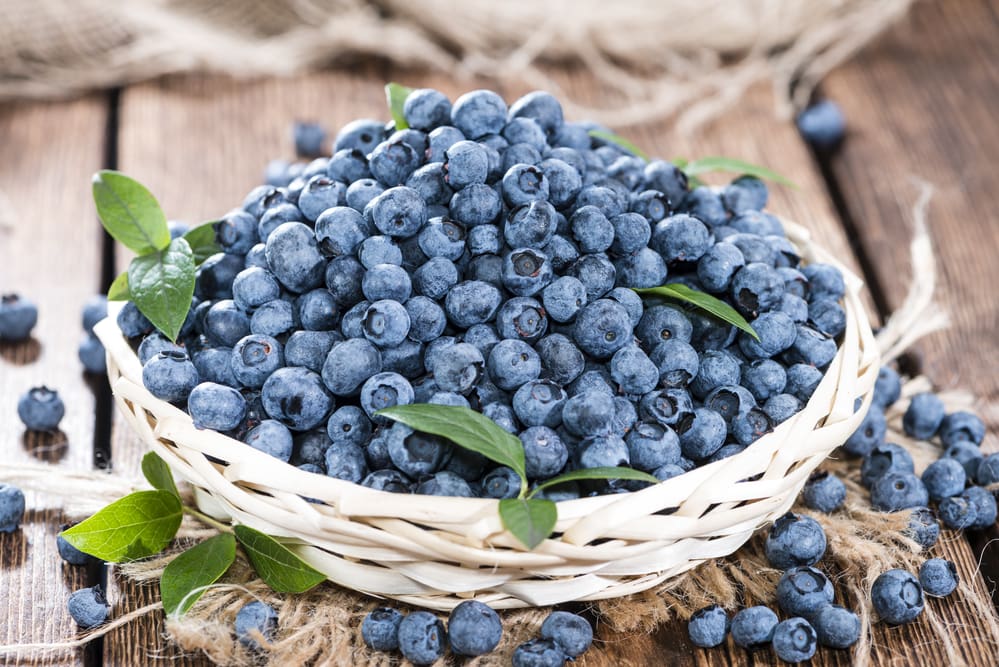
Additionally, berries are rich in fiber, vitamins (especially Vitamin C), and essential minerals, making them a nutrient-dense choice for any diet.
Health Benefits
Reduce Oxidative Stress: The antioxidants in berries play a crucial role in reducing oxidative stress, which is a key contributor to chronic inflammation. By scavenging free radicals, these compounds help to protect cells from damage and reduce inflammation throughout the body.
Improve Heart Health: Berries have been shown to improve heart health by lowering blood pressure, reducing LDL cholesterol levels, and decreasing arterial stiffness. These benefits are largely attributed to their high levels of polyphenols, which improve endothelial function and promote cardiovascular health.
Types of Berries to Include
To reap the maximum anti-inflammatory benefits, incorporate a variety of berries into your diet:
- Blueberries: Packed with anthocyanins, Vitamin C, and Vitamin K.
- Strawberries: Rich in Vitamin C, manganese, and folate.
- Raspberries: High in fiber, Vitamin C, and manganese.
- Blackberries: Loaded with Vitamin C, Vitamin K, and folate.
Scientific Evidence
Numerous studies have demonstrated the anti-inflammatory effects of berries. For example:
A study published in the Journal of Nutritional Biochemistry found that consuming blueberries daily significantly reduced markers of oxidative stress and inflammation in healthy adults .
Research in the American Journal of Clinical Nutrition showed that eating strawberries regularly decreased levels of C-reactive protein (CRP), a key marker of inflammation, in participants with metabolic syndrome .
Another study in The Journal of Nutrition reported that raspberry consumption led to lower levels of pro-inflammatory cytokines in overweight individuals, indicating a reduction in chronic inflammation .
By including a variety of berries in your diet, you can take advantage of their potent anti-inflammatory properties and enjoy a tasty way to boost your overall health.
2. Oranges
Oranges are a popular and accessible fruit known for their high Vitamin C content and refreshing taste. They are not only delicious but also packed with nutrients that contribute to reducing inflammation.

In addition to Vitamin C, oranges contain various flavonoids, such as hesperidin, which have strong anti-inflammatory and antioxidant properties.
Health Benefits
Boosts Immune System: Vitamin C is crucial for maintaining a healthy immune system. It helps stimulate the production of white blood cells, which are essential for fighting infections and protecting the body against pathogens. A robust immune system is better equipped to manage and reduce inflammation.
Promotes Collagen Production: Collagen is a protein that provides structure to skin, bones, and connective tissues. Vitamin C plays a vital role in collagen synthesis, aiding in the repair and regeneration of tissues. This not only supports skin health but also helps in the healing process and reduces inflammation associated with tissue damage.
Scientific Evidence
The role of Vitamin C in reducing inflammation is well-documented in scientific research. For instance:
A study published in the American Journal of Clinical Nutrition found that higher intakes of Vitamin C were associated with lower levels of CRP, an inflammatory marker. This suggests that Vitamin C-rich foods like oranges can help reduce systemic inflammation.
Research in the European Journal of Clinical Nutrition highlighted that flavonoids found in oranges, such as hesperidin, can significantly reduce inflammation and oxidative stress, contributing to improved cardiovascular health.
Another study in the Journal of Nutritional Biochemistry showed that Vitamin C supplementation could decrease levels of inflammatory cytokines in the blood, further underscoring its anti-inflammatory potential.
By incorporating oranges into your daily diet, you can leverage their high Vitamin C content and flavonoids to help reduce inflammation, boost your immune system, and promote overall health. Whether eaten fresh, juiced, or added to salads, oranges are a versatile and effective way to combat inflammation.
3. Pineapple
Pineapple is a tropical fruit renowned for its sweet and tangy flavor, but it also boasts impressive health benefits, particularly for reducing inflammation.
A standout feature of pineapple is its high content of bromelain, an enzyme with potent anti-inflammatory and digestive properties. Additionally, pineapple is rich in Vitamin C and manganese, both of which contribute to its overall health benefits.
Health Benefits
Aids Digestion: Bromelain aids in the digestion of proteins, making it easier for the body to break down and absorb nutrients. This enzyme can help alleviate digestive disorders and promote a healthy gut, which is crucial for maintaining overall health and reducing inflammation.
Reduces Pain and Swelling: Bromelain is well-known for its anti-inflammatory effects, particularly in reducing pain and swelling associated with conditions like arthritis, sports injuries, and postoperative recovery. Its ability to decrease the production of pro-inflammatory compounds makes it an effective natural remedy for inflammation-related discomfort.
Scientific Evidence
Numerous studies have highlighted the effectiveness of bromelain in reducing inflammation:
A study published in the Journal of Medicinal Food found that bromelain supplementation significantly reduced inflammation and improved symptoms in patients with osteoarthritis of the knee. This suggests that bromelain can be an effective natural treatment for inflammatory joint conditions.
Research in Phytomedicine demonstrated that bromelain has anti-inflammatory and analgesic properties, making it useful for treating conditions associated with chronic inflammation and pain.
Another study in the Journal of Ethnopharmacology showed that bromelain reduced the production of pro-inflammatory cytokines and modulated immune responses, further supporting its role in managing inflammation.
By incorporating pineapple into your diet, you can take advantage of the anti-inflammatory properties of bromelain, as well as the immune-boosting effects of Vitamin C. Whether enjoyed fresh, in smoothies, or as part of a savory dish, pineapple is a delicious and effective way to reduce inflammation and improve overall health.
4. Cherries
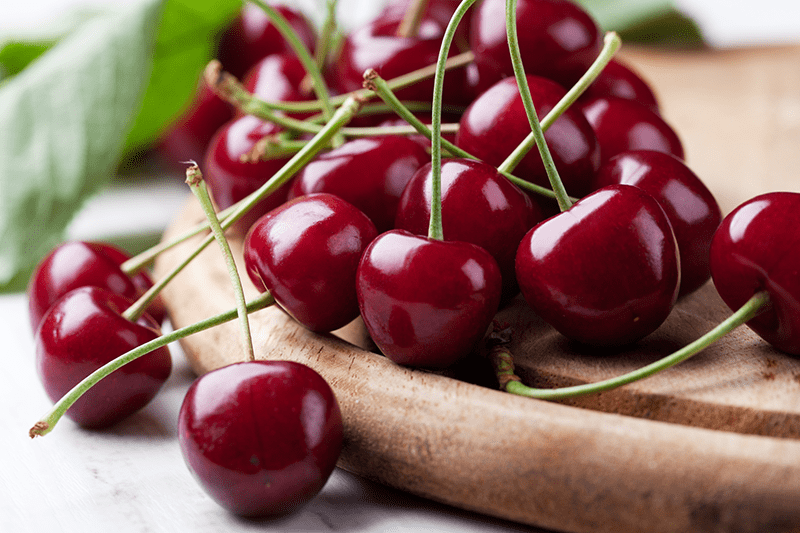
Cherries are not only a delicious fruit but also a powerful ally in the fight against inflammation.
They are particularly rich in antioxidants and anti-inflammatory compounds, such as anthocyanins, which give cherries their deep red color. In addition to these potent compounds, cherries are high in Vitamin C and potassium, both of which contribute to their health benefits.
Health Benefits
Improve Sleep Quality: Cherries, especially tart cherries, are a natural source of melatonin, a hormone that regulates sleep. Consuming cherries can help improve sleep quality and duration, making them an excellent choice for those struggling with sleep disorders.
Reduce Muscle Pain: The anti-inflammatory properties of cherries can help reduce muscle soreness and pain, making them a popular choice among athletes. Regular consumption of cherries or cherry juice has been shown to decrease muscle damage and accelerate recovery after intense physical activity.
Scientific Evidence
Several studies have underscored the anti-inflammatory effects of cherries:
A study published in the Journal of Nutrition found that participants who consumed tart cherry juice showed a significant reduction in markers of inflammation and oxidative stress. This suggests that cherries can help mitigate inflammation and support overall health.
Research in the Scandinavian Journal of Medicine & Science in Sports demonstrated that runners who drank tart cherry juice before and after a long-distance race experienced less muscle pain and faster recovery compared to those who did not consume the juice. This highlights the benefits of cherries for reducing exercise-induced muscle soreness.
Another study in the European Journal of Nutrition reported that regular consumption of sweet cherries led to a decrease in levels of CRP, a marker of inflammation, in healthy adults. This provides further evidence of cherries’ role in reducing systemic inflammation.
Incorporating cherries into your diet can offer multiple health benefits, from improved sleep to reduced muscle pain. Whether enjoyed fresh, as juice, or in a variety of dishes, cherries are a tasty and effective way to combat inflammation and enhance your well-being.
5. Grapes
Grapes are a versatile and popular fruit known for their sweetness and juiciness. They are packed with resveratrol, a potent antioxidant that has been extensively studied for its anti-inflammatory and health-boosting properties.
In addition to resveratrol, grapes are rich in vitamins C and K, both of which contribute to their impressive health benefits.
Health Benefits
Supports Heart Health: Resveratrol, found in the skin of grapes, has been shown to improve cardiovascular health by reducing inflammation, lowering blood pressure, and decreasing LDL cholesterol levels. These effects collectively support heart health and reduce the risk of cardiovascular diseases.

Protects Against Chronic Diseases: The antioxidants in grapes, including resveratrol, help protect the body against chronic diseases such as diabetes, cancer, and neurodegenerative disorders. By reducing oxidative stress and inflammation, grapes contribute to overall health and longevity.
Scientific Evidence
Numerous studies have highlighted the anti-inflammatory and health benefits of resveratrol found in grapes:
A study published in the Journal of Clinical Endocrinology & Metabolism demonstrated that resveratrol supplementation significantly reduced markers of inflammation and improved insulin sensitivity in patients with type 2 diabetes. This indicates that resveratrol can help manage inflammation and metabolic health.
Research in the American Journal of Cardiology found that resveratrol improves endothelial function, which is crucial for maintaining healthy blood vessels and preventing atherosclerosis. This supports the role of grapes in promoting heart health.
Another study in the Journal of Agricultural and Food Chemistry showed that resveratrol has neuroprotective effects, reducing inflammation in the brain and potentially lowering the risk of neurodegenerative diseases like Alzheimer’s.
Incorporating grapes into your diet can provide a delicious way to enhance your health and reduce inflammation. Whether enjoyed fresh, as raisins, or in a variety of culinary dishes, grapes offer a convenient and tasty option for boosting your overall well-being and protecting against chronic diseases.
Conclusion
Incorporating specific fruits into your diet can play a significant role in reducing inflammation and boosting overall health. Berries, with their high antioxidant content, help reduce oxidative stress and support heart health.
Oranges, rich in Vitamin C and flavonoids, boost the immune system and promote collagen production. Pineapples, containing the enzyme bromelain, aid digestion and reduce pain and swelling. Cherries, packed with antioxidants and melatonin, improve sleep quality and reduce muscle pain.
Finally, grapes, loaded with resveratrol, support heart health and protect against chronic diseases. Each of these fruits offers unique anti-inflammatory properties and essential nutrients that contribute to a healthier, more vibrant life.
To take advantage of these health benefits, try incorporating these fruits into your daily diet. Whether added to breakfast cereals, blended into smoothies, enjoyed as snacks, or included in salads and desserts, these fruits can easily become a delicious and nutritious part of your routine. By making a conscious effort to include a variety of these fruits, you can help manage inflammation and improve your overall health.
Maintaining a balanced diet rich in anti-inflammatory foods is essential for long-term health and well-being.
While these fruits can significantly contribute to reducing inflammation, it’s important to combine them with other healthy lifestyle practices such as regular physical activity, adequate hydration, and sufficient sleep. Embrace a holistic approach to health by enjoying these fruits and making mindful choices in your daily life.
Remember, small changes can lead to substantial improvements in your health, so start today by adding these powerful fruits to your diet and experience the benefits for yourself.