In the quest for fat loss, finding effective strategies that are easy to implement can be challenging. While many people resort to extreme diets and exhaustive workout regimens, there are simpler and scientifically-backed methods to accelerate fat loss without drastically changing your lifestyle. This article outlines the five easiest things you can do right now to speed up your fat loss journey, with references to scientific studies to back each claim.
Increase Your Protein Intake
Why Protein Matters
Protein is a crucial macronutrient that plays a significant role in fat loss. Increasing your protein intake can help you lose fat in several ways. Protein has a high thermic effect, meaning your body burns more calories digesting protein compared to fats or carbohydrates. Additionally, protein helps preserve muscle mass during weight loss, which is important for maintaining a healthy metabolism.
Scientific Evidence
A study published in the American Journal of Clinical Nutrition found that a high-protein diet increased thermogenesis and satiety compared to a high-carbohydrate diet, leading to greater fat loss and preservation of lean body mass (Westerterp-Plantenga et al., 2009). Another study demonstrated that participants who increased their protein intake to 25-30% of their total daily calories experienced greater weight loss and improved body composition over a 12-month period (Clifton et al., 2008).
How to Implement
- Include a source of protein in every meal: Examples include lean meats, fish, eggs, dairy, legumes, and plant-based protein sources like tofu and tempeh.
- Snack on protein-rich foods: Greek yogurt, cottage cheese, nuts, and protein shakes are convenient options.
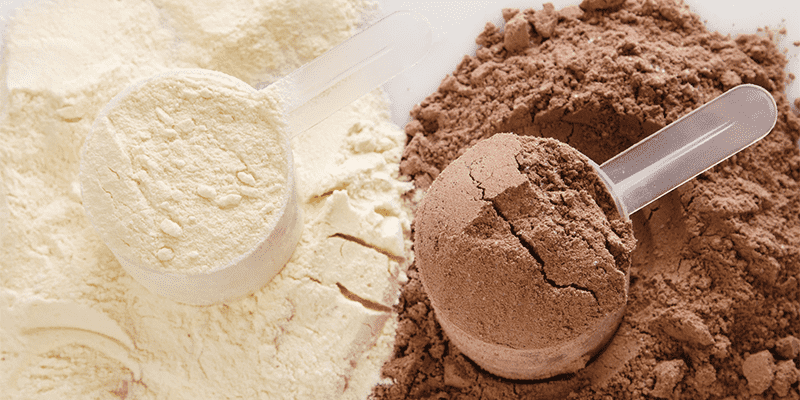
- Use protein supplements if necessary: Whey protein or plant-based protein powders can help you meet your protein needs without adding excessive calories.
Engage in High-Intensity Interval Training (HIIT)
What is HIIT?
High-Intensity Interval Training (HIIT) involves short bursts of intense exercise followed by brief periods of rest or low-intensity exercise. This type of workout is efficient, typically lasting between 20 to 30 minutes, and can be easily incorporated into a busy schedule.
Scientific Evidence
HIIT has been shown to be highly effective for fat loss. A study published in the Journal of Obesity reported that HIIT significantly reduced abdominal fat and improved cardiovascular fitness more effectively than moderate-intensity continuous exercise (Boutcher, 2011). Another study found that young women who performed HIIT three times a week for 15 weeks had significantly greater reductions in body fat compared to those who performed steady-state exercise (Trapp et al., 2008).
How to Implement
- Start with a simple HIIT routine: Alternate 30 seconds of high-intensity exercise (such as sprinting, cycling, or bodyweight exercises) with 30-60 seconds of low-intensity recovery.
- Gradually increase intensity: As you become more conditioned, increase the intensity of your high-intensity intervals or decrease your rest periods.
- Incorporate HIIT into your weekly routine: Aim for 2-3 HIIT sessions per week, ensuring you allow for adequate recovery between sessions.
Get More Sleep

The Importance of Sleep
Sleep plays a vital role in overall health, including fat loss. Poor sleep can disrupt the balance of hunger hormones, leading to increased appetite and cravings for unhealthy foods. Additionally, lack of sleep can negatively impact your metabolism and energy levels, making it harder to stay active and adhere to a healthy diet.
Scientific Evidence
Research published in the Annals of Internal Medicine showed that individuals who slept 5.5 hours per night lost less fat and more lean body mass compared to those who slept 8.5 hours per night while following a calorie-restricted diet (Nedeltcheva et al., 2010). Another study found that poor sleep quality and short sleep duration were associated with a higher body mass index (BMI) and increased fat accumulation (Chaput et al., 2007).
How to Implement
- Establish a regular sleep schedule: Go to bed and wake up at the same time every day, even on weekends.
- Create a relaxing bedtime routine: Engage in calming activities before bed, such as reading, taking a warm bath, or practising mindfulness.
- Optimise your sleep environment: Ensure your bedroom is cool, dark, and quiet. Invest in a comfortable mattress and pillows.
Stay Hydrated

The Role of Hydration in Fat Loss
Proper hydration is essential for optimal bodily functions, including metabolism and fat loss. Drinking enough water can help suppress appetite, increase calorie burning, and improve workout performance.
Scientific Evidence
A study published in The Journal of Clinical Endocrinology & Metabolism found that drinking 500 ml of water increased metabolic rate by 30% within 10 minutes, with this effect lasting for over an hour (Boschmann et al., 2003). Another study revealed that individuals who drank water before meals lost 44% more weight over 12 weeks compared to those who did not increase their water intake (Dennis et al., 2010).
How to Implement
- Drink water before meals: Aim to drink a glass of water 30 minutes before each meal to help reduce appetite and calorie intake.
- Carry a water bottle: Keep a reusable water bottle with you throughout the day to remind yourself to stay hydrated.
- Set hydration goals: Aim for at least 2-3 litres of water per day, depending on your activity level and climate.
Reduce Added Sugars and Refined Carbohydrates
The Impact of Sugars and Refined Carbs
Added sugars and refined carbohydrates can contribute to weight gain and fat accumulation by causing rapid spikes and crashes in blood sugar levels. These fluctuations can lead to increased hunger and cravings for high-calorie foods, making it harder to maintain a calorie deficit.
Scientific Evidence
A study published in the British Medical Journal found that reducing intake of added sugars was associated with significant reductions in body weight, particularly when combined with other dietary modifications (Te Morenga et al., 2013). Another study in the American Journal of Clinical Nutrition showed that diets high in refined carbohydrates were linked to increased abdominal fat and a higher risk of metabolic syndrome (McKeown et al., 2004).
How to Implement
- Read nutrition labels: Be mindful of the added sugars and refined carbs in processed foods, beverages, and snacks.
- Choose whole grains: Opt for whole grains such as oats, quinoa, brown rice, and whole wheat instead of refined grains like white bread, pasta, and pastries.
- Limit sugary beverages: Avoid sugary drinks like sodas, energy drinks, and sweetened teas. Choose water, herbal teas, or black coffee instead.
Key Takeaways
| Action | Benefits | Implementation |
|---|---|---|
| Increase Protein Intake | Boosts thermogenesis, preserves muscle mass, enhances satiety | Include protein in every meal, snack on protein-rich foods, use protein supplements if needed |
| Engage in HIIT | Reduces abdominal fat, improves cardiovascular fitness, efficient workout | Start with simple HIIT routines, gradually increase intensity, incorporate 2-3 sessions per week |
| Get More Sleep | Regulates hunger hormones, supports metabolism, improves energy levels | Establish a regular sleep schedule, create a relaxing bedtime routine, optimise sleep environment |
| Stay Hydrated | Suppresses appetite, increases calorie burning, improves workout performance | Drink water before meals, carry a water bottle, set hydration goals |
| Reduce Added Sugars and Refined Carbs | Prevents rapid blood sugar spikes, reduces cravings, decreases abdominal fat | Read nutrition labels, choose whole grains, limit sugary beverages |
References
- Boschmann, M., et al. (2003). Water-induced thermogenesis. The Journal of Clinical Endocrinology & Metabolism, 88(12), 6015-6019.
- Boutcher, S.H. (2011). High-intensity intermittent exercise and fat loss. Journal of Obesity, 2011, Article ID 868305.
- Chaput, J.P., et al. (2007). Short sleep duration is associated with increased risk of developing obesity in adults. International Journal of Obesity, 31(5), 717-723.
- Clifton, P.M., et al. (2008). High protein diets reduce hunger and lower food intake in individuals with obesity. American Journal of Clinical Nutrition, 87(1), 132-141.
- Dennis, E.A., et al. (2010). Water consumption increases weight loss during a hypocaloric diet intervention in middle-aged and older adults. Obesity, 18(2), 300-307.
- McKeown, N.M., et al. (2004). Carbohydrate nutrition, insulin resistance, and the prevalence of the metabolic syndrome in the Framingham Offspring Cohort. American Journal of Clinical Nutrition, 80(3), 675-682.
- Nedeltcheva, A.V., et al. (2010). Insufficient sleep undermines dietary efforts to reduce adiposity. Annals of Internal Medicine, 153(7), 435-441.
- Te Morenga, L., et al. (2013). Dietary sugars and body weight: systematic review and meta-analyses of randomised controlled trials and cohort studies. British Medical Journal, 346, e7492.
- Trapp, E.G., et al. (2008). The effects of high-intensity intermittent exercise training on fat loss and fasting insulin levels of young women. International Journal of Obesity, 32(4), 684-691.
- Westerterp-Plantenga, M.S., et al. (2009). High protein intake sustains weight maintenance after body weight loss in humans. American Journal of Clinical Nutrition, 90(5), 1241-1248.