Achieving muscle growth requires a combination of resistance training and an adequate intake of protein. For many people, hitting their daily protein targets can be challenging, but it doesn’t have to be. By incorporating some simple strategies into your daily routine, you can significantly increase your protein intake and accelerate your muscle-building efforts. This article explores five easy tricks to boost your protein consumption, backed by scientific evidence.
Why Protein is Essential for Muscle Growth
Before diving into the tricks, it’s important to understand why protein is crucial for muscle growth. Protein provides the building blocks—amino acids—needed for muscle repair and growth. When you engage in resistance training, your muscle fibres undergo micro-tears. Protein helps repair these tears, leading to muscle hypertrophy (growth).
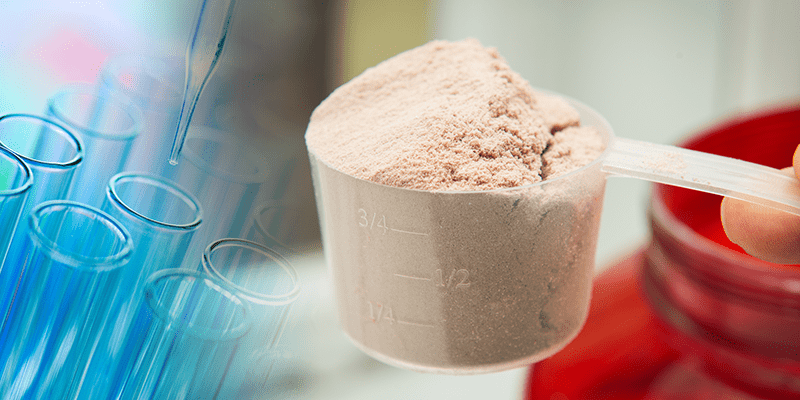
Research has consistently shown that adequate protein intake is essential for muscle growth and recovery. A study published in the Journal of the International Society of Sports Nutrition suggests that athletes should aim for 1.4 to 2.0 grams of protein per kilogram of body weight per day to optimize muscle growth and recovery (Jäger et al., 2017).
1. Incorporate Protein-Rich Snacks
Snacking is an easy way to increase your protein intake without significantly altering your main meals. Opt for high-protein snacks that are both convenient and nutritious.
Examples of Protein-Rich Snacks:
- Greek Yogurt: One serving of Greek yogurt can contain up to 20 grams of protein. It’s also rich in probiotics, which are beneficial for gut health.
- Cottage Cheese: Cottage cheese is an excellent source of casein protein, which digests slowly and provides a steady release of amino acids.
- Protein Bars: Choose bars with at least 20 grams of protein and minimal added sugars.
- Nuts and Seeds: Almonds, pistachios, and pumpkin seeds are good sources of protein and healthy fats.
A study published in The American Journal of Clinical Nutrition found that consuming a high-protein snack between meals can improve appetite control and increase overall daily protein intake (Leidy et al., 2015).
2. Use Protein Supplements
Protein supplements are one of the most effective ways to boost your protein intake. They are particularly useful for those with busy lifestyles or those who find it difficult to consume enough protein through food alone.
Types of Protein Supplements:
- Whey Protein: Whey is a complete protein containing all essential amino acids. It is quickly absorbed, making it ideal for post-workout recovery.
- Casein Protein: Unlike whey, casein digests slowly, providing a prolonged release of amino acids. It’s great for consumption before bedtime.
- Plant-Based Proteins: Options like pea, hemp, and brown rice protein are excellent for vegans and those with dairy intolerances.
Research published in the Journal of the International Society of Sports Nutrition highlights that both whey and casein proteins are effective for muscle hypertrophy and recovery when combined with resistance training (Phillips et al., 2015).
3. Add Protein to Your Meals
Enhancing the protein content of your main meals can significantly contribute to your daily intake. Here are some simple ways to add more protein to your meals.
Breakfast:
- Add Eggs: Eggs are a powerhouse of protein, containing about 6 grams per egg. Scrambled, boiled, or made into an omelette, they are versatile and easy to prepare.
- Use Protein-Rich Grains: Quinoa, amaranth, and buckwheat are excellent alternatives to traditional grains and provide more protein.
Lunch:
- Incorporate Lean Meats: Chicken, turkey, and lean cuts of beef are high in protein and can be added to salads, sandwiches, or wraps.
- Include Legumes: Lentils, chickpeas, and black beans are not only high in protein but also provide essential fibre.
Dinner:
- Choose Fish: Fish like salmon, tuna, and mackerel are rich in protein and omega-3 fatty acids.
- Tofu and Tempeh: These soy-based products are excellent sources of protein for vegetarians and can be used in a variety of dishes.
A study in Nutrients found that meals high in protein can increase muscle protein synthesis and help in maintaining muscle mass, particularly in older adults (Phillips, 2016).
4. Utilise Protein-Rich Cooking Techniques
Sometimes, how you cook your food can affect its protein content and bioavailability. Implementing certain cooking techniques can help maximise your protein intake.

Tips for Cooking with Protein:
- Grilling and Baking: These methods preserve the protein content of meat, fish, and poultry better than frying.
- Using Protein Powders in Recipes: Protein powders can be added to pancakes, muffins, and even soups to increase their protein content.
- Marinating with Yogurt: Yogurt-based marinades not only tenderise meat but also add extra protein.
Research in Food Chemistry suggests that different cooking methods can influence the protein quality and digestibility of foods. For instance, grilling and baking preserve more protein content compared to boiling and frying (Feng et al., 2017).
5. Plan and Prep Your Meals
Meal planning and preparation can help ensure that you consistently meet your protein goals. Preparing meals in advance allows you to control the ingredients and portions, making it easier to include high-protein foods.
Steps for Effective Meal Prep:
- Plan Your Week: Designate a day to plan your meals for the week. Make sure each meal includes a high-quality protein source.
- Batch Cooking: Prepare large quantities of protein-rich foods like chicken breasts, quinoa, and beans, and store them in portion-sized containers.
- Use a Variety of Proteins: Rotate different protein sources to ensure a well-rounded intake of amino acids and prevent meal fatigue.
A study published in Public Health Nutrition found that individuals who plan and prepare meals are more likely to have a higher diet quality and achieve their nutritional goals (Mills et al., 2017).
Conclusion
Increasing your protein intake doesn’t have to be complicated. By incorporating protein-rich snacks, using supplements, adding protein to your meals, utilizing protein-rich cooking techniques, and planning your meals, you can easily meet your daily protein requirements. These strategies are supported by scientific evidence and can help you build muscle faster and more effectively.
Key Takeaways
| Trick | Description |
|---|---|
| Incorporate Protein-Rich Snacks | Include snacks like Greek yogurt, cottage cheese, protein bars, and nuts to boost your protein intake. |
| Use Protein Supplements | Utilize whey, casein, or plant-based protein supplements to meet your protein needs, especially post-workout. |
| Add Protein to Your Meals | Enhance your meals with high-protein foods such as eggs, lean meats, legumes, and fish. |
| Utilise Protein-Rich Cooking Techniques | Opt for grilling and baking, use protein powders in recipes, and marinate meats with yogurt to preserve and add protein. |
| Plan and Prep Your Meals | Plan your meals for the week, batch cook, and use a variety of protein sources to ensure a consistent intake. |
Bibliography
Feng, X., Moon, S. H., Lee, H. Y., Kim, D. Y., & Lee, J. W. (2017). Influence of cooking methods on protein and amino acid composition of various meats. Food Chemistry, 239, 93-97.
Jäger, R., Kerksick, C. M., Campbell, B. I., Cribb, P. J., Wells, S. D., Skwiat, T. M., … & Arent, S. M. (2017). International society of sports nutrition position stand: protein and exercise. Journal of the International Society of Sports Nutrition, 14(1), 1-25.
Leidy, H. J., Armstrong, C. L., Tang, M., Mattes, R. D., & Campbell, W. W. (2015). The influence of higher protein intake and greater eating frequency on appetite control in overweight and obese men. Obesity, 18(9), 1725-1732.
Mills, S., Brown, H., Wrieden, W., White, M., & Adams, J. (2017). Frequency of eating home cooked meals and potential benefits for diet and health: cross-sectional analysis of a population-based cohort study. Public Health Nutrition, 20(3), 512-521.
Phillips, S. M. (2016). The impact of protein quality on the promotion of resistance exercise-induced changes in muscle mass. Nutrients, 8(6), 1-15.
Phillips, S. M., Chevalier, S., & Leidy, H. J. (2015). Protein requirements beyond the RDA: implications for optimizing health. Applied Physiology, Nutrition, and Metabolism, 41(5), 565-572.
FAQs
How much protein do I need to build muscle?
The amount of protein you need depends on various factors, including your body weight, age, and level of physical activity. A general guideline for those engaging in regular resistance training is to consume between 1.4 to 2.0 grams of protein per kilogram of body weight per day (Jäger et al., 2017).
Can I get enough protein from plant-based sources?
Yes, it is possible to get enough protein from plant-based sources. Foods like lentils, chickpeas, quinoa, tofu, tempeh, and various nuts and seeds are excellent sources of protein. Plant-based protein powders, such as pea and hemp protein, can also help meet your daily protein requirements.
When is the best time to consume protein for muscle growth?
Consuming protein throughout the day, particularly around your workout times, is beneficial for muscle growth. Protein intake post-workout is crucial as it helps with muscle recovery and growth. Whey protein is an excellent choice for post-workout due to its rapid absorption (Phillips et al., 2015).
Are protein supplements necessary for muscle growth?
Protein supplements are not absolutely necessary but can be highly convenient, especially for those who struggle to meet their protein needs through food alone. Supplements like whey, casein, and plant-based proteins can help ensure you get enough protein to support muscle growth and recovery.