Check out the best and worst quad exercises as explained by a fitness expert respected in the community.
The quads, or quadriceps, are a group of muscles at the front of your thigh. The quads are composed of four distinct muscle heads, each with a specific function:
· Vastus Medialis:
- Location: This muscle is situated on the inside of the thigh.
- Function: It is often referred to as the “teardrop muscle” because of its shape. The vastus medialis primarily contributes to knee extension, helping to straighten the knee.
· Vastus Intermedius:
- Location: This muscle runs down the middle of the thigh.
- Function: Positioned beneath the rectus femoris, the vastus intermedius also plays a key role in extending the knee.
· Vastus Lateralis:
- Location: Found on the outside of the thigh.
- Function: The vastus lateralis is the largest of the quad muscles and is responsible for knee extension. It gives the outer thigh its defined shape.
· Rectus Femoris:
- Location: This long, flat muscle runs down the middle of the thigh, sitting on top of the other quad muscles.
- Function: The rectus femoris is unique because it has two functions. Like the other quad muscles, it helps extend the knee. Additionally, it assists in hip flexion, which is the movement of raising the leg to the front.
Table of Contents
Criteria for Ranking the Best and Worst Quad Exercises
As mentioned, a respected fitness expert came up with a list of the best and worst quad exercises – and he knows a lot about mechanical tension and how to force muscle growth.
This is when we get help from Jeff Nippard, a natural professional bodybuilder and fitness coach who shares tips and training programs on his YouTube channel.
Nippard ranked more than 20 popular quad exercises and put them on a tier system from best to worst. On this list, S stands for Super, so it is the best exercises you can do for quad muscle growth, and F stands for Fail, when the exercise is a waste of time for quad development.
Let’s dive into the key criteria and rankings:
- High Quad Tension: The exercise should place significant tension on the quadriceps, especially in the stretched position.
- Feeling Good: The exercise should not cause knee pain and should have a smooth resistance profile.
- Simple Progression: The exercise should allow for easy application of progressive overload by adding weight or reps weekly.
The Best and Worst Quad Exercises for Muscle Growth
S-Tier Exercises
These exercises excel in quad tension, feel good, and offer simple progression.
Barbell Back Squat:
- High quad tension, especially deep in the hole.
- Generally feels good with a stable bar path.
- Excellent for progressive overload.
- Despite minor concerns about rectus femoris activation, it’s a proven quad builder.

Hack Squat:
- Similar benefits to the barbell squat with less setup time and more direct quad tension.
- Adjustable foot positions for comfort and balance.
- Equally effective as free weights in building muscle if sets are pushed hard.
Pendulum Squat:
- Follows a natural resistance arc, enhancing comfort and quad activation.
- Limited by gym availability but excellent for quad growth.
Smith Machine Squat:
- Allows pushing quads close to failure safely.
- Similar movement pattern to barbell squats with reduced stabilizer involvement.
Bulgarian Split Squat:
- Significant tension on quads, especially in the stretched position.
- No knee pain and allows foot positioning and depth adjustment
- Unilateral focus helps to correct muscle imbalances
A-Tier Exercises
These are highly effective but might have minor drawbacks compared to S-tier.
Barbell Front Squat:
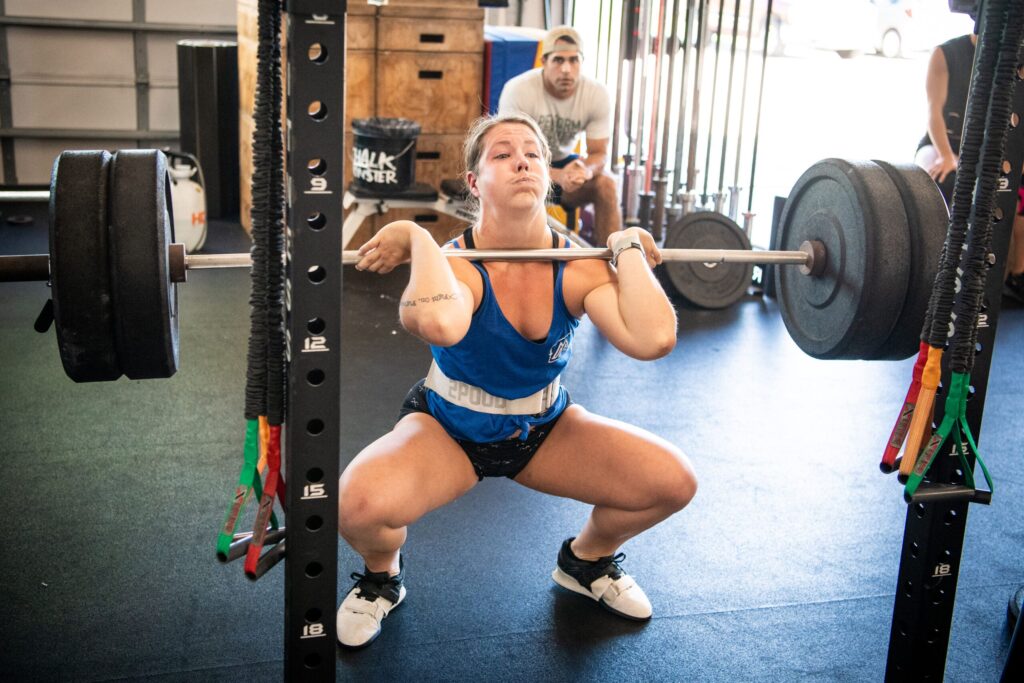
- Shifts more tension to the quads due to the forward bar position.
- Can be awkward for some but offers excellent quad activation.
Low Bar Back Squat:
- Allows for more total weight but shifts some tension to the glutes.
- Still provides high quad activity with reasonable depth.
45-Degree Leg Press:
- Eccentric phase activation of quads
- Easy on the knees and lower back compared to free weights squats
- Greater isolation of the quads compared to other compound movements
Leg Extension:
- Excellent for engaging all four heads of the quadriceps.
- Effective, especially with the seat back position to stretch the rectus femoris.
- Limited by lesser overload potential compared to squats.
Reverse Nordic:
- Provides a deep quad stretch and is accessible without machines.
- Challenging for beginners and limited overload options.
B-Tier Exercises
Good for specific situations or as supplementary exercises.
Lunges:

- Better for glutes but still provide a decent quad stimulus.
- More effective with shallower steps to focus on quads.
Goblet Squat:
- Similar mechanics to the front squat but harder to overload.
- Best for beginners or as a high-rep finisher.
Sissy Squat:
- High tension on quads at the stretched position
- Effective to isolate quads by keeping the knees forward and hip extended
- Challenging and awkward for some people, but not brutal on the knees
C-Tier Exercises
Limited effectiveness for quad growth due to range of motion or overload limitations.
Horizontal Leg Press:
- Less effective due to limited range of motion and lower overload capacity.
Deadlifts:
- Better for glutes and overall strength, less effective for quads.
- Sumo stance offers slightly more quad involvement.
Step-Ups:
- Less quad stretch and stability compared to other unilateral exercises.
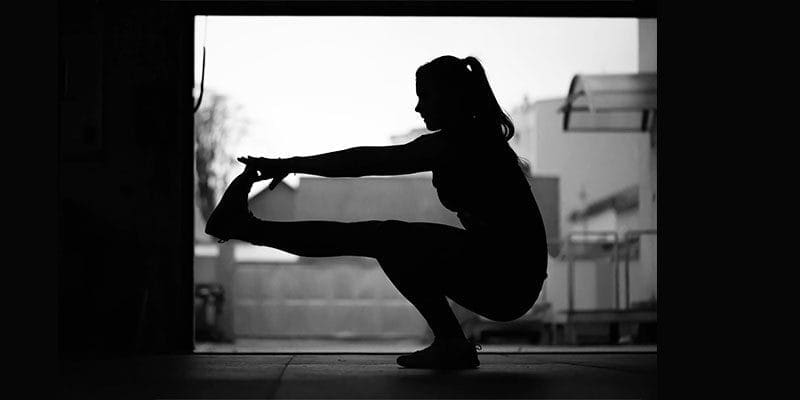
Pistol Squats:
- Impressive but limited by stability and overload issues.
- Better suited for bodyweight training contexts.
F-Tier Exercises
Least effective for quad growth due to instability or mismatch in muscle fatigue.
Squat Combination Exercises (e.g., Squat + Press):
- Upper body fatigue limits quad engagement.
Bosu Ball Squats:
- Instability reduces quad tension and increases ankle stabilization.
Jump Squats:
- More suited for explosive power rather than muscle growth.
The Best of the Best:
The hack squat is crowned as the best overall exercise for quad growth due to its high tension, comfort, and accessibility. If unavailable, the high bar barbell back squat is a great alternative.
The hack squat is crowned as the best overall exercise for quad growth due to its high tension, comfort, and accessibility. If unavailable, the high bar barbell back squat is a great alternative.
The Worst of the Worst:
The bosu ball squat ranks as the least effective due to its instability and reduced quad tension.
So, which exercise should you pick? Only the ones mentioned on the S tier? No, not necessarily. There are a few things you need to keep in mind.
First and foremost, choose the exercises you enjoy the most – consistency is the biggest driver of muscle growth and if you enjoy doing something, chances are you will keep on doing them.
As a general rule, prioritise and mix exercises from the S and A tier, but also taping sometimes into the B tier for optimal results. Avoid F tier exercises as they are a waste of time when targeting the quads.
Read Also: The Best Science Based Lower Body Workout for Muscle Growth (Quads/Hams/Glutes)