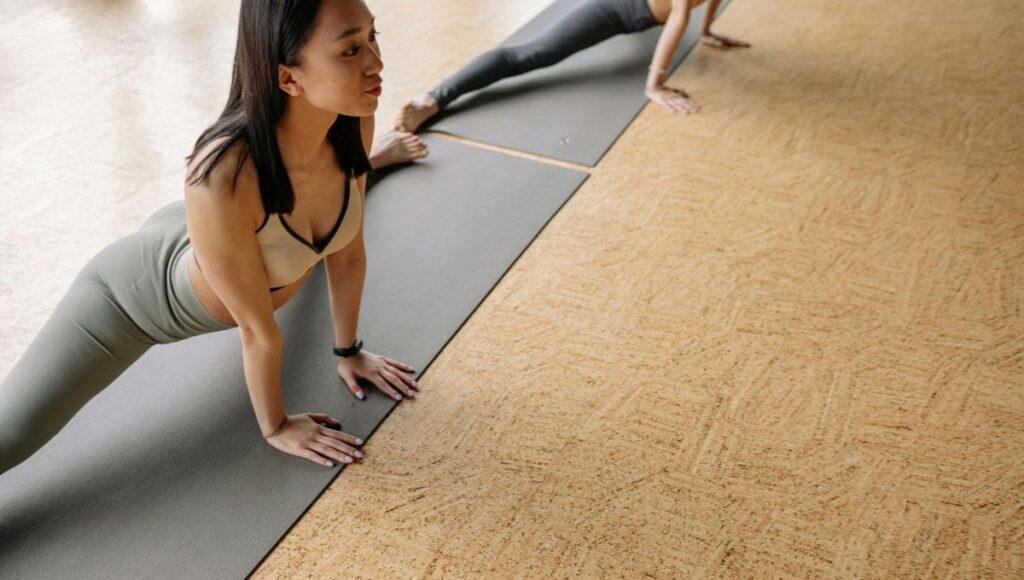
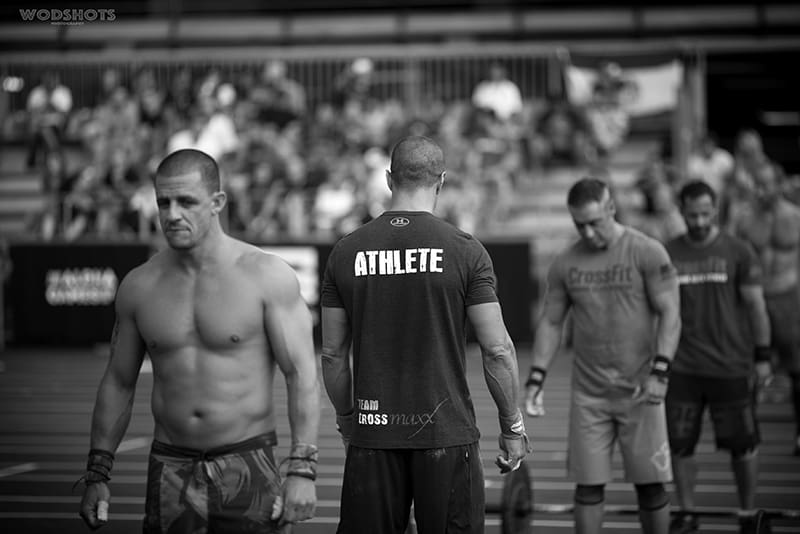
The best recovery routine for lifters is what you need when you’re training hard and want to maximize your results.
Hard training is only half of the equation for progress in strength and hypertrophy. Recovery is the critical—but often neglected—component that determines whether athletes adapt positively or spiral into fatigue, injury, or stagnation.
Recovery is not simply “rest”; it is a structured process involving physiological repair, psychological reset, and performance optimization. This article outlines the best science-backed recovery routine for lifters who train intensely, integrating nutrition, sleep, active modalities, and psychological strategies.
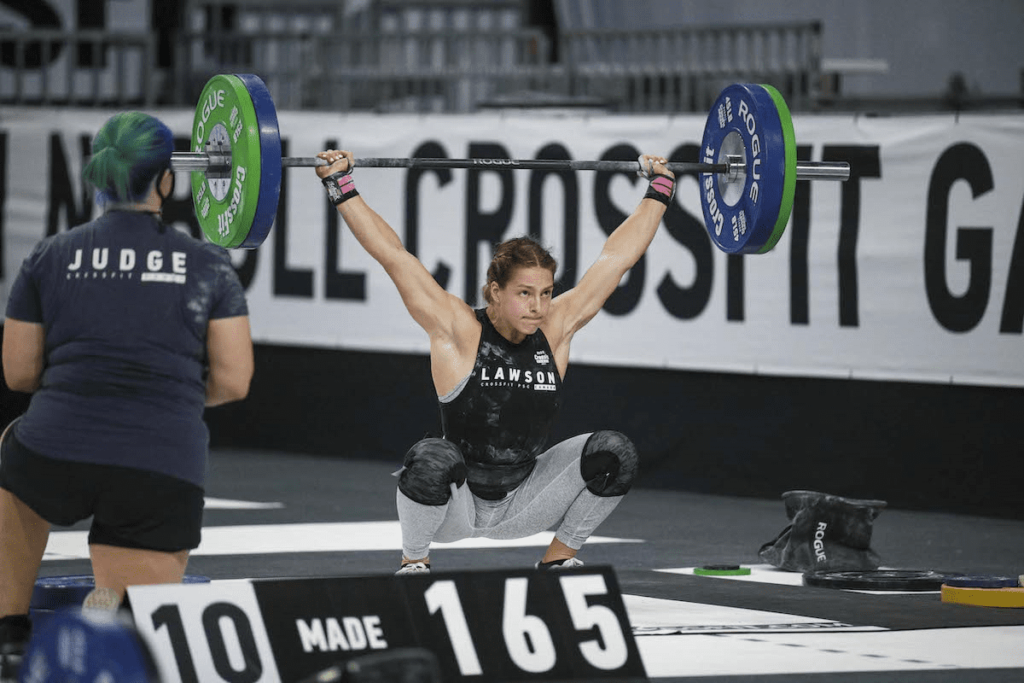
Why Recovery Matters
Strength training creates controlled stress on muscles, connective tissues, and the nervous system. Microtears in muscle fibers, depletion of glycogen stores, neural fatigue, and inflammation are normal consequences of hard lifting. Recovery is the adaptive phase where these stressors are repaired, leading to supercompensation—muscle growth, strength gains, and improved work capacity.
Poor recovery undermines this process. Chronic insufficient recovery leads to maladaptation, impaired performance, and an elevated risk of overtraining syndrome. Research consistently shows that recovery is as important as the training stimulus itself in driving long-term gains (Kreher & Schwartz, 2012).
Sleep: The Cornerstone of Recovery
Best Recovery Routine for Lifters: Duration and Quality
Sleep is the single most important recovery tool. Deep sleep stages (slow-wave sleep) are when growth hormone secretion peaks, driving muscle repair and tissue regeneration (Van Cauter et al., 2000). Athletes who train intensely should target 8–10 hours of sleep per night, with additional naps if cumulative fatigue builds.
Sleep Hygiene Strategies
Improving sleep quality is as important as duration. Evidence supports:
- Consistent bedtimes and wake times to stabilize circadian rhythms.
- Avoiding blue light exposure from screens in the 1–2 hours before bed (Chang et al., 2015).
- Keeping the sleep environment cool (16–20°C), dark, and quiet.
Sleep Deprivation and Performance
Even partial sleep restriction (e.g., 5–6 hours per night) significantly impairs strength, reaction time, and cognitive performance (Reyner & Horne, 2013). Chronic deprivation also reduces testosterone levels, a key anabolic hormone (Leproult & Van Cauter, 2011).
Nutrition for Recovery
Best Recovery Routine for Lifters: Protein Intake
Protein provides the amino acids necessary for muscle protein synthesis (MPS). The consensus is that lifters should consume 1.6–2.2 g/kg of bodyweight per day (Morton et al., 2018). Protein should be evenly distributed across meals, ideally every 3–4 hours, to maximize MPS.
Leucine-rich proteins (e.g., whey, dairy, eggs) are particularly effective at stimulating MPS (Phillips et al., 2016).
Carbohydrates and Glycogen Restoration
Hard training depletes glycogen stores. Carbohydrate intake post-training accelerates glycogen resynthesis, especially when consumed within the first few hours after exercise (Ivy, 1998). Athletes should target 4–7 g/kg/day depending on training volume.
Combining protein with carbohydrates enhances both glycogen replenishment and muscle recovery (Betts & Williams, 2010).
Best Recovery Routine for Lifters: Hydration and Electrolytes
Dehydration impairs muscle strength, endurance, and thermoregulation (Sawka et al., 2007). Rehydration should replace both fluids and electrolytes, especially sodium lost through sweat.
Anti-Inflammatory Nutrition
Foods rich in omega-3 fatty acids, polyphenols, and antioxidants can reduce exercise-induced muscle soreness and inflammation. For example:
- Omega-3 supplementation has been shown to reduce delayed-onset muscle soreness (DOMS) (Tinsley et al., 2019).
- Tart cherry juice accelerates recovery from strength training due to its high anthocyanin content (Howatson et al., 2010).
Active Recovery and Movement
[wpcode id=”229888″]Best Recovery Routine for Lifters: Low-Intensity Activity
Active recovery—such as light cycling, walking, or swimming—increases blood flow and promotes metabolite clearance. Research demonstrates that low-intensity activity can reduce DOMS and improve subsequent performance compared to complete rest (Tufano et al., 2017).
Stretching and Mobility Work
Static stretching immediately post-training does not accelerate recovery and may even reduce strength if overemphasized (Herbert & Gabriel, 2002). However, dynamic mobility work and targeted flexibility training on rest days support joint health and movement efficiency.
Foam Rolling and Self-Myofascial Release
Foam rolling has been shown to reduce muscle soreness and improve range of motion without impairing strength (Cheatham et al., 2015). Short bouts (10–20 minutes) post-training or on recovery days are effective.
Modalities and Tools
Cold Water Immersion
Ice baths and cold water immersion reduce muscle soreness and perceived fatigue (Bleakley et al., 2012). However, frequent use may blunt hypertrophy adaptations by suppressing inflammation required for growth (Roberts et al., 2015). Best used strategically during high-intensity phases or competitions.
Compression Garments
Wearing compression garments post-exercise can reduce muscle swelling and improve recovery of strength performance (Hill et al., 2014). Their effects are modest but meaningful for athletes under heavy workloads.
Massage Therapy
Massage reduces perceived muscle soreness and improves psychological well-being (Weerapong et al., 2005). While its effects on direct muscle repair are limited, the psychological benefit contributes indirectly to recovery.
Best Recovery Routine for Lifters: Heat Therapy
Heat application increases blood flow and tissue elasticity, potentially accelerating healing from minor soft-tissue injuries (Petrofsky et al., 2015). Contrast therapy (alternating hot and cold) may also improve recovery in some contexts.
Nervous System Recovery
Best Recovery Routine for Lifters: Managing CNS Fatigue
Heavy lifting taxes the central nervous system (CNS) as much as the muscles. Symptoms of CNS fatigue include reduced explosiveness, mental fatigue, and decreased motivation. Recovery involves not just physical strategies but also psychological restoration.
Relaxation and Stress Management
Chronic psychological stress elevates cortisol, which impairs recovery and muscle growth (Hackney, 2006). Techniques such as mindfulness meditation, controlled breathing, and yoga have been shown to reduce stress and improve parasympathetic activity (Tang et al., 2009).
Monitoring Recovery
Heart rate variability (HRV) is a useful non-invasive marker of nervous system recovery. Higher HRV indicates stronger parasympathetic activity and readiness to train, while suppressed HRV may signal accumulated fatigue (Stanley et al., 2013).
Periodization of Recovery

Best Recovery Routine for Lifters: Balancing Work and Rest
The concept of periodization applies to recovery as much as to training. Strategic recovery blocks (deload weeks, active recovery sessions, or tapering phases) allow athletes to dissipate fatigue while maintaining adaptations.
Individualization
Recovery strategies must be tailored to the athlete’s training load, age, nutrition, sleep habits, and stress levels. Genetic differences also influence recovery capacity, meaning athletes should track responses and adjust strategies accordingly (Bishop et al., 2008).
Putting It All Together: The Optimal Recovery Routine
An evidence-based recovery routine for lifters who train hard would include:
- Sleep: 8–10 hours nightly with consistent routines.
- Nutrition: Protein 1.6–2.2 g/kg/day; carbohydrate 4–7 g/kg/day; hydration with electrolytes; anti-inflammatory foods.
- Active Recovery: Low-intensity activity, mobility work, and foam rolling on non-training days.
- Modalities: Strategic use of cold water immersion, compression garments, or massage when workload is high.
- Psychological Recovery: Stress reduction, mindfulness, and relaxation practices.
- Monitoring: Tracking HRV, sleep quality, and subjective fatigue to adjust training.
Best Recovery Routine for Lifters: Conclusion
Hard training produces the stimulus for growth, but recovery determines the outcome. By prioritizing sleep, nutrition, active recovery, and psychological strategies, lifters can maximize performance, reduce injury risk, and sustain long-term progress. The best recovery routine is not a single tool but a comprehensive, individualized system grounded in scientific evidence.
Best Recovery Routine for Lifters: Key Takeaways
| Component | Best Practice | Evidence |
|---|---|---|
| Sleep | 8–10 hours/night, consistent schedule, cool/dark environment | Van Cauter et al., 2000 |
| Protein | 1.6–2.2 g/kg/day, spread evenly across meals | Morton et al., 2018 |
| Carbohydrates | 4–7 g/kg/day, focus on post-training intake | Ivy, 1998 |
| Hydration | Replace fluids + electrolytes after training | Sawka et al., 2007 |
| Anti-Inflammatory Foods | Omega-3s, tart cherry juice, polyphenols | Tinsley et al., 2019; Howatson et al., 2010 |
| Active Recovery | Low-intensity cardio, foam rolling, mobility | Tufano et al., 2017; Cheatham et al., 2015 |
| Modalities | Cold immersion (strategic), massage, compression garments | Bleakley et al., 2012; Hill et al., 2014 |
| Stress Management | Mindfulness, relaxation, HRV monitoring | Tang et al., 2009; Stanley et al., 2013 |
References
- Betts, J.A. & Williams, C. (2010) ‘Short-term recovery from prolonged exercise: exploring the potential for protein ingestion to accentuate the benefits of carbohydrate supplements’, Nutrition, Metabolism and Cardiovascular Diseases, 20(4), pp. 282–288.
- Bishop, P.A., Jones, E. & Woods, A.K. (2008) ‘Recovery from training: a brief review’, Journal of Strength and Conditioning Research, 22(3), pp. 1015–1024.
- Bleakley, C.M., Davison, G.W. & Whatling, C. (2012) ‘Effect of cold water immersion on recovery from exercise-induced muscle damage: implications for athletic performance’, Sports Medicine, 42(2), pp. 107–126.
- Chang, A.M., Aeschbach, D., Duffy, J.F. & Czeisler, C.A. (2015) ‘Evening use of light-emitting eReaders negatively affects sleep, circadian timing, and next-morning alertness’, Proceedings of the National Academy of Sciences, 112(4), pp. 1232–1237.
- Cheatham, S.W., Kolber, M.J., Cain, M. & Lee, M. (2015) ‘The effects of self-myofascial release using a foam roll or roller massager on joint range of motion, muscle recovery, and performance: a systematic review’, International Journal of Sports Physical Therapy, 10(6), pp. 827–838.
- Hackney, A.C. (2006) ‘Stress and the neuroendocrine system: the role of exercise as a stressor and modifier of stress’, Expert Review of Endocrinology & Metabolism, 1(6), pp. 783–792.
- Herbert, R.D. & Gabriel, M. (2002) ‘Effects of stretching before and after exercising on muscle soreness and risk of injury: systematic review’, BMJ, 325(7362), pp. 468.
- Hill, J.A., Howatson, G., van Someren, K.A., Leeder, J. & Pedlar, C.R. (2014) ‘Compression garments and recovery from exercise-induced muscle damage: a meta-analysis’, British Journal of Sports Medicine, 48(18), pp. 1340–1346.
- Howatson, G. et al. (2010) ‘Influence of tart cherry juice on indices of recovery following marathon running’, Scandinavian Journal of Medicine & Science in Sports, 20(6), pp. 843–852.
- Ivy, J.L. (1998) ‘Glycogen resynthesis after exercise: effect of carbohydrate intake’, International Journal of Sports Medicine, 19(S2), pp. S142–S145.
- Kreher, J.B. & Schwartz, J.B. (2012) ‘Overtraining syndrome: a practical guide’, Sports Health, 4(2), pp. 128–138.
- Leproult, R. & Van Cauter, E. (2011) ‘Effect of sleep loss on neuroendocrine signals and metabolic function’, Proceedings of the National Academy of Sciences, 108(37), pp. 15644–15649.
- Morton, R.W. et al. (2018) ‘A systematic review, meta-analysis and meta-regression of the effect of protein supplementation on resistance training-induced gains in muscle mass and strength in healthy adults’, British Journal of Sports Medicine, 52(6), pp. 376–384.
- Petrofsky, J.S. et al. (2015) ‘The effect of moist heat on recovery of muscle strength and blood lactate after exercise’, Journal of Strength and Conditioning Research, 29(2), pp. 528–533.
- Phillips, S.M. et al. (2016) ‘Dietary protein to support muscle hypertrophy’, Nestle Nutrition Institute Workshop Series, 85, pp. 73–84.
- Reyner, L.A. & Horne, J.A. (2013) ‘Sleep restriction and performance’, Sleep Medicine Reviews, 17(3), pp. 215–222.
- Roberts, L.A., Raastad, T., Markworth, J.F., Figueiredo, V.C., Egner, I.M., Shield, A., Cameron-Smith, D. & Coombes, J.S. (2015) ‘Post-exercise cold water immersion attenuates acute anabolic signaling and long-term adaptations in muscle to strength training’, Journal of Physiology, 593(18), pp. 4285–4301.
- Sawka, M.N. et al. (2007) ‘American College of Sports Medicine position stand. Exercise and fluid replacement’, Medicine & Science in Sports & Exercise, 39(2), pp. 377–390.
- Stanley, J., Peake, J.M. & Buchheit, M. (2013) ‘Cardiac parasympathetic reactivation following exercise: implications for training prescription’, Sports Medicine, 43(12), pp. 1259–1277.
- Tang, Y.Y. et al. (2009) ‘Central and autonomic nervous system interaction is altered by short-term meditation’, Proceedings of the National Academy of Sciences, 106(22), pp. 8865–8870.
- Tinsley, G.M., Gann, J.J. & La Bounty, P.M. (2019) ‘Omega-3 fatty acids and resistance training: a narrative review’, Journal of Dietary Supplements, 16(4), pp. 445–461.
- Tufano, J.J., Conlon, J.A. & Nimphius, S. (2017) ‘The effect of different recovery durations on subsequent performance in high-intensity resistance exercise’, Journal of Strength and Conditioning Research, 31(2), pp. 328–335.
- Van Cauter, E., Leproult, R. & Plat, L. (2000) ‘Age-related changes in slow wave sleep and REM sleep and relationship with growth hormone and cortisol levels in healthy men’, JAMA, 284(7), pp. 861–868.
- Weerapong, P., Hume, P.A. & Kolt, G.S. (2005) ‘The mechanisms of massage and effects on performance, muscle recovery and injury prevention’, Sports Medicine, 35(3), pp. 235–256.