Achieving six-pack abs in just 30 days is an ambitious goal, but with the right approach, it’s possible to make significant progress. This article will provide a science-backed, no-fluff guide to achieving visible abs in a month. We’ll cover the critical components of diet, exercise, and recovery, all supported by research.
Understanding Body Fat and Muscle Definition
The Role of Body Fat
The visibility of six-pack abs is primarily determined by the amount of subcutaneous fat covering your abdominal muscles. Even if you have well-developed abs, they won’t be visible unless your body fat percentage is low enough. For men, this generally means a body fat percentage below 10%, while for women, it’s below 18%.
Muscle Hypertrophy and Core Strength
Muscle hypertrophy (growth) is also essential. While reducing body fat reveals your abs, you need to have sufficiently developed muscles to achieve that six-pack look. Core exercises that target the rectus abdominis, obliques, and transverse abdominis are crucial in this process.
Diet: The Foundation of Six-Pack Abs
Caloric Deficit
To lose fat, you must consume fewer calories than your body burns, creating a caloric deficit. Research indicates that a daily deficit of 500-1,000 calories leads to a weight loss of about 0.5-1 kg per week, which is a safe and sustainable rate. To achieve this, you can either reduce your calorie intake, increase your physical activity, or ideally, combine both.
Macronutrient Ratios
While creating a caloric deficit is essential, the macronutrient composition of your diet also plays a significant role. A high-protein diet is particularly effective for fat loss and muscle preservation. Protein increases satiety, helping you eat less, and supports muscle maintenance during weight loss. Aim for 2-2.5 grams of protein per kilogram of body weight daily.
Carbohydrates should be moderated but not eliminated. They provide the energy needed for high-intensity workouts, which are essential for fat loss and muscle building. Opt for complex carbohydrates like oats, brown rice, and sweet potatoes, which have a lower glycaemic index and provide a more sustained energy release.
Fats should comprise about 20-30% of your daily calorie intake, focusing on healthy fats from sources like avocados, nuts, and olive oil.
Micronutrients and Hydration
Vitamins and minerals are crucial for overall health and optimal physical performance. A diet rich in fruits, vegetables, lean meats, and whole grains will generally provide sufficient micronutrients. Hydration is equally important; even mild dehydration can impair exercise performance and hinder fat loss. Aim for at least 2-3 litres of water daily, more if you’re active.
Exercise: Building and Revealing Your Abs
High-Intensity Interval Training (HIIT)
HIIT is one of the most effective exercise strategies for fat loss. This type of training involves short bursts of intense exercise followed by periods of rest or lower-intensity exercise. Studies have shown that HIIT can burn more calories in a shorter time than traditional steady-state cardio and is particularly effective at targeting abdominal fat.
A typical HIIT workout could include exercises like sprinting, cycling, or bodyweight exercises (e.g., burpees, jump squats). Perform these at maximum effort for 20-30 seconds, followed by 10-30 seconds of rest. Repeat for 20-30 minutes.
Resistance Training
Resistance training, or weightlifting, is essential for muscle hypertrophy. Compound exercises like deadlifts, squats, and bench presses engage multiple muscle groups, including the core, and are highly effective for building overall muscle mass and strength.
Specific ab exercises should also be included to target the rectus abdominis and obliques. Examples include:
- Hanging Leg Raises: Focus on slow, controlled movements to maximise muscle engagement.
- Planks: These target the entire core and can be modified to increase intensity, such as by adding weight or performing side planks.
- Russian Twists: Effective for targeting the obliques, which contribute to the definition of your abs.
Aim for 3-4 resistance training sessions per week, focusing on both compound lifts and targeted core exercises.
Daily Activity and NEAT
Non-exercise activity thermogenesis (NEAT) refers to the calories burned during daily activities that are not considered formal exercise, such as walking, fidgeting, or even standing. Increasing your NEAT can significantly contribute to creating a caloric deficit. Simple changes like taking the stairs instead of the lift, walking more, or using a standing desk can increase your daily calorie expenditure.
Recovery: The Underestimated Factor

Sleep
Adequate sleep is often overlooked in fitness routines, but it is critical for both fat loss and muscle recovery. Studies show that sleep deprivation can increase hunger and appetite, particularly for high-calorie foods, while also impairing your body’s ability to recover from exercise. Aim for 7-9 hours of quality sleep per night.
Stress Management
Chronic stress leads to elevated levels of cortisol, a hormone that can promote fat storage, particularly around the abdomen. Techniques such as mindfulness meditation, deep breathing exercises, and yoga can help manage stress and lower cortisol levels.
Active Recovery
Incorporating active recovery days into your routine helps reduce muscle soreness and improves circulation without adding significant stress to your body. Activities like light walking, swimming, or yoga can enhance recovery and keep you moving on rest days.
Supplementation: Do You Need It?
Protein Supplements
If you’re struggling to meet your protein needs through food alone, a high-quality protein supplement can be beneficial. Whey protein, in particular, has been shown to support muscle repair and growth, especially when consumed post-workout .
Creatine
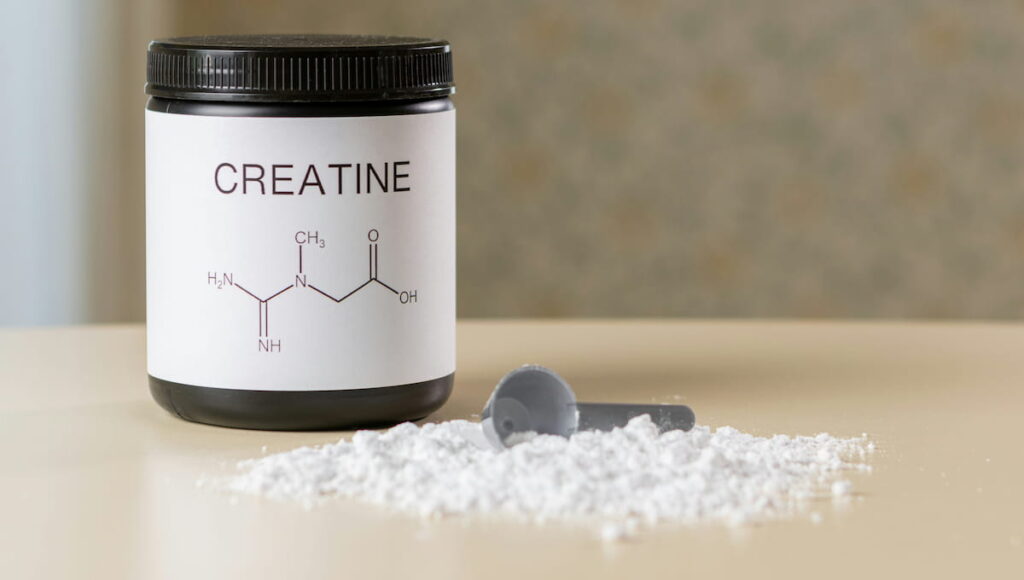
Creatine is one of the most researched and effective supplements for improving strength, power, and muscle mass. It can help you push harder during your workouts, leading to greater muscle gains over time.
Caffeine
Caffeine is a proven ergogenic aid that can enhance performance during both endurance and high-intensity exercise. It also has a mild thermogenic effect, meaning it can slightly increase calorie burning. However, it should be used in moderation to avoid negative side effects like jitteriness or insomnia.
Tracking Progress: Stay Accountable
Body Measurements and Photos
While the scale can be a helpful tool, it’s not the only way to track progress. Taking regular body measurements (e.g., waist, hips, chest) and progress photos can provide a more comprehensive view of your fat loss and muscle gain. Photos, in particular, can highlight changes that aren’t always reflected on the scale.
Adjusting Your Plan
If you’re not seeing the desired results after two weeks, it may be necessary to adjust your calorie intake, exercise intensity, or both. Minor tweaks, such as reducing calories by another 200-300 per day or adding an extra HIIT session, can make a significant difference.
Common Pitfalls to Avoid
Overtraining
More isn’t always better when it comes to exercise. Overtraining can lead to injury, burnout, and even muscle loss. Ensure you’re allowing enough time for recovery between workouts.
Crash Dieting
Extreme calorie restriction can lead to muscle loss, decreased metabolism, and nutritional deficiencies. It’s important to find a balance that allows for sustainable fat loss while maintaining muscle mass and overall health.
Unrealistic Expectations
While it’s possible to make significant progress in 30 days, achieving deeply etched six-pack abs may take longer depending on your starting point. Be patient and focus on consistent effort rather than expecting overnight results.
Conclusion: The 30-Day Six-Pack Plan
Achieving six-pack abs in 30 days requires a comprehensive approach that combines diet, exercise, and recovery. By creating a caloric deficit, following a high-protein diet, incorporating HIIT and resistance training, and ensuring adequate sleep and stress management, you can maximise your chances of success. While this timeframe may not be enough to achieve the final goal for everyone, it’s an excellent starting point that will set the foundation for continued progress.
Key Takeaways
| Key Factor | Recommendation |
|---|---|
| Caloric Deficit | Aim for a daily deficit of 500-1,000 calories to lose 0.5-1 kg per week. |
| Protein Intake | Consume 2-2.5 grams of protein per kilogram of body weight per day. |
| HIIT | Incorporate 20-30 minutes of HIIT 3-4 times per week. |
| Resistance Training | Focus on compound lifts and core-specific exercises 3-4 times per week. |
| Sleep | Aim for 7-9 hours of quality sleep each night. |
| Stress Management | Practice mindfulness, meditation, or yoga to manage stress and lower cortisol levels. |
| Supplementation | Consider protein supplements, creatine, and moderate caffeine use to enhance performance. |
| Tracking Progress | Use body measurements and progress photos to track changes, adjusting your plan as needed. |
References
- Katch, V.L., McArdle, W.D., & Katch, F.I. (2015) Essentials of Exercise Physiology, 5th ed., Philadelphia: Lippincott Williams & Wilkins.
- Phillips, S.M., & Van Loon, L.J.C. (2011) Dietary protein for athletes: From requirements to optimum adaptation, Journal of Sports Sciences, 29(sup1), pp.S29-S38.
- Schoenfeld, B.J., Aragon, A.A., Wilborn, C.D., Krieger, J.W., & Sonmez, G.T. (2014) Resistance Training Volume Enhances Muscle Hypertrophy but Not Strength in Trained Men, Medicine & Science in Sports & Exercise, 46(9), pp.1859-1862.
- Gibala, M.J., Little, J.P., MacDonald, M.J., & Hawley, J.A. (2012) Physiological adaptations to low-volume, high-intensity interval training in health and disease, Journal of Physiology, 590(5), pp.1077-1084.
- American College of Sports Medicine (2018) ACSM’s Guidelines for Exercise Testing and Prescription, 10th ed., Philadelphia: Lippincott Williams & Wilkins.
- Montain, S.J., & Coyle, E.F. (1992) Influence of graded dehydration on hyperthermia and cardiovascular drift during exercise, Journal of Applied Physiology, 73(4), pp.1340-1350.
- Hallsworth, K., Thoma, C., Moore, S., Ploetz, T., Anstee, Q.M., Taylor, R., & Day, C.P. (2015) Non-exercise activity thermogenesis (NEAT) is preserved in non-alcoholic fatty liver disease and is associated with dysregulated lipid metabolism, Metabolism, 64(2), pp.155-165.
- Spiegel, K., Leproult, R., & Van Cauter, E. (1999) Impact of sleep debt on metabolic and endocrine function, The Lancet, 354(9188), pp.1435-1439.
- Foster, C., Farland, C.V., Guidotti, F., Harbin, M., Roberts, B., Schuette, J., Tuuri, A., Doberstein, S.T., & Porcari, J.P. (2015) The Effects of High Intensity Interval Training vs Steady State Training on Aerobic and Anaerobic Capacity, Journal of Sports Science and Medicine, 14(4), pp.747-755.
- Antonio, J., & Ciccone, V. (2013) The effects of pre versus post workout supplementation of creatine monohydrate on body composition and strength, Journal of the International Society of Sports Nutrition, 10(1), pp.1-5.
This article outlines a realistic and scientifically-backed approach to getting six-pack abs in 30 days. The steps provided, when followed with discipline and consistency, can help you achieve significant results. Remember, while this plan is intense and targeted, sustainability and health should always remain priorities.