Body transformation. These types of videos are incredibly fascinating. To see someone going from overweight to outright shredded is mesmerising. And, needless to say, most of us would like to see that transformation in ourselves and, perhaps, be the inspiration to others.
Shedding excess body fat is a common goal, but finding the most effective and sustainable method can be a path with many difficulties, often characterised by trial and error. Mike Diamonds, a prominent fitness speaker, stumbled upon a game-changing realization in 2020 that transformed his approach to weight loss.
Dr. Mike Diamonds is a retired medical doctor who is now an online fitness coach and a YouTuber. He has over one million subscribers on his channel and he usually uses his own body transformation as an example of how to help people become their better selves. He is also the creator of the website Sculpt by Science.
The key, surprisingly, wasn’t gruelling workouts or extreme dieting but a simple yet powerful activity, he found out.
Find out below what is the easiest way to lose body fat faster according to Mike Diamonds.
The Easiest Way to Lose Body Fat Faster
If we could simplify what is the easiest way to lose body fat faster in one single word, that would be “walking.”

Related: 3 Reasons Why Walking is Better than Cycling for Fat Loss
Before delving into the science behind why walking proved to be a superior strategy for his body transformation, Mike reflects on his earlier weight loss phases, attributing them to hard work rather than working smart. His routine involved extensive cardio, high-intensity interval training, and undereating, resulting in visible results but lacking an internal sense of well-being.
To initiate fat loss, a caloric deficit, where the calories burned surpass those consumed, is essential. Mike emphasizes the need to understand the interplay between calorie expenditure and intake. This is where the magic of walking comes into play, offering a balance between burning calories and tapping into the right energy sources.
What To Do If Calorie Deficit Stops Working
While some individuals might downplay the significance of cardio in weight loss, dismissing it entirely is not the right approach. Mike Diamonds, with his experience in the fluctuating journey of weight loss and gain, acknowledges the nuanced role of cardio.
Similarly, walking often finds itself overlooked as a legitimate form of cardio, despite its effectiveness. The absence of intense sweating during a walk doesn’t diminish its weight-loss benefits – quite the opposite.
The conventional perception of cardio usually involves activities like running, cycling, or swimming, demanding high intensity and resulting in heavy breathing. However, walking defies these expectations. It allows for a workout without the need for extreme exertion, even enabling a casual conversation during the activity.

Walking falls into the category of low-intensity steady-state exercise, implying its suitability for extended durations with minimal strain. In contrast, high-intensity interval training (HIIT) represents an intense cardiovascular exercise characterized by all-out effort.
14 Tricks On How To Lose Belly Fat Effortlessly
Walking vs. Running: Unveiling the Science
Mike references a compelling research paper that compared walking and running. The findings showed that walking, especially at lower intensities, tapped more into fat stores as an energy source compared to running. The science explains that at higher intensities, the body tends to rely on readily available sources like glucose, shifting away from burning fat.
Read More: 11 Incredible Benefits of Walking 10,000 Steps Every Day (Body and Mind)
The Mathematics of Walking
The benefits of walking extend beyond mere fat burning. For a 180 lb individual, walking approximately 1,000 steps burns about 50 calories. By increasing daily steps from 5,000 to 10,000, one can burn an additional 250 calories per day. Over a month, this translates to an extra 2 lbs of fat loss, showcasing the power of consistent, moderate activity.
Practical Tips for Incorporating More Steps
Mike offers practical tips for individuals struggling to reach the recommended 10,000 steps daily. From waking up an hour earlier to integrating walking breaks during work and utilizing intentional exercise sessions, he emphasizes the importance of consistency and forming sustainable habits.
- Wake Up Earlier: Dedicate an extra hour in the morning for walking.
- Utilize Gym Time: Walk during rest periods between sets or as warm-up/cool-down.
- Seize Opportunities: Walk for errands, grocery shopping, or any chance to move.
- Breaks During Work: Take short breaks during work to move around and accumulate steps.
- Stair Utilization: Opt for stairs instead of escalators in various settings.
- Formal Cardio: Include intentional cardio sessions for accelerated results.
- Use a Pedometer: Track steps consistently with a pedometer for awareness and accountability.
Making Walking a Lifestyle Choice
The beauty of walking lies in its sustainability. Mike argues that unlike intensive workouts, walking can be a daily habit, causing minimal wear and tear on the body. This regular movement not only aids in fat loss but also contributes to maintaining muscle mass, a crucial factor in achieving a lean physique.
Beyond the physical benefits, walking proves to be a versatile activity. It allows for multitasking—whether it’s catching up on calls, spending quality time with loved ones, or indulging in a good book. Mike encourages individuals to seize every opportunity to walk, making it a seamless part of their daily lives.
How To Use Walking To Get Under 10% Body Fat
In conclusion, Mike Diamonds advocates for a paradigm shift from prioritizing hard work to working smart. Walking emerges as a holistic and accessible approach to fat loss, providing not just physical transformation but also mental and emotional well-being. It’s a journey that goes beyond the scale, offering a sustainable path to achieving and maintaining a healthier, leaner physique.
You can watch the video below for more information about walking, the easiest way to lose body fat faster.
10 Underrated Habits to Get Lean in 2024
What Are The Best Exercises to Live Longer and Healthier?
How to Burn More Calories Lifting Weights
Walking is a simple yet powerful physical activity that can provide numerous benefits to your overall health and well-being. Here are some of the benefits of walking:
- Improves cardiovascular health: Walking regularly can help improve your heart health by lowering your risk of heart disease, stroke, and high blood pressure.
- Helps with weight management: Walking is a low-impact exercise that can help burn calories and assist with weight loss or maintenance.
- Boosts mood and mental health: Walking can help reduce stress, anxiety, and depression by releasing endorphins (feel-good hormones) and improving blood flow to the brain.
- Improves bone and joint health: Walking is a weight-bearing exercise that can help strengthen bones and reduce the risk of osteoporosis, as well as improve joint mobility and flexibility.
- Increases energy and stamina: Walking can help boost your energy levels and improve your overall fitness and stamina, making daily activities easier to manage.
- Lowers the risk of chronic diseases: Regular walking can help lower the risk of chronic diseases such as diabetes, cancer, and arthritis.
- Promotes better sleep: Walking can help regulate your sleep cycle, allowing you to fall asleep faster and stay asleep longer.
- Improves digestion and gut health: Walking can aid in digestion by stimulating the muscles in your abdomen and reducing constipation.
Overall, walking is a simple yet effective way to improve your health and well-being. Even a small amount of daily walking can provide significant benefits, so consider incorporating this activity into your daily routine.
How Long Will It Take To See Your Six-Pack?
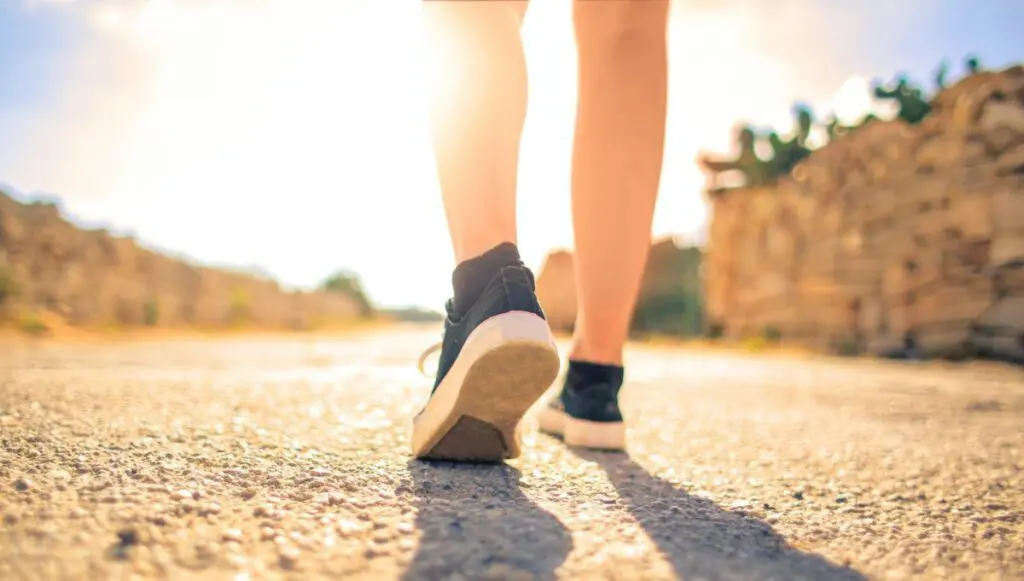
The amount of walking recommended per day varies depending on your age, fitness level, and overall health. However, the general guideline for adults is to aim for at least 150 minutes of moderate-intensity physical activity, such as brisk walking, per week. This equates to approximately 30 minutes of walking per day, five days a week.
If you are unable to commit to 30 minutes of walking in one go, you can break it down into smaller chunks throughout the day. For example, you could aim for three 10-minute walks or two 15-minute walks. The key is to find a routine that works for you and fits into your daily schedule.
It’s important to note that these recommendations are just a general guideline, and it’s always best to consult with your healthcare provider before starting any new exercise program, especially if you have any underlying health conditions. Your healthcare provider can give you personalized advice on how much and what type of physical activity is safe and appropriate for you.
10 Proven Ways to Speed Up Fat Burning
How To Make The Biggest Visual Change To Your Body Quickly
10 Best HIIT Exercises to Burn Belly Fat Faster
Best Cardio Machines For Fat Loss
How To Speed Up Weight Loss – 10 Things You Can Do Now to Accomplish That
Best Science-Based Diet for Fat Loss
12 Lies You Still Believe About Fat Loss