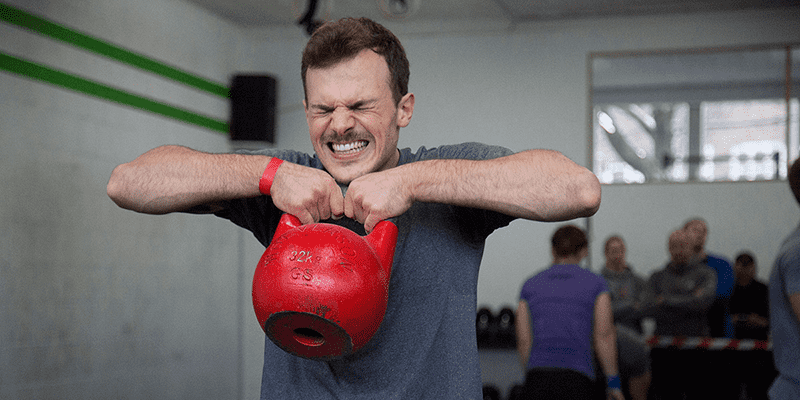
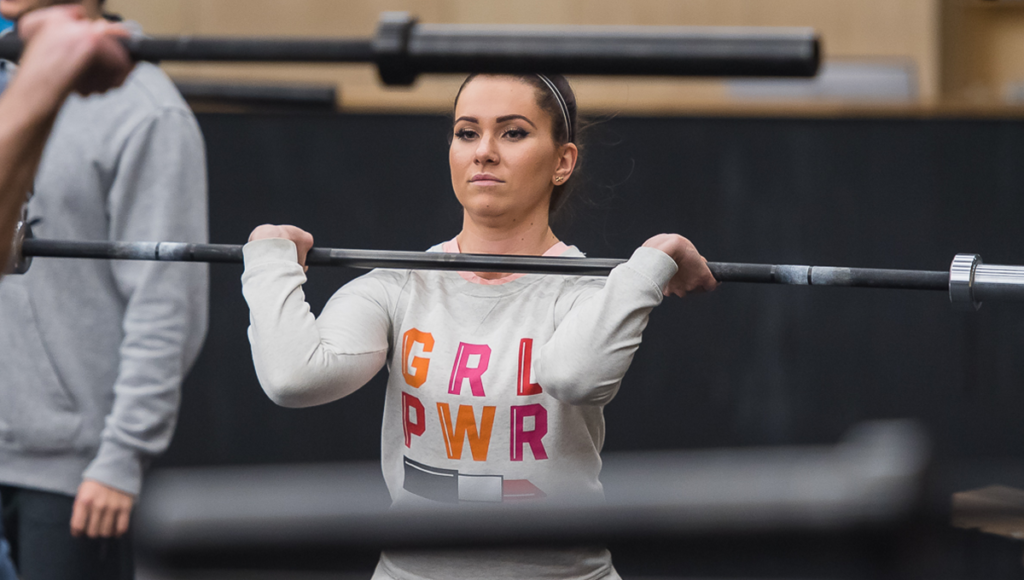
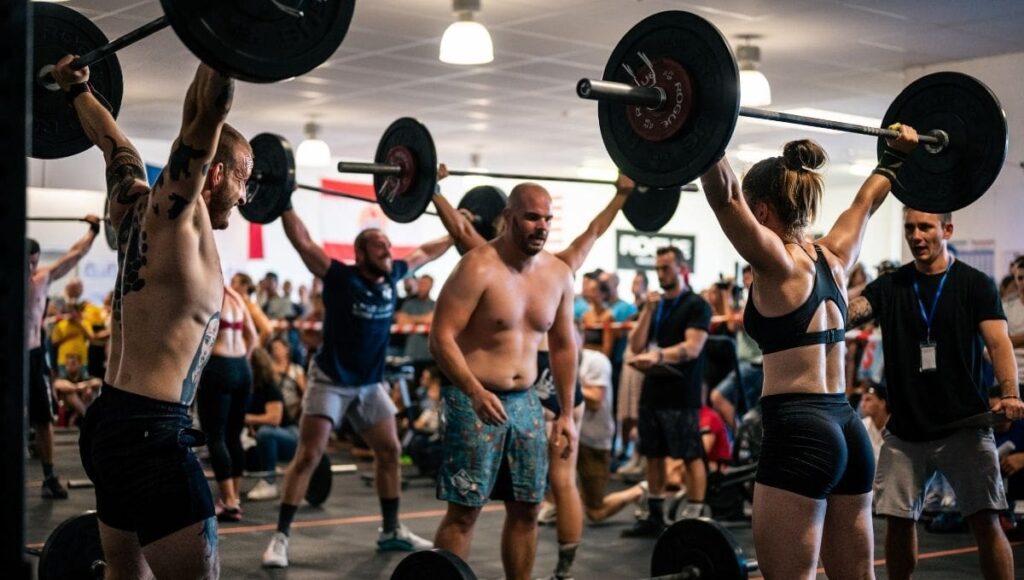
Are you ready to build muscle and get strong—fast? We’re talking about the quickest ways to gain size and strength at the same time. Whether you’re chasing that ultimate dad flex or just want to up your gym game, this guide will walk you through all the steps you need to take to become the strongest version of yourself. Trust me, these tips are designed for anyone who’s ready to level up.
What Does It Mean to Be Strong?
Strength looks different for everyone. You might measure your progress by how much you can squat, deadlift, or bench press. Or maybe, like one guy in the video, you’re all about being able to “beat up all the other dads” at your kid’s school. Hey, we all have different goals, right? At the end of the day, it’s about improvement. Are you stronger today than you were six months ago? If the answer is yes, you’re on the right track!
And if you want to know what is the fastest way to build muscle, regardless of age and bodybuilding knowledge, that is what the guys from Mind Pump Show decided to chat about, which is a part of the Mind Pump Podcast, an online radio show that talks all fitness related and, usually, is provocative. Its hosts are Sal Di Stefano, Adam Schafer, Justin Andrews, and Doug Egge. They also have a YouTube channel with more than 700k subscribers.
The Top Exercises to Focus On
So, what are the big movements you need to master to get strong? Here’s a quick rundown of the essential exercises that should be in your workout routine.
Key Points:
- Squats – Foundational lower body strength
- Bench Press – Measures pushing power
- Deadlifts – Focuses on back, hips, and overall body power
- Overhead Press – Builds upper body and shoulder strength
- Pull-Ups – A bodyweight exercise for upper body strength and real-world application
Why These Exercises?

These movements offer the biggest bang for your buck. Squats, bench presses, and deadlifts are staples in almost any strength program. They hit large muscle groups and help you develop overall strength. The overhead press builds shoulder stability, while pull-ups bring in that all-important functional strength. If you focus on just getting better at these exercises, you’ll notice improvements across the board, whether you’re lifting for size, strength, or just to look good.
Understanding Strength Standards
It’s one thing to lift, but how do you know where you stack up? There are strength standards for different exercises, divided by categories like “decent,” “good,” “optimal,” “advanced,” and “athlete.” These categories apply differently to men and women, so let’s break it down.
Squats:
- Men:
- Decent: 185 lbs or 1x your body weight
- Good: 225 lbs or 1.2x your body weight
- Advanced: 315 lbs or 1.75x body weight
- Athlete: 365+ lbs or 2x body weight
- Women:
- Decent: 95 lbs or 0.8x your body weight
- Good: 135 lbs or 1x body weight
- Advanced: 215 lbs or 1.5x body weight
- Athlete: 235+ lbs or 1.75x body weight
In the link below, you can see the standards to strive for bench press and also deadlift.
How Strong Should You Be as Noob, Intermediate, and Elite Athlete Level?
How Do Genetics Play a Role?

Not everyone’s built the same. That’s the truth. Genetics can make a huge difference in how strong you get, and how fast you get there. Some people have a natural advantage, while others might need to grind a bit more to see the same results. One thing is certain though: consistent effort beats natural talent every time.
One of the speakers in the script summed it up perfectly: “It’s you versus you.” Don’t get caught up comparing yourself to others. If you’re lifting more today than you did six months ago, that’s a win.
How to Get Stronger—Fast
Now that we’ve covered the basics, let’s talk about what you really want to know: how to get stronger as fast as possible. Here are the steps you need to follow.
1. Practice Often
Repetition is the key to mastery. If you want to get strong at a particular lift—practice it often. Not just once or twice a week. We’re talking about hitting that movement multiple times a week. If you want to improve your bench press, instead of doing it on chest day twice a week, you might want to practice it five times a week. Adjust the intensity so you don’t burn out. Some days can be heavy, others light, but consistency is king here.
Bullet points:
- Practice key lifts frequently
- Vary intensity to avoid burnout
- Focus on form and technique during every rep
2. Hit Your Protein Goals

If you’re not fuelling your body with enough protein, you won’t get stronger. Period. Protein is the building block for muscle growth, and you need to make sure you’re hitting those targets daily—not just on workout days. Aim for about one gram of protein per pound of body weight to maximise your muscle-building potential.
Bullet points:
- Aim for 1g of protein per pound of body weight
- Be consistent—don’t skip protein on rest days
- Fuel your muscles for growth and recovery
20 Best High-Protein Foods for Faster Muscle Gains
3. Eat in a Caloric Surplus
You can’t grow without extra fuel. You need to eat more calories than you burn to gain muscle and strength. When you’re in a calorie deficit, your body isn’t in “growth mode”—it’s in survival mode. This means no matter how hard you train, you’re not going to see significant strength gains. Track your intake and make sure you’re eating enough to support your goals.
Bullet points:
- Eat more calories than you burn
- Focus on nutrient-dense foods
- Track your intake to ensure you’re in a surplus
4. Get 8 Hours of Sleep
Sleep is the secret weapon most people ignore. When you sleep, your body recovers, repairs, and builds muscle. Aim for 8 hours of good-quality sleep every night. Sleep is when your central nervous system recharges, and it plays a massive role in how strong you feel the next day. If you’re tired, your lifts will suffer—it’s that simple.

Bullet points:
- Aim for 8 hours of sleep every night
- Consistent sleep improves recovery and performance
- Sleep helps regulate hormones that build muscle
5. Lift With Perfect Form
Perfect form isn’t just about preventing injuries—it’s also about maximising your strength. Each lift has a specific technique that optimises how your muscles and joints work together. The better your form, the more weight you can move efficiently. It’s about working smarter, not harder.
Bullet points:
- Prioritise form over weight to avoid injury
- Proper form makes lifts more efficient
- Correct technique allows for steady strength gains
Strength Supplements: Do You Really Need Them?
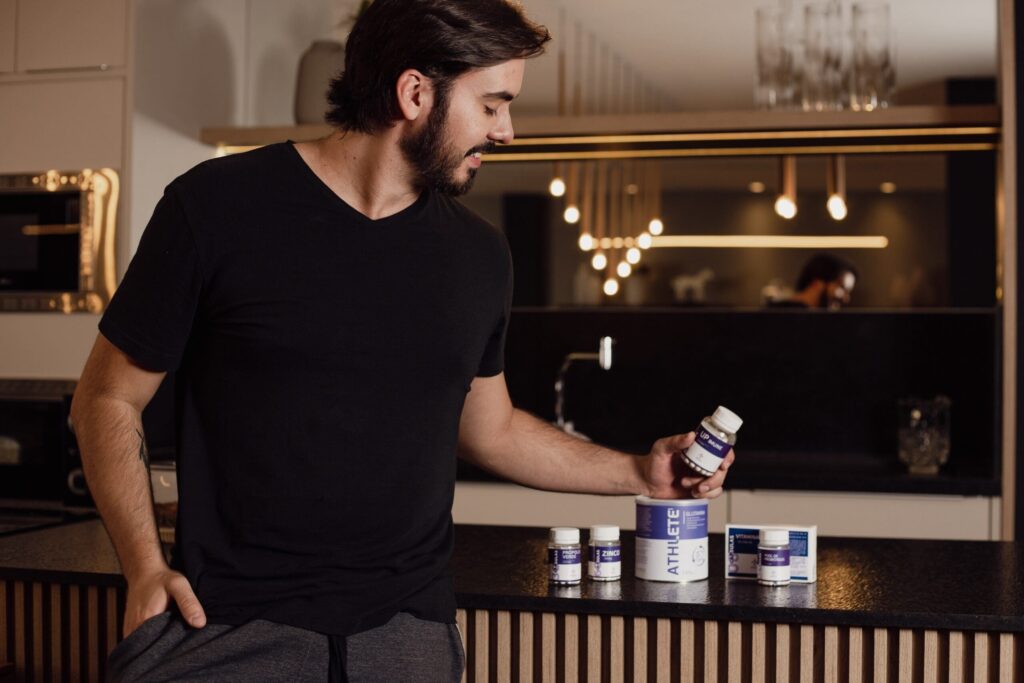
Ah yes, supplements. Do you need them? Not necessarily. But there are a few that can help. Creatine, for example, has been proven to improve strength in the long term. Caffeine can give you a short-term boost before a heavy workout. But here’s the thing—if you’re not hitting your protein goals and eating enough calories, no supplement in the world will make you stronger.
Best Strength Supplements:
- Creatine – Increases muscle mass and strength over time
- Caffeine – Boosts performance in the short term
- Protein Powder – Helps you hit your protein targets easily
4 Worthless Supplements You Should STOP Taking
Can Anyone Hit “Advanced” Levels of Strength?
Is it possible for the average person to reach advanced levels of strength? Absolutely. If you’re under 45, have no major injuries, and have been training consistently for at least 3-5 years, you’ve got a good shot. If you’re older or just starting, don’t get discouraged. Improvement is still improvement, and reaching “optimal” or “good” levels is still a solid achievement.
Conclusion: Strength Is Personal
At the end of the day, strength is personal. It’s you against yourself. Follow these steps, track your progress, and stay consistent. The road to getting stronger isn’t about quick fixes—it’s about steady improvement over time. Whether you’re trying to hit advanced strength standards or just want to be the strongest person you know, you’re on the right path.
Now, go hit the gym and start smashing those goals!
By following these steps, you’ll see consistent progress and build strength faster than you ever thought possible. And remember—don’t get too caught up in comparing yourself to others. Your journey is your own, and as long as you’re improving, you’re winning!
1 Set to Failure vs High Volume Sets: Which Builds More Muscle?