The impact of alcohol on athletic performance and recovery is a supreme yet often overlooked aspect of sport and fitness. While moderate alcohol consumption won’t necessarily mess up your performance, the key lies in managing both the amount and timing. This article examines the delicate balance between moderate drinking and athletic upkeep, highlighting how timing and quantity can influence an athlete’s recovery. So, let’s dive into the science!
Alcohol Leads to Dehydration
The antidiuretic hormone (ADH, also known as vasopressin) normally helps the kidneys reabsorb water, reducing urine output. Without ADH, the kidneys excrete more water, which leads to greater fluid loss. Thus, alcohol inhibits that hormone by increasing urine production and it can end up in dehydration.
Of course, dehydration reduces blood volume. Lower blood volume decreases the efficiency of the cardiovascular system, limiting oxygen and nutrient delivery to muscles. Dehydration also affects the body’s ability to regulate temperature, boosting heat exhaustion and stroke risk.
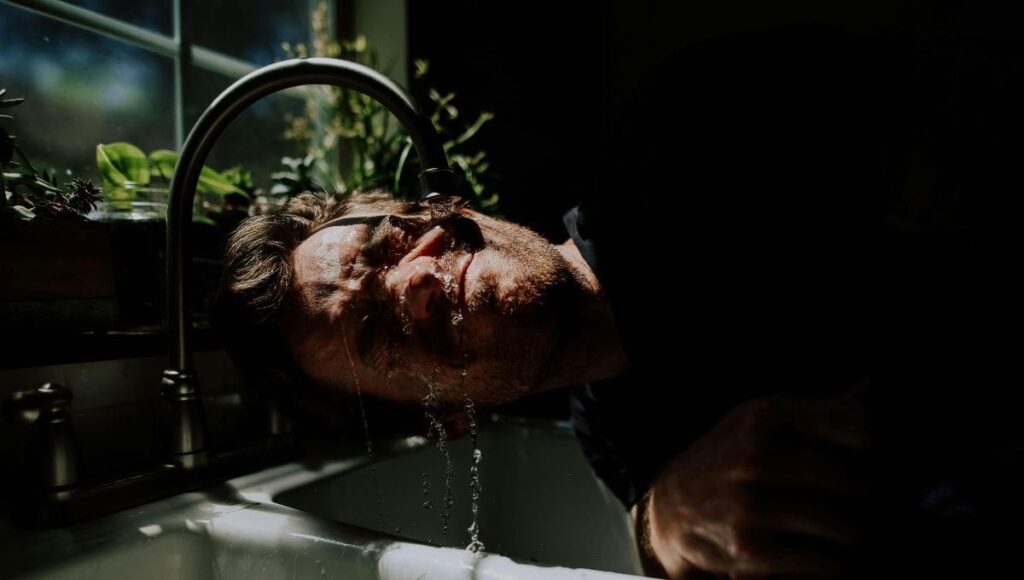
To prevent this, make sure to drink large amounts of water, even more than the recommended 2 litres. Loss of fluids disrupts the balance of electrolytes (sodium, potassium, calcium, magnesium), leading to muscle cramps and weakness. Sodium is crucial for maintaining fluid balance, nerve function, and muscle contractions, so low levels lead to hyponatremia characterized by headache, nausea, vomiting, muscle cramps, confusion, and even seizures.
Potassium is pivotal for muscle function, nerve transmission, and cellular fluid balance; thus, deficiency results in muscle weakness, cramps, fatigue, and heart arrhythmias. Reduced muscle strength and cardiac issues obviously impact endurance and overall performance.
Magnesium deficiency triggers muscle spasms, tremors, weakness, and arrhythmias, as it is chief for muscle contraction and energy production. Moreover, calcium is vital for muscle contractions, nerve signalling, and bone health. Its low levels cause muscle cramps, spasms, numbness, and tingling, affecting performance.
Quick Reads: 5 Ways to Make Your Water Healthier
Impaired Coordination and Motor Skills from Alcohol Consumption
Alcohol depresses the central nervous system, impairing neurotransmitter function and slowing down neural processing. It amplifies the inhibitory neurotransmitter gamma-aminobutyric acid (GABA) and retards the excitatory neurotransmitter glutamate. This ends up reducing the speed and efficiency of neural communication.
The cerebellum, critical for fine-tuning motor activity and maintaining balance and coordination, is particularly sensitive to alcohol. This leads to ataxia, characterized by a lack of voluntary coordination of muscle movements, such as walking unsteadily or staggering. Impaired precision and timing of movements make it problematic to perform tasks that require fine motor skills, like gymnastics or archery.
Alcohol causes vertigo and dizziness by altering the fluid dynamics in the inner ear, boosting the risk of falls and accidents, which are especially dangerous during activities like skiing and skateboarding. It also slows the processing of sensory inputs, which delays responses and affects coordination in activities requiring quick reflexes, such as boxing or soccer.
Is Alcohol Hurting Your Muscle Building?
Alcohol Affects Energy Levels Negatively
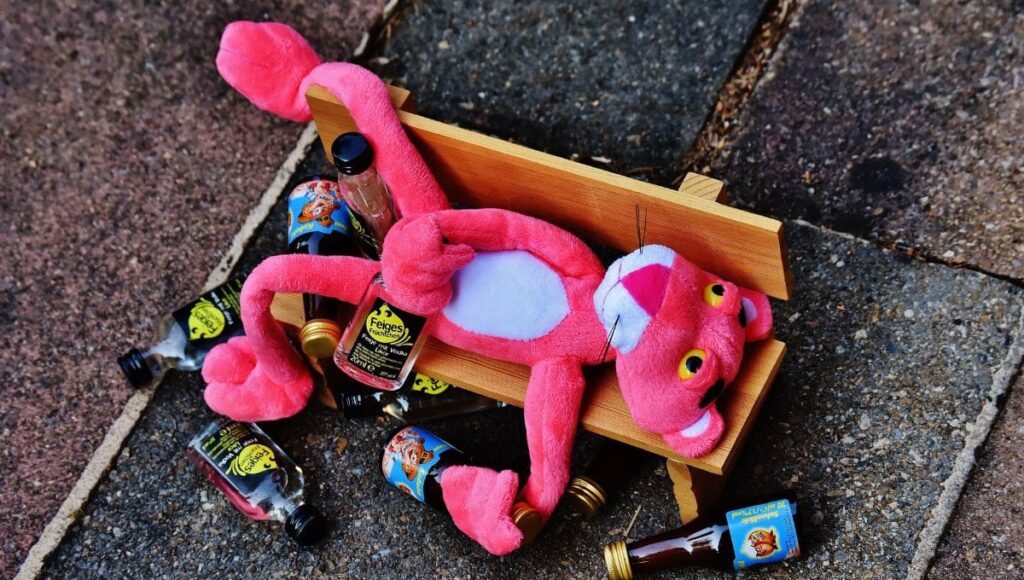
Alcohol triggers fluctuations in blood sugar levels, initially raising blood sugar but leading to hypoglycemia later. This is because the liver favors metabolizing alcohol over glucose. Alcohol compromises mitochondrial function, reducing the efficiency of cellular respiration and energy production.
Lower glucose availability for energy leads to a rapid onset of fatigue, lessening endurance and performance. Because of diminished energy production, sustained high-intensity performance becomes challenging.
Alcohol Disrupts Muscle Recovery and Protein Synthesis
Alcohol consumption increases cortisol levels (a catabolic hormone that breaks down muscle tissue and inhibits protein synthesis). It decreases testosterone levels (an anabolic hormone crucial for muscle growth and repair), disrupting the equilibrium. It also interferes with the mTOR pathway, a key regulator of protein synthesis, leading to reduced muscle repair and growth.
Inhibited protein synthesis causes prolonged muscle soreness and slower recovery times. This means long-term consumption of alcohol leads to muscle atrophy and reduced muscle mass. Alcohol leads to deficiencies in B vitamins, zinc, and magnesium, crucial for protein synthesis and muscle repair, making it tricky for muscles to renew.
Alcohol and Fat Loss: Can You Drink and Get Shredded?
Chronic Alcohol Use Compromises Endurance
Chronic alcohol use leads to cardiomyopathy (weakened heart muscle), reducing the heart’s efficiency. It also impairs the ability of muscles to use oxygen effectively, decreasing aerobic capacity.
Consequently, a lower maximal oxygen uptake (VO2 max) limits endurance performance, so athletes experience quicker fatigue and a reduced ability to sustain prolonged activity. Regular alcohol consumption leads to chronic fatigue, making it impossible to sustain training intensity and volume. Because of impaired recovery and persistent fatigue, you can also experience overtraining syndrome.
Strength Reduction Due to Alcohol Consumption
By increasing protein degradation and reducing protein synthesis chronic alcohol usage causes muscle wasting. It interferes with protein digestion and amino acid absorption in the small intestine. Meaning, reduced enzyme activity leads to incomplete digestion of dietary proteins, limiting the availability of amino acids.
Alcohol also decreases amino acid transport because it damages the intestinal lining. That altered permeability highly affects the transport mechanisms for amino acids, reducing their absorption into the bloodstream.
Moreover, alcohol impairs the pancreas’s ability to produce digestive enzymes, including proteases that break down proteins into amino acids. It modifies the activity of existing digestive enzymes, reducing their efficiency and leading to incomplete digestion of proteins and other nutrients.
Weight Gain Associated with Alcohol Intake
Alcohol is super calorie-dense, providing seven calories per gram, which is nearly as high as fat! Drinking alcohol quickly adds a substantial number of calories to your daily intake, contributing to weight gain; thus, you need to count it into your total caloric budget.
Especially keep an eye on mixed drinks, cocktails, and certain types of alcoholic beverages (e.g., beer and sweet wines) that contain even more calories from sugars and other ingredients. As mentioned above, the body prioritizes metabolizing alcohol over other nutrients because it views alcohol as a toxin. That’s why it suppresses the metabolism of fats and carbohydrates, leading to increased fat storage.
This means alcohol consumption reduces the body’s ability to burn fat for energy. By decreasing lipid oxidation, fat accumulates in the body, particularly around the abdomen. On the other note, alcohol has a huge impact on the hormones, as well – cortisol, insulin, leptin, and ghrelin.
Related: What Happens to Your Body if You Stop Drinking Alcohol for 30 Days?

It skyrockets cortisol levels, a stress hormone that increases appetite and fat storage in the abdominal region. Chronic alcohol consumption leads to insulin resistance, making it tricky for the body to regulate blood sugar levels. This affects leptin (satiety hormone) and ghrelin (hunger hormone) levels, enhancing hunger and reducing feelings of fullness. That’s why you can eat larger amounts of food while drinking and still feel super hungry afterwards.
Moreover, alcohol stimulates appetite and cravings for high-calorie, high-fat, and high-sugar foods, leading to overeating. Over time, the cumulative effect of high caloric intake, reduced fat oxidation, and poor dietary choices triggered by alcohol consumption lead to significant weight gain.
Alcohol Disrupts Sleep Patterns
Alcohol suppresses REM sleep, which is vital for cognitive function, memory consolidation, and overall brain health. It causes more frequent awakenings during the night, resulting in fragmented sleep and reduced sleep quality. Although alcohol initially increases deep sleep in the first half of the night, it typically leads to a rebound effect, ending in lighter sleep in the second half of the night.
Its sedative effects help people fall asleep faster; thus, as it metabolizes, those effects wear off. As said above, alcohol has diuretic effects, so more trips to the bathroom during the night interrupt sleep continuity. Besides, it causes discomfort, dry mouth, and headaches.
Poor sleep lessens the efficiency of glycogen synthesis, which is depleted during exercise. This leads to less optimal energy storage for future workouts. Inadequate glycogen replenishment results in lower energy availability, negatively influencing performance in subsequent training sessions.
Diminished Immune Function from Alcohol
Alcohol affects the production, function, and survival of numerous immune cells – neutrophils, macrophages, and lymphocytes. Neutrophils are actually chief for the initial response to tissue damage and infections. Alcohol decreases their ability to migrate to injury sites and destroy pathogens.
The next ones are macrophages, which are critical for soothing inflammation and tissue repair. Alcohol disturbs their power to engulf and digest cellular debris and pathogens, delaying the healing process. Lymphocytes, including B and T cells, are pivotal for adaptive immunity because alcohol lowers their proliferation and function, weakening the body’s defense barrier.
Alcohol boosts the production of pro-inflammatory cytokines, as well, leading to excessive inflammation and muscle soreness. On the other side, it reduces the production of anti-inflammatory cytokines delaying recovery even more.
Leaky gut – increased intestinal permeability caused by alcohol disrupts the integrity of the gut barrier. This permits bacteria and toxins to enter the bloodstream, triggering systemic inflammation and immune responses that interfere with recovery after an intense workout.
Exercise, especially intense and prolonged sessions, temporarily suppresses immune function, leaving the organism more vulnerable to infections. Then, alcohol weakens the immune system even further, skyrocketing the likelihood of infections, which disrupt training schedules and recovery.
Impaired Nutrient Absorption Due to Alcohol
Alcohol modifies both water-soluble and fat-soluble vitamin absorption. B vitamins are principal for energy metabolism and red blood cell production, and, unfortunately, often deficient in individuals who consume alcohol regularly. The same stands for vitamin C, which is important for collagen synthesis and immune function, as well. Alcohol interferes with fat digestion, so it is no surprise that vitamins A, D, E, and K are often deficient.
It influences the absorption of minerals—calcium, magnesium, zinc, and iron—affecting well-being and recovery ability. Chronic nutrient deficiency leads to low energy levels, endurance, strength, and overall athletic performance. In the end, poor nutrition weakens muscles and bones, increasing the risk of injuries.
Read More: I Quit Drinking Alcohol…But Did Not Expect This
How does alcohol consumption affect athletic performance?
Alcohol can impair coordination, reduce energy levels, disrupt muscle recovery, and negatively affect endurance and strength. These factors combined can significantly hinder an athlete’s performance.
How does alcohol affect muscle recovery and protein synthesis?
Alcohol consumption increases cortisol levels and decreases testosterone levels, inhibiting protein synthesis and muscle repair. This results in prolonged muscle soreness, slower recovery times, and reduced muscle mass over time.
What is the effect of alcohol on sleep?
Alcohol disrupts sleep patterns by suppressing REM sleep and causing more frequent awakenings. Poor sleep quality impacts cognitive function, memory, and energy levels, negatively affecting athletic performance and recovery.
How does alcohol influence energy levels?
Alcohol causes fluctuations in blood sugar levels and impairs mitochondrial function, leading to rapid onset of fatigue, reduced endurance, and decreased high-intensity performance.
How does alcohol affect nutrient absorption?
Alcohol interferes with the absorption of both water-soluble and fat-soluble vitamins, as well as essential minerals. Chronic nutrient deficiencies due to alcohol consumption can lead to low energy levels, reduced endurance, and increased risk of injuries.
What are the long-term effects of chronic alcohol consumption on endurance?
Chronic alcohol use can lead to cardiomyopathy and reduced aerobic capacity, resulting in quicker fatigue and decreased ability to sustain prolonged physical activity.
How can athletes mitigate the negative effects of alcohol?
Athletes should manage their alcohol intake by limiting the quantity and timing of consumption. Staying hydrated, ensuring proper nutrition, and prioritizing sleep can also help mitigate some of the negative effects of alcohol on performance and recovery.