When it comes to sculpting a physique that not only exudes strength but also harmonizes with the ideals of aesthetic appeal, arm training emerges as a cornerstone.
The allure of well-defined arms cannot be overstated; they are not just a symbol of strength and fitness but also play a crucial role in achieving a balanced look that complements the entire body. However, with the plethora of exercises available, identifying the most efficient and effective ways to build perfect arms can be a daunting task.
This article aims to demystify the process of arm training by focusing on simplicity and efficacy.
The truth is, you don’t need to spend hours in the gym or cycle through a never-ending list of exercises to achieve impressive arms. Instead, the key lies in targeting your workouts to incorporate exercises that deliver maximum impact. By zeroing in on just three exercises, you can streamline your training routine without compromising on results.
To understand why these three exercises stand out, it’s essential to grasp the concept of compound and isolation exercises.
Compound exercises are multi-joint movements that work several muscles or muscle groups at one time. They are highly efficient for building strength and muscle mass, making them the backbone of any effective workout plan. On the other hand, isolation exercises target a single muscle group, allowing for focused training and specific muscle development. Together, these two types of exercises form the foundation of a holistic arm training regimen that not only enhances muscle size but also improves functional strength and aesthetic balance.
As we delve into the details of these exercises, remember that achieving perfect arms is not just about what you do in the gym; it’s also about consistency, dedication, and a well-rounded approach to fitness. Let’s embark on this journey towards building stronger, more defined arms with a clear focus on efficiency and effectiveness.
Understanding Arm Anatomy
Achieving perfect arms requires more than just a desire; it demands an understanding of the arm’s intricate anatomy.
The arm is composed of several key muscle groups, each playing a vital role in both movement and aesthetics. The primary muscles that we will focus on are the biceps, triceps, and forearm muscles. Understanding these muscles’ functions and how they contribute to the arm’s overall appearance is crucial for designing an effective arm workout.
Biceps
The biceps brachii, commonly known as the biceps, is a two-headed muscle located on the front of the upper arm between the shoulder and the elbow. This muscle is responsible for flexing the elbow and rotating the forearm.
In terms of aesthetics, well-developed biceps are synonymous with strength and are often a highly desired feature for many. They contribute to the upper arm’s girth and are a key element of a visually appealing arm.
Triceps
Opposite the biceps are the triceps brachii, or triceps. This three-headed muscle runs along the back of the upper arm and is primarily responsible for extending the elbow. From an aesthetic perspective, the triceps fill out the upper arm and, when developed, provide a balanced look to the biceps’ prominence.
Despite being a larger muscle group than the biceps, the triceps are often underrated in arm training routines, leading to a lack of balance in arm development.
Forearm Muscles
The forearm houses a complex group of muscles responsible for various movements of the hand and wrist.
These muscles are essential for grip strength and contribute to the overall functionality and appearance of the arms. Strong, well-defined forearms are not only practical for daily activities and enhancing performance in many sports but also add to the aesthetic completeness of the arm.
The Importance of Targeting All These Muscles
For a balanced arm workout, it’s essential to target all these muscle groups. Focusing solely on the biceps, for example, can lead to disproportionate arm development and potentially increase the risk of injury. Incorporating exercises that engage the biceps, triceps, and forearm muscles ensures comprehensive development.
This holistic approach not only improves the arm’s functionality and strength but also achieves a more aesthetically pleasing appearance. By understanding the role each muscle plays in arm movement and aesthetics, you can tailor your workout to address all aspects of arm development for balanced and effective results.
The Only 3 Exercises You Need
When it comes to arm development, the goal is to get the most out of your workout with the least amount of exercises.
Efficiency is key, focusing on movements that provide the maximum benefit for muscle growth and strength. The following three exercises are all you need to target the biceps, triceps, and forearms effectively, offering a comprehensive arm workout.
Exercise 1: Close-Grip Bench Press
Description and Variations: The close-grip bench press is a variation of the traditional bench press, where the hands are positioned closer together.
This adjustment shifts the focus more towards the triceps while still engaging the chest and shoulder muscles. Variations can include using dumbbells or adjusting the incline of the bench to target the muscles differently.
Target Areas: Primarily targets the triceps, with secondary engagement of the chest and shoulders.
Step-by-Step Guide:
Lie on a bench with your feet flat on the ground, gripping the barbell with your hands slightly narrower than shoulder-width apart.
- Lower the barbell to your chest, keeping your elbows close to your body.
- Press the barbell back up to the starting position, focusing on engaging your triceps.
- Repeat for the desired number of repetitions.
Tips for Beginners:
- Start with lighter weights to focus on form before progressing.
- Keep your wrists straight to avoid strain.
- Ensure your elbows don’t flare out to maintain emphasis on the triceps.
Common Mistakes to Avoid:
- Lifting too heavy too soon, which can compromise form and lead to injury.
- Not keeping the elbows close to the body, which reduces the effectiveness on the triceps.
Exercise 2: Chin-Ups
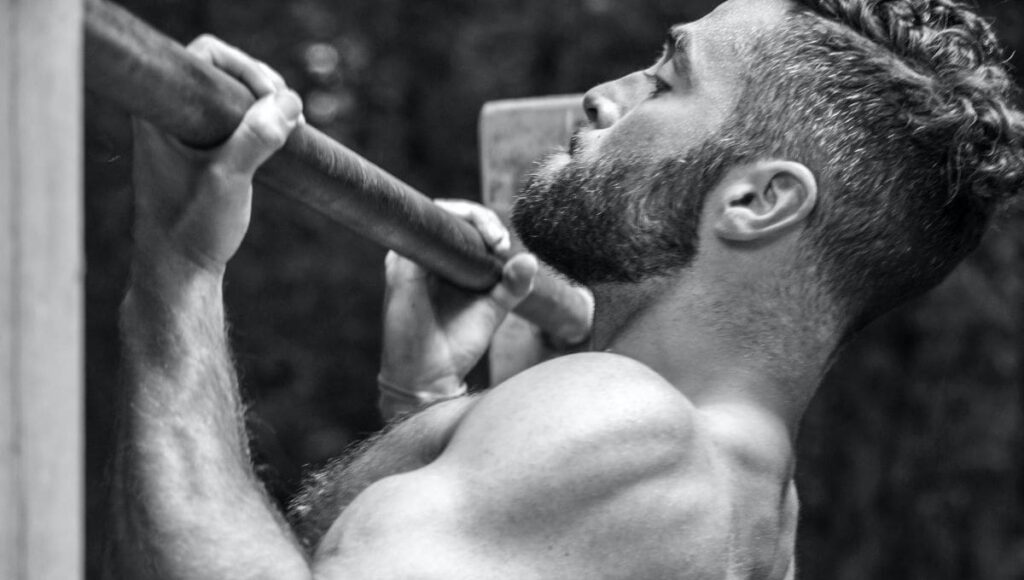
Overview: Chin-ups are a powerful compound exercise that targets the biceps while also strengthening the back and improving grip strength.
Target Areas: Primarily targets the biceps, with significant engagement of the back muscles.
Step-by-Step Guide:
- Grip a pull-up bar with your palms facing towards you, hands shoulder-width apart.
- Pull yourself up until your chin is above the bar, focusing on using your biceps.
- Lower yourself back down with control.
- Repeat for the desired number of repetitions.
Read This Too: 19 Foods That Help You Burn Fat Faster
Modifications and Progressions:
- Beginners can use an assisted pull-up machine or resistance bands.
- Advanced individuals can add weight using a belt or holding a dumbbell between their feet.
Tips for Proper Form:
- Keep your core engaged and avoid swinging your body.
- Focus on a full range of motion for maximum muscle engagement.
Exercise 3: Hammer Curls
- Introduction: Hammer curls are a variation of the traditional bicep curl that targets the biceps and forearms, emphasizing the brachialis and brachioradialis muscles.
- Target Areas: Biceps and forearms, with a focus on the brachialis and brachioradialis.
Technique Guide:
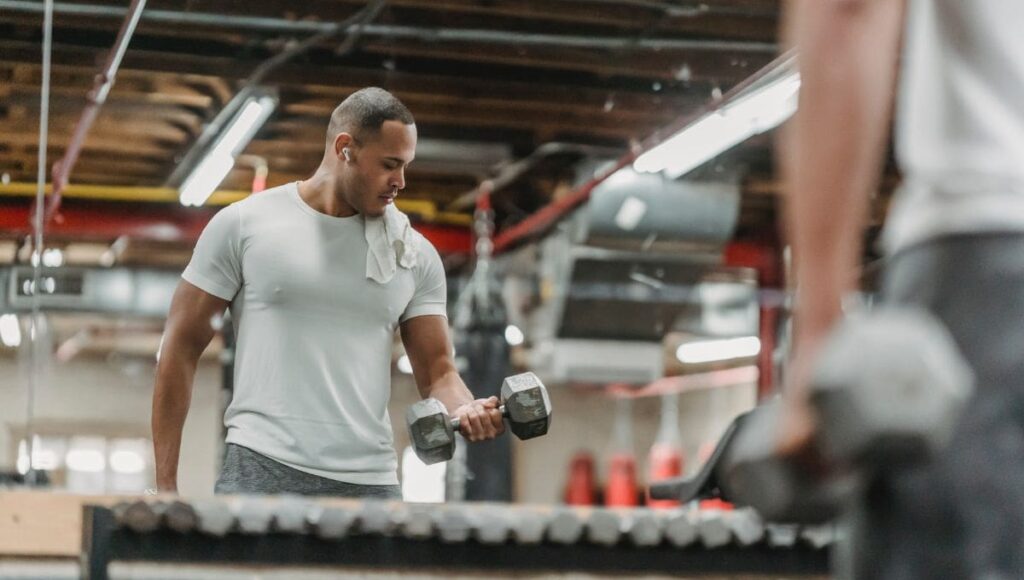
Stand with your feet shoulder-width apart, holding a dumbbell in each hand at your sides, palms facing your body.
- Keeping your elbows fixed to your sides, curl the weights up towards your shoulders.
- Lower the dumbbells back down with control.
- Repeat for the desired number of repetitions.
Importance of Wrist Positioning:
Maintaining a neutral wrist position is crucial for targeting the intended muscles and avoiding strain.
Integrating into Your Workout Routine:
Hammer curls can be added to any arm day routine, ideally performed after compound exercises like chin-ups or close-grip bench press.
By incorporating these three exercises into your arm workouts, you can ensure comprehensive development of the biceps, triceps, and forearms. This approach simplifies your routine while ensuring you’re effectively working towards well-defined and balanced arms.
Workout Plan Incorporating the 3 Exercises
To maximize the benefits of the three essential arm exercises, it’s crucial to integrate them into a structured workout plan. Here’s a sample routine designed to build strength and enhance muscle development in your arms.
Frequency: Dedicate at least two days per week to this arm-focused routine, ensuring you have at least 48 hours of rest between sessions to allow for muscle recovery.
Workout Structure:
Close-Grip Bench Press
Sets: 4
Repetitions: 6-8
Rest periods: 90 seconds between sets
Chin-Ups
Sets: 3
Repetitions: As many as possible (AMAP)
Rest periods: 90 seconds between sets
Hammer Curls
Sets: 3
Repetitions: 10-12
Rest periods: 60 seconds between sets
Progressive Overload and Adjustments:
To ensure continuous improvement, aim to increase the weight you’re lifting every two weeks, as long as you can complete all sets and reps with good form.
If you’re unable to increase the weight, focus on increasing the number of reps or sets.
Listen to your body and adjust the intensity of your workouts as needed to avoid overtraining.
Complementary Strategies for Arm Development
Diet and Nutrition:
Muscle growth requires more than just consistent training; it also depends on proper nutrition. A balanced diet rich in proteins, healthy fats, and carbohydrates fuels your workouts and aids in recovery. Consider consulting a nutritionist to tailor your diet to your specific needs, ensuring you’re consuming enough calories to support muscle growth.
Related: Ultimate Guide On How to Get Shredded – Steps to Lower Your Body Fat Percentage Every Time
Recovery Techniques:
Adequate rest and recovery are as important as the workouts themselves. Implement recovery techniques such as stretching, foam rolling, and ensuring you get enough sleep to enhance muscle repair and growth. Additionally, consider incorporating rest days into your routine to allow your muscles to fully recover.
Consistency and Patience:
Building the perfect arms is a journey that requires patience and persistence. Consistent effort over time, rather than seeking quick fixes, will yield the best results. Stay dedicated to your training and nutrition plan, and make adjustments as needed based on your progress.
Conclusion
In this guide, we’ve distilled the essence of arm training to three fundamental exercises: the close-grip bench press, chin-ups, and hammer curls. Incorporating these exercises into your routine offers a streamlined path to achieving strong, well-defined arms.
We’ve also discussed the importance of a supportive diet, recovery strategies, and the need for patience and consistency.
Embarking on the journey to build perfect arms requires dedication, but remember, the most efficient path is not about doing more; it’s about doing what’s most effective. With just three exercises, a commitment to nutrition and recovery, and a consistent approach, you’re well on your way to achieving the arm strength and aesthetics you desire.
Let the simplicity of this routine be your guide and motivation to push through, knowing that every rep brings you one step closer to your goals. Stay focused, stay patient, and enjoy the journey to building your perfect arms.