Plyometric exercises are crucial for athletes aiming to enhance their power, speed, and overall explosiveness. These exercises build the kind of strength that translates directly into athletic performance, helping athletes move faster, jump higher, and react quicker in sports that demand agility and power. Plyometrics, often known as “jump training,” leverage the stretch-shortening cycle of muscles to increase power output. When performed regularly and with proper technique, plyometrics help athletes optimize their performance across various disciplines.
In this article, we will explore the three key plyometric exercises every athlete needs to incorporate into their training routine. These movements form the foundation of explosive strength and athletic power, and the best part is that most of them require little to no equipment. Whether you’re an Olympic-level competitor or a weekend warrior, these exercises will help you elevate your athletic game.
The information for this article is largely based on the knowledge of Dane Miller and what he shared recently on his YouTube channel.
Dane Miller is a weightlifting coach and creator of Garage Strength. Its YouTube channel has more than 575,000 subscribers where people can find workout instructions and how to improve their strength in nearly any part of their bodies.
The Importance of Plyometric Training
Before diving into the specific exercises, it’s important to understand why plyometric training is so effective. Plyometric exercises work by training your muscles to exert maximum force in the shortest possible time. This is achieved through a cycle of rapid stretching and contracting of muscle fibers, which increases your muscle’s ability to generate power.
Plyometrics are particularly valuable for athletes because they mimic the explosive movements commonly used in sports. Whether you’re sprinting down the field, leaping for a rebound, or executing a powerful serve, plyometric training helps your body move with greater speed and precision.
Moreover, plyometric exercises not only improve your ability to generate power but also help enhance coordination, agility, and balance. This makes them a valuable addition to any training program, regardless of the sport you play.
Read Also: The Benefits of Using Plyometrics in Your Warm-Up
Let’s dive into the three plyometric exercises that are foundational for building explosive power.
The Only 3 Plyometric Exercises Athletes Need
1. Broad Jump (Double Leg Bound)
The broad jump, also known as the double leg bound, is one of the most fundamental plyometric exercises and serves as an excellent starting point for athletes looking to build lower body explosiveness. The broad jump targets major muscle groups in the lower body, including the quads, glutes, hamstrings, and calves, while also engaging the core for stability. This exercise is perfect for developing power that translates into longer strides, higher jumps, and faster sprints.
How to Perform the Broad Jump:
- Set-Up: Start by standing with your feet shoulder-width apart. Lower into a quarter squat, pushing your hips back, bending your knees, and swinging your arms backward.
- Execution: Explosively extend your hips, knees, and ankles while swinging your arms forward to generate momentum. Jump forward as far as you can, focusing on achieving maximum distance.
- Landing: Land softly with both feet, absorbing the impact by bending your knees and hips. Make sure to maintain balance and avoid letting your knees collapse inward.
Key Focus Areas:
- Counter-Movement Depth: The depth of your squat before jumping plays a crucial role in how much power you generate. For beginners, a shallow counter-movement may feel more comfortable, while advanced athletes can experiment with deeper squats to maximize power output.
- Arm Swing: Effective arm swing can add significant power to your jump. Focus on swinging your arms back during the squat phase and driving them forward as you jump.
- Chest and Shin Angle: Keep your chest projected outward and focus on maintaining an optimal shin angle, as this will help you maintain proper form and maximize your jump distance.
Training Tips:
For beginners, start with 3 to 4 sets of 3 to 5 jumps. More advanced athletes can increase the intensity by incorporating multiple jumps in a row or adding resistance, such as a weighted vest. Broad jumps are highly versatile and can be performed with or without equipment, making them accessible for athletes at all levels.
2. Single-Leg Pogo Hop
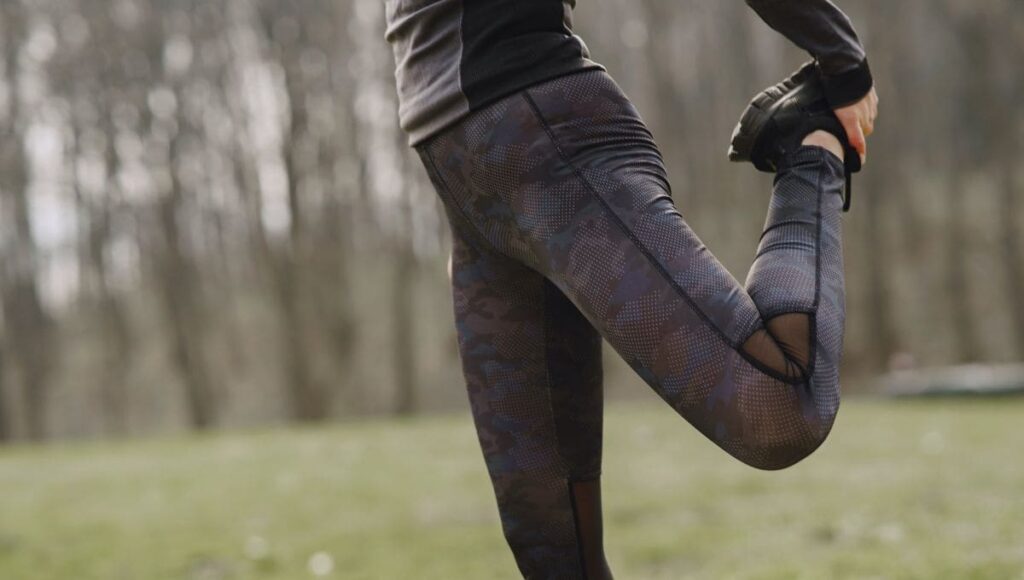
Next up is the single-leg pogo hop, a fantastic exercise for developing unilateral strength, balance, and coordination. This movement is particularly beneficial for athletes who need to generate power off one leg, such as sprinters, basketball players, or soccer players. The single-leg pogo hop trains your ability to produce rapid force in a short period, which is crucial for improving speed and agility.
How to Perform the Single-Leg Pogo Hop:
- Set-Up: Stand on one leg with a slight bend in your knee. Keep your chest up, core engaged, and arms by your sides.
- Execution: Jump vertically using just one leg, focusing on minimizing ground contact time. As you jump, drive your opposite knee up and cycle your arms to mimic a sprinting motion.
- Landing: Land softly on the same leg, maintaining balance and stability. Repeat the movement continuously, aiming for height and quick rebound off the ground.
Key Focus Areas:
- Balance and Coordination: This exercise challenges your body’s ability to stabilize on one leg while generating explosive force. Beginners should focus on maintaining balance before progressing to more dynamic movements.
- Quick Ground Contact: The faster you can push off the ground, the more explosive the movement becomes. Concentrate on short, quick hops rather than long, drawn-out jumps.
- Knee Drive: Incorporating a strong knee drive helps engage your hip flexors and simulates the running motion, further enhancing your speed and power.
Training Tips:
Start with 3 sets of 10 to 12 hops per leg. As you become more comfortable with the movement, you can increase the number of repetitions or introduce variations such as lateral hops or rotational movements to further challenge your stability and coordination.
Best Plyometric Exercises for Speed
3. Clap Push-Up
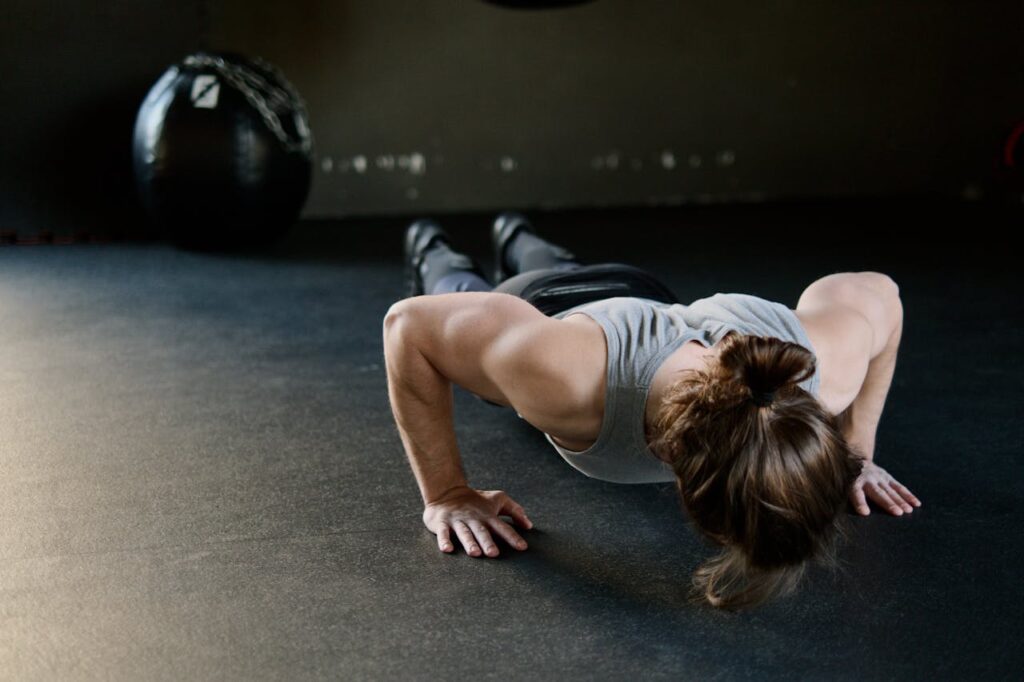
While plyometrics are often associated with lower body training, upper body explosiveness is equally important for many sports. The clap push-up is an excellent upper body plyometric exercise that develops power in the chest, shoulders, and triceps while also engaging the core. This movement is perfect for athletes who require rapid upper body force production, such as boxers, football players, and swimmers.
How to Perform the Clap Push-Up:
- Set-Up: Start in a traditional push-up position with your hands shoulder-width apart and your body in a straight line from head to heels.
- Execution: Lower your chest to the floor, then explosively push yourself up with enough force to lift your hands off the ground. Quickly clap your hands together before returning them to the ground and catching yourself in the push-up position.
- Landing: Absorb the impact by bending your elbows as you land, then immediately lower yourself into the next repetition.
Key Focus Areas:
- Explosiveness: The goal of the clap push-up is to generate as much power as possible. Focus on pushing off the ground with enough force to create air time for the clap.
- Core Stability: Keep your core engaged throughout the movement to maintain a straight body line and avoid sagging hips.
- Progressions: If the clap push-up is too challenging, start with regular push-ups and gradually work your way up to more explosive movements, such as push-ups to boxes or modified clap push-ups on your knees.
Training Tips:
Begin with 4 to 5 sets of 3 to 5 reps, focusing on maximum explosiveness with each push-up. As you become stronger, you can add more sets, increase the number of reps per set, or introduce variations such as alternating side-to-side clap push-ups.
How Plyometrics Training Can Reduce Your Risk of Injury
Conclusion
Plyometrics are a powerful tool in any athlete’s training program. The broad jump, single-leg pogo hop, and clap push-up are three foundational exercises that will help you build explosive power, improve coordination, and enhance overall athleticism. By incorporating these movements into your routine, you’ll be better prepared to meet the physical demands of your sport and push your performance to new heights.
When training with plyometrics, remember to prioritize proper form and technique to reduce the risk of injury and maximize the effectiveness of each movement. Start with lower repetitions and progress gradually as your strength and explosiveness improve. With consistent practice, these three plyometric exercises will become cornerstones in your athletic training, helping you to become faster, stronger, and more powerful.
Key Takeaways:
| Exercise | Focus | Benefits |
|---|---|---|
| Broad Jump | Lower body power, coordination | Improves explosive strength and jump ability |
| Single-Leg Pogo Hop | Balance, unilateral strength, agility | Enhances speed, agility, and power on one leg |
| Clap Push-Up | Upper body power, core engagement | Increases explosive strength in the upper body |