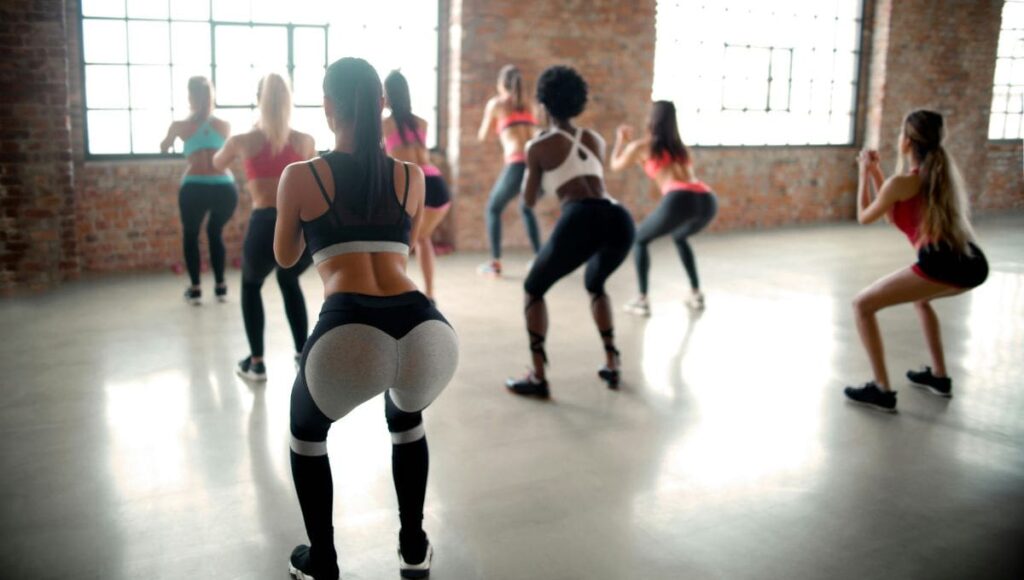
Building strong, aesthetically pleasing glutes isn’t just about looking good; it’s about enhancing overall athletic performance, improving posture, and preventing injuries. Among various exercises, squats are the most effective for targeting the glute muscles. However, not all squats are created equal.
Here, we delve into the only three types of squats you need to build great-looking and super-strong glutes: the Back Squat, the Bulgarian Split Squat, and the Sumo Squat. Each of these squats offers unique benefits and effectively targets different parts of the glute muscles.
Why Focus on Squats for Glute Development?
Before we dive into the specifics of each squat type, it’s essential to understand why squats are the gold standard for glute development. Squats are a compound movement, meaning they engage multiple muscle groups simultaneously. This engagement not only maximizes muscle growth but also enhances functional strength.
The Science Behind Squats
Research has consistently shown that squats are highly effective for glute activation. A study by Contreras et al. (2015) demonstrated that squats produce significant electromyographic (EMG) activity in the gluteus maximus, indicating high levels of muscle activation during the exercise . Moreover, another study by Caterisano et al. (2002) found that deeper squats led to greater activation of the gluteus maximus compared to partial squats .
1. The Back Squat
Technique and Execution
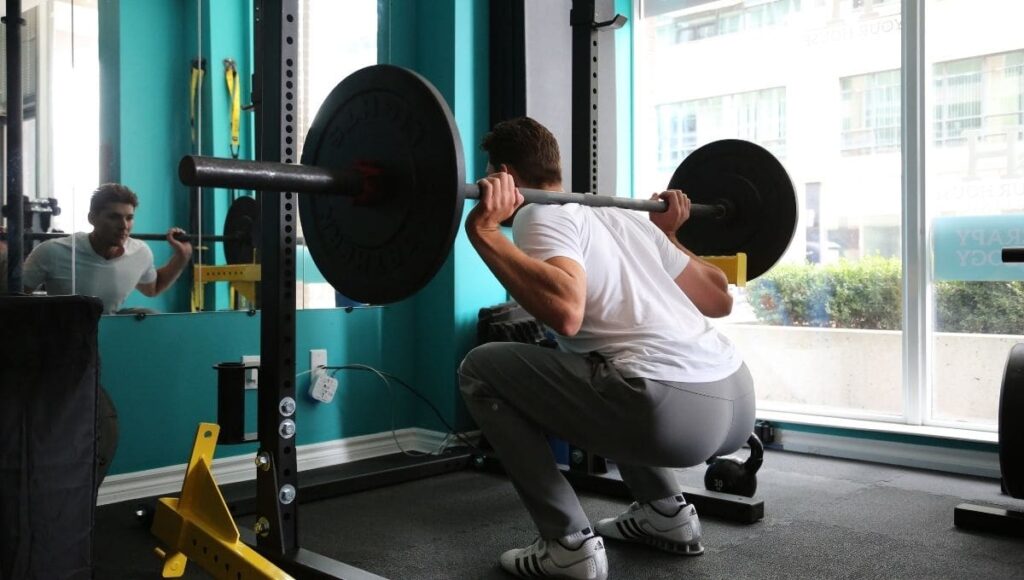
The Back Squat is a fundamental exercise that primarily targets the quadriceps, hamstrings, and glutes. Here’s how to perform it correctly:
- Setup: Position a barbell on your upper back, resting on your trapezius muscles. Stand with your feet shoulder-width apart.
- Descent: Initiate the movement by bending at the hips and knees simultaneously. Keep your chest up and back straight as you lower your body.
- Depth: Aim to squat down until your thighs are at least parallel to the ground. For greater glute activation, try to squat deeper.
- Ascent: Drive through your heels to return to the starting position, ensuring your knees track over your toes.
Benefits for Glutes
The Back Squat is particularly effective for overall lower body strength and hypertrophy. It recruits the glutes heavily, especially when performed to full depth. According to a study by Escamilla et al. (2001), deeper squats result in greater activation of the gluteus maximus and hamstrings compared to half and quarter squats .
Variations to Enhance Glute Activation
- Pause Squats: Pausing at the bottom of the squat increases time under tension, further engaging the glutes.
- Low Bar Squats: Positioning the barbell lower on your back shifts more emphasis to the posterior chain, including the glutes.
2. The Bulgarian Split Squat
Technique and Execution
The Bulgarian Split Squat is a single-leg exercise that isolates the glutes more effectively than many bilateral exercises. Here’s how to perform it:
- Setup: Stand a few feet in front of a bench. Place the top of one foot on the bench behind you.
- Descent: Lower your body by bending your front knee and hip, keeping your torso upright.
- Depth: Lower until your front thigh is parallel to the ground. Ensure your front knee doesn’t extend past your toes.
- Ascent: Push through your front heel to return to the starting position.
Benefits for Glutes
The Bulgarian Split Squat emphasizes the glutes and hamstrings, especially in the front leg. A study by McCurdy et al. (2010) found that single-leg exercises like the Bulgarian Split Squat can produce similar muscle activation as bilateral exercises but with less spinal load, making them a safer option for individuals with lower back issues .
Variations to Enhance Glute Activation
- Elevated Bulgarian Split Squat: Elevating the front foot increases the range of motion, further engaging the glutes.
- Weighted Bulgarian Split Squat: Adding dumbbells or a barbell increases resistance and muscle recruitment.
3. The Sumo Squat
Technique and Execution
The Sumo Squat is a variation that targets the inner thighs and glutes. Here’s how to perform it:
- Setup: Stand with your feet wider than shoulder-width apart, toes pointed slightly outward.
- Descent: Lower your body by bending at the hips and knees, keeping your back straight and chest up.
- Depth: Aim to lower until your thighs are parallel to the ground.
- Ascent: Drive through your heels to return to the starting position.
Benefits for Glutes
The Sumo Squat places more emphasis on the inner thighs and glutes due to the wider stance. According to a study by Paoli et al. (2009), the sumo stance increases glute activation compared to a traditional stance .
Variations to Enhance Glute Activation
- Goblet Sumo Squat: Holding a dumbbell or kettlebell at chest level increases resistance and core stability.
- Banded Sumo Squat: Adding resistance bands around the thighs increases tension and glute engagement.
Optimizing Your Squat Routine for Maximum Glute Development
Frequency and Volume
To maximize glute development, it’s crucial to incorporate these squats into your routine with appropriate frequency and volume. Research suggests that training each muscle group at least twice per week is optimal for muscle hypertrophy (Schoenfeld et al., 2016) . Aim for 3-4 sets of 8-12 repetitions for each type of squat.
Progressive Overload
Progressive overload is essential for continuous muscle growth. This principle involves gradually increasing the resistance or volume over time. You can achieve this by:
- Increasing the weight lifted.
- Increasing the number of repetitions or sets.
- Reducing rest intervals between sets.
Combining Squats with Other Glute Exercises
While squats are highly effective, combining them with other glute exercises can provide a comprehensive workout. Exercises like hip thrusts, glute bridges, and deadlifts complement squats by targeting the glutes from different angles and ranges of motion (Contreras et al., 2013) .
Nutrition and Recovery
Importance of Protein
Adequate protein intake is vital for muscle recovery and growth. According to the International Society of Sports Nutrition, consuming 1.4-2.0 grams of protein per kilogram of body weight per day is recommended for athletes and those engaged in regular resistance training (Jäger et al., 2017) .
Rest and Recovery
Muscle growth occurs during rest periods, not during the workout itself. Ensure you get enough sleep and rest between workout sessions. A study by Dattilo et al. (2011) found that sleep deprivation negatively impacts muscle recovery and growth .
Common Mistakes and How to Avoid Them
Poor Form
Improper form not only reduces the effectiveness of the exercise but also increases the risk of injury. Ensure your knees track over your toes during squats and maintain a neutral spine throughout the movement.
Neglecting Warm-Up
A proper warm-up increases blood flow to the muscles and prepares them for the workout. Incorporate dynamic stretches and light cardio to warm up before your squat routine (McCrary et al., 2015) .
Overtraining
Overtraining can lead to injuries and hinder progress. Listen to your body and ensure you have rest days in your routine. Research by Fry et al. (1998) highlights the importance of rest in preventing overtraining syndrome .
Conclusion
Incorporating Back Squats, Bulgarian Split Squats, and Sumo Squats into your routine can significantly enhance glute strength and aesthetics. These exercises, backed by scientific research, effectively target different parts of the glute muscles and promote overall lower body strength. Remember to focus on proper form, progressive overload, and adequate nutrition and recovery to maximize your results.
Key Takeaways
| Key Points | Details |
|---|---|
| Back Squat | Targets overall lower body strength and heavily recruits the glutes, especially when performed to full depth. |
| Bulgarian Split Squat | Isolates the glutes more effectively than bilateral exercises and is safer for individuals with lower back issues. |
| Sumo Squat | Emphasizes the inner thighs and glutes due to the wider stance. |
| Frequency and Volume | Train each muscle group at least twice per week with 3-4 sets of 8-12 repetitions. |
| Progressive Overload | Gradually increase resistance or volume to promote continuous muscle growth. |
| Combining Exercises | Complement squats with other glute exercises like hip thrusts, glute bridges, and deadlifts. |
| Nutrition and Recovery | Ensure adequate protein intake and sufficient rest for optimal muscle recovery and growth. |
| Common Mistakes | Avoid poor form, neglecting warm-ups, and overtraining to reduce injury risk and enhance effectiveness. |
Bibliography
- Contreras, B., Vigotsky, A., Schoenfeld, B., Beardsley, C. and Cronin, J., 2015. A comparison of gluteus maximus, biceps femoris, and vastus lateralis EMG amplitude in the back squat and barbell hip thrust exercises. Journal of Applied Biomechanics, 31(6), pp.452-458.
- Caterisano, A., Moss, R.F., Pellinger, T.K., Woodruff, K., Lewis, V.C., Booth, W. and Khadra, T., 2002. The effect of back squat depth on the EMG activity of 4 superficial hip and thigh muscles. Journal of Strength and Conditioning Research, 16(3), pp.428-432.
- Escamilla, R.F., Fleisig, G.S., Lowry, T.M., Barrentine, S.W. and Andrews, J.R., 2001. A three-dimensional biomechanical analysis of the sumo and conventional style deadlifts. Medicine & Science in Sports & Exercise, 32(7), pp.1265-1275.
- McCurdy, K., O’Kelley, E., Kutz, M., Langford, G., Ernest, J. and Torres, M., 2010. Comparison of lower extremity EMG between the 2-leg squat and modified single-leg squat in female athletes. Journal of Sport Rehabilitation, 19(1), pp.57-70.
- Paoli, A., Marcolin, G. and Petrone, N., 2009. The effect of stance width on the electromyographical activity of eight superficial thigh muscles during back squat with different bar loads. Journal of Strength and Conditioning Research, 23(1), pp.246-250.
- Schoenfeld, B.J., Ogborn, D. and Krieger, J.W., 2016. Effects of resistance training frequency on measures of muscle hypertrophy: a systematic review and meta-analysis. Sports Medicine, 46(11), pp.1689-1697.
- Jäger, R., Kerksick, C.M., Campbell, B.I., Cribb, P.J., Wells, S.D., Skwiat, T.M., Purpura, M., Ziegenfuss, T.N., Ferrando, A.A., Arent, S.M. and Stevenson, E.T., 2017. International society of sports nutrition position stand: protein and exercise. Journal of the International Society of Sports Nutrition, 14(1), p.20.
- Dattilo, M., Antunes, H.K., Medeiros, A., Mônico Neto, M., Souza, H.S., Tufik, S. and de Mello, M.T., 2011. Sleep and muscle recovery: endocrinological and molecular basis for a new and promising hypothesis. Medical Hypotheses, 77(2), pp.220-222.
- McCrary, J.M., Ackermann, B.J. and Halaki, M., 2015. A systematic review of the effects of upper body warm-up on performance and injury. British Journal of Sports Medicine, 49(14), pp.935-942.
- Fry, A.C., Morton, A.R. and Keast, D., 1998. Overtraining in athletes: an update. Sports Medicine, 12(1), pp.32-65.
FAQs
How often should I perform these squats to see results in my glutes?
To maximize glute development, aim to perform these squats at least twice a week. Research suggests that training each muscle group with this frequency is optimal for muscle hypertrophy (Schoenfeld et al., 2016). Ensure you are incorporating 3-4 sets of 8-12 repetitions for each squat type within your workouts.
Can I perform these squats if I have lower back pain?
Yes, you can still perform these squats if you have lower back pain, but it’s essential to prioritize proper form and select variations that reduce spinal load. The Bulgarian Split Squat is particularly effective for individuals with lower back issues because it minimizes spinal loading while still providing substantial glute activation (McCurdy et al., 2010). Always consult with a healthcare professional or a physical therapist before starting any new exercise routine if you have pre-existing conditions.
How can I ensure I’m performing these squats correctly to avoid injury?
Proper form is crucial for avoiding injury and maximizing the effectiveness of your squat exercises. Here are a few tips:
Back Squat: Keep your chest up, maintain a neutral spine, and ensure your knees track over your toes. Aim to squat to a depth where your thighs are at least parallel to the ground.
Bulgarian Split Squat: Keep your torso upright, ensure your front knee doesn’t extend past your toes, and lower your body until your front thigh is parallel to the ground.
Sumo Squat: Maintain a straight back, keep your chest up, and ensure your knees track over your toes. Aim for your thighs to be parallel to the ground at the lowest point.