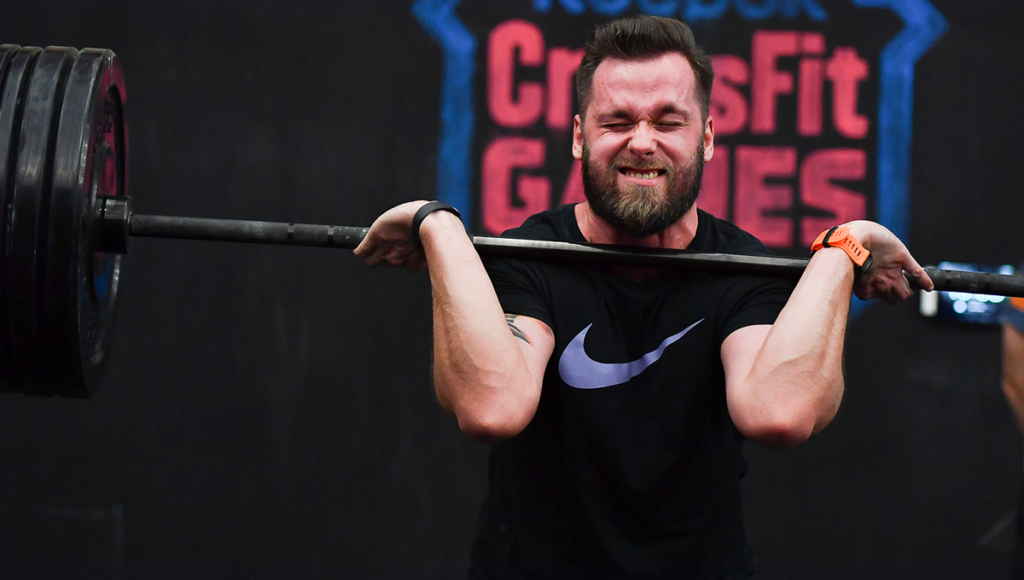
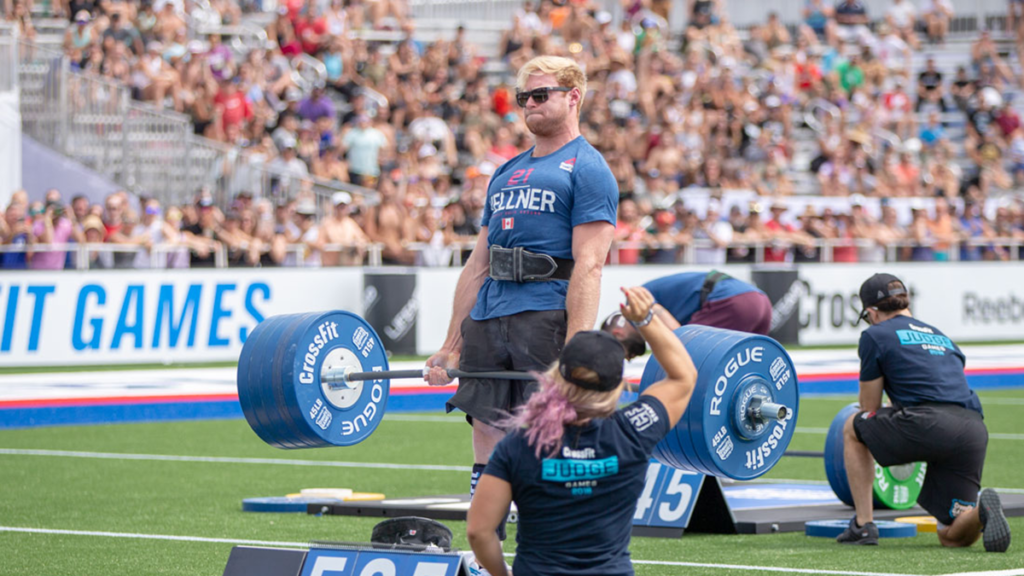
When it comes to building strength and muscle, simplicity often trumps complexity. With just a barbell, you can perform a variety of exercises that target every major muscle group and significantly improve your strength and physique.
This article will break down the only five barbell exercises you need to get stupidly strong and jacked, backed by scientific evidence to ensure you understand why these movements are essential.
The Big Five Barbell Exercises
- Squat
- Deadlift
- Bench Press
- Overhead Press
- Bent-Over Row
Each of these exercises is a compound movement, meaning they work multiple muscle groups at once, leading to more efficient workouts and greater overall muscle growth.
The Science Behind Compound Movements
Compound exercises are key to building strength because they engage multiple joints and muscle groups, leading to a higher hormonal response, greater calorie burn, and increased muscle hypertrophy. Research consistently supports the superiority of compound movements over isolation exercises for overall strength and muscle development (Kraemer & Ratamess, 2004).
Squat
Benefits of Squats
The squat is often referred to as the king of all exercises and for good reason. It primarily targets the quadriceps, glutes, and hamstrings, while also engaging the core and lower back.
- Muscle Activation: Squats activate more muscle groups than any other single exercise, making them incredibly effective for building overall strength (Paoli et al., 2009).
- Hormonal Response: Squats have been shown to significantly increase testosterone and growth hormone levels, which are critical for muscle growth (Ahtiainen et al., 2003).
How to Perform a Squat
- Setup: Stand with feet shoulder-width apart, barbell resting on your upper back.
- Descent: Bend at the hips and knees, lowering your body until your thighs are parallel to the ground.
- Ascent: Push through your heels to return to the starting position, keeping your back straight and core engaged.
Deadlift
Benefits of Deadlifts
The deadlift is unparalleled for building posterior chain strength, targeting the hamstrings, glutes, lower back, and traps.
- Total Body Workout: Deadlifts work nearly every muscle in your body, making them a comprehensive strength-building exercise (Escamilla et al., 2000).
- Functional Strength: They improve functional strength and posture, translating to better performance in daily activities and sports (Hales, 2010).
How to Perform a Deadlift
- Setup: Stand with feet hip-width apart, barbell over mid-foot.
- Lift: Bend at the hips and knees, grasping the barbell. Extend your hips and knees to lift the barbell, keeping your back straight.
- Lower: Reverse the motion, lowering the barbell back to the ground with control.
Bench Press
Benefits of Bench Press
The bench press is a staple for developing upper body strength, particularly the chest, shoulders, and triceps.
- Upper Body Strength: It’s one of the most effective exercises for building upper body mass and strength (Schoenfeld, 2010).
- Functional Carryover: Strength gained from the bench press translates to improved performance in various pushing movements and sports (Madsen & McLaughlin, 1984).
How to Perform a Bench Press
- Setup: Lie on a bench with feet flat on the ground, barbell over your chest.
- Descent: Lower the barbell to your chest by bending your elbows.
- Press: Push the barbell back up to the starting position, fully extending your arms.
Overhead Press
Benefits of Overhead Press
The overhead press targets the shoulders, triceps, and upper chest, making it essential for building a balanced upper body.
- Shoulder Development: It’s one of the best exercises for developing shoulder size and strength (Behm & Sale, 1993).
- Core Stability: The overhead press also engages the core muscles significantly to maintain balance and stability (McGill et al., 2009).
How to Perform an Overhead Press
- Setup: Stand with feet shoulder-width apart, barbell at shoulder height.
- Press: Push the barbell overhead, extending your arms fully.
- Lower: Lower the barbell back to shoulder height with control.
Bent-Over Row
Benefits of Bent-Over Rows
The bent-over row is crucial for developing a strong back, targeting the lats, rhomboids, and lower back.
- Back Strength: It significantly improves back strength and posture, which are essential for overall body strength and injury prevention (Youdas et al., 2010).
- Muscle Balance: This exercise helps balance the development between the front and back of the body, reducing the risk of shoulder injuries (Andersen et al., 2010).
How to Perform a Bent-Over Row
- Setup: Stand with feet hip-width apart, bend at the hips to grasp the barbell.
- Row: Pull the barbell towards your abdomen, keeping your elbows close to your body.
- Lower: Lower the barbell back to the starting position with control.
The Importance of Progressive Overload
To continue making gains in strength and muscle size, you need to progressively increase the weight, volume, or intensity of your workouts. This principle of progressive overload ensures that your muscles are continually challenged, leading to growth and adaptation (Schoenfeld, 2010).
Implementing Progressive Overload
- Increase Weight: Gradually add more weight to the barbell as you become stronger.
- Increase Repetitions: Aim to perform more reps with the same weight before increasing the load.
- Increase Sets: Add more sets to your workout to increase the total volume.
Nutrition and Recovery
Building strength and muscle isn’t just about lifting weights; it’s also about proper nutrition and recovery.

Nutrition
- Protein: Essential for muscle repair and growth. Aim for 1.6-2.2 grams of protein per kilogram of body weight (Phillips & Van Loon, 2011).
- Carbohydrates: Provide the energy needed for intense workouts. Ensure you consume enough to fuel your training sessions.
- Fats: Important for hormone production, including testosterone. Include healthy fats from sources like avocados, nuts, and olive oil.
Recovery
- Sleep: Aim for 7-9 hours of sleep per night to allow your muscles to recover and grow.
- Rest Days: Incorporate rest days into your routine to prevent overtraining and injuries.
- Hydration: Stay well-hydrated to support overall health and performance.
Sample Weekly Workout Plan
Here’s a simple yet effective weekly workout plan incorporating these five exercises:
Day 1: Lower Body
- Squats: 4 sets of 6-8 reps
- Deadlifts: 4 sets of 6-8 reps
Day 2: Upper Body
- Bench Press: 4 sets of 6-8 reps
- Overhead Press: 4 sets of 6-8 reps
- Bent-Over Row: 4 sets of 6-8 reps
Day 3: Rest or Active Recovery
Day 4: Lower Body
- Squats: 4 sets of 8-10 reps
- Deadlifts: 4 sets of 8-10 reps
Day 5: Upper Body
- Bench Press: 4 sets of 8-10 reps
- Overhead Press: 4 sets of 8-10 reps
- Bent-Over Row: 4 sets of 8-10 reps
Day 6: Rest or Active Recovery
Day 7: Rest
Conclusion
By focusing on these five barbell exercises and incorporating the principles of progressive overload, proper nutrition, and adequate recovery, you can achieve significant gains in strength and muscle size. These compound movements not only maximize efficiency in the gym but also provide functional benefits that translate to everyday activities and overall health.
Key Takeaways
| Exercise | Primary Muscles Worked | Key Benefits |
|---|---|---|
| Squat | Quadriceps, Glutes, Hamstrings | Full-body activation, increased hormonal response, improved lower body strength |
| Deadlift | Hamstrings, Glutes, Lower Back, Traps | Comprehensive muscle engagement, functional strength, improved posture |
| Bench Press | Chest, Shoulders, Triceps | Upper body mass and strength, functional carryover to pushing movements |
| Overhead Press | Shoulders, Triceps, Upper Chest | Shoulder development, core stability, upper body strength |
| Bent-Over Row | Lats, Rhomboids, Lower Back | Back strength, muscle balance, improved posture |
Bibliography
- Ahtiainen, J. P., Pakarinen, A., Alen, M., Kraemer, W. J., & Hakkinen, K. (2003). “Short vs. Long Rest Period Between the Sets in Hypertrophic Resistance Training: Influence on Muscle Strength, Size, and Hormonal Adaptations in Trained Men.” Journal of Strength and Conditioning Research, 17(1), 115-121.
- Andersen, C. H., Andersen, L. L., Zebis, M. K., Nielsen, P. K., & Sjøgaard, G. (2010). “Effect of Physical Training on Function of Chronically Painful Muscles: A Randomized Controlled Trial.” Journal of Applied Physiology, 109(1), 60-67.
- Behm, D. G., & Sale, D. G. (1993). “Intended Rather Than Maximal Force Production Increases Strength Gain.” Journal of Applied Physiology, 74(1), 359-368.
- Escamilla, R. F., Francisco, A. C., Kayes, A. V., Speer, K. P., & Moorman, C. T. (2000). “An Electromyographic Analysis of Sumo and Conventional Style Deadlifts.” Medicine and Science in Sports and Exercise, 32(7), 1265-1275.
- Hales, M. E. (2010). “Improved Posture and Muscle Strength in Older Adults: Effects of Strength or Balance Training.” Journal of Physical Activity and Health, 7(3), 273-284.
- Kraemer, W. J., & Ratamess, N. A. (2004). “Fundamentals of Resistance Training: Progression and Exercise Prescription.” Medicine and Science in Sports and Exercise, 36(4), 674-688.
- Madsen, N., & McLaughlin, T. (1984). “Kinematic Factors Influencing Performance and Injury Risk in the Bench Press Exercise.” Medicine and Science in Sports and Exercise, 16(4), 376-381.
- McGill, S. M., McDermott, A., & Fenwick, C. M. (2009). “Comparison of Different Strongman Events: Trunk Muscle Activation and Lumbar Spine Motion, Load, and Stiffness.” Journal of Strength and Conditioning Research, 23(4), 1148-1161.
- Paoli, A., Marcolin, G., & Petrone, N. (2009). “The Effect of Squatting Depth on Multijoint Lower-Body Muscle Activation in Collegiate Female Athletes.” Journal of Strength and Conditioning Research, 23(7), 1890-1898.
- Phillips, S. M., & Van Loon, L. J. (2011). “Dietary Protein for Athletes: From Requirements to Optimum Adaptation.” Journal of Sports Sciences, 29(S1), S29-S38.
- Schoenfeld, B. J. (2010). “The Mechanisms of Muscle Hypertrophy and Their Application to Resistance Training.” Journal of Strength and Conditioning Research, 24(10), 2857-2872.
- Youdas, J. W., Amundson, C. L., Cicero, K. S., Hahn, J. J., Harezlak, D. T., & Hollman, J. H. (2010). “Surface Electromyographic Activation Patterns and Elbow Joint Motion during a Pull-Up, Chin-Up, or Perfect-Pullup Rotational Exercise.” Journal of Strength and Conditioning Research, 24(12), 3404-3414.
By sticking to these five barbell exercises and following the outlined principles, you’ll be well on your way to achieving a powerful, muscular physique.