Add this excellent shoulder workout from Jeff Cavaliere into your training and take your strength and definition to the next level.
The Perfect Shoulder Workout
Crafting the ideal shoulder workout necessitates addressing the front delts, middle delts, and rear delts, albeit not necessarily in a specific sequence. However, achieving a comprehensive shoulder workout goes beyond these basics. To ensure a well-rounded routine, it’s crucial to identify and target the gaps in popular shoulder exercises, a concept we delve into in this video.
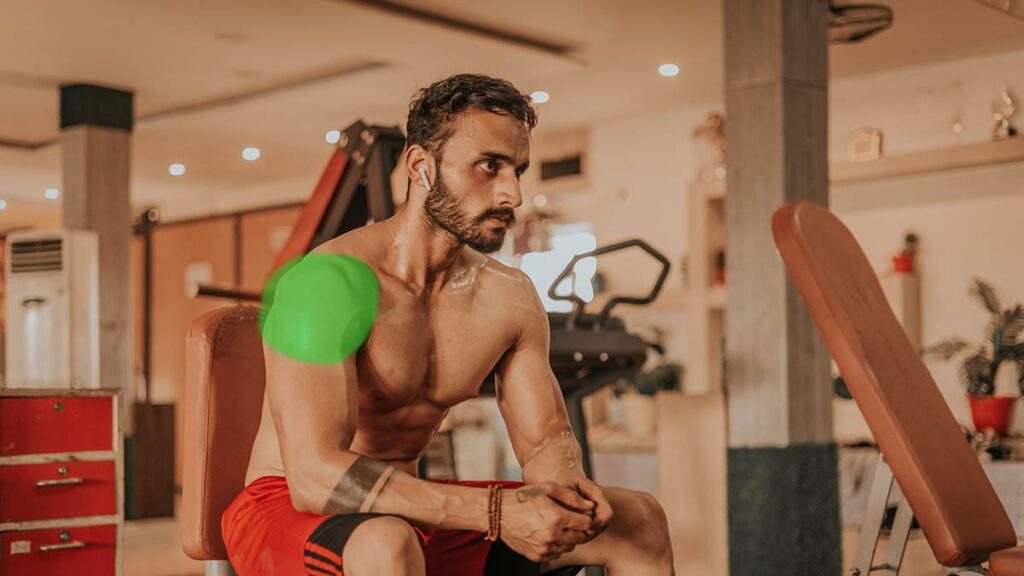
Upon scrutinizing the primary shoulder exercises commonly incorporated into workouts – such as the barbell or dumbbell overhead press, side lateral raises, front delt raises, and even dips – a commonality becomes apparent. Each of these exercises either lacks a proper stretch position for the shoulder or fails to exploit the full range of motion available to the muscle.
This deficiency poses a challenge in developing a truly impressive set of shoulders. Merely going through the motions of an exercise doesn’t guarantee the muscle undergoes its complete range of motion. The shoulder’s three-dimensional ball-and-socket joint offers extensive motion possibilities, contingent on the arm’s angle at the shoulder.
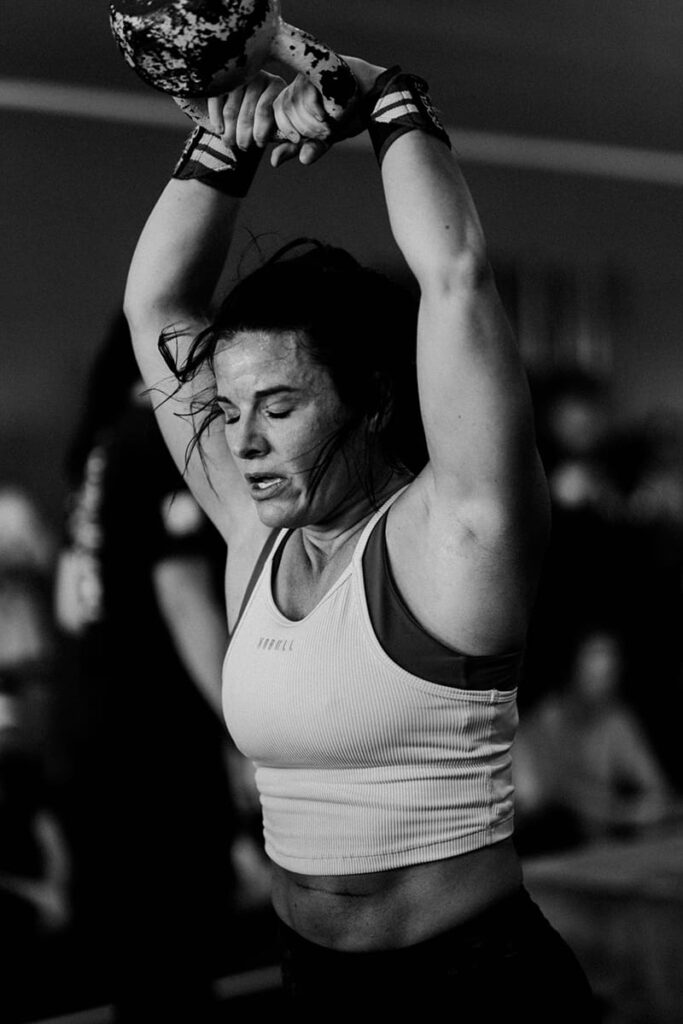
Yet, the oversight often lies in viewing the shoulder joint solely as a ball and socket. Considering the technical role of the shoulder blade as the socket, it becomes imperative to acknowledge the interconnected muscles associated with these bones, playing a crucial part in shoulder training. Furthermore, the goal of shoulder workouts shouldn’t solely focus on hypertrophy; to emulate a well-rounded athlete, it’s essential to incorporate movements fostering explosiveness across the entire shoulder girdle, engaging all relevant muscles simultaneously.
The remedy to this predicament isn’t abandoning popular mass-building shoulder exercises or even lighter ones designed for mass; rather, it involves enhancing them while leaving no aspect of complete training unattended.
Perfect Shoulder Workout
Here’s a guide on constructing the perfect shoulder workout, keeping these principles in mind.
- Warmup with Overhead Banded Press – 2 sets of 15 with 3 second holds each rep.
- OHP or Handstand pushups – 4 sets of 12,8,6,6 reps
- Finish with one set of dumbbell and band overhead presses for neuromuscular re-education x 15 reps
- Delt Stretch Tri-Set (21’s) – 2-3 sets of 7 reps in each direction for rear, middle and front delts
Make sure you perform these in the order of rear to front to account for fatigue.
- DB Cheat Laterals – 3 sets to failure on each arm
- Immediately into a DB Push Press to failure on each arm
- Cable or Banded Face Pulls – 3 sets of 15
Perform these with a mindset of 15 sets of 1 to ensure highest quality of every rep.
When you organize it according to the format I’m proposing, you not only cover the entire range of motion for the shoulders but also target every aspect of the shoulder muscles.
The drop-down approach amplifies the intensity of the less demanding exercise, given that it follows a more challenging compound lift.
Video
Why are Strong Shoulders Useful?
Strong shoulders offer several benefits in terms of both functional movement and aesthetics. Here are some reasons why strong shoulders are useful:
Functional Movement:
Lifting and Carrying: Strong shoulders are essential for lifting and carrying objects. Whether you’re carrying groceries, moving furniture, or lifting boxes, shoulder strength plays a crucial role.
Pushing and Pulling: Shoulder strength is involved in pushing and pulling movements. This is important in activities like opening doors, pushing a car, or pulling yourself up.
Sports Performance:
Throwing and Swinging: In sports like baseball, tennis, or golf, strong shoulders contribute to powerful throwing and swinging movements.
Swimming: Swimmers heavily rely on shoulder strength for powerful strokes and efficient movement in the water.
Posture:
Upper Body Stability: Strong shoulders contribute to overall upper body stability, which is essential for maintaining good posture. Well-developed shoulder muscles can help prevent slouching and rounded shoulders.
Aesthetics:
Broad Shoulders: Well-developed shoulders contribute to the appearance of a broader upper body, enhancing the overall aesthetics of the physique.
V-Taper: Strong shoulders can create a V-tapered physique, where the shoulders are wider than the waist, creating an aesthetically pleasing silhouette.
Injury Prevention:
Joint Stability: Strong shoulder muscles help stabilize the shoulder joints, reducing the risk of injuries and providing support for surrounding structures.
Rotator Cuff Health: Shoulder strength is crucial for maintaining the health of the rotator cuff, a group of muscles and tendons that stabilize the shoulder joint.
Daily Activities:
Reaching and Lifting: Many daily activities involve reaching and lifting, both of which heavily involve the shoulders. Strong shoulders make these activities easier and less prone to causing strain or injury.
Functional Independence:
Activities of Daily Living (ADLs): Strong shoulders contribute to functional independence by making it easier to perform activities of daily living, such as dressing, grooming, and reaching for objects.

It’s important to note that achieving shoulder strength should be part of a well-rounded fitness routine that includes exercises targeting various muscle groups, as overall strength and flexibility contribute to optimal physical function.
Always consult with a fitness professional or healthcare provider before starting a new exercise program, especially if you have pre-existing health conditions or concerns.
What are the Muscles of the Shoulders?
The shoulder is a complex joint that involves several muscles responsible for various movements and functions. The main muscles of the shoulders include:
Deltoids:
The deltoid muscles are the primary muscles of the shoulders and are responsible for the overall shape of the shoulder. They have three distinct parts: anterior (front), lateral (side), and posterior (rear). The deltoids play a crucial role in shoulder abduction (raising the arms to the side) and flexion (raising the arms forward).
Trapezius:
The trapezius is a large muscle that extends down the back of the neck and spine and fans out over the shoulder blades. It has three parts: upper, middle, and lower. The trapezius is involved in various movements, including shoulder shrugging, scapular retraction (pulling the shoulder blades together), and scapular elevation and depression.
Rotator Cuff Muscles:
The rotator cuff is a group of four muscles that work together to stabilize the shoulder joint and facilitate rotational movements. The four muscles are:
- Supraspinatus: Initiates abduction of the arm.
- Infraspinatus: External rotation of the arm.
- Teres Minor: Assists in external rotation of the arm.
- Subscapularis: Facilitates internal rotation of the arm.
Rhomboids:
The rhomboid muscles (major and minor) are located between the shoulder blades. They play a role in scapular retraction and help stabilize the scapula against the ribcage.
Levator Scapulae:
The levator scapulae is a muscle located on the side and back of the neck. It elevates the scapula (shoulder blade) and assists in rotating the head.
Pectoralis Major:
While primarily a chest muscle, the pectoralis major also contributes to shoulder movements, especially when the arms are raised forward or across the body.
Latissimus Dorsi:
The latissimus dorsi, often referred to as the “lats,” are large muscles that extend from the lower back to the upper arms. While they are primarily responsible for movements at the shoulder joint, such as arm extension and adduction, they also play a role in shoulder stability.
Coracobrachialis:
The coracobrachialis is a small muscle that lies beneath the biceps brachii. It assists in flexing and adducting the arm at the shoulder joint.
It’s important to work on strengthening and conditioning these muscles through a balanced exercise routine that includes a variety of shoulder exercises.
Targeting both the larger, superficial muscles and the smaller, deeper stabilizing muscles helps promote overall shoulder health and function.
Learn More
5 Reasons Why Walking for 30 Minutes Every Day will Help You Live a Longer Life
13 Easy to Cook Meals for Burning Your Visceral Fat Quicker (GET LEAN FAST)
8 Reasons Why Meal Prepping is Your Golden Ticket to a Flatter Stomach in 2024
Perfect 5 Minutes Posture Routine
How to Hack Muscle Growth in 2024
How to Get Stronger and Better Looking Glutes
The Perfect Biceps Workout for Muscle Mass and Great Looking Arms