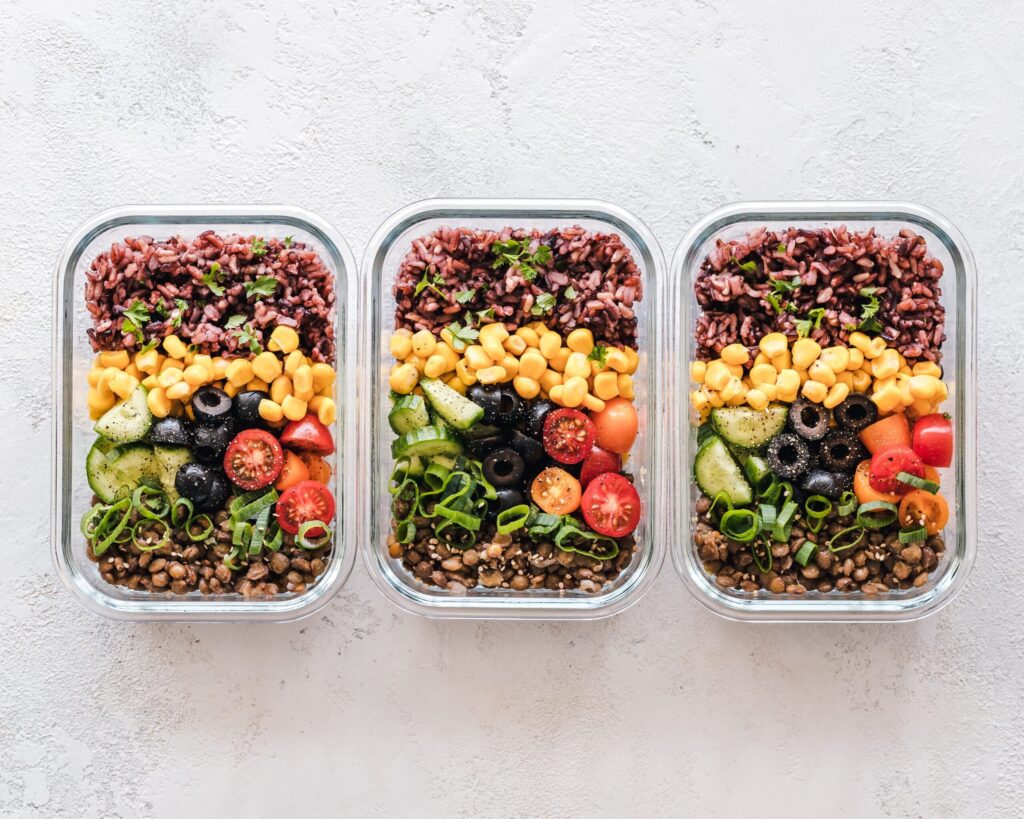
When speaking about losing those extra pounds, protein is a superstar in the world of nutrition. Simply put, protein does way more than just help build muscle – it also plays a key role in weight loss. It is a secret weapon in your diet arsenal, making it easier to reach your diet goals without feeling deprived or constantly hungry. Here are all the roles of protein in weight loss you need to know!
Protein Increases Satiety
Proteins boost satiety through various mechanisms that involve hormones, digestion, and neural signals. Let’s dive deeper!

Hormonal Responses
There are four hormones that have a great impact on satiety:
Peptide YY (PYY): Protein-packed meals stimulate the release of PYY – a hormone developed in the gut that signals the brain to reduce appetite. That way, its elevated levels after consuming protein help to create a feeling of fullness, cutting down the desire to eat more.
Glucagon-Like Peptide-1 (GLP 1): Proteins also skyrocket the release of GLP-1 – a hormone that promotes satiety. It slows down gastric emptying, meaning food stays in the stomach longer, prolonging the sensation of fullness.
Cholecystokinin (CCK): The small intestine releases this hormone in response to protein intake. Its job is to signal the brain to stop eating and reduce hunger by slowing down digestion. That way, it contributes a prolonged feeling of fullness, as well.
Ghrelin: When you eat protein, the “hunger hormone” – ghrelin reduces. Its lower levels soothe the sensation of hunger, making it easier to stick to a calorie deficit for weight loss.
Influence on Digestion
Proteins are complex molecules assembled from amino acids. Your body takes longer to break them down and digest them compared to carbohydrates. This slower digestion rate means that food remains in the stomach and intestines for a longer period. So, they maintain a sensation of fullness simply by their structure.
What’s more, proteins have a high thermic effect on food. This means the body uses more energy to metabolize protein than it does for carbohydrates or fats. A higher thermic effect not only boosts metabolism but also influences the extended feeling of satiety after eating protein.
Amino Acids and Brain Signals
When your body digests proteins, they break down into amino acids. Some of these amino acids actually impact brain function indirectly. They influence neurotransmitters (compounds that transfer information between cells) that regulate hunger and satiety.
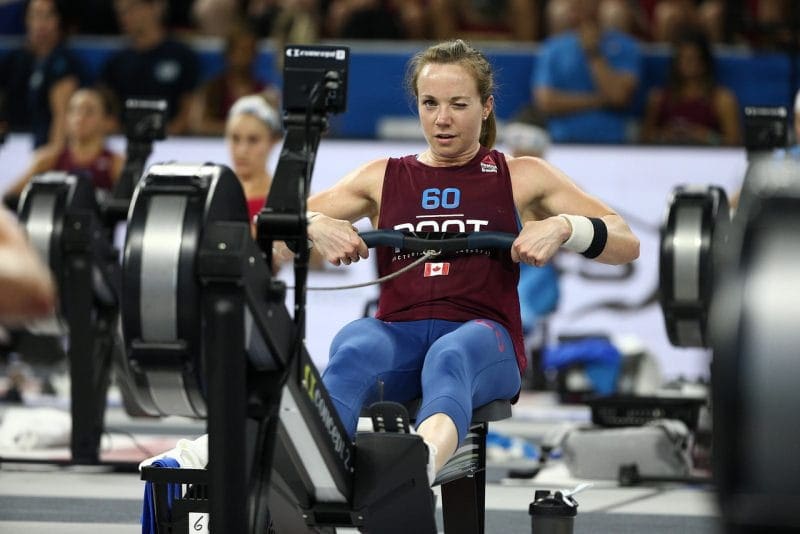
So, after eating protein, the levels of amino acids in the bloodstream rise. The brain detects that change and treats it like a signal that the body has received adequate nutrition, curbing the hunger.
Neural Pathways
Vagus Nerve Stimulation: Protein consumption stimulates the vagus nerve. The vagus nerve has a vital role in communicating satiety signals from the gut to the brain. This stimulation contributes to the sensation of fullness and reduces the drive to eat more.
Hypothalamic Response: The hypothalamus (a region of the brain that regulates hunger and energy balance) responds to protein intake by increasing the release of neurotransmitters. Those neurotransmitters promote satiety and decrease hunger.
Impact on Future Meals
High-protein meals actually tend to delay the onset of hunger for the next meal. This effect is partly due to prolonged digestion time and partly because of the release of satiety hormones. So, if you consume a high-protein diet, you will be less hungry between meals and likely to eat less overall.
Because protein promotes fullness, you will rarely be able to overeat or feel the need for large portions at subsequent meals. This is amazing for bettering portion control, and it makes it easy to maintain a calorie deficit, which is a main goal for any weight loss diet.
Proteins Boost Metabolism
As mentioned above slightly, proteins have a specific thermic effect of food. The body utilizes energy to digest, absorb, and metabolize nutrients – that’s the process of the thermic effect of food (TEF). Let’s break down these dry facts a bit.
Among the three macronutrients, proteins, carbohydrates, and fats, proteins have the highest TEF. This means that the body burns 20-30% of calories from protein during digestion and processing. For comparison, it is only 5-10% for carbs and 0-3% for fats. Clearly, when you consume protein, your body expends more energy to process it, resulting in higher calorie burn.
Muscle Preservation and Growth
Protein is chief for maintaining and building muscle mass, which is supreme during weight loss when muscle loss is at risk. Muscle tissue is metabolically active, signifying it burns more calories inertly than any other tissue. So, the more muscle mass you have, the higher your resting metabolic rate will be.

When coupled with resistance training, a high-protein diet promotes muscle hypertrophy (growth), which further boosts metabolic rate. Even a small increase in muscle mass significantly boosts overall calorie expenditure.
Increased Post-Exercise Calorie Burn
Consuming protein after exercise is responsible for repairing and rebuilding muscle tissues. This process, known as muscle protein synthesis, calls for energy, adding to your overall calorie spending. Additionally, the recovery process after an intense workout, especially strength training, increases the number of calories burned post-workout.
This phenomenon is popular as excess post-exercise oxygen consumption. Protein supports this recovery process, indirectly skyrocketing metabolism by promoting muscle repair.
Reduced Metabolic Slowdown
When you slim down, your metabolic rate will probably decrease. This can make further weight loss more challenging. However, high-protein diets moderate this metabolic slowdown by preserving muscle mass and maintaining higher TEF. Because of this, your body is able to sustain a higher calorie burn even as body weight decreases.
Hormonal Regulation
Protein influences the secretion of hormones that regulate metabolism – insulin, glucagon, and growth hormone. For instance, protein intake improves insulin sensitivity, which regulates blood sugar levels and averts fat storage. Additionally, by encouraging the release of growth hormone, protein aids in fat metabolism and muscle growth.
They both contribute to higher metabolic rates, aka higher calorie burns.
Improved Fat Oxidation
Higher protein intake has one more perk – it enhances the body’s ability to oxidize (burn) fat for energy. This is because protein balances blood sugar levels, soothing insulin spikes that promote fat storage. With more stable insulin levels, your body will be more coherent at using stored fat as an energy source, particularly during periods of calorie deficit.
Proteins Reduce Cravings
As explained above, protein consumption stimulates the release of hormones like peptide YY and glucagon-like peptide-1, promoting feelings of fullness and satiety. When these hormones are higher, they signal to your brain that you are full, so you are less likely to crave anything.
Stabilization of Blood Sugar Levels
Proteins are your blood sugar’s best friend! They slow down the digestion and absorption of carbs, preventing spikes and crashes in blood sugar levels. Fluctuations in blood sugar are the main reason for intense cravings, particularly for sugary or high-carb foods. By stabilizing blood sugar, protein maintains steady energy levels and cuts down the cravings for quick energy sources like sweets and snacks.
This means only one thing – protein intake improves insulin sensitivity. Because of that, your body is able to manage blood sugar levels. Thus, better blood sugar control reduces the likelihood of hypoglycemia (low blood sugar), which triggers cravings for high-calorie, sugary foods.
Psychological Impact
Surprisingly or not, proteins stabilize mood and soothe stress, both chief triggers for emotional eating and cravings. By promoting a sense of well-being and reducing anxiety, proteins diminish the desire to turn to food as a source of comfort.
Scientifically, proteins support cognitive function by providing the requisite amino acids for the synthesis of neurotransmitters. Better mental clarity and focus block impulsive eating behaviors, including cravings provoked by boredom or stress.
Role of Protein in Meal Composition
Including protein in each meal will make it more balanced and satisfying, cutting down the desire for something sweet or snack-like afterward. For example, a meal high in refined carbs will probably leave you hungry soon after, setting off craving. Proteins will solve this problem in no time!
Proteins Prevent Weight Regain
Once you lose weight, you will come to the trickiest part – maintaining it! Proteins doubtlessly have the most important role there, as they preserve lean muscle mass. During weight loss, it is not rare to lose fat as well as muscle mass.
Muscle tissue, as you already know, is highly metabolically active, indicating it burns more calories than fat tissue, even at rest. However, a high-protein diet preserves lean muscle mass during weight loss, which is pivotal for preventing slowdown – the reason for weight regain.
By protecting muscle, proteins ensure that your body continues to burn more calories at rest, making it simpler to maintain the weight you’ve lost. Of course, this won’t help you if you revert to your previous eating habits.
Proteins Promote Healthy Eating Patterns
High-protein diets are generally super satisfying, which will inevitably help you maintain your desired weight. The satiating effects of protein make it easier to adhere to a calorie-controlled diet without feeling deprived. This is major for preventing weight regain, too.
Proteins are easily incorporated into various dietary approaches, whether low-carb, Mediterranean, or plant-based diets. This flexibility makes it easy for anybody to find a sustainable eating pattern that supports weight loss or maintenance. Protein-rich diet reduces the chances of reverting to unhealthy eating patterns that can cause weight gain and regain.