In recent years, plant-based diets have been gaining popularity for their numerous health and environmental benefits.
As people become more conscious of their food choices, protein intake remains a key consideration, especially for those transitioning to plant-based lifestyles.
While many associate protein with animal products, there is a world of protein-rich alternatives that often go unnoticed. One such category is pulses, which encompass a variety of legumes that pack a surprising protein punch.
Exploring the Protein Content of Pulses
Pulses, which include beans, lentils, chickpeas, and peas, are not only versatile and delicious but also exceptional sources of protein. Despite their modest size, these legumes contain a remarkable amount of this essential macronutrient. Understanding the protein content of pulses is crucial for individuals seeking plant-based protein sources that can meet their dietary needs.
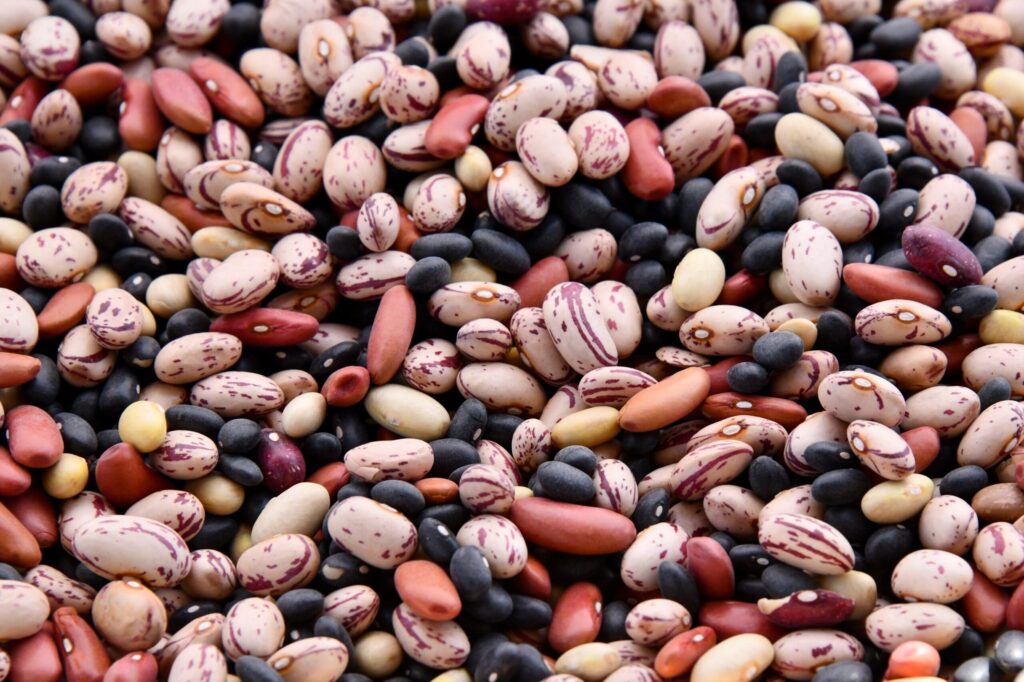
Significance of legumes in plant-based protein sources
Legumes play a vital role in providing protein for plant-based diets.
With their high protein content, legumes offer a viable alternative to animal-based protein sources, making them an essential component of balanced and sustainable eating habits. Incorporating legumes into one’s diet not only ensures an adequate protein intake but also brings a host of additional nutritional benefits. By exploring the power of legumes, individuals can unlock the potential for a healthier and more environmentally friendly protein source.
What are Pulses?
To understand the significance of pulses, it’s important to first define what they are. Pulses are a category of edible seeds that belong to the legume family. Unlike other types of legumes, such as fresh beans or soybeans, pulses are specifically dried seeds that are harvested for human consumption. They are characterized by their low fat content, high protein content, and ability to fix nitrogen in the soil.
Read More: Fully Explained Intermittent Fasting For Weight Loss
Pulses are classified based on their botanical characteristics and include various types of beans, lentils, chickpeas, and peas. While they share similarities, each pulse variety has its own unique nutritional profile, taste, and culinary applications. Understanding the different types of pulses allows for a diverse and well-rounded incorporation of these nutritious legumes into one’s diet.
Examples of common pulse varieties
There is a wide range of pulse varieties that are consumed across different cultures and cuisines. Some common examples of pulses include:
Chickpeas: Also known as garbanzo beans, chickpeas are versatile legumes that can be used in a variety of dishes, such as hummus, salads, and stews.
Lentils: Lentils come in various colours, including green, red, and black. They cook relatively quickly and are popular in soups, curries, and salads.
Black beans: With their rich flavour and soft texture, black beans are commonly used in Latin American and Caribbean cuisines, as well as vegetarian burgers and stews.

Kidney beans: Kidney beans are large, red beans that are often used in chili recipes, salads, and rice dishes.
Split peas: Split peas are dried, hulled peas that are split in half for cooking. They are commonly used in soups and stews.
Historical and cultural significance of pulses
Pulses have been consumed by various civilizations throughout history, and their cultural significance spans across different regions of the world. In many cultures, pulses have been a staple food source for centuries, providing sustenance and nutrition to communities.
Historically, pulses have played a crucial role in sustaining populations, particularly during times of food scarcity. Their ability to be dried and stored for extended periods made them valuable commodities for long journeys and winter months.
Furthermore, pulses have been integral to traditional culinary practices in different cuisines. They have been celebrated for their versatility, affordability, and ability to add depth and flavour to a wide range of dishes.
Understanding the historical and cultural significance of pulses helps us appreciate their importance as a valuable food source and encourages their continued inclusion in modern diets.
Protein Content in Pulses
Protein is an essential macronutrient that plays a vital role in the body. It is made up of amino acids, which are the building blocks for tissues, enzymes, hormones, and antibodies.
What Happens if You Only Eat One Meal a Day for 30 Days?
Adequate protein intake is necessary for maintaining and repairing body tissues, supporting immune function, and facilitating various biochemical processes.
Comparing protein content in pulses with other plant-based and animal-based sources
When it comes to plant-based protein sources, pulses stand out for their impressive protein content. They offer a valuable alternative to animal-based protein sources for individuals following vegetarian, vegan, or flexitarian diets.
In comparison to other plant-based protein sources like grains and vegetables, pulses generally contain a higher amount of protein. For instance, while brown rice contains around 7-8 grams of protein per cooked cup, cooked lentils provide approximately 18 grams of protein per cup. This disparity makes pulses an excellent choice for individuals seeking to meet their protein needs through plant-based sources.
While pulses may not match the protein content of animal-based sources, such as meat or eggs, they are still considered high-quality proteins. By combining different pulse varieties or incorporating them with other plant-based proteins like whole grains, individuals can achieve a complete amino acid profile.
Highlighting specific pulses with high protein content
Several pulse varieties are particularly notable for their high protein content. These include:
Soybeans: Soybeans are one of the few plant-based sources that provide all essential amino acids, making them a complete protein. They contain approximately 36 grams of protein per cooked cup and are commonly consumed in various forms like tofu, tempeh, and edamame.
Lentils: Lentils are an excellent source of protein, offering approximately 18 grams of protein per cooked cup. They are also rich in fibre and versatile in cooking, making them a popular choice for soups, stews, and salads.

Chickpeas: With around 15 grams of protein per cooked cup, chickpeas are a protein powerhouse. They are widely used in Mediterranean and Middle Eastern cuisines and form the base for dishes like hummus and falafel.
Black beans: Black beans provide approximately 15 grams of protein per cooked cup. They are commonly used in Latin American cuisine and are a staple ingredient in dishes like black bean soup, burritos, and salads.
Including these protein-rich pulses in meals can significantly contribute to meeting daily protein requirements while enjoying a variety of delicious and nutritious options.
Nutritional Benefits of Pulses
While pulses are well-known for their protein content, they offer a range of additional nutritional benefits. Pulses are excellent sources of dietary fibre, which plays a crucial role in digestive health, blood sugar regulation, and maintaining healthy cholesterol levels. A single cup of cooked lentils, for example, provides about 15 grams of fibre, which is approximately half of the recommended daily intake for adults.
Pulses also contain an array of vitamins and minerals essential for overall health. They are particularly rich in folate, potassium, iron, and magnesium. Folate is vital for cell growth and development, while potassium helps maintain healthy blood pressure. Iron is essential for oxygen transport in the body, and magnesium supports various biochemical processes, including nerve function and bone health.
Health benefits associated with pulse consumption
Incorporating pulses into the diet has been linked to several health benefits. Regular consumption of pulses has been associated with a reduced risk of chronic diseases such as heart disease, type 2 diabetes, and certain types of cancer.
The high fibre content in pulses aids in maintaining healthy cholesterol levels, reducing the risk of cardiovascular diseases. Pulses also have a low glycemic index, which means they are digested slowly, leading to slower and more stable release of glucose into the bloodstream. This property helps regulate blood sugar levels and may be beneficial for individuals with diabetes or those at risk of developing the condition.
Furthermore, the vitamins, minerals, and antioxidants found in pulses contribute to overall well-being and support immune function. The dietary fibre in pulses also promotes healthy digestion, prevents constipation, and supports gut health.
Role of pulses in weight management and satiety
Pulses can play a valuable role in weight management and promoting feelings of fullness or satiety. Their high fibre and protein content make them highly satisfying, which can help control appetite and prevent overeating. Including pulses in meals can contribute to a balanced and satisfying diet while providing essential nutrients.
Research has shown that individuals who consume pulses regularly tend to have a lower body mass index (BMI) and a reduced risk of obesity. The combination of protein, fibre, and complex carbohydrates in pulses helps regulate hunger hormones, prolonging the feeling of fullness after a meal.
By incorporating pulses into their diet, individuals can enjoy the nutritional benefits they offer, support weight management efforts, and experience enhanced satiety, all contributing to a healthier lifestyle.
A Sustainable Protein Source

Environmental advantages of pulses compared to animal-based protein sources
Pulses offer several environmental advantages when compared to animal-based protein sources. Firstly, pulses have a lower carbon footprint. The production of pulses requires significantly less water and land compared to raising livestock for meat. The reduced land and water requirements of pulse cultivation contribute to the conservation of natural resources and help mitigate the environmental impact of food production.
Additionally, pulses have a lower greenhouse gas emission profile. Livestock farming, especially intensive animal agriculture, is a significant contributor to greenhouse gas emissions, primarily methane and nitrous oxide. By incorporating pulses into our diets, we can help reduce the carbon emissions associated with food production and combat climate change.
Nitrogen fixation and its impact on soil health
Pulses have a unique ability to fix atmospheric nitrogen into the soil with the help of nitrogen-fixing bacteria present in their root nodules.
This natural process eliminates or reduces the need for synthetic nitrogen fertilizers, which are energy-intensive to produce and can have negative environmental impacts. Nitrogen fixation by pulses enhances soil fertility, improves soil structure, and promotes biodiversity by supporting beneficial microorganisms.
By incorporating pulses into crop rotations, farmers can reduce their dependence on synthetic fertilizers, enhance soil health, and maintain long-term agricultural sustainability. The nitrogen-fixing properties of pulses make them valuable contributors to regenerative farming practices.
Pulses in sustainable farming practices and crop rotation
Crop rotation is an essential practice in sustainable agriculture, and pulses play a crucial role in this system. Pulses, with their nitrogen-fixing capabilities, enrich the soil with nitrogen, benefiting subsequent crops in the rotation. By alternating pulses with other crops, farmers can reduce pests and diseases, improve soil quality, and minimize the need for chemical inputs.
Crop rotation involving pulses also helps break pest and disease cycles, reducing the reliance on pesticides and promoting biodiversity. Furthermore, pulses’ ability to improve soil structure and water-holding capacity contributes to soil conservation and mitigates the risks of erosion and nutrient runoff.
The inclusion of pulses in sustainable farming practices promotes ecological balance, reduces environmental degradation, and supports long-term agricultural viability.
By recognizing and utilizing the environmental advantages of pulses, we can make informed choices to shift towards a more sustainable and resilient food system that minimizes the ecological impact of protein production.
Culinary Versatility of Pulses
Pulses have a rich culinary history and are widely used in diverse cuisines around the world. From hearty stews to vibrant salads, pulses add texture, flavour, and nutritional value to countless dishes. Exploring the variety of dishes and cuisines that incorporate pulses opens up a world of culinary possibilities.

In Mediterranean cuisine, chickpeas are a staple ingredient in hummus, falafel, and hearty soups. In Indian cuisine, lentils are commonly used in flavourful dals, curries, and dosas.
Mexican cuisine features black beans in dishes like refried beans, tacos, and enchiladas. These examples barely scratch the surface of the culinary versatility of pulses, as they can be incorporated into salads, stir-fries, grain bowls, and even baked goods.
Recipes and cooking tips for incorporating pulses into everyday meals
Incorporating pulses into everyday meals is not only nutritious but also adds variety and excitement to the dining experience. Whether you’re a seasoned cook or just starting your culinary journey, there are countless recipes and cooking tips to help you make the most of pulses.
Start by experimenting with classic recipes such as lentil soup, chickpea curry, or bean chili. Try different spices, herbs, and seasonings to add depth and flavour to your dishes. Consider blending cooked pulses into dips, spreads, or veggie burgers for added texture and protein.
For convenience, consider using canned pulses, which are precooked and can be easily incorporated into recipes. Rinse them under cold water to reduce sodium content and add them to salads, pasta dishes, or grain bowls for a quick and nutritious meal.
Convenience and affordability of pulses
Pulses offer convenience and affordability, making them an accessible and economical choice for incorporating into everyday meals. They are widely available in dried form, canned form, or even pre-cooked in some cases, allowing for flexibility in cooking methods and time constraints.
Dried pulses can be bought in bulk, stored for long periods, and prepared as needed. They are a budget-friendly option that provides a high nutritional value per dollar spent. Canned pulses, on the other hand, offer convenience and require minimal preparation. They can be easily incorporated into meals with little cooking time.
Pulses’ versatility, long shelf life, and cost-effectiveness make them an excellent option for individuals looking to optimize their food budget while maintaining a nutritious and satisfying diet.
By exploring the culinary versatility of pulses, trying new recipes, and taking advantage of their convenience and affordability, individuals can enjoy the numerous health benefits of pulses while adding excitement and flavour to their meals.
Overcoming Barriers and Encouraging Consumption
Despite their numerous benefits, pulses sometimes face misconceptions and prejudices that hinder their consumption. Addressing these misconceptions is crucial in promoting the inclusion of pulses in diets.
One common misconception is that pulses are bland or unappetizing. However, with the right cooking techniques, spices, and flavour combinations, pulses can be incredibly delicious and versatile. Educating individuals about the various ways to prepare and season pulses can help overcome this misconception.
Another misconception is that pulses cause digestive discomfort or bloating. While some people may experience gas due to the natural fibres present in pulses, there are strategies to minimize this issue. Soaking and rinsing dried pulses before cooking, gradually increasing consumption, and incorporating spices like cumin or fennel can help improve digestibility.
Strategies to increase pulse consumption in different populations
To encourage pulse consumption, various strategies can be implemented, taking into account different populations and dietary preferences.
Education and awareness campaigns: Informing the public about the nutritional benefits, culinary versatility, and environmental advantages of pulses through media campaigns, workshops, and educational materials can help increase their consumption.
Recipe development and promotion: Creating and sharing delicious and accessible pulse-based recipes can inspire individuals to incorporate them into their meals. Collaborating with chefs, food bloggers, and social media influencers can amplify the reach and appeal of pulse-centric recipes.
School and community programs: Introducing pulses in school meal programs and community initiatives can expose children and families to pulses from a young age. Cooking classes, taste tests, and educational sessions can help familiarize individuals with pulses and encourage their regular consumption.

Collaboration with food industries: Encouraging food industries to develop and market products that include pulses, such as pulse-based snacks, pasta, and bread, can provide convenient and attractive options for consumers seeking to incorporate pulses into their diets.
Global initiatives promoting the benefits of pulses
To promote the benefits of pulses on a global scale, several initiatives have been launched.
One notable initiative is the United Nations’ declaration of 2016 as the International Year of Pulses. This campaign aimed to raise awareness about the nutritional value of pulses, their role in sustainable agriculture, and their potential in combating global food security challenges.
Additionally, organizations such as the Global Pulse Confederation and the Food and Agriculture Organization of the United Nations (FAO) continue to advocate for pulses worldwide. They collaborate with governments, research institutions, and private sectors to support research, innovation, and policy development related to pulse production, consumption, and trade.
These global initiatives help foster collaboration, knowledge sharing, and resource mobilization to promote the benefits of pulses and encourage their consumption on a broader scale.
By addressing misconceptions, implementing targeted strategies, and leveraging global initiatives, we can overcome barriers and promote the widespread consumption of pulses.
Embracing the power of pulses not only benefits individuals’ health but also contributes to a more sustainable and resilient food system for future generations.
Conclusion
Pulses, such as lentils, chickpeas, and black beans, pack a powerful punch of protein. These legumes offer a valuable source of plant-based protein, making them an excellent option for individuals following vegetarian, vegan, or flexitarian diets. In addition to protein, pulses are rich in fibre, vitamins, and minerals, providing a range of nutritional benefits.
Their inclusion in meals contributes to overall health and well-being.
Pulses not only benefit individual health but also play a significant role in sustainable and healthy diets. Their environmental advantages, such as lower carbon footprint and nitrogen fixation properties, make them a sustainable protein source. By incorporating pulses into crop rotations and sustainable farming practices, we can promote soil health, reduce greenhouse gas emissions, and conserve natural resources. Pulses offer a path towards a more sustainable and resilient food system.
As we conclude, we encourage readers to explore the diverse world of legumes and unleash their power in the kitchen. Pulses offer endless culinary possibilities, from traditional dishes to innovative recipes.

By overcoming misconceptions, trying new cooking techniques, and incorporating pulses into everyday meals, we can enjoy their nutritional benefits and delicious flavours. Let’s embrace the versatility, convenience, and affordability of pulses and make them a staple in our diets.
By recognizing the surprising protein punch of pulses and unleashing the power of legumes, we can nourish ourselves, support sustainable practices, and make a positive impact on our health and the environment. Let pulses be our allies in creating a healthier, more sustainable future.