Fat loss is a journey that many of us embark on with the goal of improving our health, boosting our confidence, and achieving a sense of well-being.
Despite the straightforward concept of consuming fewer calories than we expend, the path to successful fat loss is often fraught with challenges. Factors such as metabolic differences, lifestyle constraints, dietary habits, and even misinformation can turn what seems like a simple equation into a complex puzzle.
One of the main hurdles individuals face is the overwhelming amount of conflicting advice available, making it difficult to discern which methods are truly effective. Moreover, the psychological aspects of dieting, such as motivation and willpower, play a significant role in the ability to stick to a weight loss plan. This can lead to a cycle of yo-yo dieting, where temporary results are followed by a return to old habits and regained weight.

However, it’s important to understand that there are no one-size-fits-all solutions when it comes to fat loss. What works for one person may not necessarily work for another. That’s why adopting effective strategies tailored to one’s individual lifestyle, preferences, and body is crucial. Accelerating fat loss in a healthy, sustainable manner requires a combination of evidence-based techniques that can adapt to your unique needs.
In this article, we will explore three proven techniques that can help speed up the fat loss process. From nutritional adjustments and exercise regimes to lifestyle changes, these methods have been shown to contribute significantly to achieving and maintaining a healthy weight.
By incorporating these strategies into your daily routine, you can enhance your efforts towards losing fat, improving your overall health, and achieving your weight loss goals with greater efficiency.
1. Nutritional Strategies for Enhanced Fat Loss
Balanced Diet Focused on Nutrient Density: Explain the importance of consuming a diet rich in whole foods, focusing on vegetables, lean proteins, and healthy fats. Emphasise the role of nutrient density in satiety and metabolism.
Caloric Deficit Through Mindful Eating: Discuss the concept of creating a caloric deficit by eating slightly less than one’s maintenance calories, highlighting the effectiveness of mindful eating practices in achieving this.
Intermittent Fasting: Introduce intermittent fasting as a method to improve metabolic health and accelerate fat loss. Describe different approaches, such as the 16/8 method, and discuss their benefits.
Nutritional Strategies for Enhanced Fat Loss
Achieving fat loss is not just about eating less; it’s about eating smart. Nutrition plays a pivotal role in how effectively we can lose fat and maintain a healthy weight. By focusing on the quality rather than just the quantity of food, we can enhance our body’s natural ability to shed unwanted fat. Here are three nutritional strategies that stand out for their ability to boost fat loss through informed and mindful eating.
Balanced Diet Focused on Nutrient Density
A diet rich in nutrient-dense foods is fundamental for successful fat loss. Whole foods, such as vegetables, lean proteins, and healthy fats, provide the vitamins, minerals, and other nutrients our bodies need to function optimally. Consuming a variety of colourful vegetables ensures a broad intake of nutrients, while lean proteins can help repair and build muscle tissue, essential for a healthy metabolism. Healthy fats, found in foods like avocados, nuts, and oily fish, are vital for hormone health and can actually aid in weight loss by keeping you feeling fuller for longer.
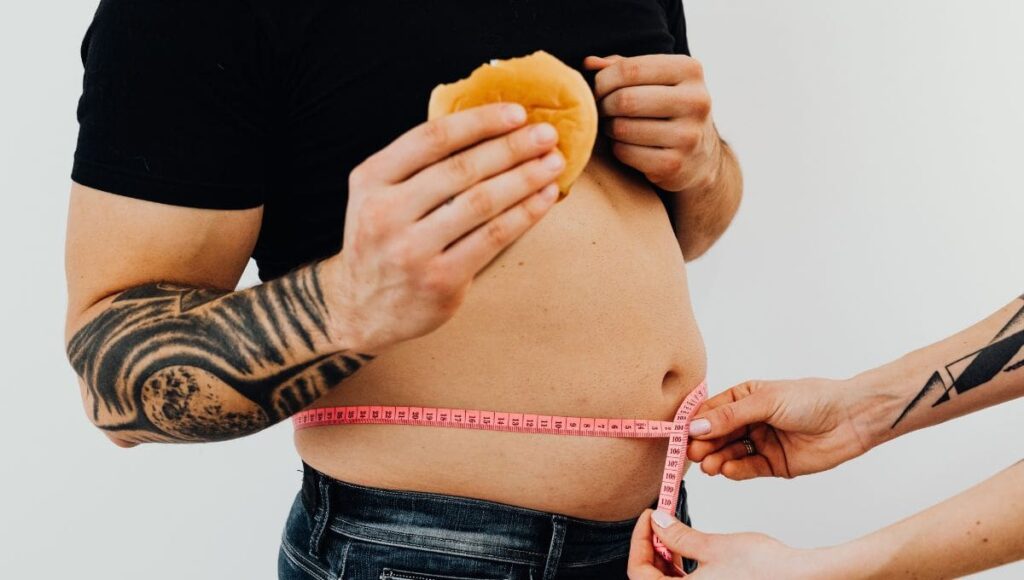
The key here is nutrient density, which refers to the amount of nutrients a food contains in relation to its calorie content. Nutrient-dense foods provide more bang for your buck, delivering the nourishment your body needs without excessive calories. This approach not only supports satiety—helping you feel satisfied for longer periods—but also boosts metabolism, as your body works to process these nutrient-rich foods.
Caloric Deficit Through Mindful Eating
At its core, fat loss hinges on creating a caloric deficit—burning more calories than you consume. However, achieving this does not necessarily mean drastic calorie cutting. Instead, mindful eating practices can help you create a slight caloric deficit by encouraging you to be more aware of your hunger and fullness cues, the types of foods you eat, and the portion sizes that best suit your body’s needs.
Mindful eating involves paying full attention to the experience of eating and drinking, both inside and outside the body. It encourages eating slowly, without distraction, and learning to recognise when you’re comfortably full. This practice can prevent overeating and make it easier to consume slightly fewer calories than your maintenance level, without the need for strict calorie counting.
Intermittent Fasting
Intermittent fasting (IF) is a dietary approach that cycles between periods of fasting and eating. It’s not so much about what you eat, but when you eat. One popular method is the 16/8 approach, where you fast for 16 hours and eat within an 8-hour window. This method can simplify calorie control, improve metabolic health, and help reduce insulin resistance, all contributing to accelerated fat loss.
Intermittent fasting works by extending the period when your body has burned through the calories consumed during your last meal and begins burning fat. It’s a powerful tool for improving metabolic flexibility, allowing your body to more efficiently switch between using carbohydrates and fats for energy. Moreover, IF can lead to reduced calorie intake and enhance hormone function to facilitate weight loss.
Incorporating these nutritional strategies into your lifestyle can significantly enhance your fat loss efforts. By focusing on nutrient-dense foods, adopting mindful eating practices, and experimenting with intermittent fasting, you can create a diet that supports your weight loss goals, improves your health, and is sustainable in the long term.
2. Exercise Techniques to Boost Fat Burning
High-Intensity Interval Training (HIIT): Outline the benefits of HIIT for fat loss, explaining how short bursts of high-intensity exercise followed by rest periods can enhance calorie burn and metabolic rate.
Strength Training: Discuss how building muscle through strength training can increase resting metabolic rate, leading to more calories burned even at rest.

Consistency and Variety in Workouts: Emphasise the importance of consistency in exercise routines and adding variety to prevent plateaus, suggesting ways to mix cardio, strength, and flexibility exercises.
Exercise Techniques to Boost Fat Burning
Adopting an effective exercise regimen is crucial for accelerating fat loss and achieving a toned, healthy physique. While nutrition is key to shedding pounds, the right workout strategies can significantly enhance your body’s ability to burn fat.
Here, we delve into three exercise techniques that are particularly effective in boosting fat burning: High-Intensity Interval Training (HIIT), strength training, and the integration of consistency and variety in your workouts.
High-Intensity Interval Training (HIIT)
High-Intensity Interval Training, or HIIT, has gained popularity for its effectiveness in promoting fat loss in a relatively short period of time. This exercise method involves short bursts of intense activity followed by brief rest or lower-intensity periods. For example, a typical HIIT session may consist of 30 seconds of sprinting followed by 30 seconds of walking, repeated for 15 to 20 minutes.
The benefits of HIIT stem from its ability to elevate your metabolic rate for hours after the workout has ended, a phenomenon known as the ‘afterburn effect’ or excess post-exercise oxygen consumption (EPOC). This means your body continues to burn calories at a higher rate even when you’re not exercising.
HIIT not only helps to burn fat more efficiently but also improves cardiovascular health, insulin sensitivity, and endurance. It’s an excellent choice for those looking to achieve significant fat loss without spending hours at the gym.
Strength Training
While often associated with muscle building, strength training is also a powerhouse for fat loss. By increasing muscle mass, you boost your resting metabolic rate (RMR), which is the number of calories your body burns at rest. More muscle means a higher RMR, leading to greater calorie burn throughout the day, not just during exercise.
Incorporating strength training into your routine can involve free weights, resistance bands, or bodyweight exercises. Activities such as squats, deadlifts, and bench presses not only work multiple muscle groups at once, making them highly efficient, but they also stimulate the release of hormones that aid in fat loss. By building a leaner, more muscular body, you create a more efficient fat-burning machine.
Consistency and Variety in Workouts
To maximise fat loss and prevent hitting a plateau, it’s important to remain consistent with your exercise routine while also incorporating variety. Consistency helps to establish a routine that your body can adapt to, making it more efficient at burning fat over time. However, regularly changing your workout routine prevents your body from getting too accustomed to the same exercises, which can slow down your progress.
Mixing cardio, strength, and flexibility exercises ensures that all aspects of fitness are covered, promoting overall health and preventing injuries. For example, you might include running or cycling for cardio, weight lifting for strength, and yoga or Pilates for flexibility. This approach not only helps in preventing boredom but also ensures that your body continues to adapt and improve, leading to more effective fat loss.
By integrating HIIT, strength training, and a mix of consistent and varied workouts into your exercise regimen, you can significantly enhance your body’s ability to burn fat. These techniques, when combined with a nutritious diet and healthy lifestyle choices, can help you achieve your fat loss goals more quickly and sustainably.
3. Lifestyle Adjustments for Sustained Fat Loss
- Adequate Sleep: Highlight the link between sufficient sleep and weight loss, discussing how lack of sleep can affect hormones related to hunger and fat storage.
- Stress Management: Discuss how chronic stress can lead to weight gain through cortisol production and suggest methods for managing stress, such as meditation, yoga, or deep breathing exercises.
- Staying Hydrated: Explain how drinking enough water can support metabolism and assist in weight loss, including tips on how to increase water intake throughout the day.
Lifestyle Adjustments for Sustained Fat Loss
Achieving and maintaining fat loss is not solely a matter of diet and exercise; it also involves making key lifestyle adjustments. The way we sleep, manage stress, and hydrate plays a significant role in our body’s ability to lose fat and maintain a healthy weight. Let’s explore three crucial lifestyle changes that can support sustained fat loss.
Adequate Sleep
The significance of getting enough sleep cannot be overstated when it comes to weight loss. Research has consistently shown a strong link between sufficient sleep and the ability to lose fat. Sleep affects the body’s regulation of hunger and satiety hormones, ghrelin and leptin. Ghrelin signals hunger to the brain, while leptin communicates fullness. Lack of sleep can lead to an increase in ghrelin and a decrease in leptin, making you feel hungrier and less satisfied after eating, which can lead to overeating and weight gain.
Moreover, insufficient sleep can also impact insulin sensitivity, potentially leading to fat storage. Striving for 7-9 hours of quality sleep per night can help regulate these hormones and support your weight loss efforts. Establishing a relaxing bedtime routine, limiting exposure to screens before bed, and creating a comfortable sleep environment can improve the quality of your sleep.
Stress Management
Chronic stress is another factor that can hinder fat loss. When stressed, the body releases cortisol, a hormone that can promote fat storage, especially in the abdominal area. High cortisol levels are also associated with increased food cravings, particularly for sugary and fatty foods, which can sabotage weight loss efforts.
Managing stress is, therefore, an essential component of a fat loss strategy. Techniques such as meditation, yoga, and deep breathing exercises can significantly reduce stress levels. Regular physical activity is also an effective stress reliever. Finding healthy outlets for stress, such as hobbies, spending time in nature, or socialising with friends, can prevent stress from impacting your weight loss goals.
Staying Hydrated
Hydration is another key aspect of fat loss. Drinking enough water is crucial for maintaining an optimal metabolic rate. Water helps to metabolise stored fat and can also act as an appetite suppressant, often reducing the likelihood of mistaking thirst for hunger. Moreover, being well-hydrated improves your workouts by enhancing performance, allowing you to burn more calories.
Aim to drink at least 8 glasses (about 2 litres) of water a day, or more if you are active or live in a hot climate. Carrying a water bottle with you, drinking a glass of water before each meal, and starting your day with water are simple ways to increase your intake. If you find plain water unappealing, adding slices of lemon, cucumber, or mint can enhance the flavour without adding significant calories.
Incorporating these lifestyle adjustments—ensuring adequate sleep, managing stress effectively, and staying well-hydrated—into your daily routine can significantly enhance your fat loss efforts. These changes support not just a healthier weight, but also overall well-being, making your journey to fat loss more enjoyable and sustainable.
Conclusion
In our journey through the multifaceted world of fat loss, we’ve explored a comprehensive array of strategies that span nutritional adjustments, exercise techniques, and essential lifestyle changes.
By focusing on a balanced diet rich in nutrient-dense foods, engaging in both high-intensity interval training and strength training, and making crucial lifestyle adjustments such as ensuring adequate sleep, managing stress, and staying hydrated, we can significantly enhance our body’s ability to shed unwanted fat.

The synergy of combining effective nutritional strategies, targeted exercise routines, and positive lifestyle changes cannot be overstated. It creates a powerful framework for not just accelerating fat loss but also for fostering overall health and well-being. Integrating these approaches into your daily routine can lead to sustainable weight loss and a more vibrant, energetic life.
As you embark on or continue your fat loss journey, remember that persistence and consistency are your greatest allies. The road to achieving your weight loss goals may have its challenges and setbacks, but the key lies in staying the course and maintaining a balanced approach. Celebrate your successes, no matter how small, and learn from any hurdles you encounter.
Let this article serve as a guide and motivator, reminding you that with the right strategies and a steadfast commitment, achieving your fat loss goals is not just a possibility but an inevitable success. Your journey is unique, and your efforts will bear fruit. Keep pushing forward, stay motivated, and remember that every step you take is a step closer to a healthier, happier you.
Learn More
Unbelievably Effective Science-Backed Arm Exercises You’ve Never Seen Before
The Diet that Will Transform Your Body in 100 Days
What Happens to Your Body When You Try the Anti-Ageing Diet for 90 Days?