Strong and well-developed glutes are not only visually appealing but are also critical for functional movement, athletic performance, and injury prevention.
This guide provides a comprehensive approach to building strong and attractive glutes, covering the science behind glute training, the best exercises, training frequency, nutrition, and recovery.
Why Glute Training is Essential
The gluteal muscles—the gluteus maximus, gluteus medius, and gluteus minimus—are among the largest and most powerful muscles in the body. They play a key role in hip extension, abduction, external rotation, and stabilisation during movement.
Research has demonstrated that strong glutes contribute to improved athletic performance, reduced lower back pain, and enhanced posture (Behm et al., 2010). Beyond aesthetics, strong glutes provide functional benefits for daily activities such as walking, running, and lifting.
Understanding Glute Anatomy and Function
To effectively train the glutes, it is crucial to understand their anatomy and function:
- Gluteus Maximus: The largest glute muscle, primarily responsible for hip extension, external rotation, and abduction. It is heavily activated during compound movements like squats and deadlifts.
- Gluteus Medius: Located on the side of the pelvis, it controls hip abduction and stabilises the pelvis during single-leg movements.
- Gluteus Minimus: The smallest glute muscle, working alongside the gluteus medius for hip abduction and internal rotation.
Key Principles of Glute Training
1. Progressive Overload
Progressive overload, the gradual increase in resistance or intensity over time, is essential for muscle growth. Studies have shown that muscle hypertrophy requires increasing the mechanical tension placed on muscles (Schoenfeld, 2010). Incorporating heavier weights, higher reps, or advanced variations ensures continuous progression.
2. Exercise Selection
Optimal glute training involves a combination of compound and isolation exercises that target the muscles through different ranges of motion. Compound movements like squats and deadlifts recruit multiple muscle groups, while isolation exercises such as hip thrusts and kickbacks focus specifically on the glutes.
3. Range of Motion
Maximising the range of motion in exercises enhances muscle activation and growth. For instance, deep squats engage the glutes more effectively than shallow squats due to the greater stretch experienced in the bottom position (Bloomquist et al., 2013).
4. Training Frequency
Training glutes two to three times per week allows sufficient stimulus for growth while providing adequate recovery time. Research suggests that higher training frequencies can enhance muscle hypertrophy compared to once-weekly sessions, provided total volume is matched (Schoenfeld et al., 2016).
Top Exercises for Building Strong and Attractive Glutes
1. Hip Thrusts
Hip thrusts are widely regarded as one of the most effective exercises for glute development. Studies have demonstrated their superior activation of the gluteus maximus compared to squats (Contreras et al., 2015). Perform them with a barbell across the hips, ensuring a full range of motion and squeezing the glutes at the top.
2. Bulgarian Split Squats
This unilateral exercise challenges balance and stability while targeting the glutes. By leaning slightly forward during the movement, you can increase glute activation (Lynn et al., 2020).
3. Romanian Deadlifts
Romanian deadlifts emphasise the hip hinge movement, targeting the glutes and hamstrings. Keeping a slight bend in the knees and maintaining a neutral spine enhances glute activation.
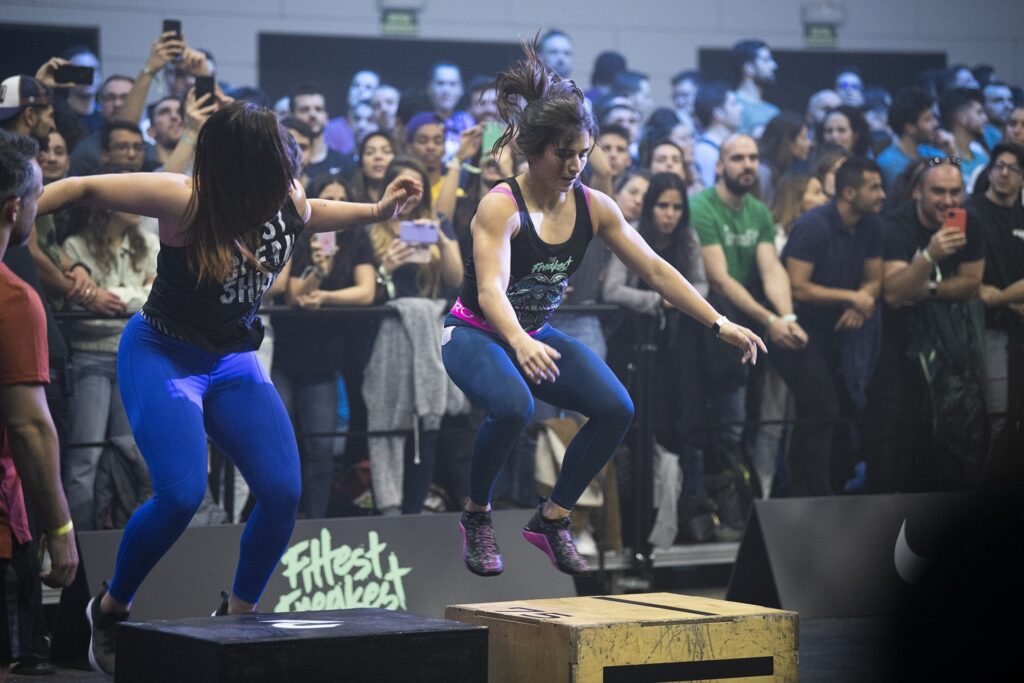
4. Step-Ups
Step-ups are effective for building unilateral strength and improving functional movement patterns. Adding weights increases the load on the glutes, especially during the push-off phase.
5. Cable Kickbacks
Cable kickbacks isolate the glutes, making them an excellent finishing exercise. They target the gluteus maximus while minimising involvement from other muscle groups.
6. Glute Bridges
Similar to hip thrusts but with a shorter range of motion, glute bridges are ideal for beginners or as a bodyweight warm-up. They activate the glutes without requiring extensive equipment.
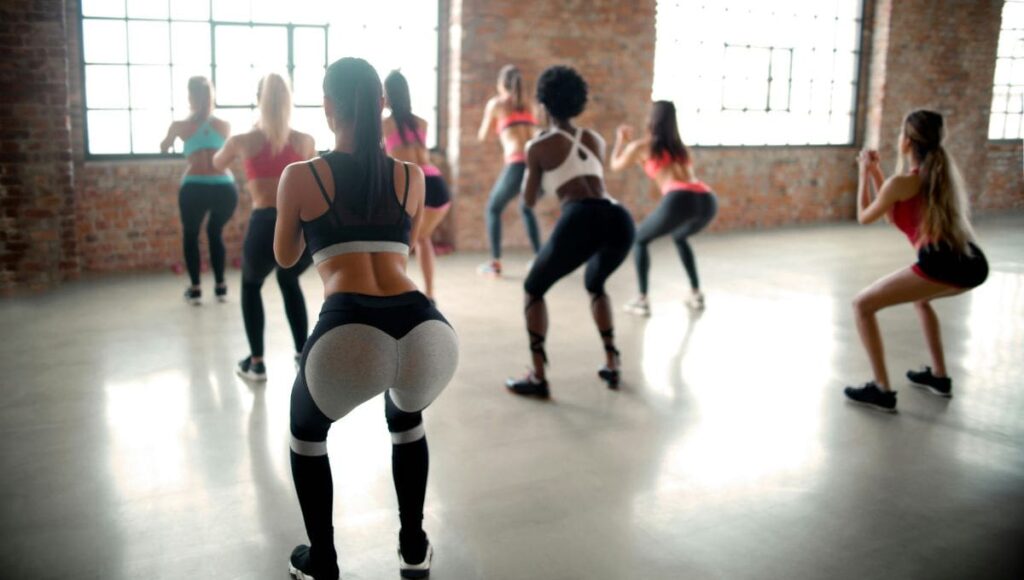
7. Deep Squats
Research indicates that squatting below parallel engages the glutes more effectively than partial squats (Bloomquist et al., 2013). Use progressive loading to improve strength and depth over time.
Optimising Your Glute Training
1. Warm-Up Properly
Dynamic stretches and activation drills such as clamshells or banded lateral walks can prime the glutes for intense training. Activation exercises enhance neuromuscular engagement, ensuring the glutes work efficiently during compound lifts (Mills et al., 2017).
2. Mind-Muscle Connection
Focusing on the glutes during each repetition increases muscle activation. Studies highlight that the mind-muscle connection can enhance hypertrophy by improving neuromuscular recruitment (Snyder et al., 2018).
3. Rest Periods
Short rest periods of 30–90 seconds between sets are suitable for hypertrophy-focused training, while longer rests of 2–3 minutes are beneficial for strength gains.
4. Recovery
Adequate recovery is vital for muscle growth. Sleep, nutrition, and hydration play key roles in optimising recovery and preventing overtraining (Pasiakos et al., 2015).

Nutrition for Glute Growth
Building strong glutes requires a diet that supports muscle hypertrophy:
- Protein Intake: Consume 1.6–2.2 grams of protein per kilogram of body weight daily to maximise muscle protein synthesis (Morton et al., 2018).
- Caloric Surplus: A slight caloric surplus provides the energy needed for muscle growth. Focus on nutrient-dense foods such as lean meats, fish, eggs, whole grains, and vegetables.
- Timing: Consuming protein-rich meals post-workout enhances recovery and promotes muscle repair.
Avoiding Common Mistakes
1. Neglecting Range of Motion
Performing exercises with a limited range of motion reduces glute engagement and limits potential growth.
2. Overloading Too Quickly
While progressive overload is essential, adding weight too rapidly can compromise form and increase the risk of injury.
3. Ignoring Recovery
Overtraining can hinder muscle growth and lead to fatigue. Ensure adequate rest days and prioritise sleep.
Conclusion
Building strong and attractive glutes is achievable with a combination of scientifically backed exercises, proper nutrition, and consistent effort.
Incorporating progressive overload, focusing on the mind-muscle connection, and prioritising recovery will yield the best results. With the right approach, you can enhance your glute strength and aesthetics while reaping the functional benefits of a powerful posterior chain.
Key Takeaways
| Key Points | Details |
|---|---|
| Importance of Glutes | Vital for aesthetics, function, and performance. |
| Top Exercises | Hip thrusts, Bulgarian split squats, Romanian deadlifts, deep squats. |
| Training Frequency | Train glutes 2–3 times per week. |
| Nutrition for Growth | High protein intake (1.6–2.2g/kg/day) and caloric surplus. |
| Common Mistakes | Avoid limited range of motion and neglecting recovery. |
References
Behm, D.G. et al. (2010). The Role of Strength and Power Training in Preventing Injuries. Sports Medicine, 40(9), pp.749–768.
Bloomquist, K. et al. (2013). Effect of Range of Motion in Heavy Load Squatting on Muscle Development. Scandinavian Journal of Medicine & Science in Sports, 23(3), pp.311–319.
Contreras, B. et al. (2015). An Electromyographic Comparison of Gluteus Maximus and Hamstring Activation During Various Exercises. Journal of Applied Biomechanics, 31(6), pp.514–521.
Morton, R.W. et al. (2018). Protein Intake to Maximise Whole-Body Anabolism. Sports Medicine, 48(1), pp.23–32.
Schoenfeld, B.J. (2010). The Mechanisms of Muscle Hypertrophy and Their Application to Resistance Training. Journal of Strength and Conditioning Research, 24(10), pp.2857–2872.
Schoenfeld, B.J. et al. (2016). Effects of Resistance Training Frequency on Muscle Hypertrophy. Journal of Sports Sciences, 34(24), pp.2355–2362.
Snyder, B.J. et al. (2018). The Mind-Muscle Connection: Effects on Muscle Activity and Strength. European Journal of Sport Science, 18(5), pp.631–638.