Building lean muscle requires more than just lifting weights—it demands the right nutrition. Protein is the cornerstone macronutrient for muscle development due to its role in muscle protein synthesis (MPS), the process of repairing and growing muscle fibers after resistance training.
This article details the top 10 high-protein foods that support lean muscle growth, with each selection grounded in scientific evidence. These foods deliver quality amino acids, optimal bioavailability, and additional nutrients critical for hypertrophy and recovery.
1. Chicken Breast
Why It’s Essential for Muscle Growth
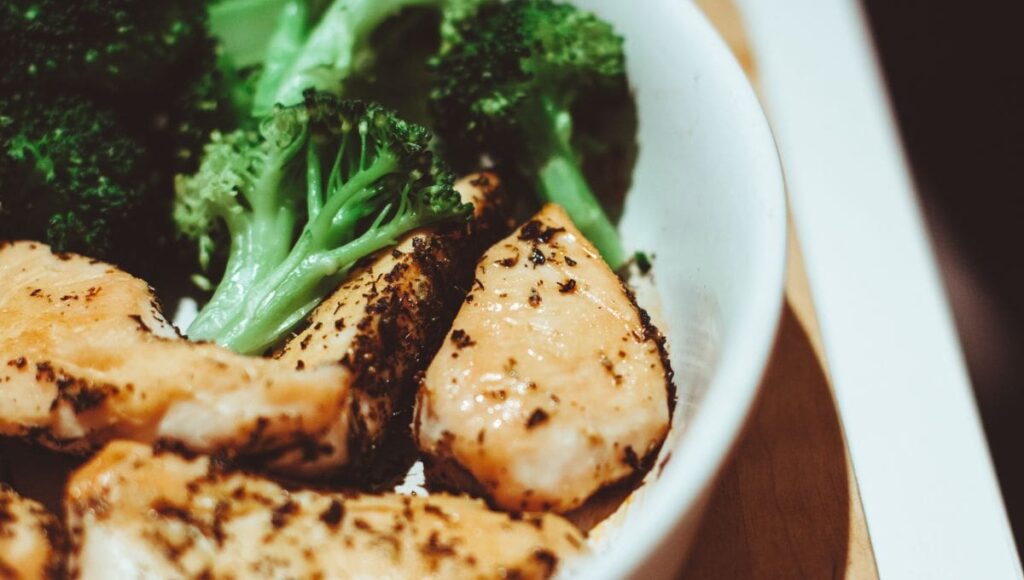
Chicken breast is a staple in bodybuilding and fitness nutrition due to its exceptionally high protein-to-fat ratio. A 100-gram serving provides approximately 31 grams of protein with only 3.6 grams of fat, making it ideal for those aiming to gain muscle without excess body fat.
Scientific Backing
The protein in chicken breast is classified as a complete protein, containing all nine essential amino acids necessary for muscle repair and growth. According to a study published in the American Journal of Clinical Nutrition, consuming lean animal protein like chicken post-exercise increases rates of MPS significantly (Tipton et al., 2004).
2. Eggs
Why It’s Essential for Muscle Growth
Eggs are one of the most bioavailable sources of protein, containing about 6 grams per egg. They’re also rich in leucine, the branched-chain amino acid (BCAA) most directly involved in stimulating MPS.
Scientific Backing
A study in the journal Nutrition & Metabolism found that whole eggs stimulate muscle protein synthesis more effectively than egg whites alone, likely due to the synergistic effects of fat and micronutrients in the yolk (van Vliet et al., 2017). The study highlighted the importance of consuming whole eggs to maximize hypertrophic responses.
3. Greek Yogurt
Why It’s Essential for Muscle Growth
Greek yogurt is packed with slow-digesting casein and fast-digesting whey, making it ideal for sustained amino acid delivery. A 200-gram serving typically offers 20 grams of high-quality protein.
Scientific Backing
Research published in Frontiers in Nutrition demonstrated that a blend of whey and casein from dairy improves MPS rates and muscle recovery when consumed post-exercise (Churchward-Venne et al., 2012). Additionally, the probiotics in Greek yogurt may support gut health, which indirectly benefits nutrient absorption.
4. Whey Protein Powder

Why It’s Essential for Muscle Growth
Whey protein is the gold standard in sports nutrition. Rapidly absorbed and rich in BCAAs, it is considered the most effective supplemental protein for post-workout recovery. One 30-gram scoop generally contains 24–27 grams of protein.
Scientific Backing
A meta-analysis published in the Journal of the International Society of Sports Nutrition confirmed that whey protein supplementation significantly enhances lean muscle mass and strength when combined with resistance training (Morton et al., 2018). Its high leucine content and digestibility contribute to its superior anabolic properties.
5. Lean Beef
Why It’s Essential for Muscle Growth
Lean cuts of beef (e.g., sirloin, round) provide around 26 grams of protein per 100 grams and are loaded with heme iron, zinc, and B12—all vital for muscle function and growth.
Scientific Backing
A study from the Journal of Nutrition found that beef protein can stimulate MPS to a similar degree as whey when consumed post-exercise, supporting muscle development in both younger and older adults (Symons et al., 2007). Additionally, beef offers creatine, a compound that enhances ATP regeneration during training.
6. Cottage Cheese
Why It’s Essential for Muscle Growth
Cottage cheese is rich in casein protein, which digests slowly and provides a sustained amino acid release, making it particularly beneficial before bed. A typical 100-gram serving contains 11 grams of protein.
Scientific Backing
A clinical trial in the British Journal of Nutrition showed that consuming casein protein before sleep increases overnight MPS, supporting muscle retention and growth during prolonged fasting periods (Res et al., 2012). This makes cottage cheese an excellent choice for nighttime nutrition.
7. Salmon
Why It’s Essential for Muscle Growth
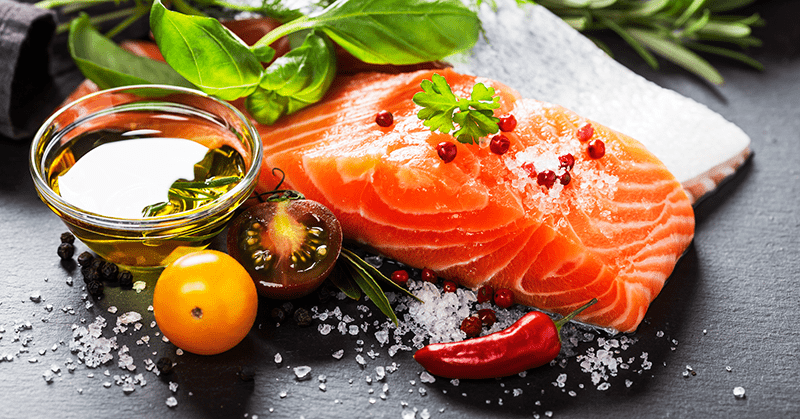
Salmon delivers 25 grams of high-quality protein per 100 grams and is rich in omega-3 fatty acids, which have anti-inflammatory properties and support muscle recovery.
Scientific Backing
Omega-3s enhance muscle anabolic signaling pathways. Research from the Clinical Science Journal showed that EPA and DHA supplementation improves the muscle’s sensitivity to amino acids, promoting greater gains in muscle mass when combined with resistance exercise (Smith et al., 2011).
8. Lentils
Why It’s Essential for Muscle Growth
Lentils provide around 9 grams of protein per 100 grams (cooked), making them a key plant-based protein source. They’re also high in fiber and micronutrients like iron and magnesium.
Scientific Backing
While plant proteins are often considered inferior to animal proteins in terms of amino acid profile, studies have shown that a well-planned vegetarian diet can still support muscle hypertrophy. A review in Nutrients emphasized that combining legumes like lentils with other plant proteins can achieve a complete amino acid spectrum (Van Vliet et al., 2015).
9. Tofu
Why It’s Essential for Muscle Growth
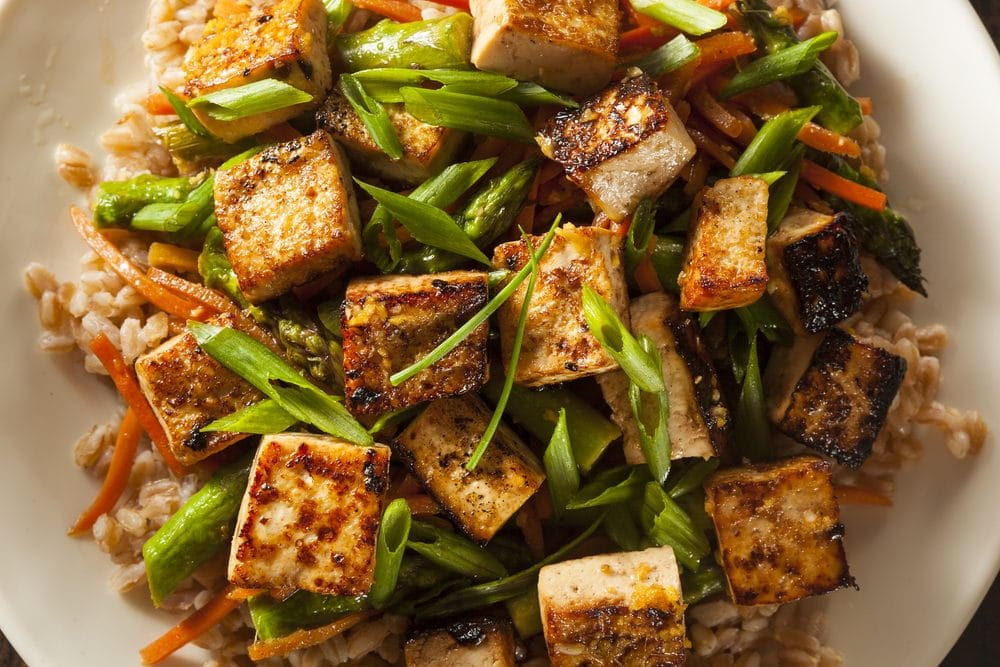
Tofu, made from soybeans, provides 10 grams of complete protein per 100 grams and contains isoflavones that may have additional health benefits.
Scientific Backing
Soy protein has been shown to support muscle protein synthesis comparably to animal sources when total protein intake is adequate. A study in the Journal of Applied Physiology reported that soy protein supplementation was effective in increasing lean body mass over 12 weeks of resistance training (Hartman et al., 2007).
10. Quinoa
Why It’s Essential for Muscle Growth
Quinoa is a rare plant-based complete protein, offering 8 grams of protein per cooked cup (185 grams), along with all nine essential amino acids and a good dose of magnesium.
Scientific Backing
Quinoa’s protein quality and digestibility score are higher than most grains. A study published in Food Chemistry rated quinoa’s amino acid composition comparable to casein, making it an ideal addition to vegetarian muscle-building diets (Tang et al., 2015). It also contains saponins and antioxidants, which may aid in recovery and inflammation control.
Key Considerations for Muscle Growth
To maximize muscle growth, total daily protein intake should range from 1.6 to 2.2 grams per kilogram of body weight, distributed evenly across meals (Morton et al., 2018).
Equally critical is the timing of protein ingestion—post-workout and pre-sleep being strategic windows. Including a variety of high-quality protein sources ensures all essential amino acids are consumed, supporting both MPS and long-term lean mass accrual.