What are the top 5 foods that prevent you from building muscle? Here is a list and explanation of why you should steer away from them if you want to make your time in the gym to not go to waste.
Setting out on a muscle-building journey has really got to testify to one’s seriousness and commitment toward physical health and strength. Amidst the pursuit, most people are lured by the quick fix and dietary shortcuts, thinking that will be a shortcut to their progress. Indeed, the truth is quite different: basically, these are just the short-cuts that lead to dead-ends, wherein the muscular gains that are looked at remain elusive. The desperation to see results, which are of a tangible nature, can easily cloud judgment and render one prone to resorting to options that do give promises of fast outcomes but in the end actually sabotage the very goal one seeks to achieve.
Protein, the building block of muscle, sits at the heart of this quest. Valued with paramount importance in the synthesis of muscle, this is highly regarded in guiding people to pursue a protein-rich diet as a staple. Yet, irony be damned, in the pursuit of protein, more often than not, gets undermined a very critical aspect of it: its quality. However, not all sources of protein are equal.
The ability of the body to use proteins for the repair and building of muscles is very different from different food sources. This becomes the key difference in protein quality that can make all the difference between failure and success for someone taking efforts to build muscles. This is not just about taking enough protein, but more significantly, the quality of protein that the body can only efficiently utilize for repair, growth, and strengthening.

Read This Too: 15 Foods to Speed Up Muscle Growth
Furthermore, the quality of food consumed extends beyond protein. A comprehensive diet, in this case, the nutritional profile, is key to the support of one’s muscle-building activities. Ingestion of highly nutrient foods will not only be supportive for general health but also for the process of recovery, yielding the energy needed for hard training. Low-nutrient-value foods, on the other hand, could be those that promote inflammation, poor recovery, and suboptimal health in such a way that muscle growth is impaired. So, the journey toward muscle gain is made as much by choosing the right food as it is avoiding the wrong one. Holistic covers, first of all, the quality of nutrients and a balanced diet, but also the content of consciousness of the fact that food is fuel for a complex mechanism of our body.
The information in this article was largely based on the knowledge from Thomas DeLauer and what he said in a recent video. Thomas DeLauer is a celebrity trainer and health author. His YouTube Channel has more than 3.5 million subscribers and he has been on the cover of numerous international magazines.
So let’s check out what are the top 5 foods that prevent you from building muscle according to Thomas DeLauer.
Top 5 Foods That Prevent You From Building Muscle
1. Fast Food
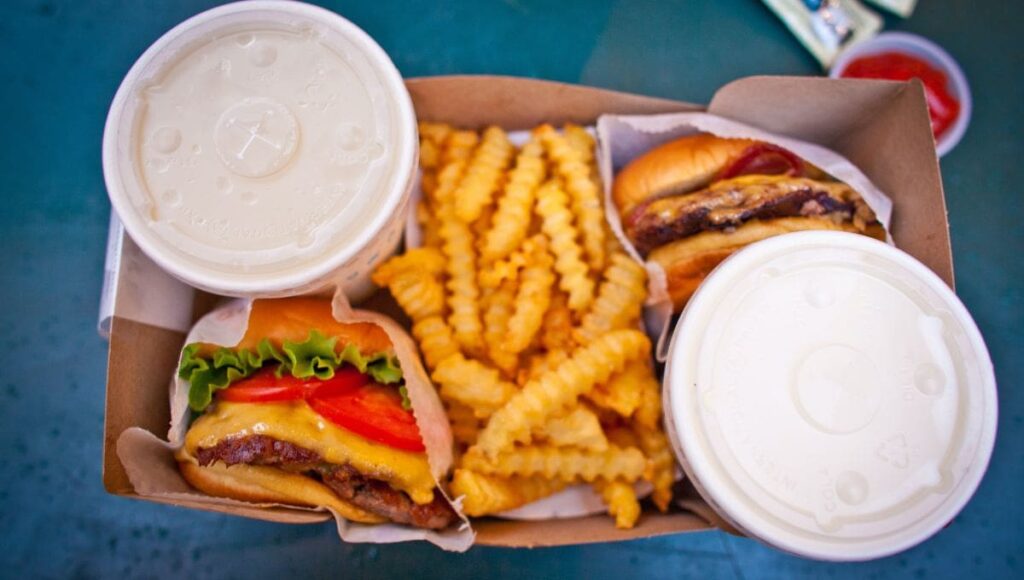
Delving deeper into the realm of fast food reveals a landscape fraught with nutritional pitfalls, particularly for those on a muscle-building mission. Fast food, often perceived as a convenient source of protein, is a deceptive ally in the quest for muscle mass. Its allure lies in its accessibility and the immediate gratification it offers, but this convenience masks the underlying nutritional deficiencies and potential setbacks it harbours for those striving to sculpt their physiques.
The protein found in fast food is frequently of inferior quality, blended with fillers and additives that dilute its effectiveness. The notion that one can simply consume a fast-food burger and receive the same muscle-building benefits as from a lean, well-prepared piece of chicken or fish is fundamentally flawed. The body’s ability to synthesise muscle is intricately tied to the quality of protein ingested. Fast food’s protein, often laden with soy additives and extenders, falls short of providing the requisite amino acids in optimal ratios for muscle repair and growth.
Also, the caloric density and trans fat content of fast food present additional hurdles. Consuming such meals can lead to an excessive intake of empty calories and unhealthy fats, promoting fat accumulation rather than lean muscle gain. This not only contradicts the goal of muscle building but also introduces long-term health risks. Trans fats, in particular, are notorious for their inflammatory effects on the body, which can hinder recovery and muscle growth. Inflammation is a known antagonist in the muscle repair process, impairing the body’s ability to rebuild and strengthen muscle fibres post-exercise.
Thomas DeLauer, a respected voice in the fitness and nutrition community, encapsulates the dilemma of fast food in muscle building: “Opting for fast food post-workout, or as a regular part of your diet, is a major misstep if you’re aiming for muscle growth. It’s not just about the subpar protein quality; it’s the overall nutritional profile that’s at odds with the physiological demands of building muscle.” This perspective underlines the necessity of viewing food not just as fuel, but as the building blocks and support system for the body’s muscular architecture. The decision to choose fast food over more nutritious options can be a significant barrier to achieving the desired muscular physique, underscoring the need for mindful dietary choices in the muscle-building journey.
Read More: 8 Best Supplements to Build Muscle
2. Alcohol
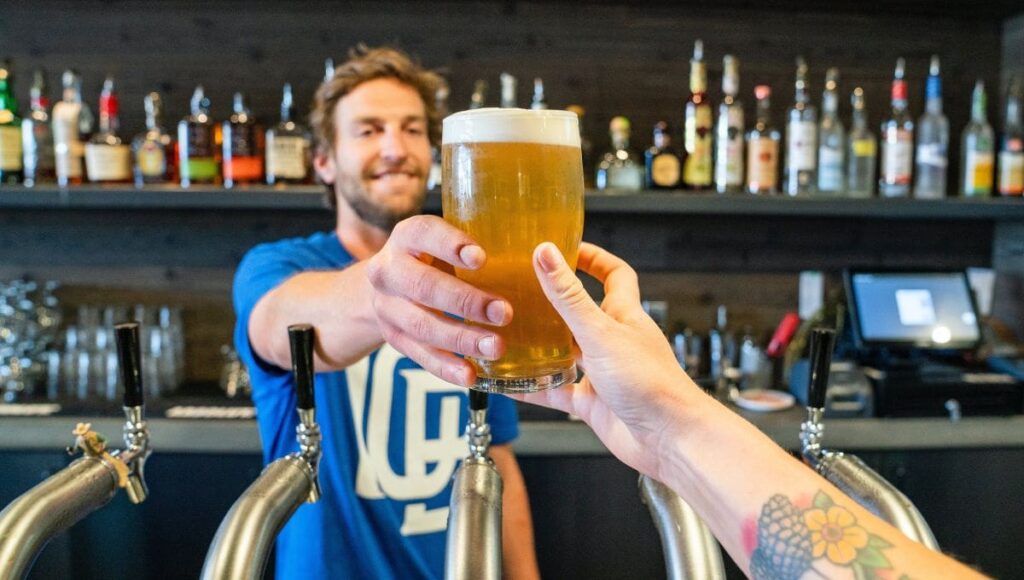
The consumption of alcohol stands as a stark adversary in the quest for muscle growth. Its reputation as a social lubricant or a means to unwind belies its detrimental effects on the body, particularly when the goal is to enhance muscle mass and strength. Alcohol’s influence permeates various aspects of physiology that are crucial for muscle development, serving as a potent inhibitor to the gains one might otherwise achieve through diligent training and nutrition.
At the core of alcohol’s adverse impact on muscle growth is its interference with recovery processes. Muscle building is not solely about the exercises performed in the gym; it’s equally about how the body repairs and grows stronger during periods of rest. Alcohol consumption, especially in the post-exercise window, can significantly impair the body’s repair mechanisms. It introduces a toxic environment that muscles must contend with, diverting resources away from the process of muscle repair and growth.
Sleep, a vital component of the recovery process, is notably disrupted by alcohol intake. The consumption of alcoholic beverages can lead to fragmented sleep patterns, reducing the quality and duration of deep sleep. This disruption is detrimental to muscle growth, as deep sleep is when the body releases growth hormone, facilitating muscle repair and growth. The interference with sleep cycles thus directly impacts the body’s ability to synthesize new muscle tissue effectively.
Alcohol’s impact on hormone levels, particularly testosterone, is another avenue through which it hampers muscle growth. Testosterone is a critical hormone for muscle synthesis, and its reduction due to alcohol consumption can lead to decreased muscle mass and strength. The study mentioned earlier highlights a disturbing trend: even moderate alcohol intake can lead to a significant decrease in testosterone levels, aligning the testosterone profiles of healthy individuals with those of chronic alcoholics within a mere 30 days.
Thomas DeLauer articulates the severity of alcohol’s impact, stating, “When it comes to building muscle, alcohol is your adversary. Its ability to disrupt sleep, lower testosterone, and impair recovery should make anyone serious about muscle growth think twice before indulging.” This perspective sheds light on the multi-faceted ways in which alcohol can undermine muscle-building efforts, reinforcing the notion that its consumption is at odds with the objectives of enhancing muscle mass and strength. The path to optimal muscle growth requires not only dedication in the gym and precision in nutrition but also the wisdom to avoid substances like alcohol that can significantly derail progress.
7 Foods That Cause Inflammation – Keep Away From These
3. Protein Bars
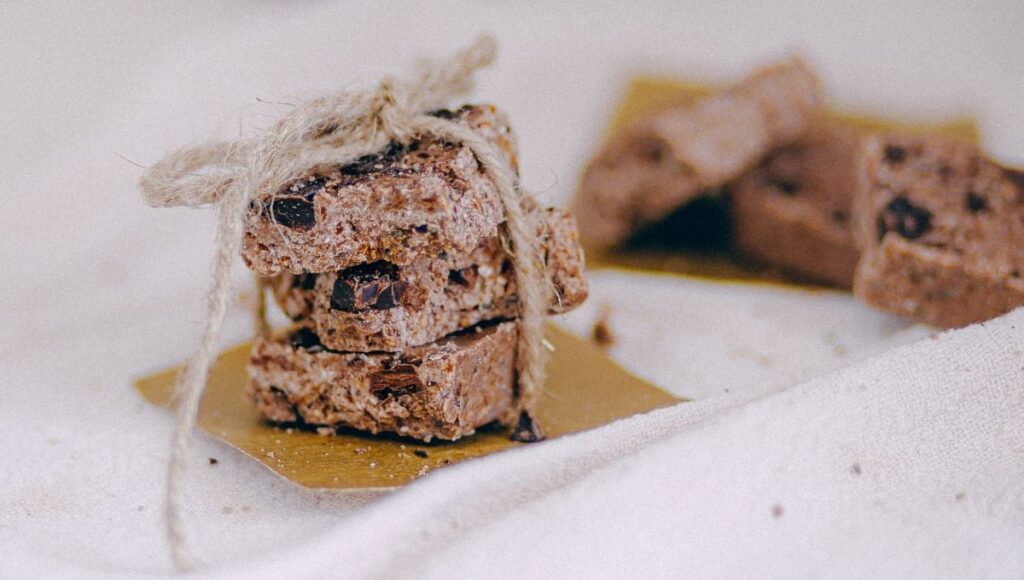
Protein bars are often marketed as the quintessential snack for muscle-building, offering convenience and a protein-packed punch in a small, easy-to-consume package. However, the reliance on protein bars as a primary source of protein for muscle growth is a misguided strategy that can lead to suboptimal results. The lure of these bars is undeniable; they’re portable, require no preparation, and are touted as a healthy alternative to traditional snacks. But a deeper inspection of their contents and their impact on muscle synthesis reveals a different story.
The protein quality in many of these bars is a primary concern. While the packaging may boast high protein content, the source and composition of this protein are critical. Many protein bars use inferior protein sources, such as soy protein isolate or milk protein isolate, which do not provide the same muscle-building benefits as higher quality proteins like whey or casein. The bioavailability of the protein, which influences how well our bodies can use it for muscle repair and growth, is significantly lower in these inferior sources.
Related: How To Save Money and Make Your Own Delicious Protein Bars At Home
Additionally, protein bars often come laden with added sugars, unhealthy fats, and a plethora of preservatives and artificial ingredients. These additives can contribute to inflammation and other health issues, which are counterproductive when trying to build muscle. The metabolic stress caused by these ingredients can detract from the body’s ability to focus on muscle repair and growth, essentially negating the benefits one might expect from the protein content.
The caloric density of protein bars is another aspect to consider. While they may provide a quick energy boost, the high calorie and sugar content can lead to unwanted fat gain if not accounted for within the context of one’s overall diet. This is particularly problematic for those aiming to build lean muscle without accumulating excess body fat.
Thomas DeLauer comments on this issue, stating, “Relying on protein bars for muscle growth is a shortcut that sells your efforts short. Not only are you potentially consuming lower-quality protein, but you’re also ingesting a cocktail of sugars and preservatives that could hinder your progress.” This perspective highlights the importance of choosing whole, nutrient-dense food sources over processed alternatives. For those committed to building muscle, focusing on high-quality protein sources and balanced nutrition offers a more effective and healthful path to achieving their goals, rather than falling for the convenience of protein bars.
Do This to Make ANY Diet Healthier
4. Reduced Fat Peanut Butter
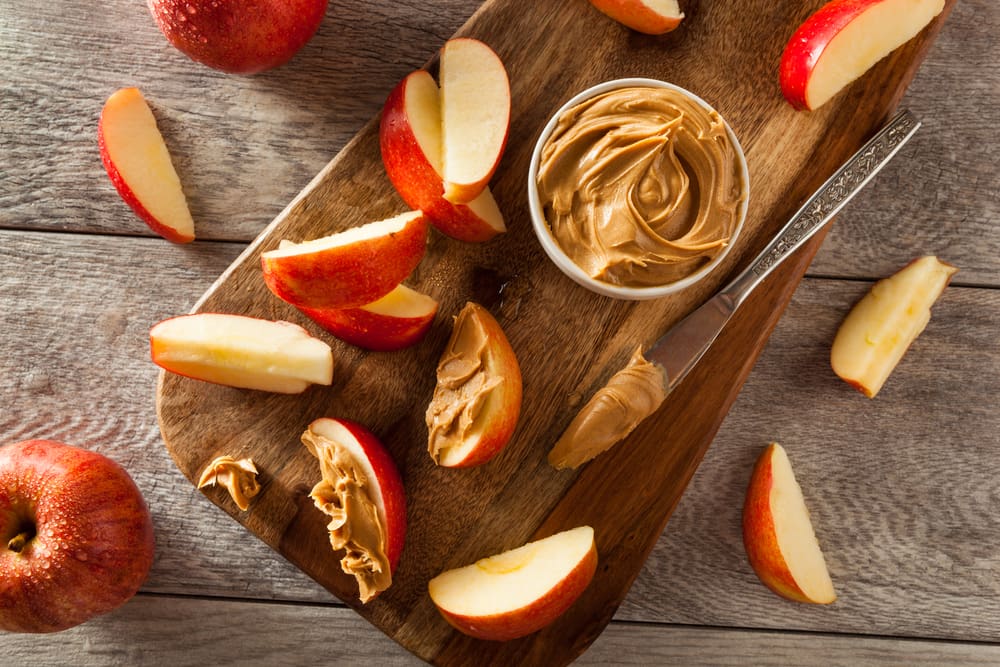
The emergence of reduced-fat peanut butter on the shelves has been marked with considerable enthusiasm from individuals aiming to cut down on their fat intake while still enjoying this beloved spread. However, for those focused on building muscle, opting for reduced-fat peanut butter might not be the wisest choice. This variant, while lower in fat, often compensates for the reduction by increasing sugar content, thereby distorting the nutritional balance that is crucial for optimal muscle growth.
Peanut butter, in its traditional form, offers a blend of protein, healthy fats, and a range of vitamins and minerals. The fats present in full-fat peanut butter are not just caloric fillers; they play a vital role in hormone production, including testosterone, which is pivotal for muscle synthesis. By stripping away these fats, reduced-fat peanut butter deprives the consumer of these essential benefits. Plus, the addition of sugars and various fillers to enhance taste and texture further diminishes its nutritional value, making it less than ideal for muscle building.
Read Also: 5 Underrated Eating Habits to Kill Fat for Good
The protein content in peanut butter, while noteworthy, is not sufficient on its own to drive muscle growth. Peanut butter’s protein is incomplete, lacking in certain essential amino acids necessary for muscle protein synthesis. Therefore, relying on reduced-fat peanut butter for protein is doubly ineffective: the protein is not only incomplete but also comes packaged with undesirable additives.
Thomas DeLauer emphasizes the pitfalls of this choice, stating, “Choosing reduced-fat peanut butter in an attempt to build muscle is counterproductive. You’re not only getting less of the beneficial fats needed for hormonal balance but also inadvertently increasing your intake of added sugars, which can impede your muscle-building progress.” This insight underlines the importance of considering the overall nutritional profile of foods, beyond just their macronutrient content, in the context of muscle growth. Opting for natural, full-fat nut butters provides a more balanced array of nutrients, supporting broader health and fitness goals while aligning better with muscle-building objectives.
5. Excessive Caffeine

The role of caffeine in the modern fitness and muscle-building narrative is multifaceted, often hailed for its ability to enhance focus and performance. However, when consumed in excess, especially in the context of building muscle, caffeine can have counterproductive effects. The allure of caffeine, particularly through pre-workout supplements or numerous cups of coffee, stems from its immediate and tangible impact on alertness and energy levels. Yet, this immediate boost comes at a cost, particularly when it disrupts the fundamental pillars of muscle growth: recovery and sleep.
Caffeine’s half-life, which can extend several hours post-consumption, means its stimulating effects linger long into the evening, potentially disturbing sleep patterns. Quality sleep is not just a passive state of rest but an active phase of recovery and growth, where vital processes in muscle repair and hormone regulation occur. Interference with sleep, especially the deep, restorative stages, can significantly hinder the body’s ability to synthesize muscle effectively.
Also, reliance on caffeine can mask the body’s natural signals of fatigue and recovery needs. Training in a state of artificial stimulation can lead to overexertion or ignoring cues that the body needs rest, increasing the risk of injury and compromising the recovery process. Muscle growth is an outcome of the delicate balance between stress and recovery, and skewing this balance towards excessive stress without adequate recovery can stall progress.
Read More: Top Foods that Bloat Your Stomach and Face
Thomas DeLauer addresses the implications of excessive caffeine consumption for those pursuing muscle growth, stating, “While a moderate amount of caffeine can be a useful tool in your fitness arsenal, dependence on it, especially later in the day, can undermine the very foundation of muscle building – recovery and sleep. It’s crucial to listen to your body’s intrinsic signals rather than masking them with stimulants.” This perspective highlights the importance of moderation and awareness of caffeine’s impact on the body, advocating for a balanced approach that prioritizes long-term health and muscle-building objectives over short-term gains in alertness and performance.
Understanding the profound impact of our dietary choices on muscle growth empowers us to make informed decisions that align with our fitness goals. By avoiding these five dietary pitfalls, we pave the way for more effective muscle growth, ensuring that our efforts in the gym are matched by our nutrition strategies. Always remember, building muscle is not just about what you do in the gym, but also about how you nourish your body outside of it.
Watch the video below for all the information you need from Thomas DeLauer about the top 5 foods that prevent you from building muscle.
Read More: 5 “Healthy Foods” Filled with Sugar You Should Avoid