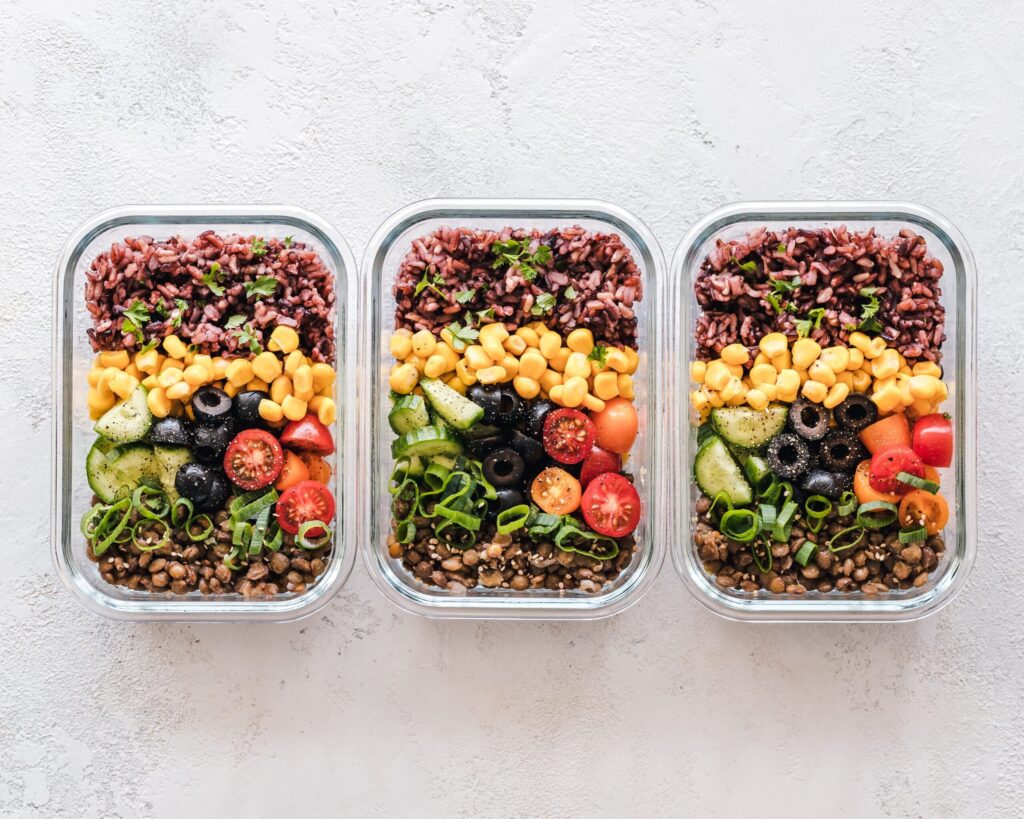
The Ornish Diet is more of a lifestyle than a limited-time diet as it is based in the principle of life-long discipline. Initially created as a way to reverse heart disease, it has gained popularity due to its other health benefits. Take a look at the paragraphs below to see what exactly is the Ornish Diet, what are the benefits, and negative sides, and what it looks like.
What Is the Ornish Diet?
The Ornish Diet is a plant-based, low-fat diet that Dr. Dean Ornish came up with back in the late ’70s. The diet was initially designed as part of a lifestyle program aiming to reverse heart disease, however, it offers broader health benefits, including weight loss, diabetes management, and cancer prevention.

The Ornish Diet mainly consists of whole foods and plants. It emphasizes the consumption of fruits, vegetables, whole grains, and legumes while minimizing the intake of fats, especially saturated fats, cholesterol, and refined carbohydrates.
However, the diet also allows for the consumption of non-fat dairy products and egg whites, in moderation, while meat, poultry, fish, and oils, are not recommended.
One of the Ornish Diet specificities is its categorization of foods into five groups, from “most healthful” to “least healthful.” The “most healthful” group includes fruits, vegetables, whole grains, and legumes, which are to be consumed in abundance.
The “least healthful” group includes foods that should be eaten rarely or not at all. This group includes red meat, oils, and processed foods high in sugar and fat.
Plus, you’ve got to keep active, chill out with some yoga or meditation, and don’t forget to hang out with friends because all of that really makes the diet work its magic.
The Ornish Diet is not just about what you eat but also how you live, aiming to improve both physical and emotional well-being.
You know, the goals of the Ornish Diet are pretty layered. One aspect is to reverse chronic diseases, particularly heart disease, by improving cardiovascular health through diet and lifestyle changes.
It also aims to improve overall wellness, enhance quality of life, and extend longevity. If you’re looking to lose weight, the Ornish Diet can be effective due to its focus on nutrient-dense, low-calorie foods that are naturally filling, so you’ll lose weight without the need for strict portion control.
Benefits of the Ornish Diet
Holistic Approach: The Ornish Diet represents a comprehensive approach to health and wellness, with a strong emphasis on plant-based, low-fat eating. It is particularly beneficial for individuals with heart disease or those at risk of developing cardiovascular conditions, as well as those seeking weight loss and overall improved health.

Reverse Heart Disease: One of the most notable benefits of the Ornish Diet is its ability to reverse heart disease, which is its primary goal. In addition to its cardiovascular benefits, the Ornish Diet is very effective for weight loss, although this is not its primary goal.
Easy Calorie Intake Reduction: Because the diet is low in fat and high in fiber, it can naturally lead to a reduction in calorie intake, which can help reduce hunger and prevent overeating. This makes the diet particularly suitable for those looking to lose weight in a healthy, sustainable way without too much restriction.
Diabetes Prevention and Management: The Ornish Diet is also beneficial for managing and preventing type 2 diabetes by providing a steady release of glucose into the bloodstream.
Cancer Risk Reduction: The Ornish Diet may also reduce the risk of certain types of cancer. Diets high in fruits, vegetables, and whole grains are rich in antioxidants and phytochemicals, which help protect cells from damage and reduce inflammation.
Mental Health Support: The diet’s emphasis on whole, unprocessed foods provides essential nutrients that support all aspects of health, including mental health. Also, the stress management techniques this diet promotes have been shown to reduce anxiety and depression.
Cons of the Ornish Diet
While the diet has been shown to reverse heart disease and offer numerous other health benefits, it is also highly restrictive, which can pose challenges for long-term adherence.
One of the primary concerns is the diet’s strict limitation on fats, including healthy fats found in nuts, seeds, and avocados.
Fat Restriction: By severely restricting fat intake, there is a risk of deficiencies in fat soluble vitamins and essential fatty acids, which are important for brain health, hormone production, and overall cellular function.
The diet’s exclusion of healthy fats and the need for careful planning may not be suitable for everyone, particularly those with higher energy or protein needs.
Inflexible: Many people find it challenging to eliminate all meat, poultry, fish, oils, and processed foods from their diet, so over time it might become difficult to sustain it. The poor flexibility in the diet may lead to feelings of deprivation, which can result in frustration or a lack of motivation to continue and cause the infamous yo-yo effect.
Not For Everybody: Like any major lifestyle change, the Ornish Diet may not be suitable for everyone, particularly those with higher caloric or fat needs. Those who are very physically active may need more healthy fats and protein to support muscle function and recovery.
Lack of Protein: The Ornish Diet may not provide adequate protein, which is also a major concern. While the diet includes plant-based protein sources like legumes, soy, and whole grains, these may not always be sufficient for everyone, particularly those with higher protein needs due to age, activity level, or certain health conditions.
Time-Consuming: Another potential drawback of the Ornish Diet is the time and effort required to follow it. Preparing meals from scratch using whole, unprocessed ingredients can be time-consuming, which may be a barrier for people with busy lifestyles. However, with the increased popularization and availability of cooked food delivery services, the time issue can be resolved, though the financial issue could arise.
Ornish Diet Plan Examples
The Ornish Diet is highly structured, with a focus on whole, plant-based foods. Below is a sample 1-week diet plan that aligns with the principles of the Ornish Diet.
Day 1: Monday
- Breakfast: Oatmeal cooked with water, topped with fresh berries, a sprinkle of cinnamon, and a splash of non-fat milk
- Lunch: Whole grain wrap filled with hummus, mixed vegetables, and a side of fresh fruit (such as an apple or a handful of grapes)
- Dinner: Lentil soup made with carrots, celery, onions, and tomatoes, served with a large mixed green salad (dressed with lemon juice and balsamic vinegar) and a whole-grain roll
Day 2: Tuesday
- Breakfast: Whole grain toast topped with mashed half avocado and sliced tomatoes, with a side of fresh fruit
- Lunch: Quinoa salad mixed with black beans, corn, diced tomatoes, and a squeeze of lime juice, served with a side of steamed broccoli
- Dinner: Stir-fried tofu with mixed vegetables over brown rice, seasoned with low-sodium soy sauce and ginger

Day 3: Wednesday
- Breakfast: Smoothie made with non-fat yogurt, fresh spinach, a banana, and a tablespoon of ground flaxseeds
- Lunch: Vegetable minestrone soup made with tomatoes, zucchini, carrots, and kidney beans, served with a side of whole-grain crackers
- Dinner: Baked sweet potato topped with black beans, salsa, and steamed broccoli, served with a side of mixed greens
Day 4: Thursday
- Breakfast: Non-fat yogurt mixed with fresh berries and a sprinkle of granola (made with whole oats and no added sugar)
- Lunch: Chickpea salad sandwich on whole grain bread, made with mashed chickpeas, diced celery, and a squeeze of lemon juice, served with a side of carrot sticks
- Dinner: Whole wheat pasta with marinara sauce, sautéed spinach, and a side salad dressed with balsamic vinegar and a sprinkle of nutritional yeast
Day 5: Friday
- Breakfast: Non-fat cottage cheese topped with sliced peaches and a sprinkle of cinnamon
- Lunch: Mixed greens salad with roasted vegetables (such as beets, carrots, and Brussels sprouts), chickpeas, and a balsamic vinaigrette dressing
- Dinner: Grilled portobello mushrooms marinated in balsamic vinegar, served with quinoa and steamed asparagus, and a side of roasted red peppers
Day 6: Saturday
- Breakfast: Whole grain pancakes made with oat flour, topped with fresh fruit (such as sliced strawberries or blueberries) and a drizzle of honey
- Lunch: Barley and vegetable stew made with carrots, celery, onions, and tomatoes, served with a slice of whole grain bread
- Dinner: Stuffed bell peppers filled with a mixture of brown rice, black beans, diced tomatoes, and corn, baked until tender and served with a side of sautéed kale
Day 7: Sunday
- Breakfast: Whole grain cereal (such as shredded wheat) with non-fat milk and sliced bananas, with a side of fresh berries
- Lunch: Large salad made with mixed greens, roasted chickpeas, cherry tomatoes, cucumbers, and a lemon-tahini dressing, served with a side of whole-grain pita
- Dinner: Grilled vegetable kebabs made with zucchini, bell peppers, onions, and cherry tomatoes, served over couscous with a side of steamed kale and a lemon wedge for squeezing