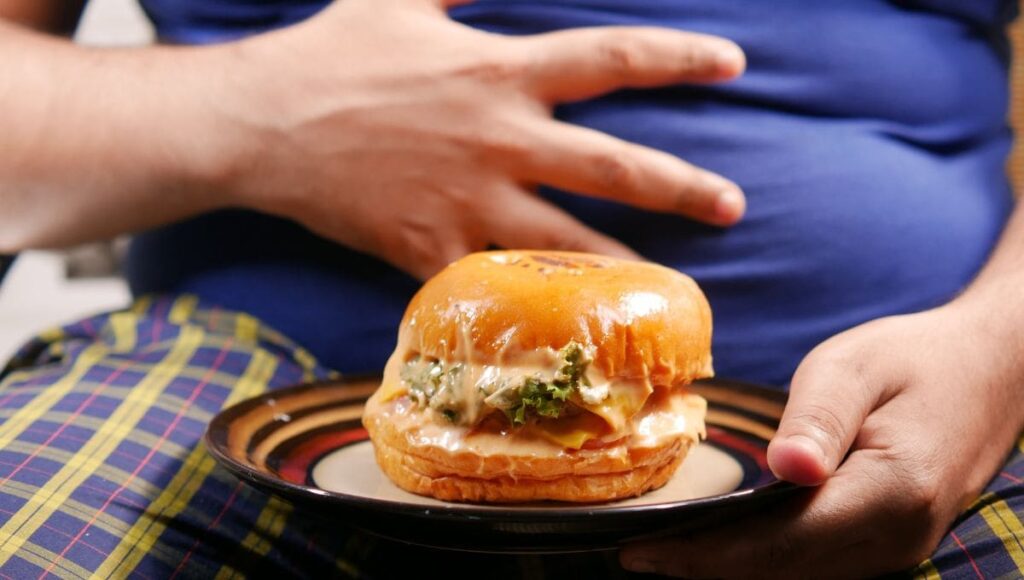
When it comes to reducing belly fat, the conversation often revolves around diet and exercise. While these methods are effective, there are many surprising and unconventional ways to shed belly fat that go beyond the typical advice of cutting calories or doing ab workouts. This article dives into lesser-known strategies backed by science to help you lose belly fat in unexpected ways.
Is Targeting Belly Fat Actually Possible Now? (New Study)
Why Is Belly Fat a Problem?
Belly fat, also known as visceral fat, isn’t just about appearance; it can pose serious health risks. Visceral fat wraps around your organs, increasing the risk of cardiovascular diseases, type 2 diabetes, and even certain cancers. A high concentration of belly fat has also been linked to insulin resistance, systemic inflammation, and metabolic syndrome.

Given these risks, reducing belly fat isn’t just about aesthetics but also protecting long-term health.
The Science of Belly Fat
Before exploring the unpredictable ways to lose belly fat, it’s essential to understand the biology behind it. Your body stores fat for energy, but not all fat is the same. There are two main types: subcutaneous fat (the fat under the skin) and visceral fat (fat stored within the abdominal cavity).
Visceral fat is metabolically active, meaning it releases hormones and inflammatory substances that can disrupt normal bodily functions. It’s highly responsive to cortisol, the stress hormone, and less responsive to insulin, contributing to higher blood sugar levels and increased fat storage.
Therefore, the methods to reduce belly fat often need to address stress, hormone regulation, inflammation, and metabolism—not just calorie consumption.
Unpredictable Ways to Lose Belly Fat
1. Get Enough Sleep and Improve Sleep Quality
One of the most overlooked factors contributing to belly fat is poor sleep. Multiple studies have demonstrated the relationship between sleep duration, quality, and fat accumulation around the midsection. A study published in the journal Sleep found that people who sleep less than six hours a night are more likely to gain weight, especially around the belly area, compared to those who sleep seven to eight hours.
Sleep deprivation affects the balance of hunger hormones like ghrelin and leptin, increasing appetite and cravings for high-calorie foods. In addition, sleep deprivation elevates cortisol levels, which are directly linked to the accumulation of belly fat.
To improve sleep:
- Establish a consistent bedtime routine.
- Limit exposure to blue light (e.g., from smartphones) before bedtime.
- Avoid caffeine and heavy meals late in the day.
By focusing on sleep quality, you might find your waistline shrinking without much effort.
Read This Also: The Ultimate Guide to the Highest Calorie-Burning Exercises
2. Manage Stress With Mindfulness and Meditation
Stress plays a critical role in weight gain, particularly in the belly region. Chronic stress triggers the release of cortisol, which encourages fat storage, particularly around the abdomen. An unpredictable yet effective way to combat this is through mindfulness and meditation practices. These activities have been shown to lower cortisol levels and improve overall metabolic health.

A study published in Psychoneuroendocrinology showed that people who practised mindfulness experienced lower cortisol levels and decreased belly fat over time. Mindfulness-based practices like yoga, deep breathing, or guided meditation reduce stress and help you tune into your body’s hunger and fullness cues, leading to better eating behaviours and less stress-eating.
3. Drink Green Tea Regularly
Green tea has been touted as a health elixir for centuries, but its role in reducing belly fat is less commonly discussed. The active compounds in green tea, specifically catechins, are believed to stimulate fat burning. A study in The Journal of Nutrition found that participants who consumed green tea daily had a significant reduction in abdominal fat compared to a control group.
Green tea increases the rate of metabolism and encourages the body to burn more fat. To see results, aim to drink 2–3 cups of green tea per day. It’s a simple yet effective way to target stubborn belly fat.
4. Take Cold Showers or Cold Exposure Therapy
Cold exposure is an unconventional but scientifically supported method of losing belly fat. Brown adipose tissue (brown fat) is a type of fat that burns calories to generate heat. Cold exposure, such as taking cold showers or spending time in cold environments, stimulates brown fat activity, leading to increased calorie burning and fat loss, especially around the abdominal area.
A study published in The Journal of Clinical Investigation showed that cold exposure could increase brown fat activity, enhancing calorie burn and contributing to fat loss. Start by incorporating short cold showers into your routine, gradually increasing the duration as your body adapts.

5. Eat More Fermented Foods
Gut health plays a crucial role in weight management, particularly belly fat. Fermented foods such as kimchi, sauerkraut, kefir, and yoghurt are rich in probiotics, which help balance the gut microbiome. A healthy gut microbiome can influence the body’s ability to burn fat, reduce inflammation, and improve insulin sensitivity.
A study in the British Journal of Nutrition revealed that participants who consumed probiotic-rich fermented foods had lower levels of belly fat compared to those who did not. Incorporating these foods into your daily diet can improve gut health and help target belly fat.
6. Use a Standing Desk
Sedentary behaviour is a significant contributor to belly fat accumulation. Spending long hours sitting at a desk slows down metabolism, reduces insulin sensitivity, and leads to fat storage around the midsection. Standing desks, or even adjustable desks that allow you to alternate between sitting and standing, can help combat this.
A study published in The European Journal of Preventive Cardiology found that standing for an additional three hours each day could burn more than 144 calories. Over time, this can contribute to fat loss, particularly in the abdominal area.
7. Try Intermittent Fasting
Intermittent fasting (IF) has gained popularity in recent years, but it’s still an underutilised tool for belly fat reduction. This eating pattern involves cycling between periods of eating and fasting. While there are various ways to implement intermittent fasting, such as the 16/8 method or the 5:2 method, studies show it can help target visceral fat.
Research in Obesity Reviews highlighted that intermittent fasting not only helps with weight loss but also reduces the amount of visceral fat, particularly around the belly. Fasting gives your body time to deplete glycogen stores and encourages fat burning for energy.
If you choose to try intermittent fasting, be sure to ease into it and consult with a healthcare professional if you have underlying health conditions.
How to Deal with Hunger During Intermittent Fasting
8. Chew Your Food Slowly
While it might sound trivial, eating slowly can have a significant impact on belly fat reduction. When you chew your food slowly, you give your brain time to register fullness, which can prevent overeating. Additionally, slow eating has been associated with improved digestion and reduced bloating, both of which can make your belly appear flatter.

A study published in The Journal of the Academy of Nutrition and Dietetics found that participants who ate slowly consumed fewer calories and reported feeling fuller than those who ate quickly. This method helps prevent overeating and may reduce calorie intake, ultimately leading to fat loss.
9. Eat More Soluble Fibre
Soluble fibre, found in foods like oats, beans, lentils, and fruits, helps to reduce belly fat by promoting fullness and reducing the absorption of calories from food. It also helps regulate blood sugar levels and reduces insulin resistance, both of which are linked to belly fat accumulation.
A study published in Obesity found that participants who increased their soluble fibre intake by just 10 grams per day saw a significant reduction in visceral fat over five years. Incorporating more fibre-rich foods into your diet can support long-term belly fat loss and overall weight management.
10. Incorporate High-Intensity Interval Training (HIIT)
While traditional cardio exercises like running or cycling can help burn calories, high-intensity interval training (HIIT) has been shown to be more effective at reducing belly fat. HIIT involves short bursts of intense exercise followed by periods of rest. This method not only burns a lot of calories in a short amount of time but also keeps your metabolism elevated for hours after your workout.
A study published in The Journal of Obesity found that HIIT significantly reduced abdominal fat compared to moderate-intensity exercise. Incorporating HIIT into your routine 2–3 times per week can help you lose belly fat more effectively.
11. Reduce Alcohol Intake
Alcohol is often an overlooked factor in belly fat accumulation. Alcohol contains empty calories, and regular consumption can lead to fat storage, especially in the abdominal area. Moreover, alcohol disrupts sleep, increases appetite, and lowers inhibitions, leading to overeating.
A study published in The American Journal of Clinical Nutrition found that reducing alcohol intake led to significant reductions in waist circumference and abdominal fat. If you’re looking to lose belly fat, cutting back on alcohol or eliminating it from your diet entirely can make a significant difference.

12. Practice Deep Breathing Exercises
Deep breathing exercises are an unusual yet effective way to combat belly fat. Deep breathing reduces stress and cortisol levels, which, as previously mentioned, are linked to abdominal fat. Additionally, deep breathing improves oxygen flow to muscles, which can enhance metabolism and promote fat burning.
A study in The International Journal of Yoga found that participants who practised deep breathing exercises experienced reductions in both weight and abdominal fat. Incorporating a few minutes of deep breathing into your daily routine can help manage stress and reduce belly fat over time.
Key Takeaways
Reducing belly fat isn’t just about diet and exercise. These surprising and scientifically backed methods can help you target visceral fat effectively and improve your overall health:
| Key Unpredictable Ways to Lose Belly Fat | Explanation |
|---|---|
| Improve Sleep Quality | Poor sleep increases hunger hormones and stress levels, leading to belly fat. Aim for 7-8 hours of quality sleep each night. |
| Practice Mindfulness and Meditation | Lower stress levels reduce cortisol, which is linked to belly fat. Regular mindfulness and meditation can help reduce visceral fat. |
| Drink Green Tea | Green tea contains catechins that boost metabolism and promote fat burning, particularly in the abdominal region. |
| Cold Showers/Exposure Therapy | Cold exposure activates brown fat, increasing calorie burn and helping reduce belly fat. |
| Eat Fermented Foods | A healthy gut microbiome, supported by fermented foods, improves fat metabolism and reduces inflammation. |
| Use a Standing Desk | Standing more throughout the day can burn additional calories and prevent belly fat accumulation. |
| Try Intermittent Fasting | Intermittent fasting targets visceral fat by encouraging the body to burn stored fat for energy. |
| Chew Food Slowly | Eating slowly helps regulate appetite, reducing calorie intake and preventing overeating. |
| Increase Soluble Fibre Intake | Soluble fibre promotes fullness, regulates blood sugar, and helps reduce visceral fat over time. |
| Incorporate HIIT Workouts | HIIT is more effective than traditional cardio in reducing belly fat, thanks to its intense bursts of exercise. |
| Reduce Alcohol Consumption | Cutting back on alcohol can significantly decrease waist circumference and abdominal fat. |
| Practice Deep Breathing | Deep breathing exercises reduce cortisol levels, helping to lower stress-related belly fat. |