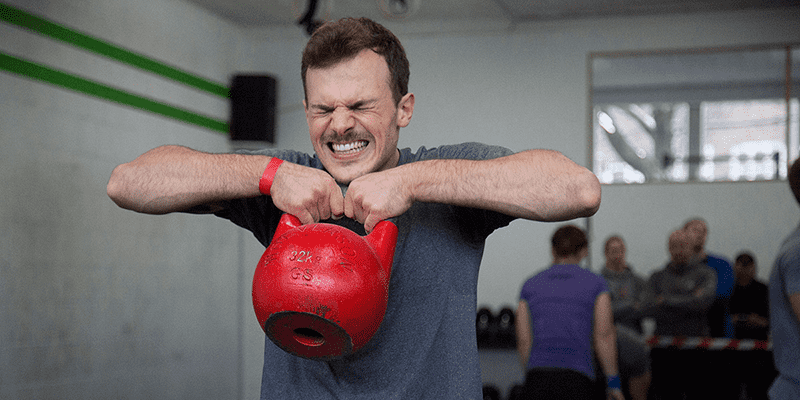
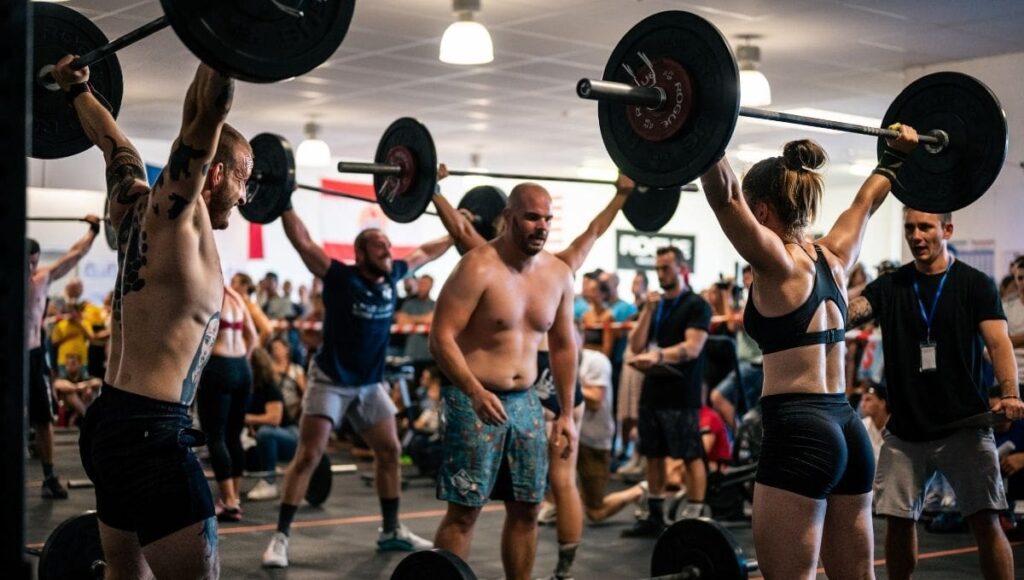
“Training to failure” is one of the most debated concepts in strength training. Some lifters swear by pushing every set until no more reps are possible, while others argue that beginners should avoid going all the way to failure because it may limit long-term progress.
The truth is more nuanced, and science has a lot to say about when, how, and for whom failure training makes sense.
What Does “Training to Failure” Actually Mean?
Training to failure typically refers to volitional failure—the point at which you attempt a rep with proper form and simply cannot complete it. It is not the same as technical breakdown or intentional stopping due to discomfort.
Researchers distinguish between:
- Momentary muscular failure: You attempt a rep and cannot complete it through full range of motion.
- Repetition maximum (RM) training: Performing the exact number of reps that lead to failure (e.g., a 10RM set where rep 10 is the final possible rep).
- Non-failure training: Stopping one or more reps short of failure, often expressed as “reps in reserve” (RIR).
This distinction matters because training stress, fatigue, and hypertrophy may differ depending on how close you get to failure.
What Happens Inside the Body When You Train to Failure?
Motor Unit Recruitment
A key reason failure training is thought to build muscle is because it forces the body to recruit high-threshold motor units. Classic research by Henneman and subsequent studies show that as you approach fatigue, the nervous system engages larger, fast-twitch muscle fibers that have high growth potential.
However, modern evidence shows you don’t necessarily need to reach absolute failure to achieve full motor unit recruitment. Studies using EMG activity demonstrate that sets taken within 1–3 reps of failure are often sufficient to recruit high-threshold fibers, especially when loads are moderate to heavy.
Metabolic Stress and Muscle Hypertrophy
Training to failure produces strong metabolic stress, including lactate accumulation and cell swelling. These factors were once believed to be essential for muscle growth, but more recent research suggests metabolic stress is a contributing factor—not a requirement.
A meta-analysis by Grgic and colleagues found that training to failure provides slightly greater hypertrophy in trained individuals but not consistently in beginners. This suggests metabolic stress may play a bigger role once foundational strength and technique are already established.
Neural Fatigue and Recovery
Failure training also places a heavier burden on the nervous system. High levels of central fatigue can reduce strength output in subsequent sets and increase recovery time. For beginners, who are still learning movement patterns and developing neuromuscular coordination, this can interfere with skill acquisition and overall workload.
What the Science Says About Training to Failure

Evidence on Muscle Hypertrophy
Research consistently shows that training to failure can increase muscle size, but it is not required for hypertrophy. A well-known study by Schoenfeld et al. found no significant difference in hypertrophy between failure and non-failure groups when total training volume was matched.
Another study by Lasevicius et al. showed that low-load training leads to similar hypertrophy whether performed to failure or not—as long as sets are reasonably close to failure. Beginners often respond strongly to even moderate training stress, so they do not need maximal fatigue to stimulate growth.
Evidence on Strength Gains
Strength development is tied closely to technique, neural efficiency, and load management.
Several studies indicate that failure training does not lead to superior strength gains compared to non-failure training when total volume is equal. This is important for beginners, because early strength gains are predominantly neural, meaning high-quality rep execution matters more than absolute fatigue.
Evidence on Injury Risk
Beginners face higher technical inconsistency, and pushing sets to failure increases movement breakdown risk. Although research does not show dramatically higher injury rates in resistance training overall, experts agree that repeated technical breakdown under fatigue is a contributing risk factor, especially in complex lifts such as squats, deadlifts, and presses.
Why Beginners Respond Differently from Advanced Lifters
Beginners have unique physiological and skill-related characteristics that change how they respond to failure training.
1. Beginners Gain Muscle Easily
Novice trainees experience rapid hypertrophy due to their sensitivity to training stimulus. They do not need extreme fatigue to grow. A submaximal stimulus (e.g., leaving 2–3 reps in reserve) is more than enough to drive progress.
2. Technique Degrades Faster Under Fatigue
Because beginners have not yet developed stable motor patterns, fatigue increases the likelihood of losing form. This reduces training quality and may reinforce poor technique.
3. Neural Adaptations Drive Strength Gains Early On
In the first months of training, strength increases largely due to improved neuromuscular coordination—not muscle size. High-fatigue sets can interfere with learning consistent technique.
4. Recovery Capacity Is Lower

Systems involved in recovery—including connective tissues, neuromuscular pathways, and endocrine responses—are not as well-developed in beginners. Training to failure increases recovery demand without providing additional benefit.
Benefits and Drawbacks of Training to Failure for Beginners
Potential Benefits
- Higher perceived effort: Some beginners enjoy pushing hard and feel more motivated.
- Good for isolation work: Safer exercises like biceps curls or machine leg extensions can sometimes be taken to failure with less risk.
- Can help gauge effort: Performing occasional failure sets helps beginners learn what “hard” actually feels like, improving RIR accuracy later.
Drawbacks
- Technique breakdown: Fatigue leads to poor movement patterns.
- Reduced volume quality: Failure sets compromise performance on subsequent sets.
- Greater recovery demand: Beginners may feel overly sore or fatigued, discouraging consistency.
- No added growth advantage: Studies show no hypertrophy benefit for novices.
When Should Beginners Train to Failure?
Use Failure Sparingly
Most research suggests beginners should avoid training to failure on compound lifts, but occasional use in controlled settings is acceptable.
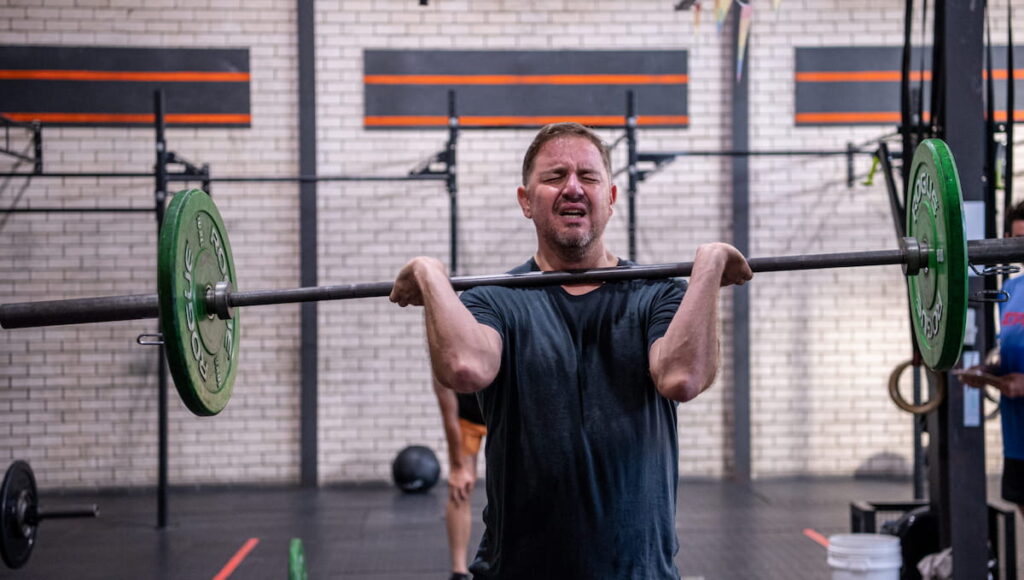
Good scenarios for limited failure training:
- Last set of a machine exercise
- Isolation movements such as curls, triceps pushdowns, or calf raises
- Testing RIR accuracy to improve self-regulation
Avoid Failure on Heavy, Complex Lifts
Beginners should not train to failure on:
- Squats
- Deadlifts
- Bench press
- Overhead press
- Bent-over rows
These movements rely heavily on technical proficiency and stability, which deteriorate under fatigue.
Consider Failure in Low-Load Training Only if Necessary
If a beginner is using light weights (e.g., 30% of 1RM), research shows hypertrophy requires getting close to failure. However, most beginners train with moderate loads, which do not require reaching failure to be effective.
How Close to Failure Should Beginners Train?
The evidence-based recommendation is:
Beginners should stop 2–3 reps short of failure (2–3 RIR) on most sets.
This keeps effort high enough to stimulate growth and strength while preserving technique and recovery.
For some isolation exercises:
1–2 RIR or occasional failure is acceptable.
This approach maximizes long-term progress without unnecessary fatigue.
Sample Beginner-Friendly Training Setup
General Guidelines
- Use moderate loads (60–75% of 1RM).
- Perform 2–4 working sets per exercise.
- Keep RIR between 2–3 for compound lifts.
- Optionally take the final set of an isolation exercise to failure once per week.
Example
Day 1
- Squat: 3×8 (2–3 RIR)
- Romanian deadlift: 3×8 (2–3 RIR)
- Leg press: 2×10 (2 RIR)
- Leg extension: 1×12 to failure (optional)
- Calf raise: 3×12 (1–2 RIR)
Day 2
- Bench press: 3×8 (2–3 RIR)
- Lat pulldown: 3×10 (2 RIR)
- Seated row: 3×10 (2 RIR)
- Chest fly machine: 1×12 to failure (optional)
- Triceps pushdown: 2×12 (1–2 RIR)
This allows exposure to higher-effort sets without overwhelming the system.
Does Training to Failure Improve Mental Toughness?
Some athletes believe failure training builds grit or toughness. While high-effort training can improve confidence, there is no controlled research showing that training to failure specifically improves mental resilience in beginners.
Instead, consistency and gradual overload appear to create long-term adherence and internal motivation. Beginners benefit more from building habits and technique than chasing maximal fatigue.
What About Advanced Lifters—Why Do They Use Failure More?
Many experienced athletes incorporate failure with good results because:
- They have mastered technique.
- They tolerate higher fatigue and recover faster.
- Their rate of hypertrophy slows over time, making maximal efforts more useful.
Meta-analyses show failure may provide a small but meaningful hypertrophy advantage for advanced trainees—but again, only when used strategically.
This distinction highlights that what works for advanced lifters is not always appropriate for beginners.
Practical Guidelines for Beginners
1. Focus on Technique First
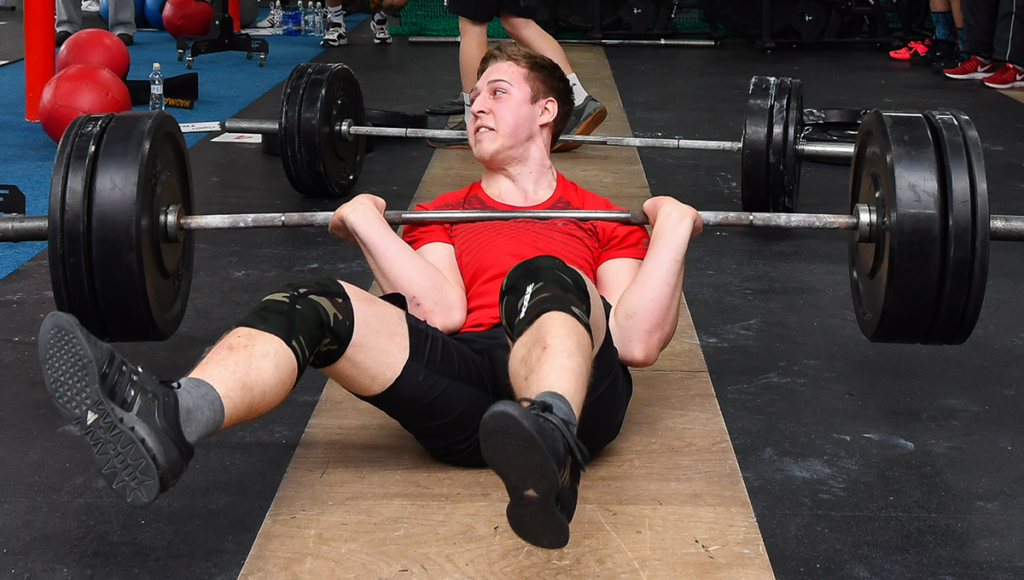
Keep reps smooth and controlled. Stop before your form breaks down.
2. Use RIR as a Tool
Aim for 2–3 RIR on most sets. This keeps you progressing without burnout.
3. Add Failure Selectively
Use failure sparingly on isolation and machine exercises.
4. Prioritize Volume Over Intensity of Effort
A consistent, well-structured program produces more gains than maximal effort.
5. Track Progress
Record reps, weights, and RIR to monitor improvement.
6. Learn Your Limits
Occasional failure sets help you understand what effort feels like, but they should not dominate your training.
Final Answer: Should Beginners Train to Failure?
Based on current scientific evidence, beginners should not train to failure regularly, especially not on compound lifts. Training close to failure is effective, but actual failure offers no additional benefit and carries higher risk for unnecessary fatigue, compromised technique, and slower learning.
Instead, beginners progress fastest by:
- Stopping slightly short of failure
- Focusing on quality reps
- Gradually increasing volume and load
- Using failure sparingly and strategically
Failure training can be a useful tool—but not the foundation—of a beginner’s strength program.
Bibliography
- Grgic, J., Schoenfeld, B.J., Orazem, J. and Sabol, F. (2021) ‘Effects of resistance training to muscular failure versus non-failure on muscular strength and hypertrophy: A systematic review and meta-analysis’, Journal of Sport and Health Science, 10(3), pp. 402–412.
- Henneman, E. (1957) ‘Relation between size of neurons and their susceptibility to discharge’, Science, 126(3287), pp. 1345–1347.
- Lasevicius, T. et al. (2018) ‘Effects of different intensities of resistance training with equated volume load on muscle strength and hypertrophy’, European Journal of Sport Science, 18(6), pp. 772–780.
- Schoenfeld, B.J. et al. (2016) ‘Effects of low- vs. high-load resistance training on muscle strength and hypertrophy in well-trained men’, Journal of Strength and Conditioning Research, 30(12), pp. 3508–3516.
Key Takeaways
| Key Point | What the Evidence Shows | Practical Advice for Beginners |
|---|---|---|
| Training to failure | Not required for hypertrophy or strength | Avoid failure on compound lifts |
| Muscle growth stimulus | Achieved near failure, not only at failure | Train with 2–3 RIR on most sets |
| Technique under fatigue | Degrades easily in beginners | Prioritize form and control |
| Recovery demands | Higher when training to failure | Keep fatigue manageable |
| Appropriate use | Isolation and machine exercises | Use failure sparingly |
| Long-term progress | Driven by consistent overload | Focus on volume, technique, and progression |
About the Author

Robbie Wild Hudson is the Editor-in-Chief of BOXROX. He grew up in the lake district of Northern England, on a steady diet of weightlifting, trail running and wild swimming. Him and his two brothers hold 4x open water swimming world records, including a 142km swim of the River Eden and a couple of whirlpool crossings inside the Arctic Circle.
He currently trains at Falcon 1 CrossFit and the Roger Gracie Academy in Bratislava.