For many fitness enthusiasts, achieving well-defined biceps is a key goal. Not only do strong biceps contribute to a more aesthetically pleasing appearance, but they are also critical for upper body strength.
Biceps play a vital role in both everyday activities and specific sports, assisting in lifting, pulling, and a range of motion exercises. This makes bicep development an essential component of a balanced fitness regimen.
In this article, we’ll focus on three powerful exercises that target the biceps effectively. These exercises are designed to enhance the size and strength of your biceps more efficiently than many other workouts. By concentrating on exercises that directly impact both the long and short head of the bicep muscle, you can achieve quicker and more visible results.
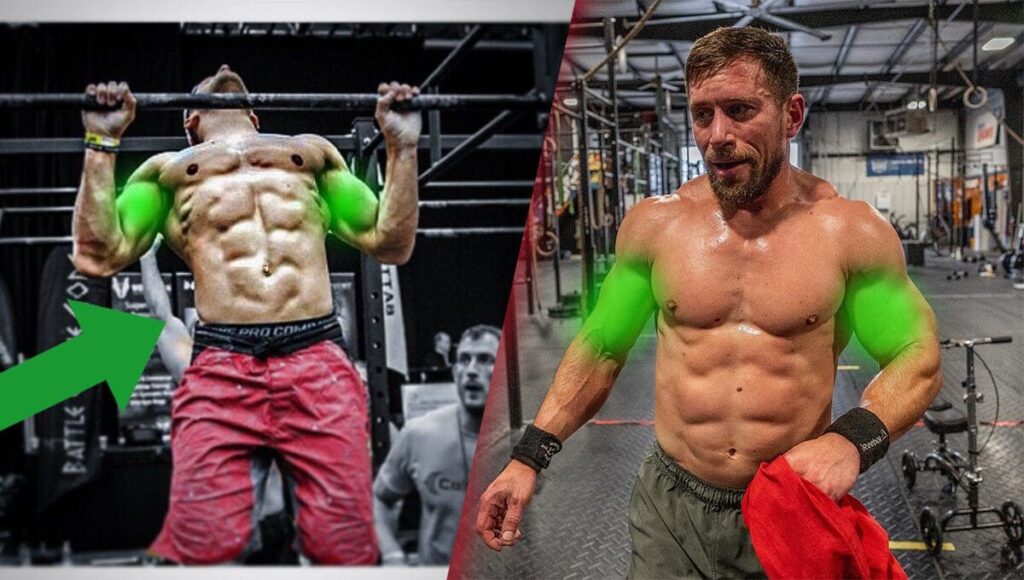
Understanding the mechanics of these exercises will help you perform them correctly, maximizing your gains and minimizing the risk of injury. Let’s dive into the exercises that will help you build bigger biceps faster.
Understanding Bicep Anatomy and Function
The biceps brachii, commonly known as the biceps, is a prominent muscle on the front part of the upper arm between the shoulder and the elbow. This muscle is unique as it consists of two heads: the long head and the short head.
The long head is located on the outside of the arm and contributes to the overall profile and peak of the bicep, while the short head is found on the inside part of the arm, closer to the body.
Both heads originate from different points on the scapula (shoulder blade) and merge into a single muscle belly which attaches to the forearm bones. The primary function of the biceps is to allow flexion at the elbow and rotation of the forearm.
When you curl your arm, bringing your hand closer to your shoulder, or when you rotate your forearm to turn your palm up, you’re actively engaging your biceps.
Beyond these basic movements, the biceps also assist with shoulder elevation. Whenever you lift your arm in front of you, the biceps are involved, although this is more of a secondary role. In everyday life, these functions make it possible to carry out tasks involving lifting, pulling, and holding, making the biceps essential for a multitude of daily activities.
In fitness, strengthening the biceps isn’t just about aesthetic appeal. Strong biceps help improve overall upper body strength, enhance performance in sports that involve throwing or lifting, and are crucial in supporting the joints of the shoulder and elbow.
Properly developed biceps ensure balance and symmetry between the front and back of the upper arm, contributing to better body mechanics and reduced risk of injury. Knowing how the biceps work helps in selecting exercises that effectively target both heads of the muscle, ensuring comprehensive development and functionality.
Exercise 1: Barbell Curl
The barbell curl is a classic bicep exercise, renowned for its effectiveness in building muscle mass and strength in the biceps. This exercise specifically targets the bicep brachii, but it also engages the brachialis and brachioradialis, supporting muscle groups in the arm.
The barbell curl utilizes a barbell to create resistance while the biceps contract to curl the bar towards the chest. This exercise is a staple in strength training due to its simplicity and the direct stress it places on the bicep, promoting growth and strength.
Step-by-Step Guide to Performing Barbell Curls Correctly
- Starting Position: Stand up straight with your feet shoulder-width apart. Hold a barbell with both hands using an underhand grip (palms facing up) that is also shoulder-width apart.
- The Curl: Keeping your elbows close to your torso, exhale as you curl the barbell up towards your chest. Your upper arms should remain stationary throughout the exercise; the movement should only happen at the elbows.
- The Top of the Curl: Once the barbell is at shoulder level, squeeze your biceps hard at the top of the movement for maximum contraction.
- Lowering the Barbell: Inhale as you slowly lower the barbell back to the starting position. Control is key here to ensure that the biceps are being used throughout the motion.
Tips for Maximizing Effectiveness
Grip Width: Adjusting your grip width can target different parts of the biceps. A narrower grip will emphasize the outer part of the biceps, while a wider grip focuses more on the inner part of the biceps.
Elbow Positioning: Ensure your elbows are slightly in front of your body and fixed in position. Moving your elbows forward during the curl can help increase the peak contraction on the biceps.

Mind-Muscle Connection: Focus on the biceps as you perform the curl to ensure they are doing most of the work.
Common Mistakes to Avoid
- Swinging the Barbell: Avoid using momentum to lift the weight. If you find yourself swinging, reduce the weight to maintain proper form.
- Moving the Elbows: Your elbows should not move forward or backward. They should stay in place, acting as hinges.
- Rushing the Reps: Perform each repetition slowly and with control to maximize muscle engagement and effectiveness.
Incorporating barbell curls into your routine will help you develop stronger, more defined biceps as part of a comprehensive upper-body strength program. Remember to start with a manageable weight to maintain form and prevent injury as you progress in your training.
Exercise 2: Hammer Curl
Hammer curls are a variation of the traditional curl that focus more intensively on the brachialis and brachioradialis muscles, along with the long head of the biceps. This exercise is distinct due to its grip and the orientation of the dumbbells, which resemble a hammering motion, hence the name.
How Hammer Curls Differ from Traditional Curls
Unlike the traditional barbell or dumbbell curl where your palms face upwards (supination), in hammer curls, your palms face each other in a neutral grip throughout the movement. This slight adjustment in grip changes the dynamics of the exercise, targeting the muscle groups differently and engaging the forearm muscles more significantly.
Proper Execution
- Starting Position: Stand straight with your feet shoulder-width apart. Hold a pair of dumbbells at your sides with your palms facing towards your body.
- The Curl: Keep your elbows close to your torso. Exhale as you raise the dumbbells towards your shoulders. It’s important to keep the palms facing each other throughout the movement.
- Top of the Movement: Once the dumbbells are at shoulder level, squeeze your biceps and hold the position briefly to maximize the peak contraction.
- Lowering the Dumbbells: Inhale as you slowly lower the dumbbells back to the starting position, maintaining the neutral grip.
Benefits of Including Hammer Curls in Your Routine
Targeting Different Muscle Groups: Hammer curls help in developing the brachialis, an often-overlooked muscle that can really enhance the overall size of the arms. Strengthening the brachialis also supports the bicep muscles, contributing to a thicker and more defined arm.
Forearm Involvement: The neutral grip of the hammer curl significantly involves the forearm muscles. Stronger forearms can improve grip strength, which is beneficial for a variety of sports and physical activities.

Balanced Bicep Development: Incorporating hammer curls ensures a balanced development between the long and short head of the biceps, contributing to better arm symmetry and functional strength.
Common Mistakes to Avoid
- Swinging the Weights: Maintain control and avoid using momentum to lift the weights. Focus on using the arm muscles to perform the curl.
- Elbow Movement: As with other curl variations, keep your elbows pinned at your sides throughout the exercise to ensure that the movement is isolated to the forearms and biceps.
- Lifting Too Heavy: Starting with excessively heavy weights can lead to poor form and reduced effectiveness. Choose a weight that allows for complete control and full range of motion.
Hammer curls are an excellent addition to any arm strengthening routine, providing variety and a comprehensive approach to bicep and forearm development.
By integrating hammer curls, you’re not only enhancing the aesthetics of your arms but also their functional capabilities.
Exercise 3: Chin-up
Chin-ups are a powerful upper-body exercise that not only target the back muscles but are also highly effective for bicep development. This exercise uses your body weight as resistance, making it a practical and challenging workout that can be performed almost anywhere with a pull-up bar.
Why Chin-ups are Effective for Bicep Development
Chin-ups involve pulling your chin up over a bar, which naturally incorporates a significant amount of bicep activation.
The motion places the biceps in a primary role as they work intensely to flex the elbow and lift the body. This direct stimulation, coupled with the ability to handle your full body weight, encourages rapid strength gains and muscle growth in the biceps.
Guide on Proper Chin-up Technique with a Focus on Bicep Engagement
- Grip the Bar: Start by standing underneath a pull-up bar. Grip the bar with your palms facing towards you (supinated grip) and hands about shoulder-width apart. This grip is crucial for maximizing bicep involvement.
- Starting Position: Hang from the bar with your arms fully extended, feet off the ground, and legs slightly bent to stabilize your lower body.
- Perform the Chin-up: Exhale as you pull yourself up by bending your elbows and squeezing your biceps. Continue to lift until your chin is over the bar. Focus on using your biceps to perform the movement rather than relying solely on your back.
- Lower Yourself Down: Inhale as you slowly lower yourself back to the starting position. Control is important here to maximize the time your muscles are under tension.
Variations to Increase Intensity or Focus More on the Biceps
Close Grip Chin-ups: By bringing your hands closer together on the bar, you can increase the emphasis on the biceps, which can lead to even greater bicep activation and development.
Weighted Chin-ups: Once basic chin-ups become less challenging, adding weight with a belt or a vest can significantly increase the intensity, pushing your biceps to work harder and develop further.
Eccentric Chin-ups: Focus on the lowering phase of the chin-up by taking 3-5 seconds to slowly descend. This eccentric loading increases muscle tear and repair, which is beneficial for muscle growth.
Common Mistakes to Avoid
- Using Momentum: Avoid swinging your legs or using hip momentum to reach the bar. This reduces the effectiveness of the exercise on your biceps and can lead to injuries.
- Not Moving Through Full Range of Motion: Failing to extend your arms fully at the bottom or not pulling up high enough reduces the effectiveness of the exercise and limits bicep engagement.
- Rapid Movements: Performing chin-ups too quickly can decrease muscle engagement and lead to less effective workouts. Focus on controlled movements to maximize bicep activation.
Chin-ups are not only effective for building stronger and bigger biceps but also for enhancing overall upper body strength. Incorporating these variations and focusing on proper technique will help you make the most out of this potent exercise.
Incorporating These Exercises into a Workout Routine
Incorporating barbell curls, hammer curls, and chin-ups into your workout routine can significantly enhance bicep strength and size. Here’s how to structure these exercises within a weekly schedule, along with guidance on rest, recovery, and progression.
Weekly Workout Schedule
To optimize bicep growth while ensuring ample recovery, consider the following schedule:
Day 1: Heavy Bicep Focus
- Barbell Curls: 4 sets of 6-8 repetitions
- Chin-ups: 3 sets to failure
- Finish with core or lower body exercises as needed
Day 3: Mixed Upper Body
- Hammer Curls: 3 sets of 8-10 repetitions
- Include other upper body exercises (e.g., chest presses, rows)
- End with flexibility or balance work
Day 5: Light Bicep and Full Body
- Barbell Curls: 3 sets of 12-15 repetitions using lighter weight
- Full-body circuit including lower body, core, and cardio exercises
This schedule provides a balanced approach, alternating focus on the biceps with other muscle groups, allowing for overall development and preventing overtraining.
Importance of Rest and Recovery
Muscle growth occurs during the recovery phase, not while lifting. Hence, rest days are crucial. Ensure you have at least 48 hours of rest between intensive bicep workouts. This gap aids in muscle repair and growth, reducing the risk of injury and fatigue. Incorporate active recovery days focused on light cardio or yoga to maintain circulation and mobility.
Recommendations on Sets, Repetitions, and Progression
Sets and Repetitions: Varying your sets and reps helps stimulate muscle growth through different pathways. Use heavier weights with lower reps (6-8) for strength, and lighter weights with higher reps (12-15) for endurance and muscle definition.
Progression: To continually challenge your muscles, incrementally increase the weight you lift as you grow stronger. Aim for approximately a 5% increase when you can complete the upper end of your rep range comfortably across all sets.
Advanced Techniques: Once basic routines become manageable, introduce advanced techniques like drop sets, supersets, or pyramid sets for increased intensity and stimulation.
Adjusting these variables over time keeps your workouts challenging and engaging, which is essential for ongoing improvement and motivation. By strategically planning your exercises, focusing on recovery, and progressively overloading your muscles, you will see significant gains in both strength and size of your biceps.
Additional Tips for Bicep Growth
To optimize bicep growth, a comprehensive approach that includes proper nutrition, a well-rounded exercise regimen, and injury prevention strategies is essential. Here are additional tips to help you enhance your bicep development effectively.
Importance of Overall Nutrition and Protein Intake
Muscle growth isn’t just about what happens in the gym—it’s also about what happens in the kitchen. Nutrition plays a pivotal role in muscle recovery and growth:
Protein Intake: Protein is the building block of muscle. Aim for at least 1.6 to 2.2 grams of protein per kilogram of body weight daily to support muscle repair and growth. Include high-quality protein sources in your diet such as chicken, fish, beef, eggs, dairy, and legumes.
Balanced Diet: In addition to protein, ensure your diet includes adequate carbohydrates for energy and healthy fats for hormone production. Both are crucial for optimal physical performance and recovery.
Hydration: Staying hydrated is vital for overall health and optimal muscle function. Water helps transport nutrients to your muscles and can improve protein synthesis.
The Role of Other Complementary Exercises and Overall Body Strength
While focusing on the biceps is great for arm development, integrating a variety of exercises that target different muscle groups can enhance overall body strength and aesthetics:
Compound Movements: Incorporate compound exercises like deadlifts, squats, and bench presses. These movements engage multiple muscle groups, including the biceps indirectly, which helps improve overall body strength and muscle balance.
Back Exercises: Strong back muscles support and enhance bicep function. Exercises like rows and pull-ups not only build the back but also involve the biceps, contributing to a more comprehensive upper-body workout.
How to Avoid Common Injuries Associated with Bicep Workouts
Injuries can significantly set back your training progress. Here are some strategies to prevent common injuries during bicep workouts:
Proper Warm-Up: Always start your workout session with a general warm-up (like 5-10 minutes of cardio) followed by dynamic stretches, particularly for your arms and shoulders. This preparation increases blood flow and prepares your muscles and joints for the workout.
Correct Form and Technique: Prioritize form over weight. Lifting too heavy with poor form can lead to strain and injuries. If you’re unsure about your technique, consult with a fitness professional.
Gradual Progression: Increase weights gradually to avoid overloading your muscles. Abrupt increases in intensity or volume can strain the biceps and surrounding tendons.
Rest and Recovery: Do not overlook the importance of rest days. Overtraining can lead to injuries and muscle fatigue, impeding your progress. Listen to your body and rest as needed.
By following these guidelines, you can achieve substantial bicep growth while minimizing the risk of injury, ensuring long-term fitness and health.
Conclusion
Building bigger, stronger biceps is a common goal for many fitness enthusiasts, and achieving it requires a blend of targeted exercises, nutritional support, and smart training strategies.
By incorporating the three effective exercises discussed—barbell curls, hammer curls, and chin-ups—into your workout regimen, you can significantly enhance the strength and appearance of your biceps. Remember, each exercise has its unique benefits and contributes to the overall development of your arms.
However, it’s crucial to complement these exercises with a balanced diet rich in protein, adequate hydration, and a variety of other strength training activities to ensure overall body balance and prevent muscle imbalances.
Moreover, paying close attention to form and technique, gradually increasing workout intensity, and allowing sufficient time for rest and recovery are key factors in preventing injuries and fostering sustainable muscle growth.
With consistency, dedication, and the right approach, you’ll see noticeable improvements in your biceps and overall upper body strength. Stay patient and persistent, and the results will follow. Whether you’re looking to improve your physical appearance or enhance your functional abilities, these tips and techniques will help you reach your fitness goals safely and effectively.