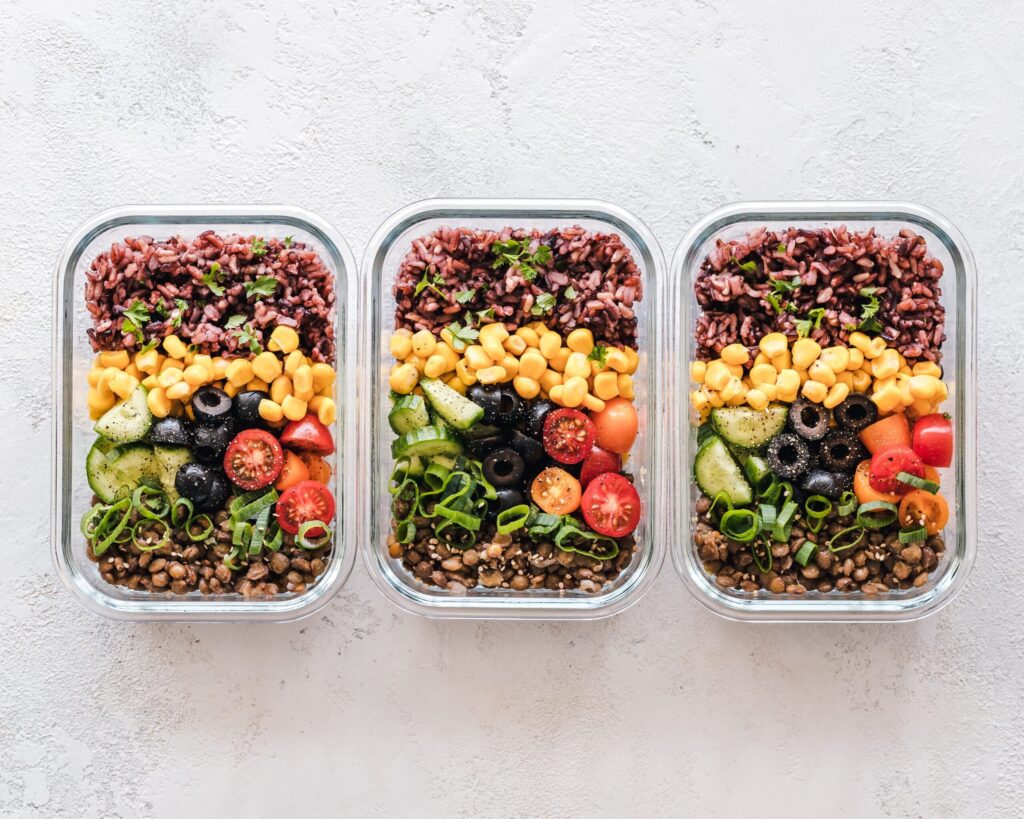
Salads are often hailed as one of the healthiest meals you can eat. They’re light, fresh, and packed with a variety of nutrients, but what actually happens to your body if you eat salad every day? While the idea of daily salad consumption might sound like the perfect health hack, the effects on your body can range from boosted immunity to enhanced digestion.
With the right ingredients, a salad can be a complete, nutritious meal that promotes long-term health. In this article, we’ll explore the scientifically-backed benefits and potential downsides of eating salad every day and how it can affect your body over time.
Table of Contents
Benefits of Eating Salad Every Day
1. Increased Nutrient Intake
- Salads are nutrient powerhouses, providing essential vitamins and minerals.
- Ingredients like leafy greens, vegetables, seeds, and lean proteins give your body a wide array of nutrients like vitamins A, C, K, and minerals such as iron and calcium.
- Studies have shown that diets rich in vegetables and greens lead to better overall health, reducing the risk of chronic diseases like heart disease and cancer.
2. Improved Digestion
- Vegetables and greens are rich in dietary fibre, which is crucial for healthy digestion.
- Fibre helps regulate bowel movements and prevents constipation by bulking up stool.
- Regular intake of fibrous foods like salads can also improve gut microbiome health, which influences everything from metabolism to immune function.
3. Weight Management
- Salads are low in calories but high in volume, making you feel full without consuming excessive energy.
- Eating a large salad before a main meal can reduce overall calorie intake by promoting satiety.
- The fibre and water content in salads help curb overeating and snacking between meals, making it easier to maintain or lose weight.
4. Enhanced Skin Health
- Many salad ingredients, like carrots, tomatoes, and cucumbers, contain antioxidants like beta-carotene and vitamin C that support healthy skin.
- Beta-carotene can help reduce sun damage and improve skin’s elasticity, while vitamin C promotes collagen production, keeping skin firm.
- A diet rich in leafy greens can also help fight acne and maintain a clear complexion.
5. Boosted Immunity
- Leafy greens like spinach and kale are high in immune-boosting vitamins and minerals such as vitamin C, vitamin E, and folate.
- These nutrients help the body produce white blood cells, which are key to fighting off infections.
- Salads that include a variety of vegetables provide a broad spectrum of micronutrients that are essential for overall immune function.
Potential Drawbacks of Eating Salad Every Day
1. Nutrient Imbalance
- While salads are packed with nutrients, relying solely on them may lead to nutrient gaps.
- A salad without sufficient protein, healthy fats, or whole grains can lack balance, potentially leaving you deficient in certain macronutrients.
- Including a source of protein like chicken, beans, or tofu and a fat source like avocado or olive oil ensures a well-rounded meal.
2. Too Much Fibre
- Consuming a high amount of fibre, especially if you’re not used to it, can lead to bloating, gas, or digestive discomfort.
- While fibre is essential for health, a sudden increase can overwhelm the digestive system, particularly if you’re not balancing it with enough water intake.
3. Hidden Calories in Dressings

- Many salads become unhealthy when topped with high-calorie dressings or sugary additives.
- Creamy dressings, cheese, croutons, and bacon bits can add unnecessary fats and sugars, counteracting the health benefits of the salad.
- Opting for lighter dressings, like olive oil and vinegar, can keep the salad nutritious and low in calories.
4. Pesticides in Vegetables
- Not all salads are free from pesticides, particularly when non-organic produce is used.
- Pesticide residues on leafy greens like spinach and kale can be harmful over time, so it’s important to thoroughly wash produce or choose organic where possible.
How Salads Can Impact Long-term Health
1. Reduced Risk of Chronic Diseases
- Regular consumption of leafy greens and a variety of vegetables has been linked to a lower risk of heart disease, cancer, and diabetes.
- Antioxidants found in many salad ingredients help protect cells from oxidative stress and inflammation, both of which are risk factors for chronic illnesses.
- People who consistently eat nutrient-rich salads have also been found to have lower blood pressure and healthier cholesterol levels.
2. Better Heart Health
- Ingredients like spinach, avocado, and nuts contain heart-healthy fats and antioxidants that can reduce bad cholesterol levels (LDL) and improve overall heart function.
- High-potassium foods, like spinach, can help regulate blood pressure, which is crucial for cardiovascular health.
- Regular intake of raw vegetables has been associated with a reduced risk of stroke and other cardiovascular events.
3. Improved Brain Function
- Omega-3 rich foods, such as flaxseeds or walnuts, often added to salads, are known to support brain health.
- The antioxidants found in berries and dark leafy greens, commonly included in salads, protect brain cells from damage and may slow cognitive decline.
- Some studies even suggest that regular consumption of a Mediterranean-style diet, rich in vegetables and healthy fats, can lower the risk of neurodegenerative diseases like Alzheimer’s.
4. Enhanced Longevity
- Consuming a plant-based diet rich in raw vegetables like salads is associated with a longer life expectancy.
- The broad range of nutrients in salads, such as vitamins, antioxidants, and fibre, supports overall health, reducing the risk of premature death from common diseases.
- Individuals who consume vegetables regularly have also been found to have better physical and mental health as they age.
Tips for Maximising the Benefits of a Daily Salad
1. Incorporate Protein
- Add lean proteins like grilled chicken, salmon, eggs, or plant-based options like tofu and chickpeas to ensure your salad provides essential amino acids.
- Protein not only supports muscle repair but also helps balance blood sugar levels, making your meal more satisfying.
2. Include Healthy Fats
- Fats help your body absorb fat-soluble vitamins like A, D, E, and K, which are often found in salad ingredients.
- Add sources of healthy fats, such as avocado, olive oil, nuts, or seeds, to your salad for a more complete meal.

3. Focus on Colour Diversity
- The more colourful your salad, the broader the range of nutrients it will contain.
- Include a variety of vegetables, fruits, and even herbs to maximise the amount of antioxidants, vitamins, and minerals you’re consuming.
4. Choose Whole Grains
- Incorporate grains like quinoa, brown rice, or farro to add complex carbohydrates, which provide long-lasting energy and additional fibre.
- Whole grains also help maintain stable blood sugar levels, making the meal more sustaining.
5. Watch Your Dressing
- Stick to dressings made from natural ingredients like olive oil, balsamic vinegar, lemon juice, or Greek yoghurt.
- Avoid store-bought dressings high in added sugars, preservatives, and unhealthy fats.
Conclusion:
Eating salad every day can have numerous benefits for your body, from improved digestion and skin health to a reduced risk of chronic diseases. However, it’s important to ensure your salad is nutritionally balanced, incorporating proteins, healthy fats, and a variety of vegetables to avoid potential nutrient deficiencies. By paying attention to ingredients and portion sizes, you can make a daily salad a powerful tool for maintaining long-term health and wellness.
Key Takeaways:
| Topic | Key Point |
|---|---|
| Increased Nutrient Intake | Salads are rich in vitamins and minerals, contributing to overall health. |
| Improved Digestion | High in fibre, salads promote regular bowel movements and support gut health. |
| Weight Management | Low in calories but filling, salads help control weight and prevent overeating. |
| Skin Health | Antioxidants in salad ingredients improve skin elasticity and reduce sun damage. |
| Boosted Immunity | Vitamins in leafy greens strengthen the immune system. |
| Nutrient Imbalance Risk | Salads can lack balance if they don’t include enough protein or healthy fats. |
| Heart Health | Leafy greens and healthy fats lower cholesterol and support cardiovascular health. |
| Brain Function | Antioxidants and omega-3s in salads improve cognitive function and brain health. |
| Longevity | Regular consumption of salads can increase life expectancy and overall health. |
Bibliography
- Liu, R. H. (2013) ‘Health benefits of fruit and vegetables are from additive and synergistic combinations of phytochemicals‘, American Journal of Clinical Nutrition, 78(3), pp. 517S–520S.
- Slavin, J. L. and Lloyd, B. (2012) ‘Health benefits of fruits and vegetables’, Advances in Nutrition, 3(4), pp. 506–516.
- McDougall, G. J. et al. (2007) ‘Antioxidants in vegetables and fruit: uptake and metabolism’, Biofactors, 30(2), pp. 67–73.
- Willett, W. C. (2013) ‘The Mediterranean diet: science and practice‘, Public Health Nutrition, 9(1A), pp. 105–110.