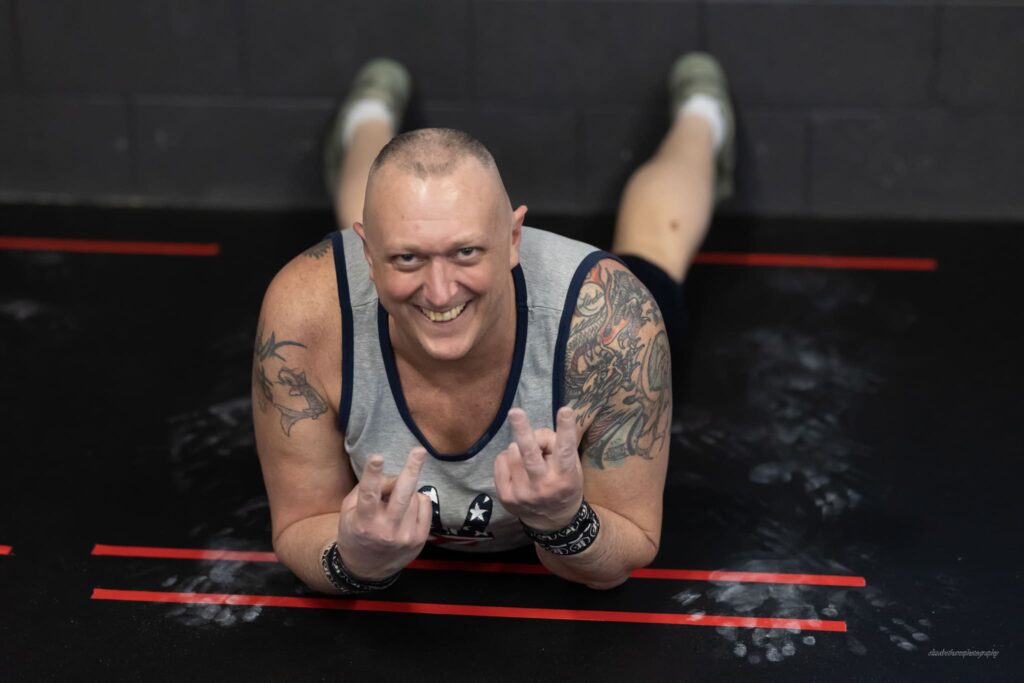
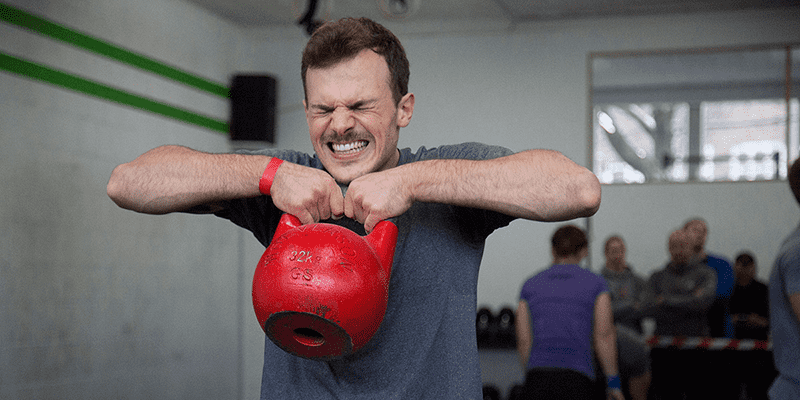
Jeremy Ethier took to the streets to find out which muscles on guys matter the most to women.
He wanted to find out “what male muscles do women love most? And do muscles matter to girls? To find out, I’m asking girls at the beach to gather data, then running a full statistical analysis to determine the muscles men have that women love — and also finding out which muscle ranks the highest and which ones they just don’t seem to care for along the way. At the end, I’ll also reveal the one unexpected personality trait that actually outperformed all the best male muscles.”
What Muscles Make You Most Attractive? (Science Analysis)
Jeremy started out by asking the guys what they thought, which muscle groups did they think that girls cared about the most? The general consensus arrived on chest and shoulders.
What are the Basic Steps for Guys to Build More Muscle?
Building muscle involves a combination of proper exercise, nutrition, rest, and consistency. Here are the basic steps for guys to build more muscle:
1. Strength Training (Resistance Training)
- Focus on Compound Movements: Exercises like squats, deadlifts, bench presses, rows, and overhead presses work multiple muscle groups and stimulate more muscle growth.
- Progressive Overload: Gradually increase the weight, reps, or intensity of your exercises. This ensures that muscles are consistently challenged and forced to grow.
- Train Major Muscle Groups: Make sure you’re working your legs, back, chest, shoulders, and arms. Balance your workouts across all major muscle groups.
- Vary Your Routine: Over time, your body adapts to the same exercises, so periodically switch up your routine to avoid plateaus.
2. Eat a Protein-Rich Diet
- Increase Protein Intake: Protein is essential for muscle repair and growth. Aim for about 0.7-1 gram of protein per pound of body weight per day. Sources include chicken, beef, eggs, fish, tofu, and beans.
- Eat Enough Calories: Building muscle requires being in a calorie surplus (eating more calories than you burn). Focus on healthy, nutrient-dense foods like lean proteins, complex carbs (rice, oats, whole grains), and healthy fats (nuts, olive oil, avocados).
- Carbohydrates for Energy: Carbs provide energy for your workouts and aid in recovery. Include complex carbs like sweet potatoes, brown rice, and quinoa in your diet.
3. Rest and Recovery
- Get Enough Sleep: Sleep is when the body repairs and builds muscle. Aim for 7-9 hours of quality sleep per night.
- Rest Between Workouts: Muscles need time to recover. Train each muscle group 2-3 times a week with at least 48 hours of rest between sessions for the same muscle group.
- Active Recovery: Light activities like walking or stretching on rest days can help promote blood flow and recovery.
4. Stay Consistent
- Stick to a Workout Schedule: Consistency is key. Commit to regular workouts, ideally 3-5 days a week, and stick to your nutrition plan.
- Track Your Progress: Keep a workout log, track your lifts, and measure your body changes to see your progress over time.
5. Supplement Smartly
- Protein Powder: Whey or plant-based protein can help meet your daily protein intake.
- Creatine: This is one of the most researched supplements for building muscle and strength.
- Multivitamins or Omega-3s: If you’re lacking in certain nutrients, supplements can fill in the gaps.
6. Hydration
- Drink Plenty of Water: Muscles are made up of 75% water, and hydration plays a critical role in performance and recovery. Aim for at least 8-10 cups (2-2.5 liters) of water per day.
Sample Plan
Here’s a sample 4-day workout plan designed to help you build muscle. This plan focuses on compound exercises with some isolation movements for balanced muscle development. The split allows you to target each muscle group twice a week, with enough rest in between.
Day 1: Upper Body (Push Focus)
1. Barbell Bench Press – 4 sets of 6-8 reps
2. Overhead Press – 4 sets of 6-8 reps
3. Incline Dumbbell Press – 3 sets of 8-10 reps
4. Dumbbell Lateral Raises – 3 sets of 12-15 reps
5. Triceps Dips (Weighted if possible) – 3 sets of 8-10 reps
6. Cable Triceps Pushdown – 3 sets of 10-12 reps
Day 2: Lower Body (Legs)
1. Barbell Squat – 4 sets of 6-8 reps
2. Romanian Deadlift (RDL) – 4 sets of 8-10 reps
3. Leg Press – 3 sets of 10-12 reps
4. Walking Lunges (Dumbbells or Barbell) – 3 sets of 10 steps per leg
5. Leg Curl Machine – 3 sets of 10-12 reps
6. Calf Raises – 4 sets of 12-15 reps
Day 3: Rest or Active Recovery
Light cardio, stretching, or yoga.
Day 4: Upper Body (Pull Focus)
1. Deadlift – 4 sets of 5-6 reps
2. Barbell Row – 4 sets of 6-8 reps
3. Pull-Ups (Weighted if possible) – 4 sets of 6-8 reps (use assisted machine if needed)
4. Dumbbell Shrugs – 3 sets of 10-12 reps
5. Dumbbell Bicep Curl – 3 sets of 10-12 reps
6. Hammer Curls – 3 sets of 10-12 reps
Day 5: Lower Body (Legs + Abs)
1. Front Squat or Goblet Squat – 4 sets of 6-8 reps
2. Bulgarian Split Squat – 3 sets of 8-10 reps per leg
3. Leg Extension Machine – 3 sets of 10-12 reps
4. Lying Leg Curls – 3 sets of 10-12 reps
5. Hanging Leg Raises – 3 sets of 12-15 reps
6. Plank Hold – 3 sets of 30-60 seconds
Day 6 & 7: Rest or Active Recovery
Key Notes:
- Rest 1-2 minutes between sets for compound lifts (squats, deadlifts, bench press) and 30-45 seconds for isolation exercises (like curls or triceps pushdowns).
- Warm-up properly before starting each workout. This can include 5-10 minutes of light cardio and dynamic stretching.
- Progressive overload: Gradually increase the weight or reps every week or two to keep challenging your muscles.