Determining the right weight to start with as a beginner in strength training can be a daunting task, yet it is a fundamental step toward achieving fitness goals. This initial choice sets the foundation for a successful workout regimen, enhancing strength and preventing injuries. Many beginners find themselves puzzled by the plethora of weights available in the gym, unsure where to begin. This decision is influenced by various factors, including the individual’s fitness level, understanding of exercise form, and the desired rep range for workouts. Selecting the correct starting weight is crucial not only for maximizing workout efficiency but also for establishing a sustainable and enjoyable fitness routine.
Understanding the importance of proper form is pivotal in the journey of weight training. Mastering the correct form ensures that exercises are executed safely and effectively, reducing the risk of injury. As a novice, the focus should be on learning the techniques of basic movements. This foundational knowledge paves the way for future muscle-building success and enhances overall strength. However, it is equally essential to challenge oneself adequately with the weights. Using weights that are too light can result in minimal muscle engagement and progress, while excessively heavy weights can compromise form and increase injury risk.
Finding the perfect balance between weight control and resistance is key to effective strength training. Beginners should aim to select a weight that allows them to perform exercises with good form while still providing enough resistance to challenge the muscles. This balance fosters optimal muscle development and helps build confidence as one progresses in their fitness journey. The ideal weight should enable the beginner to complete their desired rep range without compromising form, ensuring steady progress and minimizing the risk of injury. As beginners gain experience, they can gradually adjust the weights to continue challenging themselves and advancing their fitness levels.
However, it wasn’t us at BOXROX who came up with the idea to share insights on what weight you should lift when you are starting off as a beginner in the gym. The information you will see here is based on the insights of trainer Winny and a video he shared. He is a bodybuilder with over 10 years of experience, creator of Bodybuilding Simplified and who has a growing YouTube channel presence in which he shares his tips, tricks and workouts to get healthier and fitter.
This article will explore the steps necessary for beginners to select the right starting weight, considering factors like form, control, and resistance, and provide a guide to building a strong foundation in weight training.
Table of Contents
What Weight Should You Start as a Beginner?
| Key Takeaways | |
|---|---|
| Prioritize Proper Form | Focus on mastering correct exercise techniques to prevent injuries and ensure effective workouts. |
| Balance Control and Resistance | Choose weights that allow for controlled movements while providing enough resistance to challenge muscles. |
| Use the Rep Range Method | Select weights that enable completion of desired reps within a set range for optimal muscle engagement. |
| Listen to Your Body | Adjust weights based on individual fitness level and comfort, starting with lighter weights if needed. |
| Gradual Progression | Increase weights gradually as strength improves to continue challenging muscles safely. |
Understanding the Basics of Weight Selection
When starting weight training, one of the most frequently asked questions is, “What weight should I start with as a beginner?” This question is both common and crucial, as selecting the right starting weight is essential for building a solid foundation in strength training. For beginners, understanding the balance between using weights that are too light or too heavy is key to successful and safe workouts.
Importance of Proper Form
The primary factor to consider when selecting a starting weight is ensuring proper form. Proper form is crucial for beginners as it helps prevent injuries and builds the foundation for effective workouts. Using weights that are too heavy can compromise form, leading to improper execution of exercises and increased risk of injury. On the other hand, weights that are too light might not provide enough resistance to stimulate muscle growth effectively. Beginners should focus on mastering the correct technique for each exercise, as this will guarantee their future success in building muscle and strength.
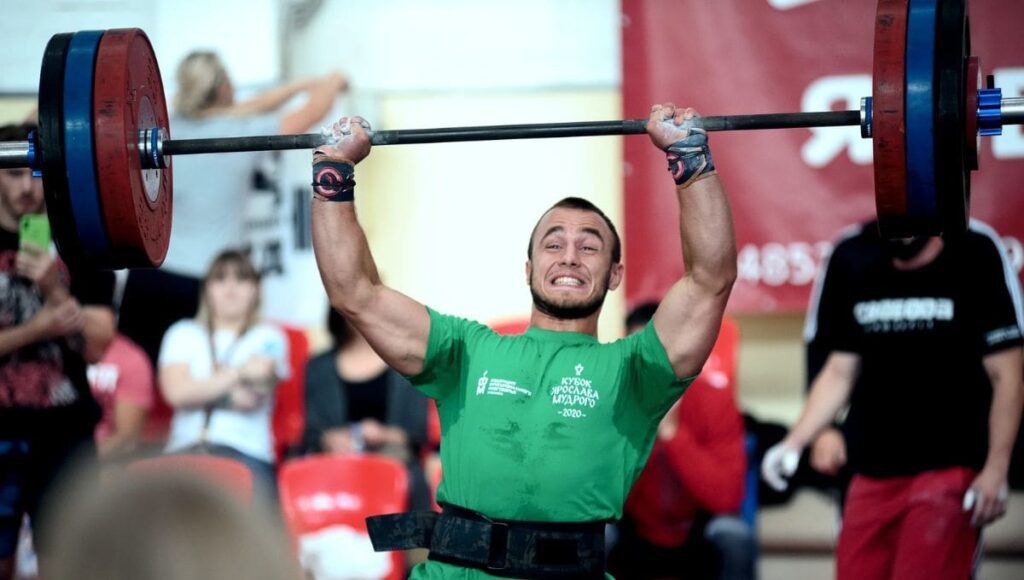
Maintaining control over the weight is vital for achieving proper form. When lifting weights, beginners should feel that they are in control of the weight, allowing them to perform exercises smoothly and efficiently. If the weight is too heavy to control, it may lead to instability and poor form, which can hinder progress and increase the likelihood of injury. As such, beginners should prioritize selecting a weight that allows them to focus on learning the correct form for each exercise.
Balancing Control and Resistance
While maintaining control is important, it is equally essential to ensure that the weight provides enough resistance to challenge the muscles. Beginners should aim for a weight that creates a balance between control and resistance. If a beginner can easily perform numerous repetitions without feeling any strain, the weight is likely too light, and they are not effectively working the muscles. Conversely, if a beginner struggles to complete even a few repetitions with proper form, the weight may be too heavy.
To find the right balance, beginners should aim for a weight that allows them to perform their desired rep range with good form. This typically involves selecting a weight that challenges the muscles but still allows for controlled and deliberate movements. By finding this sweet spot, beginners can maximize the effectiveness of their workouts and ensure steady progress.
How Little Can You Do and Still Grow Muscle?
Gauging the Right Starting Weight
Selecting the appropriate starting weight requires a combination of self-assessment and trial and error. Beginners can use specific strategies to gauge the right weight for their fitness level and goals.

The Rep Range Method
One effective method for determining the right starting weight is the rep range method. This involves selecting a weight that allows the beginner to perform a specific number of repetitions (reps) within a set range. For example, if the goal is to perform 8 to 12 reps per set, the beginner should choose a weight that challenges them to complete this range while maintaining proper form.
Let’s consider an example of the bench press exercise. Suppose a beginner wants to perform bench presses with an 8 to 12 rep range. They start by loading 50 pounds on the barbell and attempt to complete the set. If they can only manage six reps before struggling, it indicates that the weight is too heavy for their current fitness level. In this case, the beginner should decrease the weight and try again.
After reducing the weight to 20 pounds, the beginner attempts the bench press again and finds that they can complete 16 repetitions. This suggests that the weight is too light, as they exceeded their desired rep range. By adjusting the weight to 40 pounds, the beginner successfully completes nine reps, which falls within the target range of 8 to 12 reps. This indicates that 40 pounds is the ideal starting weight for the bench press exercise.
5 Methods of Progressive Overload to Force Muscle Growth
Individual Fitness Level and Comfort
It is important to recognize that there is no one-size-fits-all approach to selecting starting weights. Each individual’s fitness level, strength, and comfort with specific exercises will vary. Beginners should listen to their bodies and adjust the weights based on their capabilities and goals.

Starting with an empty barbell is perfectly acceptable for beginners who are still learning the movements. Prioritizing correct form over heavy weights is essential to avoid unnecessary strain and injuries. As beginners become more comfortable and confident with the exercises, they can gradually increase the weights to continue challenging their muscles and progressing in their fitness journey.
Building a Strong Foundation
Beginners can establish a strong foundation for successful weight training by following these guidelines for selecting the right starting weight. Proper form, control, and resistance are fundamental elements that contribute to effective and safe workouts.
Importance of Proper Form
Proper form remains the cornerstone of effective weight training. By focusing on mastering the correct techniques for each exercise, beginners can prevent injuries and ensure that they are targeting the right muscle groups. Learning proper form also sets the stage for more advanced exercises and lifts in the future.
Beginners should take the time to research and practice the correct form for each exercise they plan to perform. This may involve seeking guidance from a certified fitness trainer, watching instructional videos, or reading reputable fitness resources. Emphasizing form over heavy weights will lead to more sustainable progress and better long-term results.
5 Steps to Build a Perfect Male Physique
Prioritizing Control and Safety
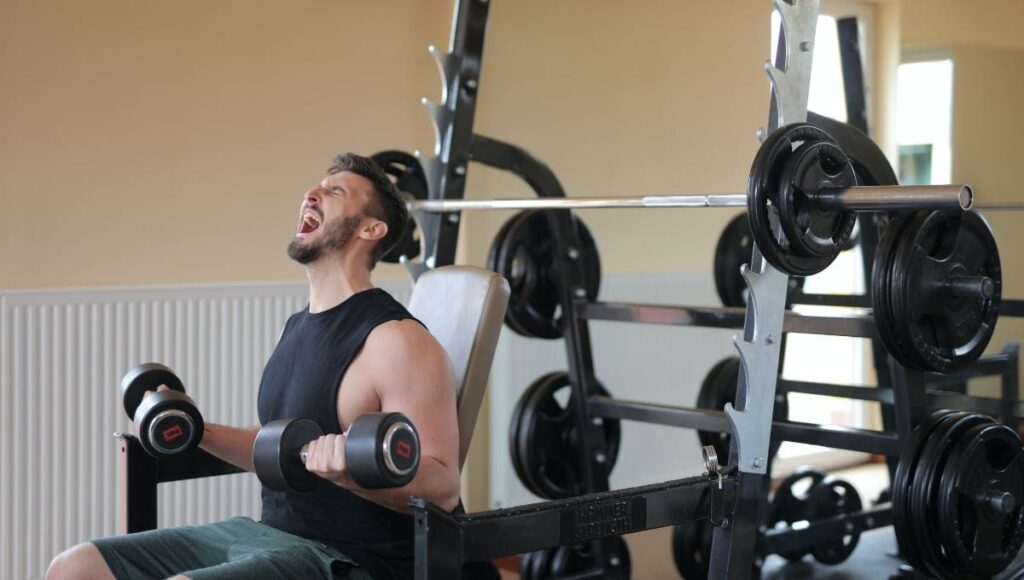
Maintaining control over the weights is essential for minimizing the risk of injury. Beginners should always feel that they are in control of the weights they lift. This means that they should be able to execute each repetition smoothly and with proper form. If the weight feels unstable or challenging to control, it is advisable to decrease the weight and focus on improving technique.
Safety should always be a top priority for beginners. If an exercise feels uncomfortable or if there is any pain during a movement, it is crucial to stop immediately and reassess the situation. Beginners should not hesitate to seek professional guidance or consult with a healthcare provider if they experience any discomfort during their workouts.
Progression and Adaptation
As beginners become more comfortable with weight training and their fitness levels improve, they can gradually increase the weights they use. Progression is a key aspect of building strength and muscle over time. However, it is important to increase the weights gradually and not rush the process.
Beginners should aim to challenge themselves within their desired rep range while maintaining proper form. This may involve increasing the weight by a small increment once they can comfortably complete their target rep range with good form. This gradual progression ensures continuous improvement and reduces the risk of injury from overexertion.
Conclusion
Selecting the right starting weight as a beginner in weight training is a crucial step in building a strong foundation for fitness success. Beginners should prioritize proper form, maintain control over the weights, and find the right balance between resistance and comfort. By focusing on these elements, beginners can maximize the effectiveness of their workouts and minimize the risk of injury.
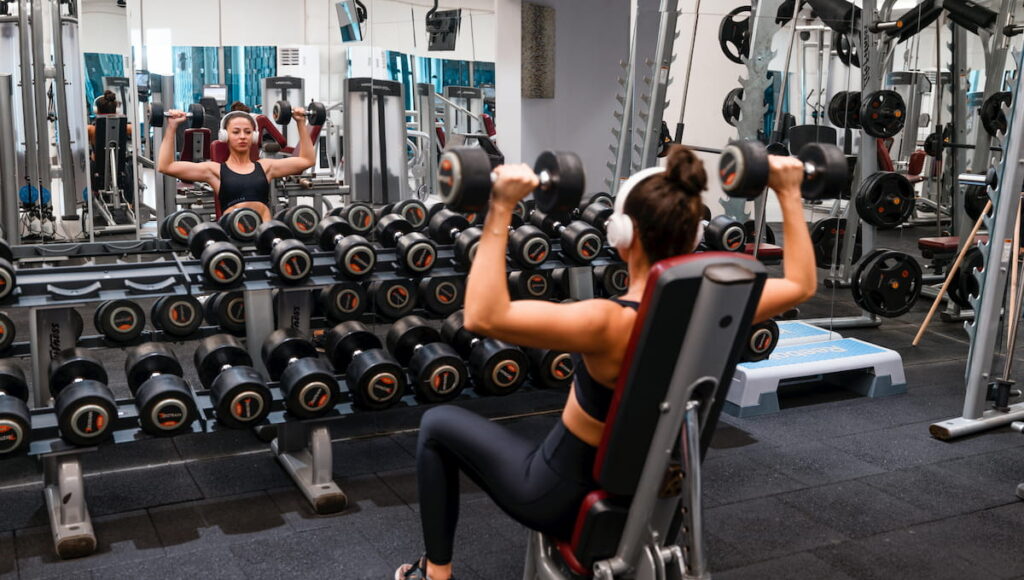
Starting with lighter weights to master the correct form and technique is a wise approach for beginners. Gradually increasing the weights as strength and confidence grow will lead to sustainable progress and long-term fitness gains. Remember that there is no universal starting weight for everyone, and each individual’s fitness level and goals will determine the appropriate starting point.
By following the principles outlined in this article, beginners can confidently embark on their weight training journey and achieve their fitness goals. Whether it’s building muscle, increasing strength, or improving overall fitness, the right starting weight will set the stage for a successful and rewarding workout experience.