When the goal is fat loss, nutrition plays a pivotal role. While incorporating healthy foods into your diet is essential, understanding what to avoid is equally important. Certain foods can sabotage fat loss efforts by spiking blood sugar levels, leading to overeating, or providing little to no nutritional value.
This article outlines ten foods that are best avoided if you are serious about shedding body fat.
1. Sugary Beverages
Sugary drinks, such as soda, sweetened coffee, and energy drinks, are among the worst offenders when it comes to fat loss. These beverages are loaded with empty calories that provide little to no satiety, meaning they don’t make you feel full despite the high calorie content. Studies have shown that liquid sugar calories are not processed by the brain in the same way as solid calories, leading to increased calorie intake throughout the day.

Moreover, sugary beverages cause spikes in blood glucose levels, leading to insulin resistance over time, which is linked to weight gain and fat storage. The high-fructose corn syrup found in many of these drinks has been shown to specifically contribute to visceral fat accumulation, the dangerous fat stored around organs .
2. Processed Baked Goods
Foods such as cakes, cookies, pastries, and muffins may seem irresistible, but they are laden with refined sugars, trans fats, and artificial ingredients, all of which contribute to weight gain. These products often contain high levels of fructose, which has been shown to increase hunger and promote the storage of fat . They also offer little in the way of essential nutrients.
A study published in the American Journal of Clinical Nutrition found that people who consumed a diet high in refined sugars and trans fats had significantly higher body fat levels than those who avoided such foods . Instead of these sugary treats, opt for whole foods such as fruits, which offer natural sweetness along with fibre and antioxidants.
3. Fried Foods
Fried foods are calorie-dense, high in unhealthy fats, and typically low in nutrients. The process of deep-frying increases the calorie content of foods significantly while producing trans fats, which are harmful to heart health and linked to obesity . Moreover, fried foods tend to be high in refined carbohydrates, particularly when breaded, which can cause insulin spikes and fat storage.

Research has shown that frequent consumption of fried foods is associated with an increased risk of weight gain and obesity. A study conducted by Harvard University found that individuals who consumed fried foods more than four times a week had a 37% higher risk of obesity compared to those who consumed them less frequently .
4. White Bread
White bread is made from highly refined flour that has been stripped of its fibre and essential nutrients. Without fibre, white bread can cause rapid spikes in blood sugar, leading to increased hunger and overeating later in the day. This is particularly problematic for those trying to lose body fat.
A study published in the British Journal of Nutrition found that people who consumed more refined grains, such as white bread, had a higher body fat percentage compared to those who ate whole grains . Whole grains, on the other hand, provide more fibre, which can help reduce hunger and support fat loss.
5. High-Calorie Coffee Drinks
While black coffee can aid fat loss due to its metabolism-boosting properties, many commercial coffee drinks are loaded with sugar, cream, and syrups, turning a low-calorie beverage into a calorie bomb. For instance, a large flavoured latte can contain upwards of 400 calories, most of which come from sugar and fat.
A study from the University of Illinois found that people who consume sweetened coffee beverages regularly are more likely to exceed their daily calorie limits and gain weight . If you’re trying to lose fat, it’s best to stick to plain black coffee or add a small amount of milk and avoid sugary additives.
6. Candy and Sweets
Candy, chocolate bars, and other sugary snacks are high in sugar and often provide nothing but empty calories. They are highly processed and contain added sugars that contribute to rapid increases in blood glucose and insulin levels, promoting fat storage. A diet high in sugary snacks has been linked to increased risk of obesity and metabolic diseases.

A study published in The Journal of Nutrition demonstrated that individuals who consumed high amounts of added sugars were more likely to gain visceral fat, the type of fat that surrounds organs and is associated with serious health conditions . Opt for healthier snack alternatives such as nuts, seeds, or fruit when cravings strike.
7. Ice Cream
Ice cream may be a comforting treat, but it is packed with sugar and unhealthy fats. A single serving can contain more calories than an entire meal, making it a poor choice for anyone trying to lose fat. The combination of sugar and fat also makes ice cream highly addictive, leading to overeating .
Moreover, research has found that foods high in sugar and fat, such as ice cream, activate the reward centres in the brain similarly to addictive drugs, which can lead to habitual overconsumption . If you’re craving something cold and sweet, try a healthier alternative like frozen Greek yoghurt, which provides protein and fewer calories.
8. Fast Food
Fast food meals are notorious for being calorie-dense, high in unhealthy fats, sugars, and salt, while offering little in the way of nutrients. Burgers, fries, and other fast-food staples are packed with trans fats and refined carbohydrates, which contribute to insulin resistance and fat storage.
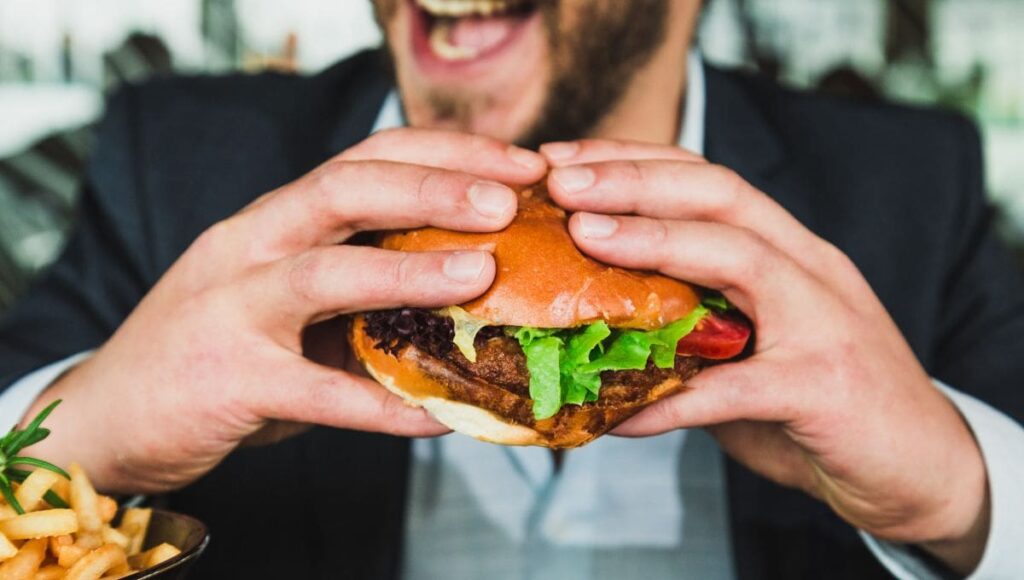
A study published in the journal Obesity Reviews found a strong association between frequent fast food consumption and an increase in body mass index (BMI) and body fat percentage . Regular fast-food eaters are more likely to consume excessive calories, leading to weight gain and making fat loss efforts much more difficult.
9. Fruit Juice
Although fruit juice may seem healthy, it is often as high in sugar as sugary sodas. Even 100% fruit juice lacks the fibre of whole fruits, meaning the sugar is absorbed quickly into the bloodstream, causing spikes in blood sugar levels. This can increase hunger and lead to overeating later in the day.
A study from the American Journal of Public Health showed that people who regularly consume fruit juice are at a higher risk of weight gain compared to those who consume whole fruits . Eating whole fruits provides fibre, which slows down the absorption of sugar and helps keep you feeling full longer.
10. Alcohol
Alcohol is one of the most calorie-dense substances you can consume, with seven calories per gram. Drinking alcohol not only adds empty calories to your diet, but it also impairs fat metabolism. When you consume alcohol, your body prioritises metabolising the alcohol over fat, slowing down fat-burning processes .
In addition to this, alcoholic drinks are often consumed alongside unhealthy foods, and alcohol can lower inhibitions, leading to overeating. A study published in the American Journal of Clinical Nutrition found that regular alcohol consumption is associated with increased fat accumulation, particularly in the abdominal region .
Conclusion
The foods you choose to avoid can have just as much impact on your fat loss as the foods you incorporate into your diet. By cutting out sugary beverages, processed baked goods, fried foods, and other high-calorie, low-nutrient foods, you can create a healthier eating pattern that supports fat loss and improves overall health. Opt for whole, nutrient-dense foods instead, and remember that moderation is key.
Key Takeaways:
| Key Point | Description |
|---|---|
| Sugary Beverages | Avoid sugary drinks as they add empty calories and contribute to fat storage. |
| Processed Baked Goods | High in refined sugars and fats, these foods lead to weight gain. |
| Fried Foods | Calorie-dense and high in unhealthy fats, fried foods hinder fat loss. |
| White Bread | Causes blood sugar spikes, leading to overeating and fat storage. |
| High-Calorie Coffee Drinks | Loaded with sugar and fat, these drinks contribute to calorie overload. |
| Candy and Sweets | High in sugar, they provide no nutritional value and promote fat gain. |
| Ice Cream | Packed with sugar and fats, ice cream is addictive and leads to overeating. |
| Fast Food | Calorie-dense with little nutrition, fast food increases body fat. |
| Fruit Juice | Lacks fibre and causes blood sugar spikes, leading to hunger and overeating. |
| Alcohol | Calorie-dense and slows fat metabolism, contributing to fat storage. |
Bibliography
- Ludwig, D. (2002) ‘The glycemic index: physiological mechanisms relating to obesity, diabetes, and cardiovascular disease’, JAMA, 287(18), pp. 2414-2423.
- DiMeglio, D.P. and Mattes, R.D. (2000) ‘Liquid versus solid carbohydrate: effects on food intake and body weight’, International Journal of Obesity, 24(6), pp. 794-800.
- Stanhope, K.L. et al. (2012) ‘Consuming fructose-sweetened, not glucose-sweetened, beverages increases visceral adiposity and lipids and decreases insulin sensitivity in overweight/obese humans’, Journal of Clinical Investigation, 119(5), pp. 1322-1334.
- Bray, G.A. et al. (2004) ‘Consumption of high-fructose corn syrup in beverages may play a role in the epidemic of obesity’, American Journal of Clinical Nutrition, 79(4), pp. 537-543.
- Mozaffarian, D. et al. (2006) ‘Transfatty acids and cardiovascular disease’, New England Journal of Medicine, 354(15), pp. 1601-1613.
6. Duffey, K.J. and Popkin, B.M. (2010) ‘Energy density, portion size, and eating occasions: contributions to increased energy intake in the United States, 1977–2006’, PLOS Medicine, 7(6), e1001020.
7. Bazzano, L.A. et al. (2006) ‘Intake of fruit, vegetables, and fruit juices and risk of diabetes in women’, Diabetes Care, 31(7), pp. 1311-1317.
8. Suter, P.M., Tremblay, A. and Jéquier, E. (1992) ‘Alcohol and thermogenesis: interactions with diet and obesity’, American Journal of Clinical Nutrition, 55(2), pp. 406-410.